Reusable bed protectors seem like the obvious money-saver because you pay once, wash, reuse, and skip the weekly spend on disposables. At least, that’s how it looks on paper.
But the actual reusable bed protector cost doesn’t show up on the price tag. Hot washes, extra detergent, dryer cycles, and worn-out pads all chip away at your budget over time. And for families managing incontinence in a home care setting, those recurring costs can quietly outweigh the upfront savings.
That’s why we put this guide together at Ontex Healthcare. We work with aged care families and carers across Australia every day, so we’ve tracked how these numbers hit household budgets. And you’ll find a full breakdown of what reusable bed protectors will actually cost you each month.
The Real Reusable Bed Protector Cost No One Mentions
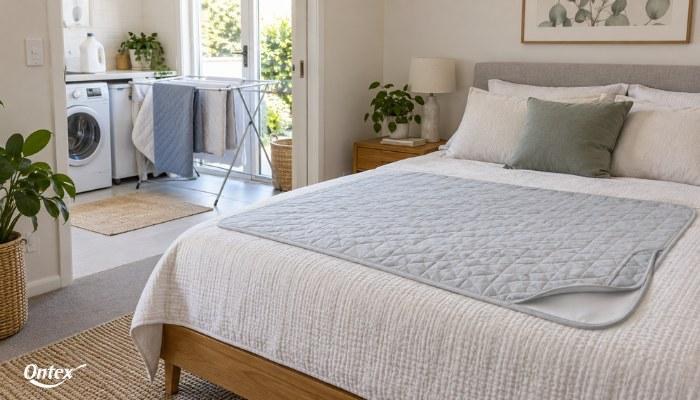
Reusable bed protectors carry weekly running expense that most aged care families never figure into the price. There’s no such thing as a free wash.
For example, a single washable pad needs 2–3 hot washes per week to protect against bacteria. You’ll have to pay for electricity, detergent, and washing machine running costs with every cycle.
CHOICE explains the true cost of doing laundry across these line items, and the annual totals tell a very different story from the shelf price. Reusables can range between $400 and $600 per year compared to disposable mattress protectors, once you add waterproof backing replacements.
Those high price build because frequent hot washing degrades waterproof quality and wears down absorbency within 6–12 weeks. We’ve tracked these figures across hundreds of carer enquiries. And a $40 washable pad that needs replacing twice a year isn’t the budget-friendly incontinence option it seemed at the register.
But money isn’t the only thing you’ll spend.
What Reusable Bed Pads Do to Your Laundry Routine
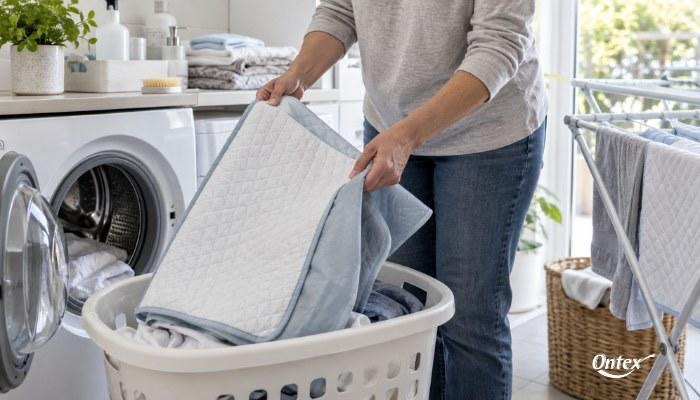
How many extra hours per week can one bed pad add to your workload? It might sound like a silly question, but the answer might change how you plan your week.
The washing demand for reusable incontinence pads goes beyond a quick rinse and spin:
- Strip and Pre-Rinse First: You can’t throw soiled pads in with the towels (you can’t wait on this one, either). Each washable mattress protector needs a cold pre-rinse before a hot cycle.
- Drying Eats Into Your Evening: A waterproof bed pad takes 3–4 hours on a line or a full dryer cycle. Own only two, and you could be waiting on a dry one by bedtime.
- Your Weeks Get Shorter: Carers managing medications, meals, and soft tissue care lose 4–6 extra hours per week on pad laundry. That’s time you won’t get back.
You pay for those repetitions in lost hours as well as dollars. So, for most households running a full caring routine, reusable bed pads will tip the balance.
How Laundry Costs Eat Into Your Home Care Package
Your home care package funding stretches so far each quarter, and laundry costs take a real bite. The federal government sets a firm allowance per classification level, so every dollar covering laundry won’t cover nursing visits, equipment, or physiotherapy.
This table shows how the costs compare when reusable bed pads enter the picture:
| Expense | With Reusables | With Disposables |
| Weekly laundry (water, power, detergent) | $8–$12 | $0 |
| Pad replacement (every 6 months) | $80–$120 | $0 |
| Disposable pad supply (monthly delivery) | $0 | $30–$50 |
| Annual cost to your package | $500–$750 | $360–$600 |
Note: These figures are based on our own cost tracking across Australian aged care households and current utility averages.
For older Australians on a Classification 2 home care package under the Support at Home program (that ceiling is firm, too), the annual budget sits around $16,500. Your providers could put those savings toward private in-home support, high level health services, or respite care when you’re managing aged care at home.
Once you see how the numbers balance out, it’s clear why so many aged care families end up switching back to disposables.
Why Aged Care Families Often Switch Back to Disposables
Most families we hear from try reusable pads for 3–6 months before switching back. It’s a pattern we keep seeing in aged care, and the complaints follow the same order.
Odour is the first concern. Even after a 60°C cycle, washable pads hold onto smells that soft fresheners won’t shift (no amount of soaking sorts that one out). The waterproof backing wears thin with repeated hot washes, too. Once that layer breaks down, overnight leaks and drying delays become weekly concerns for older Australians.
And honestly, the demand also grinds carers down. Many providers now recommend disposable options like the iD range from Ontex because the waterproof quality holds up without any laundry. When aged care services stretch your budget, removing that responsibility gives you back time, health, and a life beyond caring.
Now that you’ve seen the numbers and the reasons, let’s look at what real people say about the transition.
Customers Speak: Life With Reusable Protectors
We hear from aged care families every week, and the same concerns about reusable bed pads come up:
- Laundry Took Over Caring Time: One customer purchased waterproof protectors expecting to save on incontinence products. Within three months, the lingering bedroom smell was affecting her sleep and confidence around visitors.
- A Daytime-Only Compromise: Another family kept washable pads for daytime only and switched to discreet incontinence pants at night. That cut the risk of overnight leaks and freed up their evenings.
- Hidden Costs Caught Up: A few told us the pads felt like a great product at first, but they ended up paying for pad replacements and machine servicing that year.
On paper, the numbers looked good, but in practice every family landed in the same place. You can contact our team at Ontex Healthcare to find the right brand and product to protect your budget.
Incontinence Products Worth Your Home Care Budget
The right incontinence products shouldn’t drain your weekly budget or your energy. If managing incontinence with reusable pads isn’t working, you deserve an option that restores your confidence without the extra work.
The Ontex range includes discreet options like iD incontinence pants and Kylie bed protectors, all built to support aged care families with zero washing. We deliver straight to your door, so you can balance home care package funding around the services your family needs.
You can also contact our team for help choosing the right product.