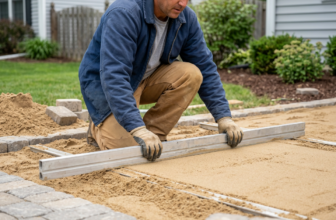
A garden makeover usually starts with what you can see: paving, planting, lighting, fencing, a new patio or perhaps space for a garden room. What lies beneath the surface is easier to forget. Existing drainage can run directly below areas earmarked for landscaping, and unresolved problems with blocked drains Crawley homeowners experience are much easier to investigate before new paving, planting or structures are installed. DrainBoss works with drainage clearance, CCTV surveys and repairs, making it possible to understand what is happening below ground before expensive outdoor work covers the area.
The issue is not that landscaping automatically damages drains. In many gardens, work can proceed without any drainage complication at all. Problems arise when an existing pipe route is unknown, an inspection chamber becomes difficult to reach, or a defect that was already developing is hidden beneath a newly finished surface.
Thinking about underground drainage at the planning stage can therefore save a surprising amount of disruption later. A few checks before work begins can help protect both the finished garden and the systems that continue to serve the property underneath it.
What Could Be Running Under Your Garden?
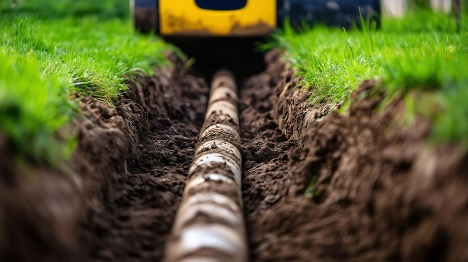
A garden is rarely just soil beneath the lawn. Drainage routes may cross areas that appear completely unrelated to the house, particularly on properties that have been extended, altered or divided over time.
Depending on the property, underground features may include:
- foul drains carrying wastewater away from kitchens, bathrooms and toilets;
- surface water pipes dealing with rainfall from roofs, patios or other hard surfaces;
- inspection chambers, manholes and other access points;
- drainage serving extensions, garages, garden buildings or older structures;
- sections of pipework that were altered during previous renovation or landscaping work.
The route is not always obvious from looking at the garden. A pipe can travel beneath grass, flower beds, paving or a driveway before joining another drain further away from the building.
Older properties can be especially difficult to read from the surface. Gardens may have changed several times while the underground drainage remained largely in its original position. Extensions can also introduce newer sections that connect with older pipework, creating a layout that is less straightforward than expected.
For a homeowner planning substantial work, knowing where the main drainage runs are located is therefore useful even when there is no current blockage.
Why Landscaping Can Make Existing Drainage Problems More Complicated
Most garden projects are designed around appearance and use. A patio needs to sit in the right place for outdoor dining. Raised beds need enough light. A garden office needs a practical position. Drainage access can easily become an afterthought.
The problem often appears later.
An inspection chamber that was once easy to reach may end up beneath decking or a large planter. A drainage run that could previously have been excavated through soil may become covered by expensive porcelain paving. A pipe beneath a driveway can become much harder to repair once the finished surface is in place.
Heavy landscaping work can also matter where underground pipework is already weakened. Machinery, compacted ground or repeated loading over a shallow or damaged section will not necessarily cause a healthy drain to fail, but existing defects can make the situation more vulnerable.
Changes to ground levels create another consideration. A newly landscaped garden may direct rainfall differently from the previous layout. Large areas of impermeable paving can alter how quickly water reaches drains or where it pools on the property.
This is why drainage should be considered as part of the design rather than treated as something separate from the garden.
Signs There May Already Be a Problem Below Ground
A hidden drainage defect does not always announce itself with an overflowing drain. Sometimes the first clues appear in the garden itself.
Before major landscaping begins, it is worth paying attention to:
- patches of ground that remain unusually wet or soft despite dry weather;
- isolated areas of unexpectedly vigorous plant growth;
- repeated pooling in places where water should normally drain away;
- unpleasant smells around inspection covers or particular areas of the garden;
- paving or ground that appears to be sinking;
- inspection chambers containing unusually high or persistent standing water.
None of these signs proves that there is a damaged drain.
A wet patch can have a perfectly ordinary explanation connected with soil type, poor surface drainage or the natural shape of the garden. Sunken paving can result from inadequate preparation beneath the slabs rather than a leaking pipe.
What makes these signs worth investigating is persistence, particularly when more than one symptom appears in the same area or when the property also has a history of recurring drainage issues.
Why Drain Access Points Should Stay Accessible
Inspection chambers and manholes are not the most attractive features in a landscaped garden, so it is understandable that homeowners may want them to disappear visually.
Making them permanently inaccessible, however, can turn a straightforward future inspection into a much larger job.
Access points allow sections of the drainage network to be inspected, cleared and, in some cases, used for CCTV equipment. If one is buried beneath fixed decking, permanent planting or a structure, simply reaching the drain can become difficult.
That does not mean every cover has to dominate the finished design. Recessed covers can sometimes be incorporated into paving so that the visual finish remains consistent while access is retained. Other garden layouts can be designed around existing chambers rather than covering them.
A useful question during the planning stage is simple: if this section of drainage needs inspecting or repairing several years from now, can someone still reach it without dismantling part of the garden?
Designing with that possibility in mind costs very little compared with opening up a newly completed patio later.
Before You Lay a Patio or Driveway
Hard landscaping tends to represent one of the larger investments in a garden project, and it is also among the most disruptive surfaces to reopen once finished.
Before covering a substantial area, a few basic checks can reduce uncertainty:
- Locate visible drainage access points. Identify manhole covers, inspection chambers and any other obvious drainage features before finalising the layout.
- Establish the likely route of underground drains. Existing plans can help, but older or altered properties may not always match historic drawings exactly.
- Review any history of recurring drainage problems. A drain that has repeatedly required attention deserves investigation before it is covered by an expensive new surface.
- Look into unexplained wet areas or subsidence. Do not assume that a soft patch or sunken section is purely a landscaping issue until the cause is understood.
- Keep future access possible. Avoid positioning permanent structures directly over important access points where there is a practical alternative.
- Think about where rainwater will go. New paving can change how water moves across the garden, particularly when replacing permeable soil or planting.
None of these steps needs to complicate the design. Their purpose is simply to avoid committing to a finished surface while important questions remain unanswered below it.
Trees, Roots and New Planting Need Some Thought Too
Planting is often the most enjoyable part of a garden redesign, but the mature size of a tree or large shrub matters more than its size on the day it is planted.
Tree roots and drains are frequently discussed as though roots simply break through sound pipework. In practice, the relationship is often more complicated. Roots are particularly relevant where a pipe already has a crack, defective joint or opening through which they can gain access.
Once inside, continued growth can interfere with flow and collect material passing through the drain. The resulting restriction may then contribute to recurring blockages.
This does not mean homeowners should avoid trees near every drainage route. It does mean that understanding where important pipes run can inform planting decisions, particularly when introducing larger species whose root systems will expand considerably over time.
If there is already evidence of root ingress in a particular section, planting directly above or close to that area without addressing the underlying defect can make future maintenance less convenient.
Should You Check the Drains Before Landscaping?
A full drainage survey is not automatically necessary every time someone replaces a lawn or plants a new border.
Investigation becomes more relevant when the scale and cost of the project mean that reopening the finished area would be expensive, or when there are already reasons to question the condition of the drains.
A closer look may be justified where:
- the property has a history of recurring blockages or unexplained drainage problems;
- wet or sunken areas of the garden cannot be readily explained;
- the property is older and the underground drainage layout is unclear;
- expensive hard landscaping will be installed directly above known drainage routes;
- there are signs that existing pipework may be cracked, displaced or affected by roots.
Where these concerns exist, CCTV inspection can provide information that cannot be obtained simply by looking at the garden surface.
A camera can examine accessible sections of pipework from the inside and help distinguish between a drain that is structurally sound and one affected by defects such as cracking, displacement, root ingress or collapse.
The point is not to survey for the sake of it. It is to answer relevant questions before access becomes more difficult.
What Different Findings Can Mean for Your Garden Plans
Discovering an issue does not necessarily mean postponing an entire garden project. What matters is understanding whether the finding changes how the work should be approached.
| What you find | What it may mean for the project | Practical response |
| Drainage appears sound and access is clear | Landscaping can generally proceed without drainage-related changes | Keep important access points accessible |
| Heavy internal deposits | Flow could become restricted even though the pipe itself remains sound | Consider cleaning before surfaces are completed |
| Root ingress | Roots may be entering through an existing opening or defect | Investigate the affected section and underlying cause |
| Displaced or damaged joint | Material may collect around the irregular section and cause recurring problems | Assess whether a local repair is appropriate |
| Collapsed or seriously damaged pipework | Covering the area could make later structural work more disruptive | Deal with the damaged section before finishing the landscaping |
| Poor surface water drainage | New hard surfaces could increase pooling in the wrong areas | Review levels and rainwater management as part of the design |
The appropriate response depends on the actual condition, location and accessibility of the drainage.
A small issue in an accessible part of the garden may have very little effect on the overall landscaping programme. The same problem beneath a planned patio or garden building may be worth resolving before construction begins.
What to Check Before the First Spade Goes Into the Ground
A garden design does not need to be driven by drainage, but drainage should be included in the practical planning alongside levels, access, planting and materials.
Before work starts:
- Locate visible drainage covers and access points.
- Build a basic understanding of where wastewater and rainwater are likely to travel.
- Check whether any part of the garden regularly becomes unusually wet or unstable.
- Consider the property’s history of blockages, repairs or drainage alterations.
- Decide whether uncertain areas need investigation before expensive surfaces are installed.
- Keep essential drainage access usable within the finished design.
- Think beyond completion day and consider how future inspection or repair could be carried out.
These checks are particularly useful because they can be completed while the design is still flexible. Moving a planter, changing the position of paving or retaining access to a chamber is much easier on a drawing than after construction.
Conclusion
The most visible parts of a garden makeover naturally receive the most attention, but a successful project also depends on what sits underneath the finished surface. Understanding drainage routes, keeping access points usable and investigating unexplained problems before hard landscaping begins can help prevent a future repair from turning into the unnecessary destruction of a newly completed garden.
For homeowners dealing with recurring drainage issues or blocked drains Haywards Heath properties may experience, DrainBoss provides drain unblocking, CCTV inspection, high-pressure water jetting and repair services, including relining where appropriate. Checking the condition of drainage before major landscaping begins gives homeowners the opportunity to resolve genuine problems while the ground is still accessible, rather than discovering them after the garden has been finished.