If You Think Potatoes Are Bad for You, These Nutrition Experts Want to Change Your Mind

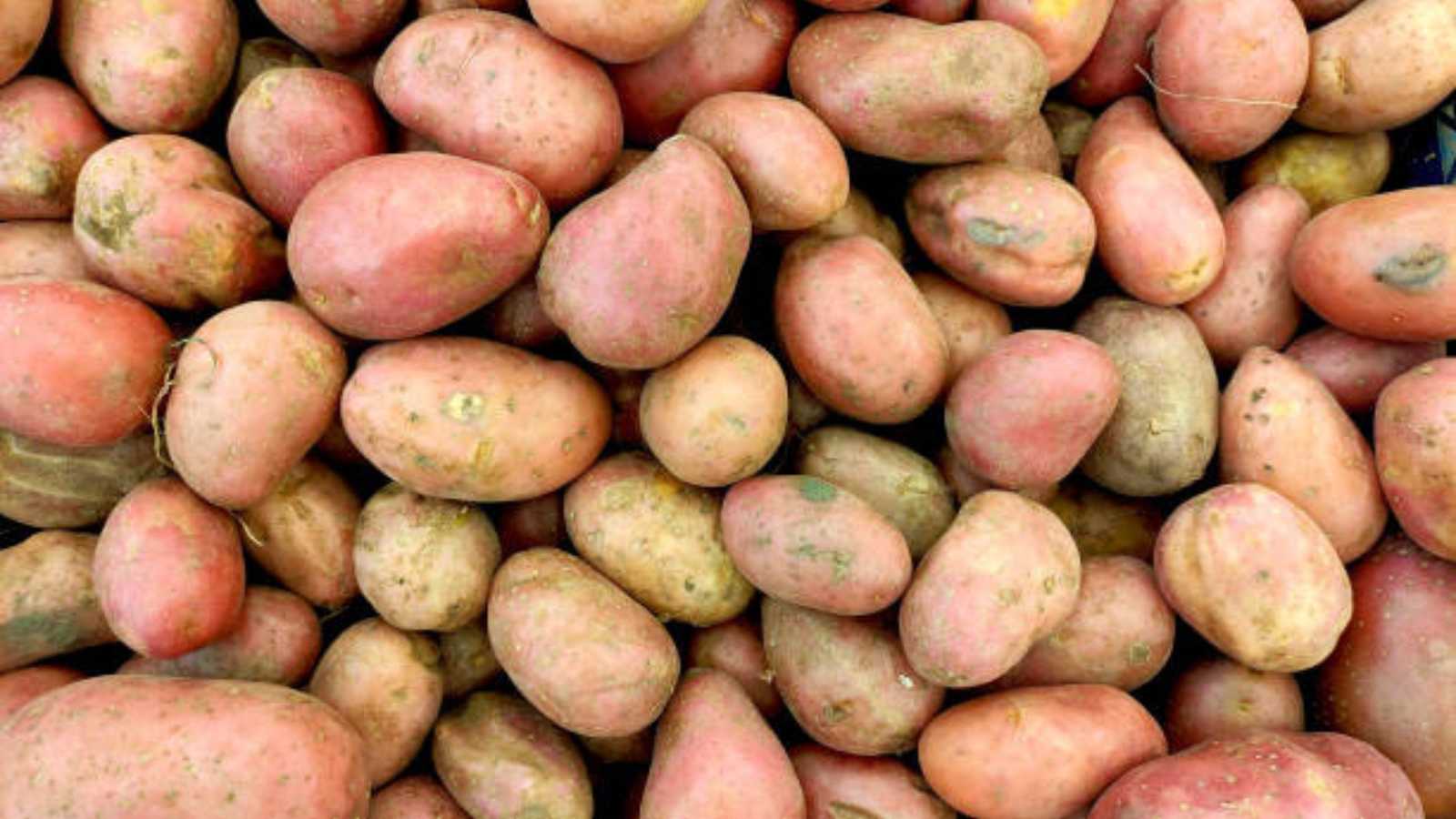
Potatoes have spent decades on the diet blacklist, but top nutritionists say it’s time to welcome this nutrient-dense staple back to the dinner table.
Fad diets spent years convincing everyone that carbs are the enemy. Because of that bad rap, plenty of health-conscious shoppers started treating the humble potato like nutritional contraband.
Registered dietitians say that fear is completely misguided. In reality, research shows whole potatoes can boost energy, improve digestion, and even support a healthy waistline. As registered dietitian Rebecca Ditkoff explains, carbohydrates serve as the body’s primary fuel source. Cutting them out entirely often deprives the body of essential micronutrients and dietary fiber.
Why Potatoes Got Such a Bad Reputation
Decades of anti-carb hype unfairly lumped whole, natural spuds into the same category as ultra-processed junk foods.
Popular low-carb movements often warn that potatoes trigger sharp blood sugar spikes and quick weight gain. That myth spread quickly through diet books and social media wellness trends.
Early observational studies fueled the confusion by linking potato intake with gradual weight gain. But those studies had a massive blind spot. They lumped plain boiled or baked potatoes into the exact same category as fast-food French fries and greasy potato chips. A fresh, skin-on baked potato differs greatly from a bag of deep-fried chips loaded with trans fats. Blaming the potato for the deep fryer’s consequences just isn’t fair.
Related: The Surprising Superfoods That Boost Energy annd Mood
The Weight Loss Truth That Surprised Researchers
Clinical trials reveal that people can eat potatoes regularly and still lose weight when dishes are prepared with wholesome ingredients.
A landmark study published in the Journal of the American College of Nutrition tested what happens when people eat potatoes while watching their calories. Participants ate five to seven servings of potatoes each week following healthy recipes. The result? They lost weight just as effectively as those on potato-free plans.
Whole potatoes work so well because they are roughly 77 to 79 percent water. At about 80 calories per 100 grams, they fill the stomach without adding excess calories. Successful weight management relies on an overall calorie deficit, not on cutting out whole root vegetables. Cooked simply, potatoes actually make healthy calorie control much easier to sustain.
Packed With Nutrients Most People Miss
Beneath that earthy peel lies an impressive payload of heart-healthy potassium, immune-supporting vitamin C, and cellular antioxidants.
Many shoppers assume white potatoes offer nothing more than empty starch. Modern nutrient analysis proves the opposite. A medium baked potato packs more potassium than an average banana, supporting healthy blood pressure and fluid balance. It also provides substantial vitamin C, a protective antioxidant.
Precision Nutrition adviser Ryan Andrews notes that zinc is essential for immune defense. A single potato supplies about 1 milligram of zinc, meeting roughly 9 percent of daily needs, along with iron and vitamin B6.
Variety adds even more nutritional punch. A review in Plant, Soil and Environment reported that red-skinned and purple potatoes have two to three times the antioxidant capacity of white potatoes due to plant pigments called anthocyanins. Leaving the peel on keeps those benefits intact. The skin contains the bulk of the potato’s dietary fiber and mineral stores.
The Satiety Secret That Beats Bread and Steak
Groundbreaking appetite research found that plain boiled potatoes curb hunger better than any other common food tested.
Managing hunger between meals is the biggest challenge for busy professionals trying to eat well. That is why the Holt Satiety Index remains a cornerstone of appetite research. Researchers at the University of Sydney fed participants 240-calorie portions of 38 common foods and tracked how full they felt over two hours. Boiled potatoes crushed the competition, scoring an unmatched 323 on the index. That makes them more than three times as filling as standard white bread.
Boiled potatoes proved more satiating than brown rice, oatmeal, and even lean beef. Their high water volume and natural proteinase inhibitors trigger fullness hormones that tell the brain you are satisfied.
The Cold Trick That Supercharges Resistant Starch
Chilling cooked potatoes transforms their starches into gut-nourishing prebiotics that help blunt blood sugar spikes.
For anyone tracking glycemic responses, temperature makes a noticeable difference. Allowing boiled potatoes to cool in the fridge triggers a natural molecular shift called retrogradation. Nutrition writer Cynthia Sass emphasizes that resistant starch delivers powerful digestive and metabolic perks. Cooling causes starch molecules to crystallize, preventing them from breaking down into glucose in the small intestine. This helps prevent sudden blood sugar surges.
Once it reaches the colon, beneficial bacteria ferment this resistant starch into short-chain fatty acids like butyrate. That means cold potato salads actually nourish your microbiome and support gut wall integrity.
How Cooking Methods Make or Break the Spud

Preparation styles dictate whether potatoes serve as a high-potency superfood or an unhealthy calorie trap.
Potatoes act as a culinary sponge. How you cook them determines their ultimate health impact. A study in the American Journal of Clinical Nutrition found that eating fried potatoes twice a week or more doubled mortality risk. But eating un-fried, boiled, or baked potatoes showed no link to increased mortality risk. Frying bathes the potato in heavy fats, high heat, and excess sodium.
Loading baked potatoes with heaps of butter, sour cream, and bacon bits can instantly turn a 150-calorie root vegetable into a 700-calorie dish. Swapping those out for Greek yogurt, fresh salsa, or olive oil and rosemary keeps things light and heart-friendly.
The Final Spud Verdict
Whole, unpeeled potatoes are an economical, nutrient-rich powerhouse that provide lasting fullness and clean energy when prepared simply.
Carbohydrates from whole plant foods do not need to be feared. Keeping the skins on, choosing baking or boiling, and skipping the deep fryer turns the potato into an everyday wellness champion.
Potatoes curb runaway hunger, provide vital electrolytes, and feed the gut microbiome without draining your wallet. It is time to leave outdated food guilt behind and welcome spuds back to the menu.
How do you usually prepare potatoes at home, and how has your view on eating carbohydrates evolved over time?
More Articles You Might Like: