A topping can make a meal better, until it becomes the only thing anyone can taste.
That is why certain food add-ons inspire such strong opinions. The issue is not always the ingredient itself. More often, it is intensity: too much salt, too much heat, too much sweetness, too much creaminess, or a flavor so strong that it overwhelms everything underneath.
Food preferences are personal, but they’re shaped by more than taste alone. Research on taste perception and food liking shows that people experience flavors differently based on factors including sensory perception, genetics, environment, and past exposure.
That is why one person can consider a heavy drizzle of ranch the perfect finishing touch while another feels it covers the entire meal. The same goes for truffle oil, hot sauce, and other high-impact additions.
The dividing line is often not whether an ingredient belongs on the plate, but whether it leaves room for the food beneath it to taste like itself.
Truffle Oil Can Turn a Finishing Touch Into the Whole Meal
A little truffle oil can make fries, pasta, risotto, or eggs feel restaurant-worthy. Its earthy aroma is the reason many people love it.
But aroma is powerful. A small amount of a strong-smelling ingredient can quickly become the first thing a diner notices.
For fans, that bold character is the appeal. For critics, the problem is that the truffle flavor leaves little room for the other ingredients.
A delicate pasta dish, for example, may be built around the balance of noodles, sauce, cheese, and seasoning. Too much truffle oil can shift that balance until every bite tastes the same.
Use it better: Treat truffle oil as a finishing touch, not the main event. Start with a few drops, then taste before adding more.
Miracle Whip Changes the Flavor Expectation of Familiar Foods
Miracle Whip is a classic example of a food that inspires loyalty and dislike at the same time.
For some people, its sweet, tangy flavor connects to family recipes, sandwiches, and holiday dishes. For others, that same sweetness makes it feel completely different from a traditional mayonnaise-based spread.
The disagreement often comes down to expectation.
People develop mental ideas of how familiar foods should taste. When a dish suddenly becomes sweeter, sharper, or more intense than expected, the reaction can be stronger than the ingredient alone would suggest.
Food researchers have found that familiarity and previous experience play a role in food preferences, helping explain why one person’s comfort food can be another person’s deal-breaker.
Use it better: When serving a group, keep strong spreads optional so everyone can choose the flavor they want.
Related: 9 Bizarre 1960s Food Trends That Deserve to Stay Buried
Too Much Salt Can Flatten Every Other Flavor
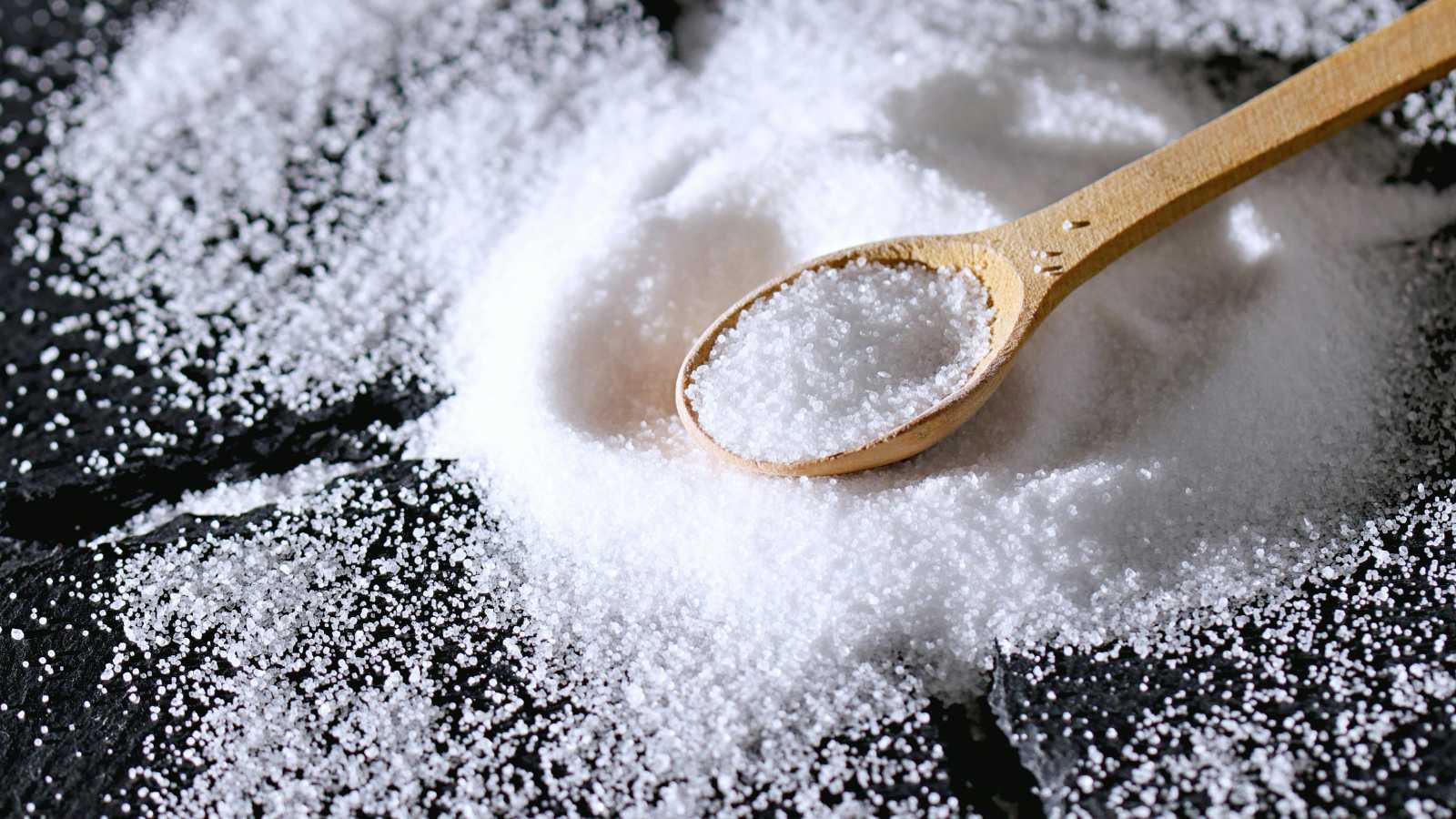
Salt can make food taste brighter and more complete. Used carefully, it helps bring out other flavors.
But too much salt can make a meal feel one-dimensional, with every bite dominated by the same sharp note.
Salt is also different from the other items on this list because it has a broader nutrition context. The CDC reports that Americans consume more than 3,300 milligrams of sodium per day on average, above the federal recommendation of less than 2,300 milligrams per day for people ages 14 and older.
The FDA has also highlighted sodium reduction across packaged and restaurant foods, with voluntary targets covering more than 160 food categories.
That does not mean every salty food is a problem. It means sodium can add up from multiple sources, including sauces, dressings, prepared foods, and seasoning blends.
Use it better: Season gradually, taste as you cook, and let people adjust their own portions when possible.
Ketchup on Steak Creates a Battle Between Flavor and Tradition
Ketchup on steak is one of those food choices that can spark an instant debate.
Supporters enjoy the familiar combination of sweetness, acidity, and moisture. Critics argue that ketchup can cover the savory flavor of a well-seared piece of meat.
The real disagreement is often about what people expect steak to taste like.
A diner expecting the flavor of the meat, seasoning, and seared crust may feel ketchup changes the entire experience. Someone who enjoys ketchup on steak may simply prefer the added sweetness and acidity.
Neither reaction is universal. The topping changes the dish, and that change is exactly what some people enjoy, and others dislike.
Use it better: Serve ketchup on the side instead of adding it before the meal reaches the table.
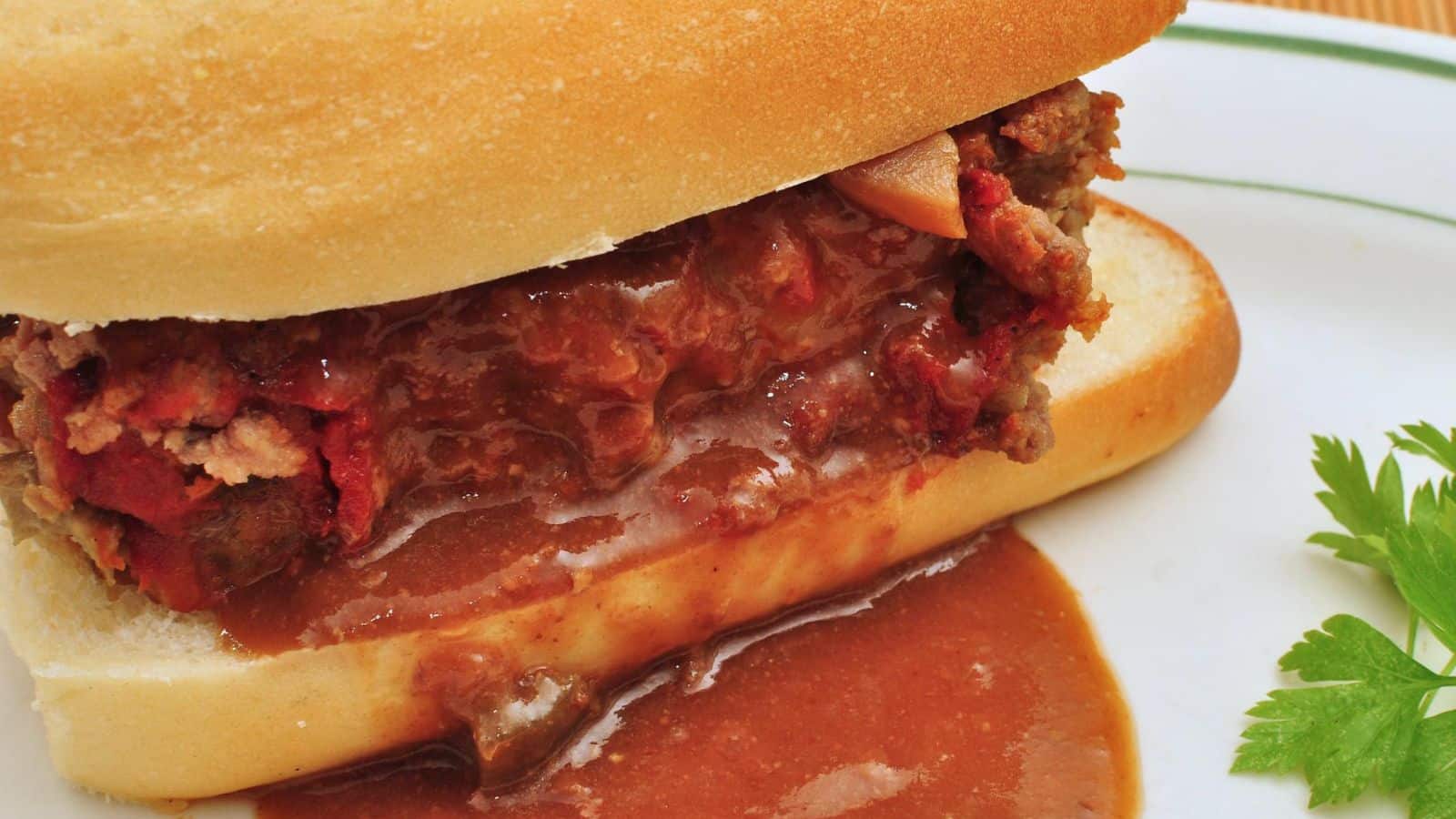
Too Much Sandwich Sauce Can Erase the Best Parts
Sometimes the complaint is not about flavor at all. It’s about texture.
A good sandwich depends on contrast: crisp bread, crunchy vegetables, tender fillings, and creamy spreads working together.
Too much sauce can remove that contrast. Bread becomes soggy, fillings become slippery, and every bite starts to feel the same.
Sensory research shows that food enjoyment is influenced by more than taste alone. Texture, aroma, and the overall eating experience all shape how people perceive a meal.
That is why a sandwich can have all the right ingredients and still feel wrong when one element takes over.
Use it better: Spread sauces lightly, or serve them as a dipping option instead of coating the entire sandwich.
Ranch and Hot Sauce Can Be Perfect, Until They Cover Everything Else
Ranch and hot sauce have devoted fans because they add immediate personality.
Ranch brings creaminess, tang, and herbs. Hot sauce brings acidity, spice, and heat.
The problem starts when the addition becomes stronger than the food underneath.
A pizza already has cheese, sauce, and seasoning. Fries already have their own salty, crispy character. Adding too much ranch can make the entire meal taste like ranch.
Hot sauce creates another interesting difference because heat is not exactly a traditional taste. Capsaicin, the compound responsible for chile pepper heat, activates receptors associated with the sensation of warmth and burning.
That helps explain why spice can be such a personal preference. Some people chase the sensation, while others feel it distracts from the food itself.
Use it better: Put bold toppings on the table and let each person control the intensity.
The Easiest Compromise Is Letting Everyone Customize
The point is not that truffle oil, ketchup, ranch, or hot sauce should disappear from the table.
These ingredients have devoted fans because they can make food more enjoyable. They add familiarity, excitement, and personality to meals.
The challenge is balance.
A strong topping works best when it enhances the dish instead of replacing it. Serving sauces, dressings, and finishing touches separately gives everyone the chance to build the meal they actually want.
There is no universal rule that ketchup cannot go on steak or ranch cannot go on pizza. The more practical question is whether everyone at the table wants the same topping, and how much of it.
Which food add-on do you think is delicious in moderation but takes over a dish when there is too much of it?
More Articles You Might Be Interested In: