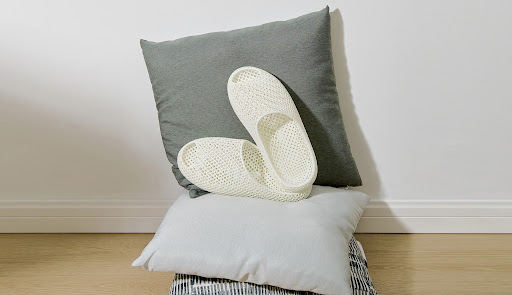
Slides look simple, but everyday comfort depends on more than a soft footbed. The shape under the heel and arch, the flexibility of the platform, airflow, surface texture, and how the upper holds the foot all affect long-term wear. For shoppers exploring newer footwear formats, the best 3D printed slide options use engineered geometry rather than stacked foam layers to shape the feel underfoot. Nexbie’s AeroCloud 3D printed slides are built around this approach, with an open lattice structure designed for cushioning, ventilation, drainage, and casual recovery wear.
What Makes a Slide Comfortable?
A comfortable slide should support a relaxed walking pattern without forcing the toes to grip the footbed. If the upper feels too loose, the foot slides forward and the toes work harder to keep the shoe in place. If the upper is too tight, pressure builds across the top of the foot. The platform also needs enough width to keep the heel and forefoot fully supported.
Footbed Shape
Flat slides often feel fine for short indoor use but less comfortable during longer periods of standing or walking. A contoured footbed offers more contact under the arch and around the heel. The goal is not aggressive arch pressure. A smoother transition from heel to midfoot helps distribute load and keeps the foot from feeling as if it sits on a flat board.
Cushioning
Cushioning matters most when the slide is used after work, after exercise, around the house, or on hard floors. A platform that compresses slightly under load helps reduce the harsh feeling of repeated steps. At the same time, excessive softness often feels unstable. For everyday wear, responsive cushioning usually works better than a deep, collapsing foam feel.
Grip and Stability
Slides naturally offer less upper-foot security than sneakers. The outsole and footbed therefore play a larger role in stability. Look for a textured contact surface and a base wide enough to support the foot. Wet environments add another consideration: water should leave the footbed rather than collect beneath the foot.
How 3D Printing Changes Slide Design
Traditional slides typically combine a molded foam sole with a separate strap. A 3D printed slide uses digital geometry to create support, flex, open space, and visual texture within the same form. Instead of changing only the material formulation, designers change the structure itself.
This matters because a lattice behaves differently from a solid block. Open cells compress and recover under pressure while also allowing air and water to move through the shoe. Cell density, wall thickness, and orientation influence how firm or soft a region feels. The heel area, arch area, and forefoot therefore receive different structural behavior without adding multiple pieces.
AeroCloud as a Practical Example
Nexbie AeroCloud slides use a 3D printed lattice with a contoured, textured footbed. The design targets casual wear at home, poolside use, travel, beach routines, and post-workout recovery. The open structure also supports quick drainage, which suits situations where a padded fabric slide would stay wet.
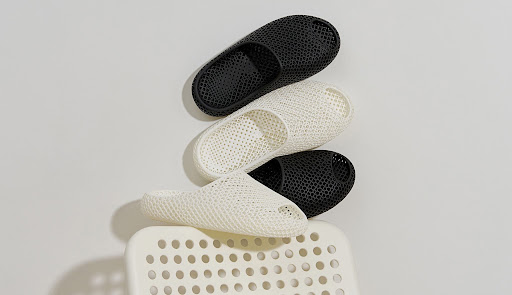
Nexbie also produces 3D printed shoes beyond slides, including sneakers that use similar structural ideas for airflow and cushioning. This broader product range helps show why 3D printing is gaining attention in footwear. The main advantage lies in controlling geometry from one zone to another rather than relying on a single foam density across the whole shoe.
Where 3D Printed Slides Work Best
At Home
Indoor use is one of the strongest use cases. Hard tile, wood, and concrete floors place repeated pressure on the heel and forefoot. A cushioned, contoured platform provides more underfoot comfort than thin flat slippers. Open construction also reduces the stuffy feeling common with padded house shoes.
After Exercise
After training, many people prefer footwear that is easy to put on and gives the foot more room. A slide removes laces and enclosed uppers while still offering cushioning. A textured footbed also gives a different sensory feel than a flat foam surface. People with injuries or persistent pain should choose footwear based on professional advice rather than treating recovery slides as medical equipment.
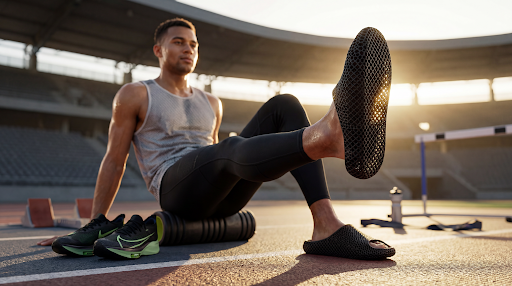
Pool, Beach, and Travel
Water-friendly footwear needs drainage and fast drying. Open lattice designs handle both well because water moves through the structure rather than soaking into fabric. For travel, the easy on-off format suits hotel rooms, showers, short errands, and casual walking. The main tradeoff is that slides still offer less foot security than closed shoes on uneven ground.
Possible Downsides
3D printed slides are not ideal for every situation. The open structure might collect small stones, sand, or debris depending on the pattern. A sculpted look also attracts more attention than a plain foam slide, which will not suit every wardrobe. Fit remains important, since a slide without the right length or upper tension will not feel comfortable regardless of manufacturing method.
Price also tends to sit above basic mass-market slides because 3D printed footwear uses different production equipment and design workflows. The value decision depends on whether the shopper cares about geometry-driven cushioning, drainage, airflow, and a distinctive appearance enough to pay for those features.
How to Choose a Pair
Check length first, then make sure the heel and forefoot sit fully on the platform. Walk on both hard and smooth flooring if possible. Notice whether your toes grip the footbed, whether the upper creates pressure, and whether the heel feels stable. For wet use, inspect drainage openings and outsole texture. For long indoor wear, prioritize cushioning and contour.
Conclusion
3D printed slides suit everyday wear when the fit, cushioning, contour, and grip match the user’s routine. Their main difference from traditional slides comes from the use of engineered lattice geometry, which supports airflow, drainage, and zoned compression in one structure. Nexbie AeroCloud slides show how this approach fits home use, travel, recovery routines, poolside wear, and other casual settings. They do not replace secure closed footwear for demanding terrain, but for relaxed daily use they offer a practical alternative to standard foam slides.