Happy Picture Book Month! Colby Sharp and I teamed up to create a 2026 Mock Caldecott list.
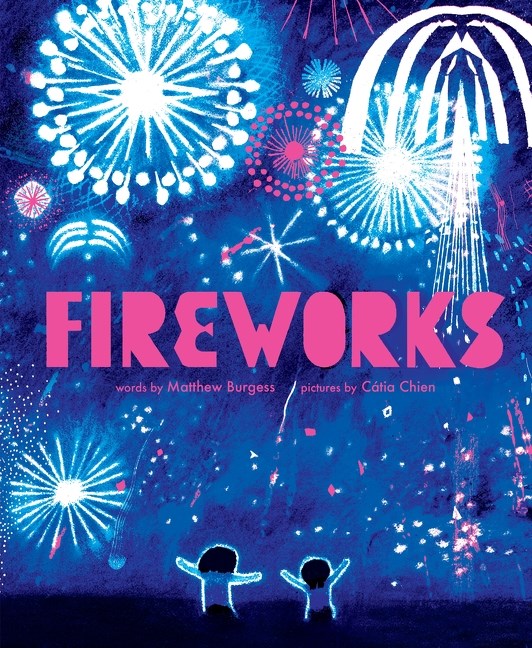
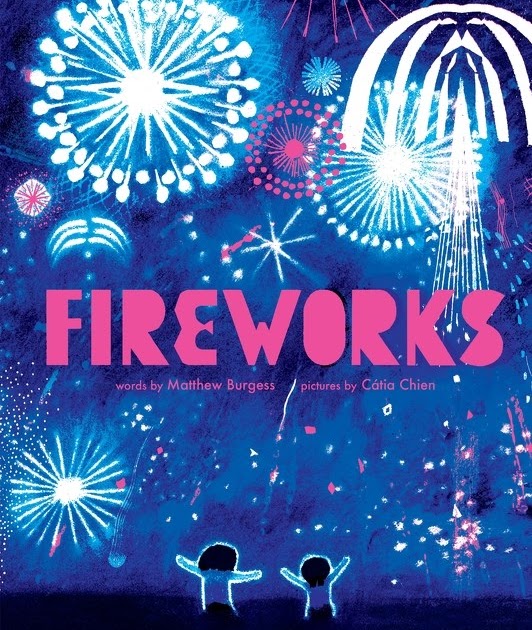
Fireworks | Illustrations by
Cátia Chien | Words by Matthew Burgess
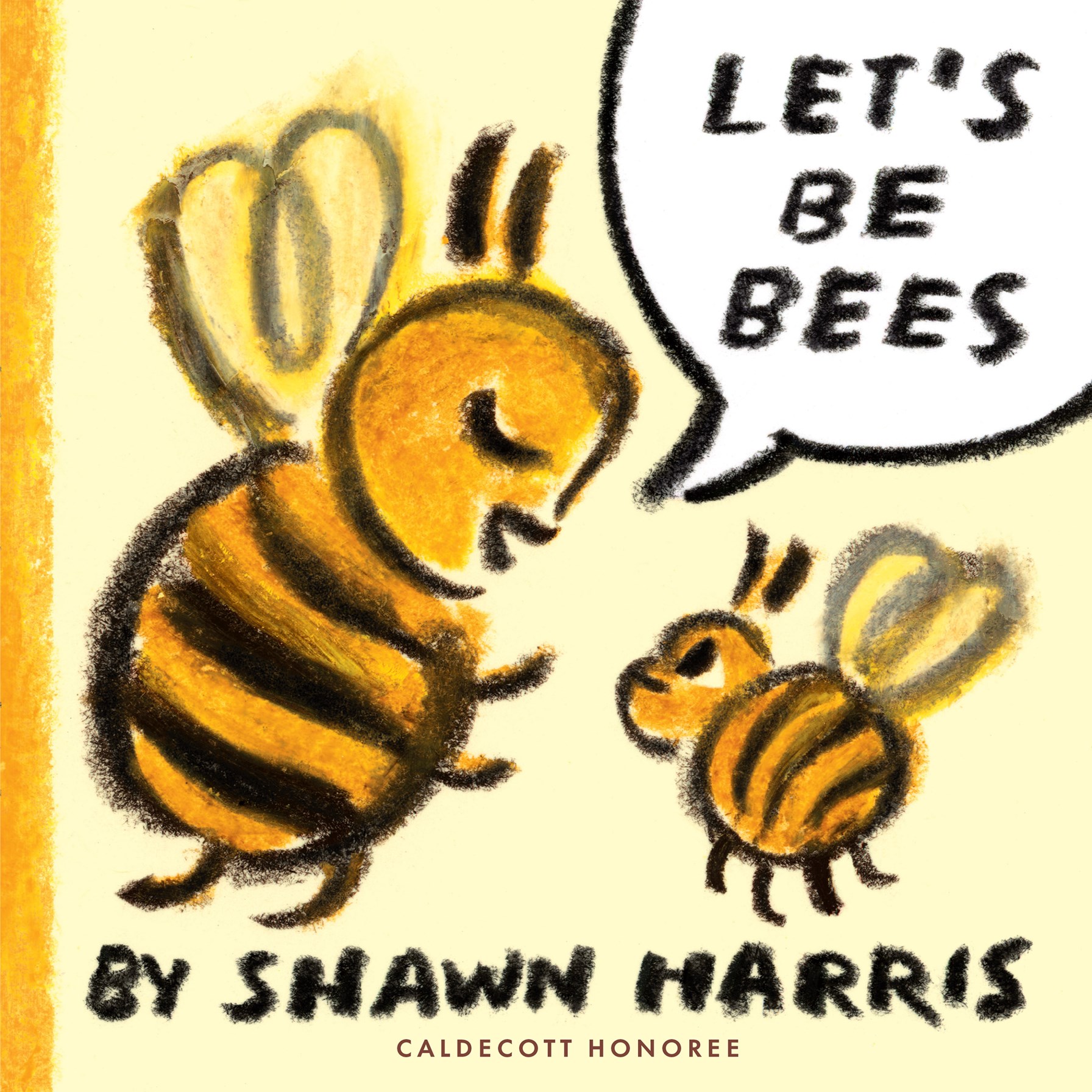
fancy tools at all. In fact, most kids are already better artists than adults I know. I’m sure I have more to learn from them than they do from me.” —Shawn Harris | Full interview HERE.
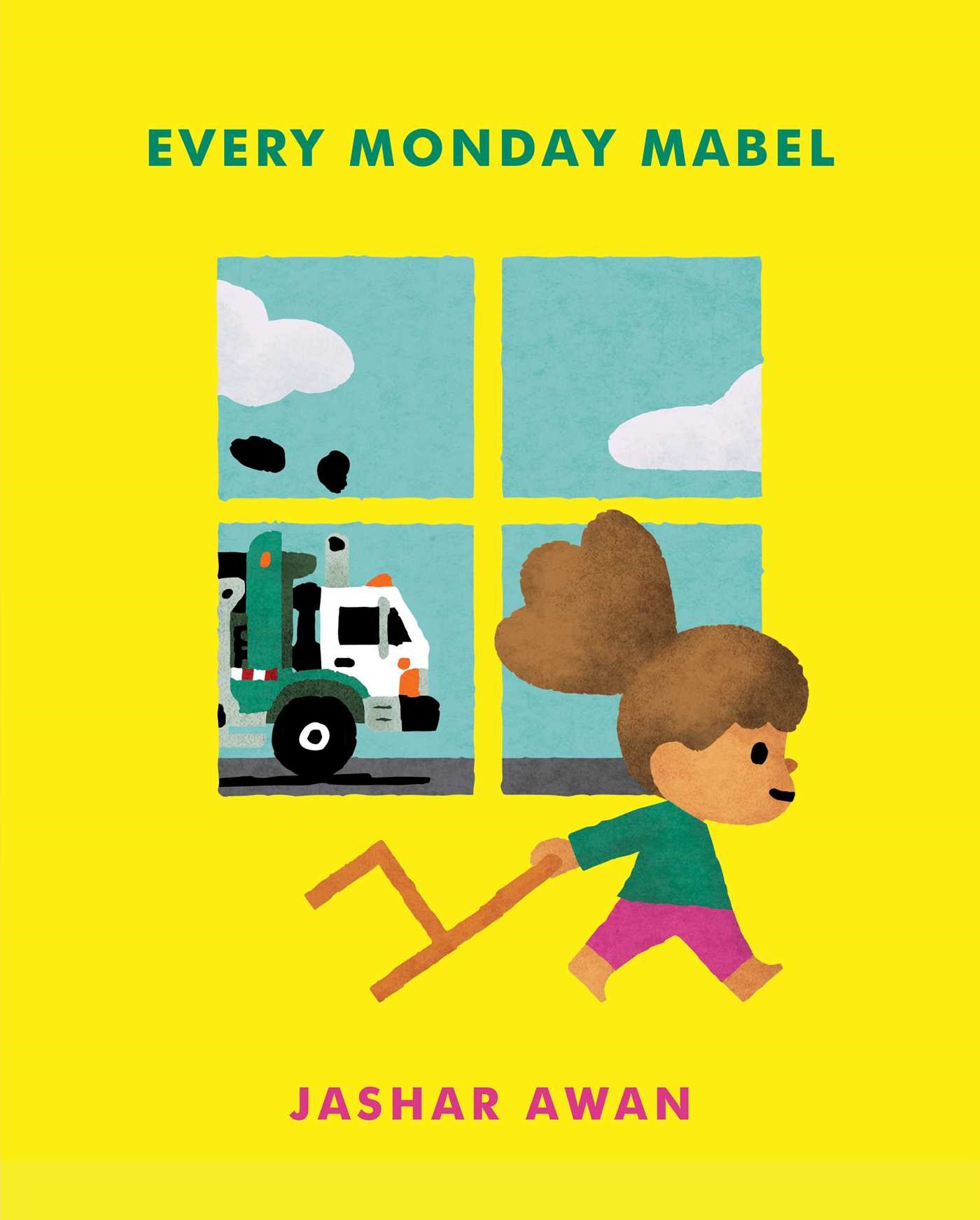
Every Monday Mabel | Illustrations and words by Jashar Awan
“Despite a popular bit of advice, books are often judged based on that first impression they make with the reader. This is even more true with a medium as visual as the picture book.” —Jashar Awan
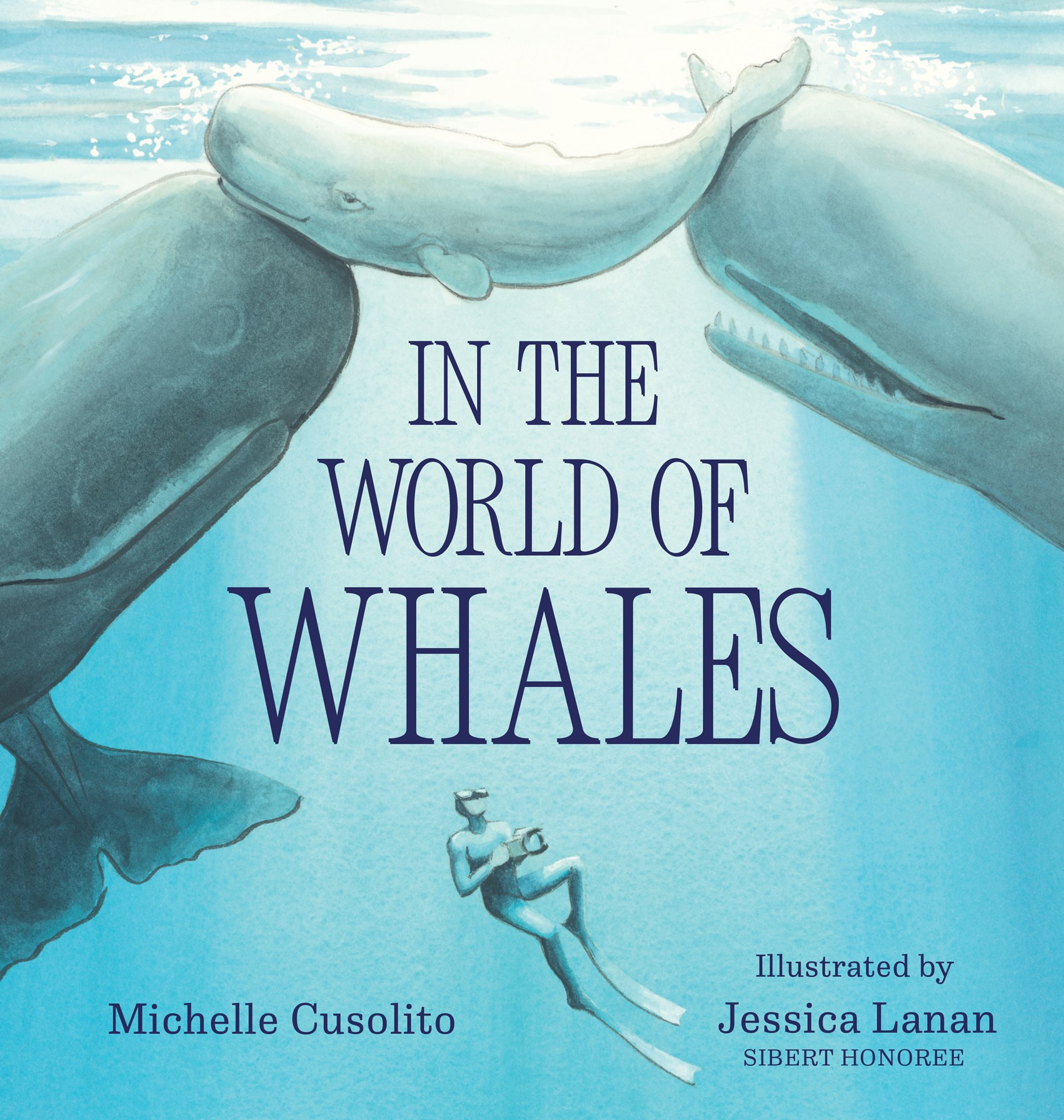
In the World of Whales | Illustrations by Jessica Lanan | Words by Michelle Cusolito
“Illustration is fascinating because you have so many tools to convey emotion through design choices, including composition, color, perspective, and pacing. I think with enough skill, an artist can invite their audience to emotionally connect with pretty much anything. I relied heavily on composition in this book to achieve the emotional tone, because I’ve always rejected the idea that an animal needs to look and act just like a human to be relatable. Anyone with a pet knows that animals have their own ways of showing us how they feel.” —Jessica Lanan
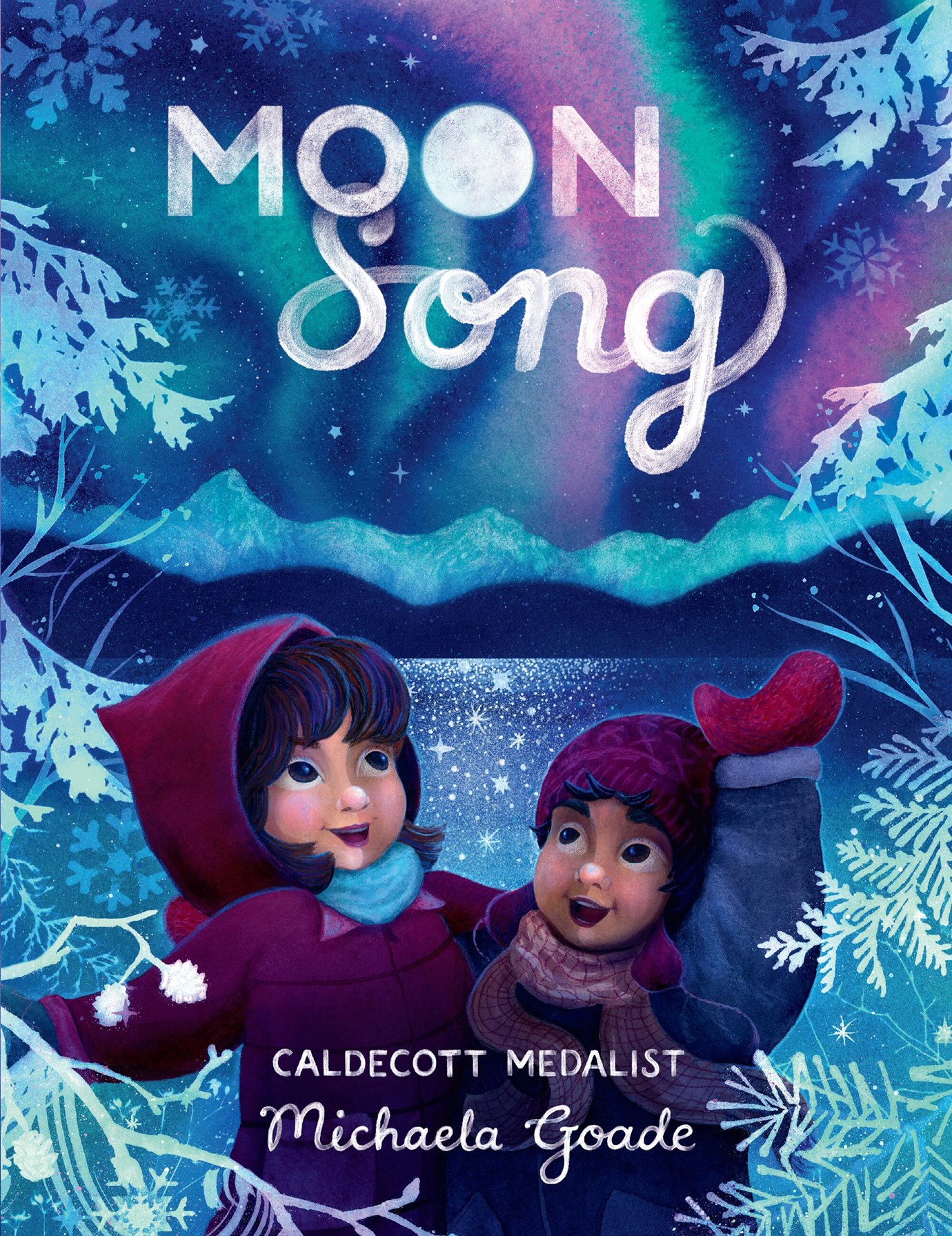
Moon Song | Illustrations and words by Michaela Goade
“Moon Song is an exquisite picture book about seeing darkness and wintry nights in a new light.”—Booklist, starred review
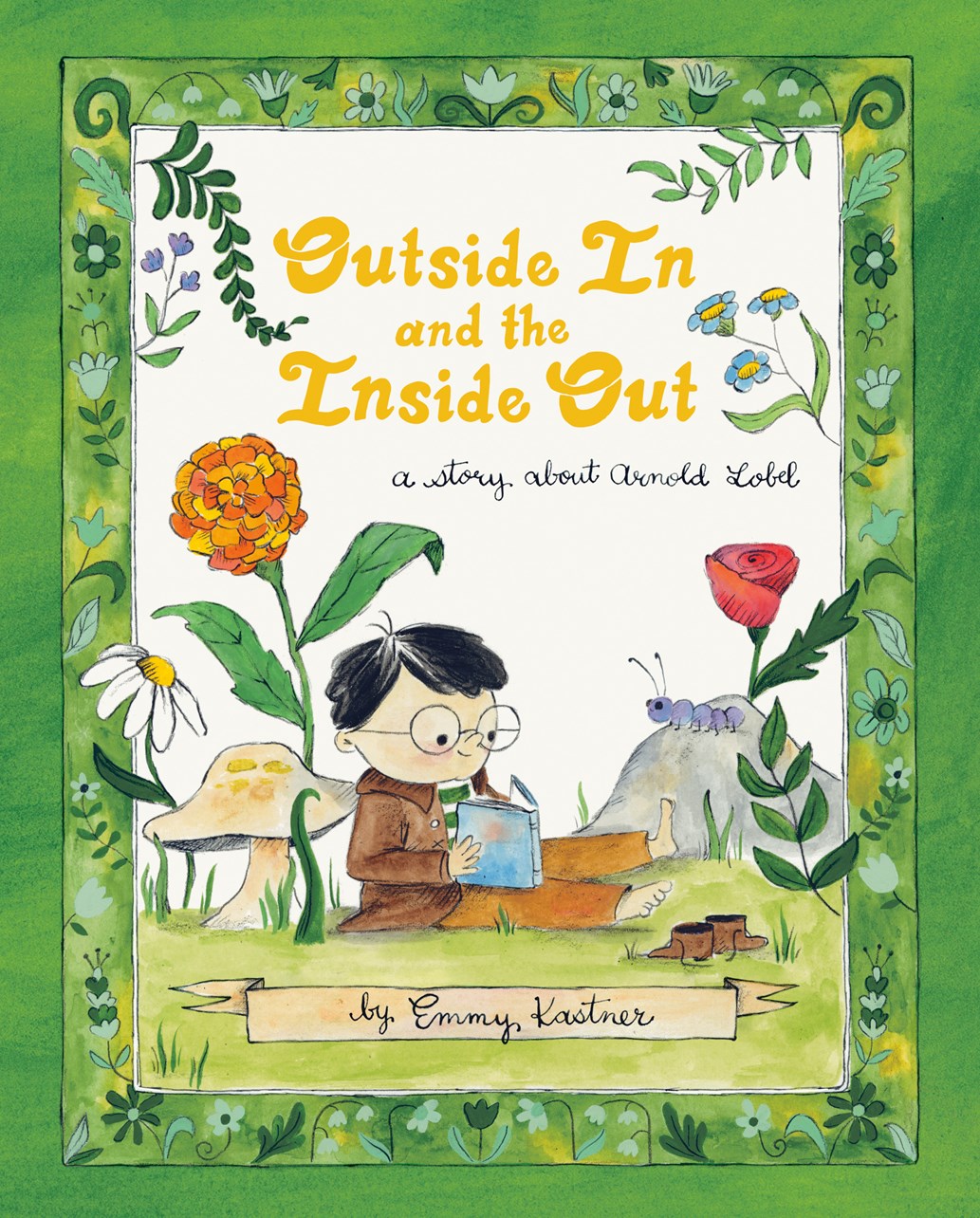
Outside In and the Inside Out: A Story About Arnold Lobel | Illustrations and words by Emmy Kastner
“It was when I was reading a biography of Lobel by George Shannon when themes of the outside/inside began to coalesce into a picture book concept in my head. (Although I did dismiss it as a possibility for quite some time, a literal frog showed up on a tennis court and I yielded to writing that picture book I couldn’t shake!)” —Emmy Kastner
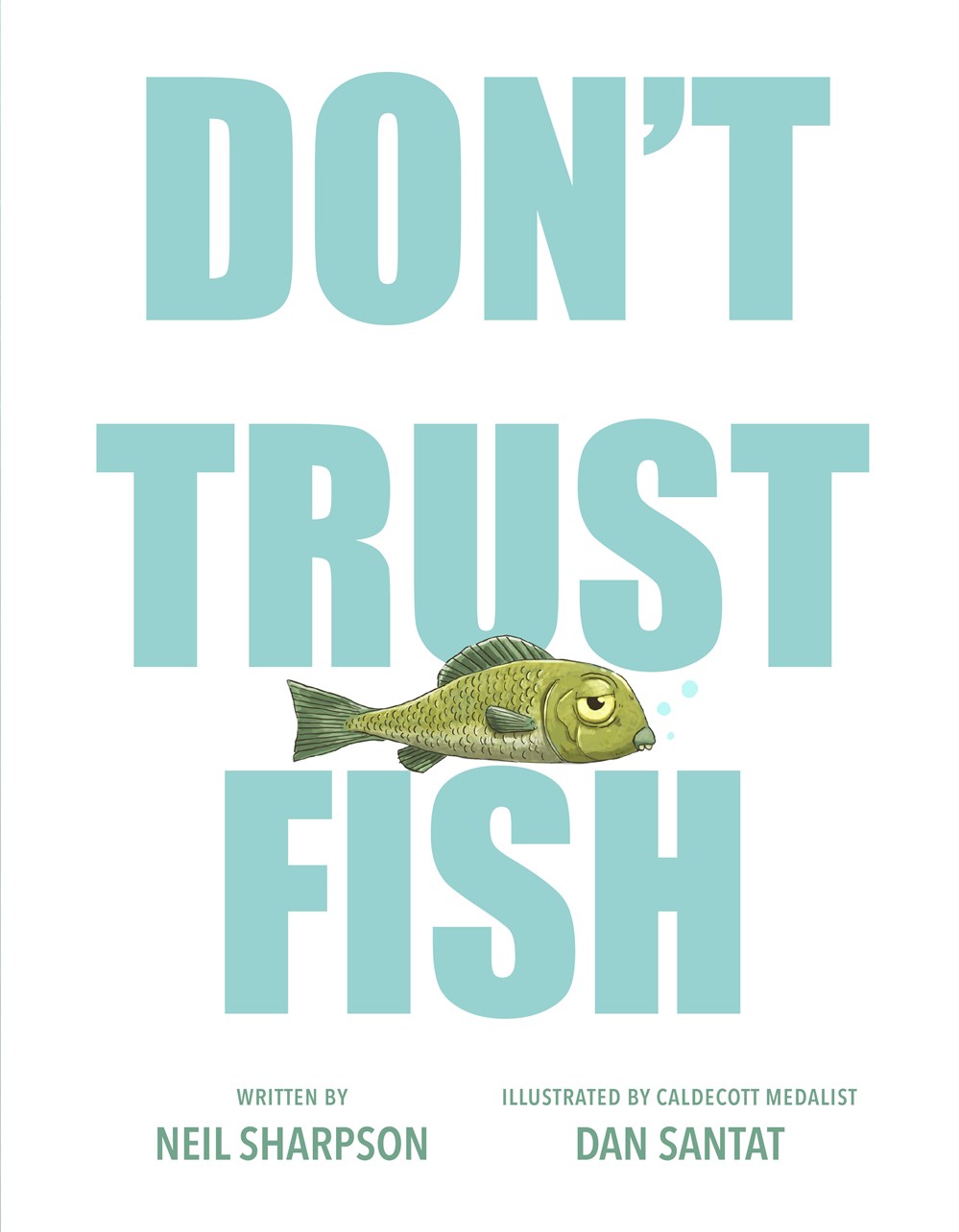
Don’t Trust Fish | Illustrations by Dan Santat | Words by Neil Sharpson
“Sharpson and Santat’s co-creation is a symbiotic marvel.” —Shelf Awareness, starred review
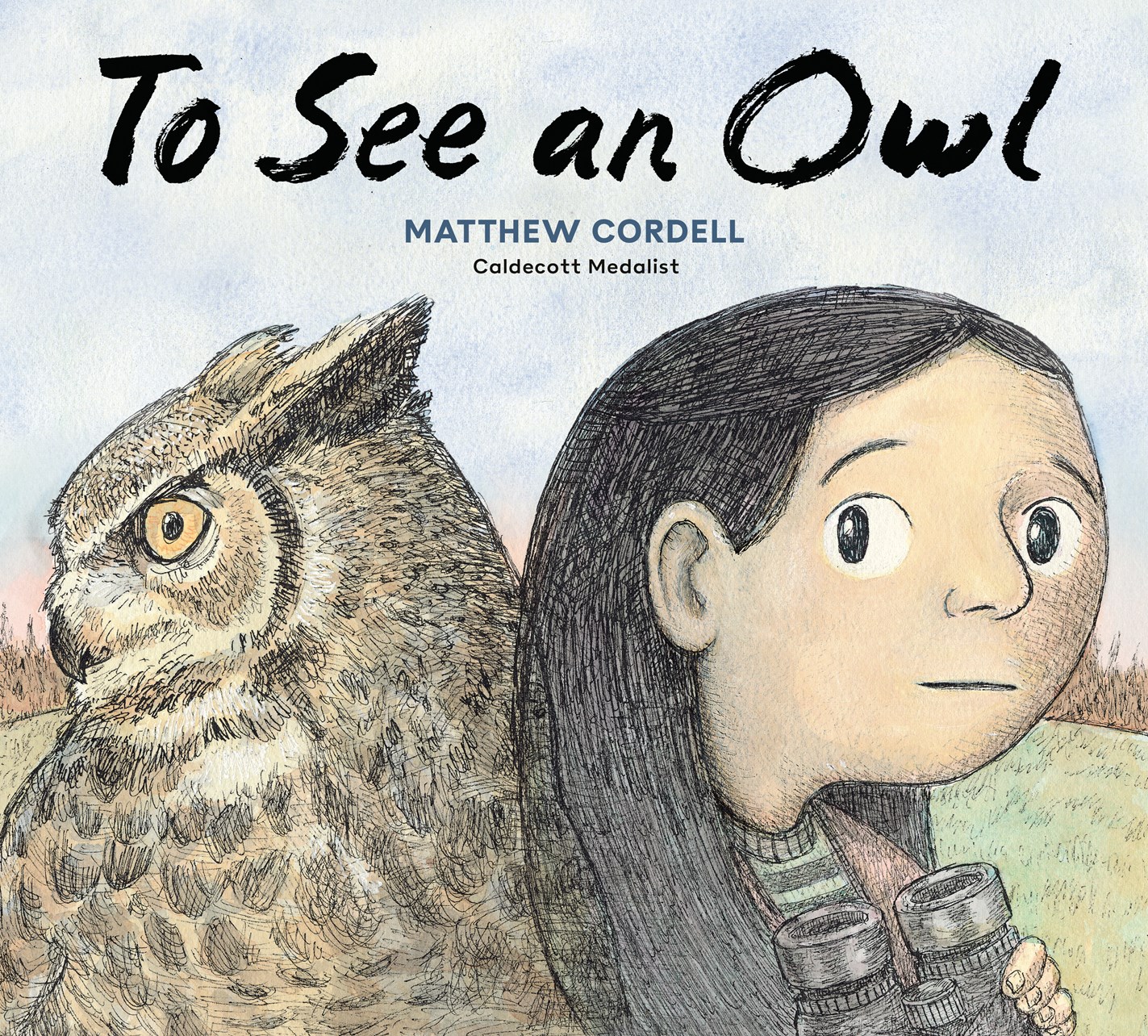
To See an Owl | Illustrations and words by Matthew Cordell
“I do bird in general, but the thing I most obsess over are owls and different species of owls. And when I do see owls, sometimes it happens in just the blink of an eye. Like it’ll just fly up to this tree and perch on a branch preening for about thirty seconds and then it flies off and hides somewhere else and I know what a blessing it was for me to have looked in that spot at just the right time.” —Matthew Cordell
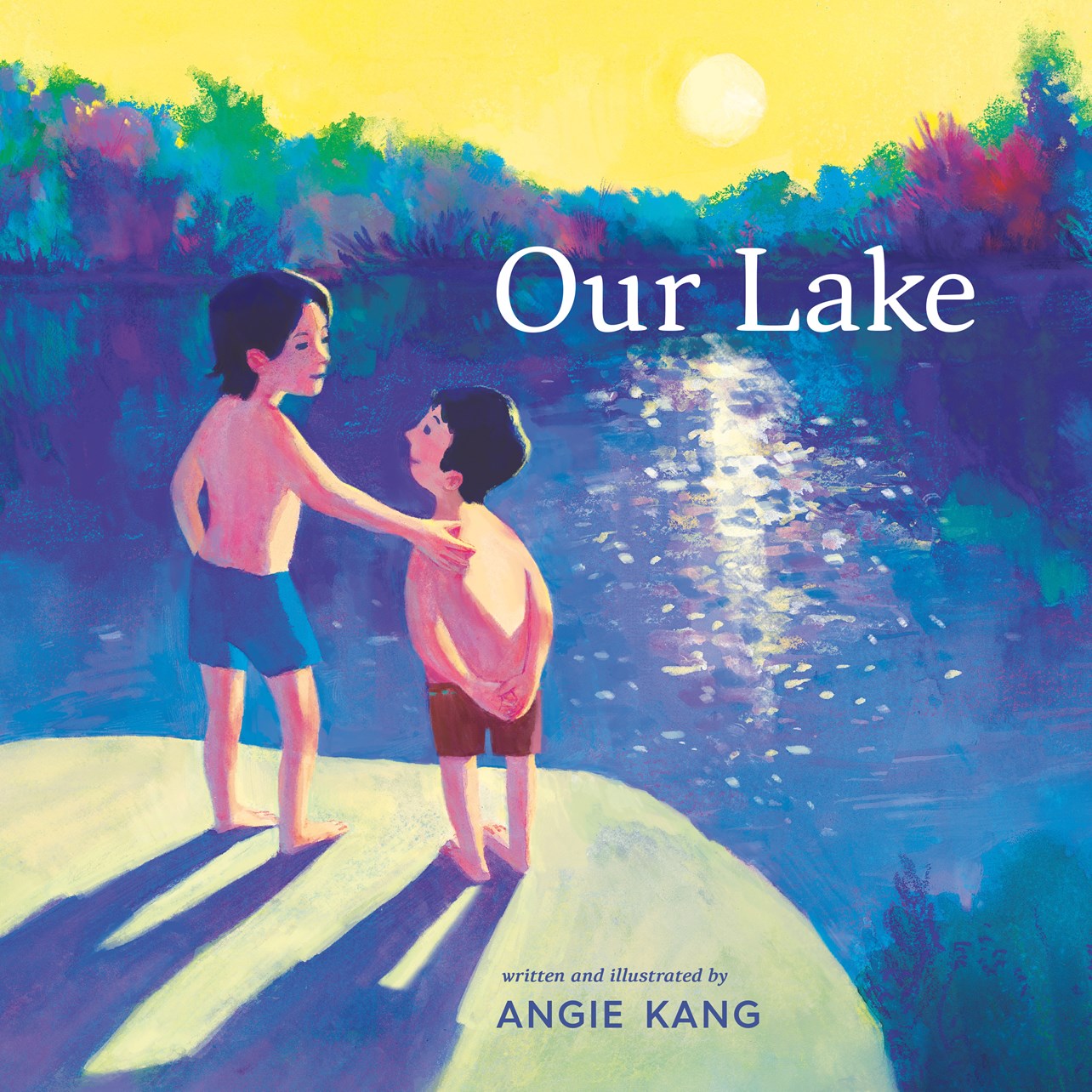
Our Lake | Illustrations and words by Angie Kang
“I used gouache, Caran D’ache crayon, and Prismacolor colored pencil for this book, which is what I typically use for other illustrations. I like having a mess of supplies all laid out in front of me so I can grab whatever I need at the moment. I also appreciate the texture of drawing utensils and how crayon in particular can melt into the paint. Gouache in particular is so portable, versatile, and dependable. These days, it’s my favorite medium to work in.” —Angie Kang
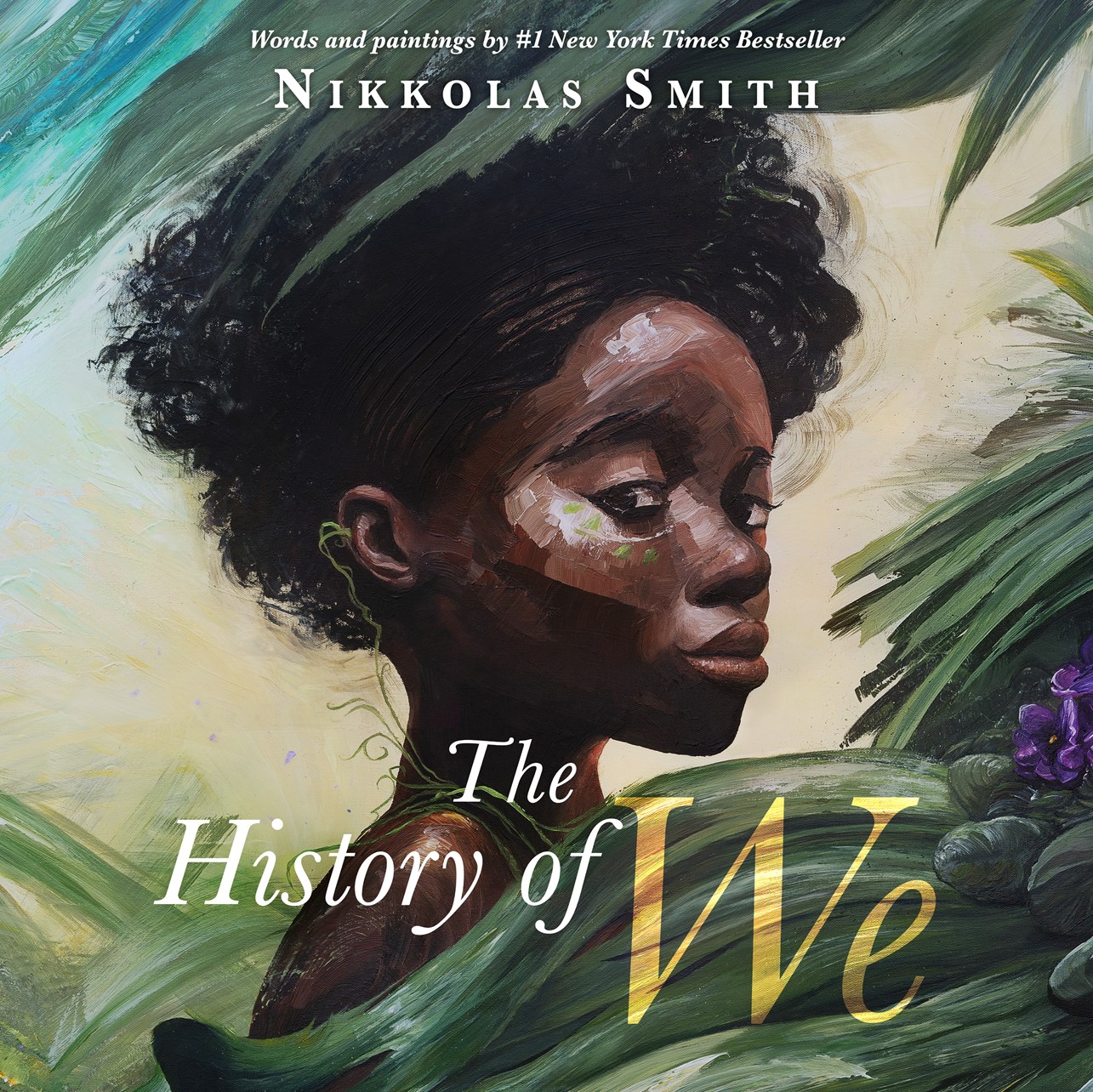
The History of We | Illustrations and words by Nikkolas Smith
“There are so many paintings from The History of We that I love, from the explorers, to the astronomers. My absolute favorite might be the cover of the book, featuring my interpretation of humanity’s oldest known modern human ancestor, whom I refer to as Queen Mother or MAWA.” —Nikkolas Smith
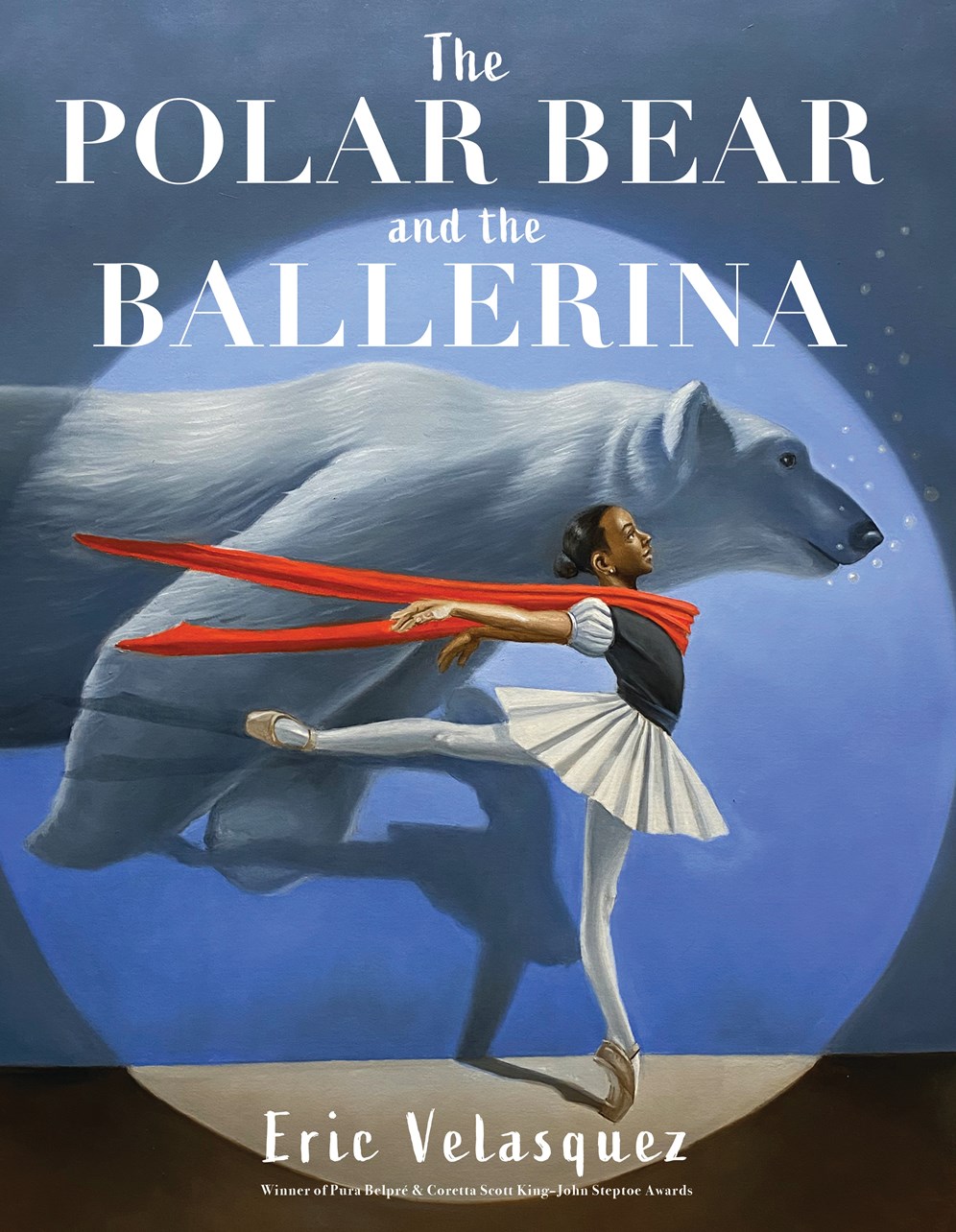
The Polar Bear and the Ballerina | Illustrations by Eric Velasquez
“A lushly rendered wordless picture book from Velasquez . . . Thickly stroked art invokes a strong sense of place, employing instantly recognizable landmarks alongside comically melodramatic bystanders.” —Publishers Weekly (starred review)
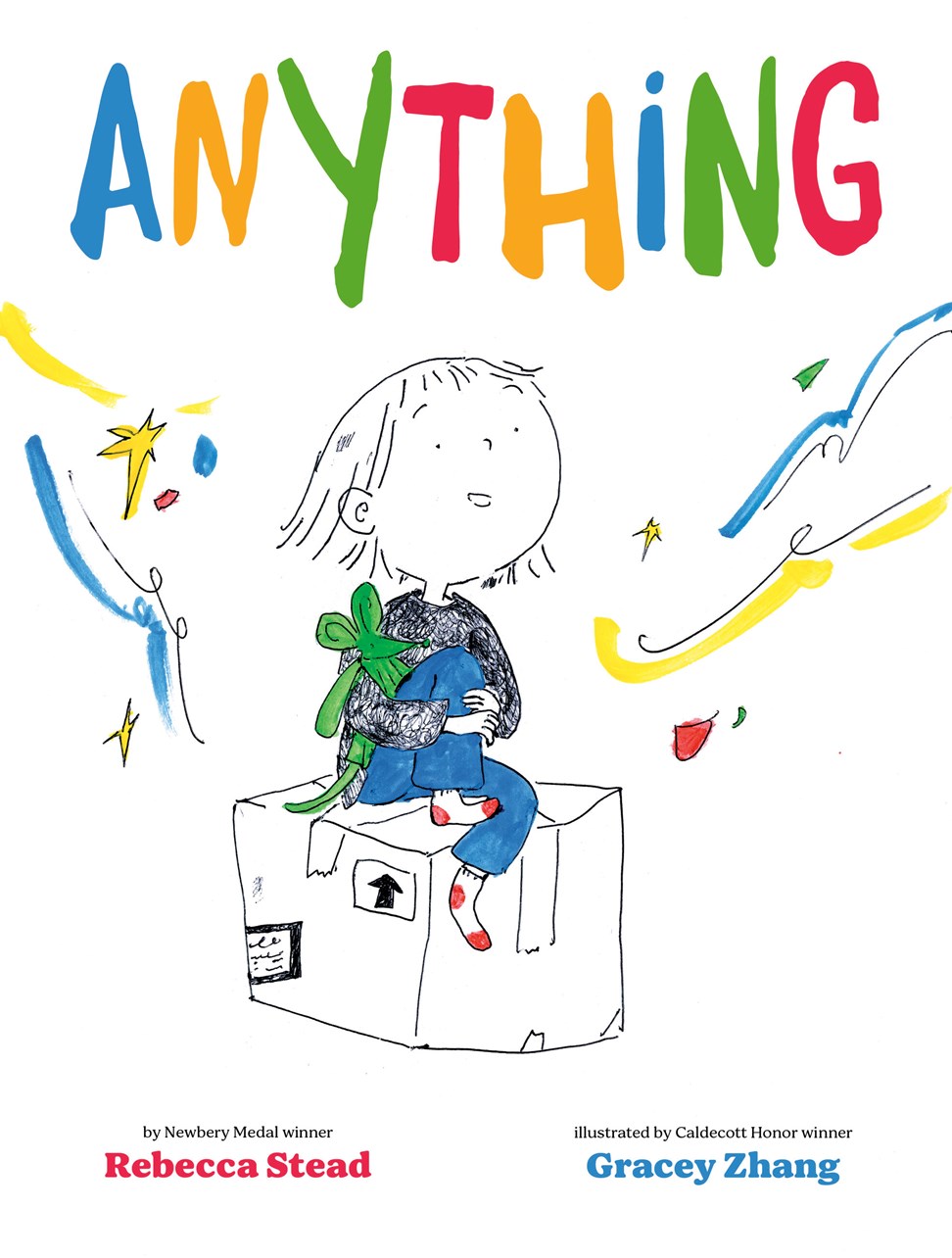
Anything | Illustrations by Gracey Zhang | Words by Rebecca Stead
“Anything’s cover is full of possibilities of wishes.” —Gracey Zhang
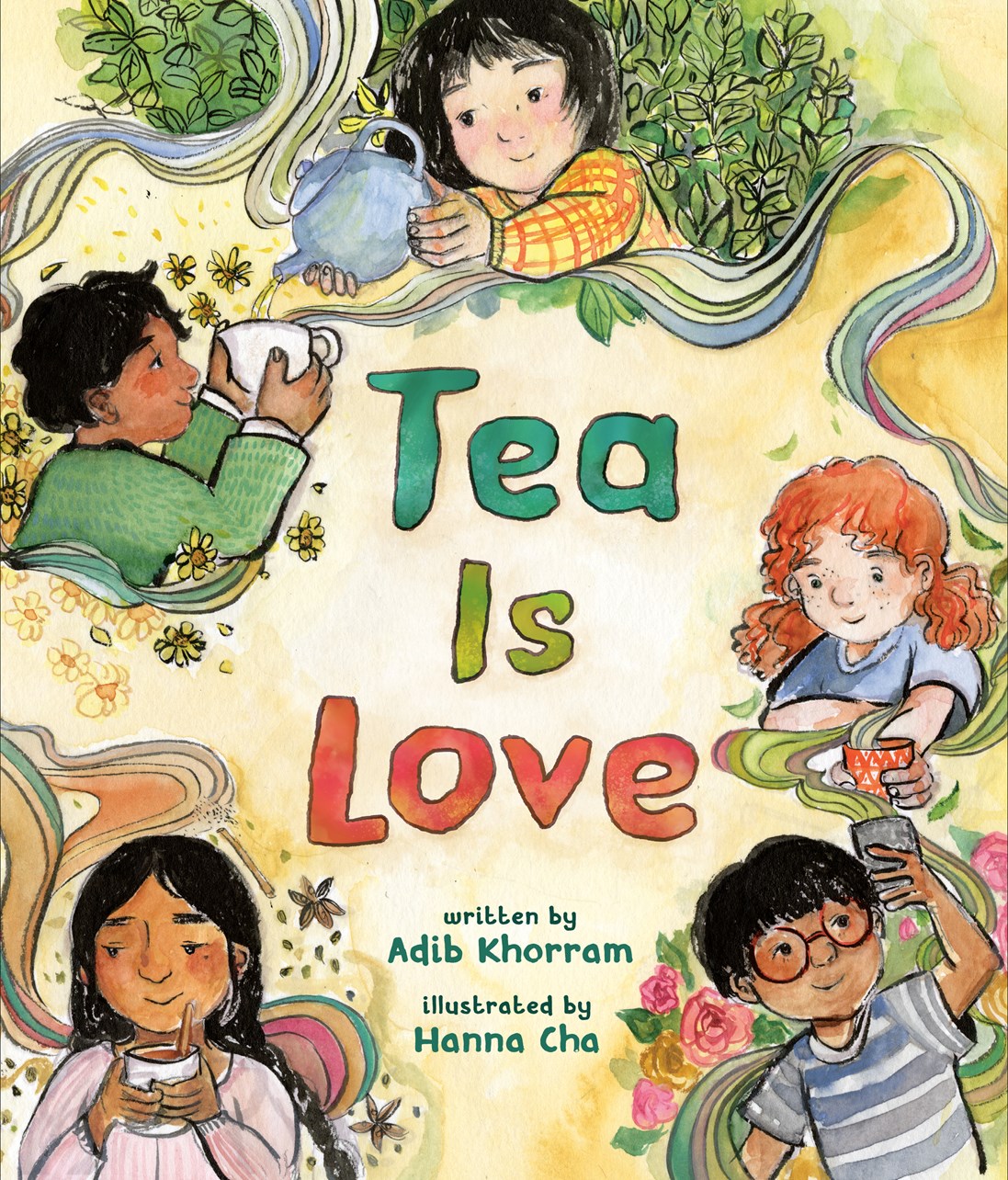
Tea Is Love | Illustrations by Hanna Cha | Words by Adib Khorram
“Tea is a bookmark. I find myself remembering my time with my family and friends over tea with clarity. Maybe it is because we are sharing the same five senses together over a small ritual but it is like a little quiet bookmark of memories for me.” —Hanna Cha
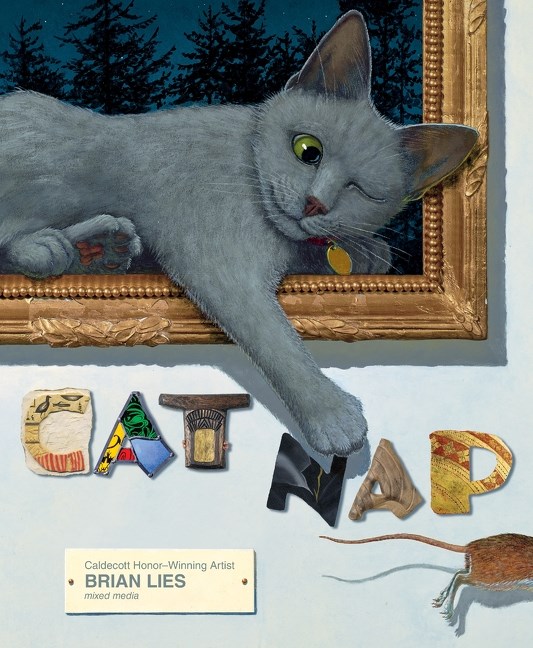
“I went back and forth on how I would choose the artworks to emulate. I was thinking of the Museum of Fine Arts in Boston, where I went every day at lunchtime when I was in art school. And then I went back to my childhood reading and From the Mixed-Up Files of Mrs. Basil E. Frankweiler by E.L. Konigsburg—that was one of my favorite books as a kid, and I thought let’s take a field trip to the Met.” —Brian Lies
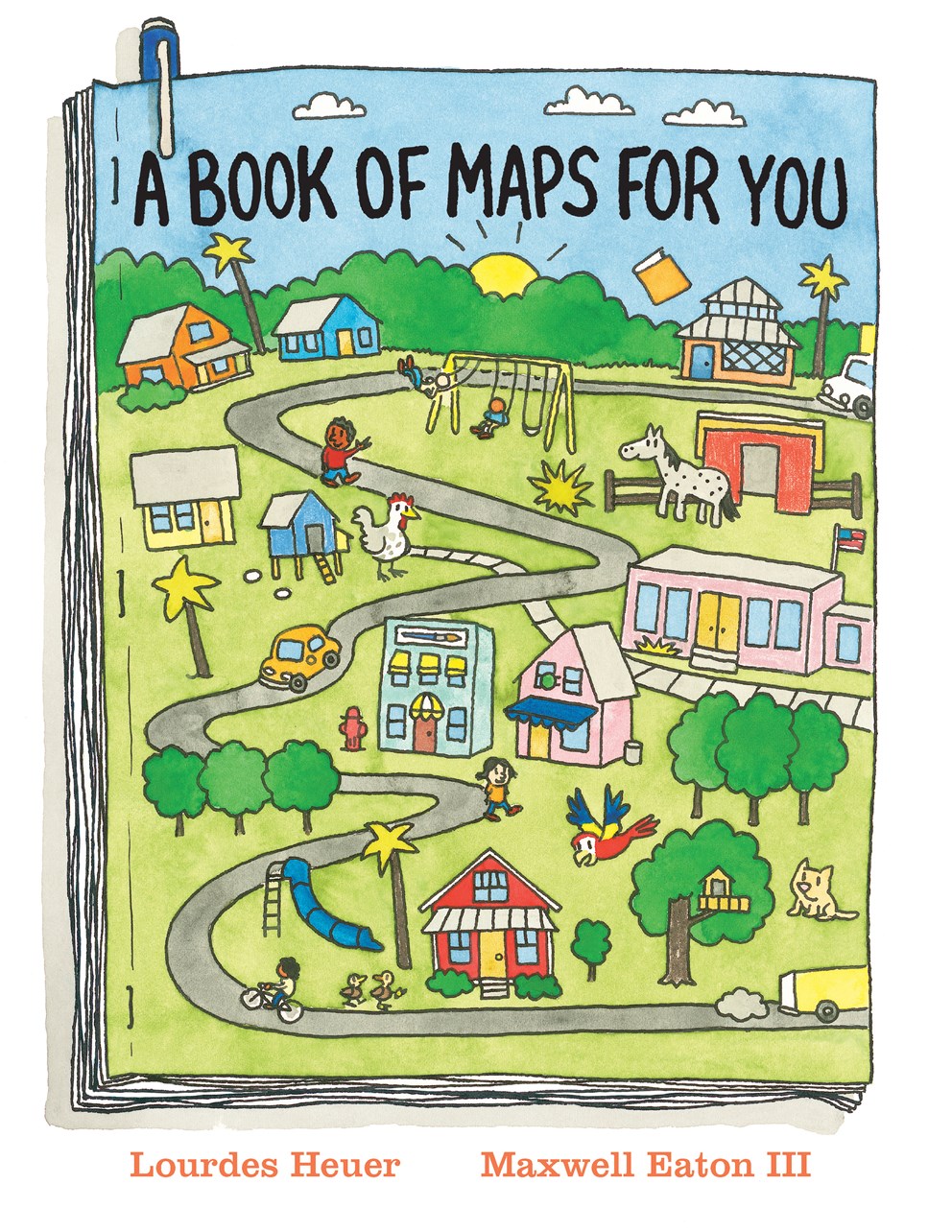
A Book of Maps For You | Illustrations by Maxwell Eaton III | Words by Lourdes Heuer
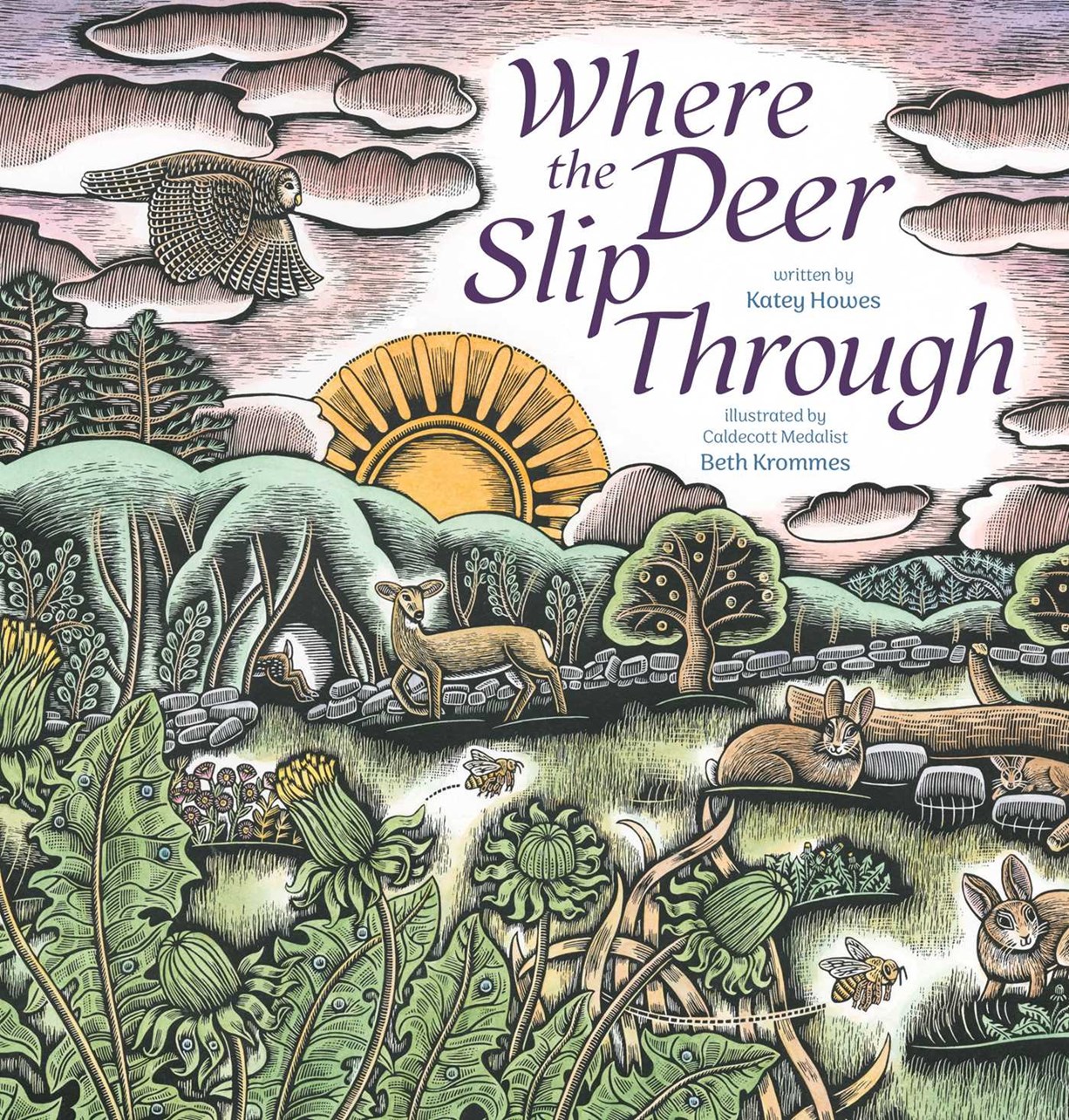
Where the Deer Slip Through | Illustrations by Beth Krommes | Words by Katey Howes
“Striking scratchboard spreads show a farm surrounded by rolling hills and dense woods as Caldecott Medalist Krommes uses her signature medium . . . to create atmospheric illustrations that pulse with dramatic contrast. — Publishers Weekly, STARRED REVIEW
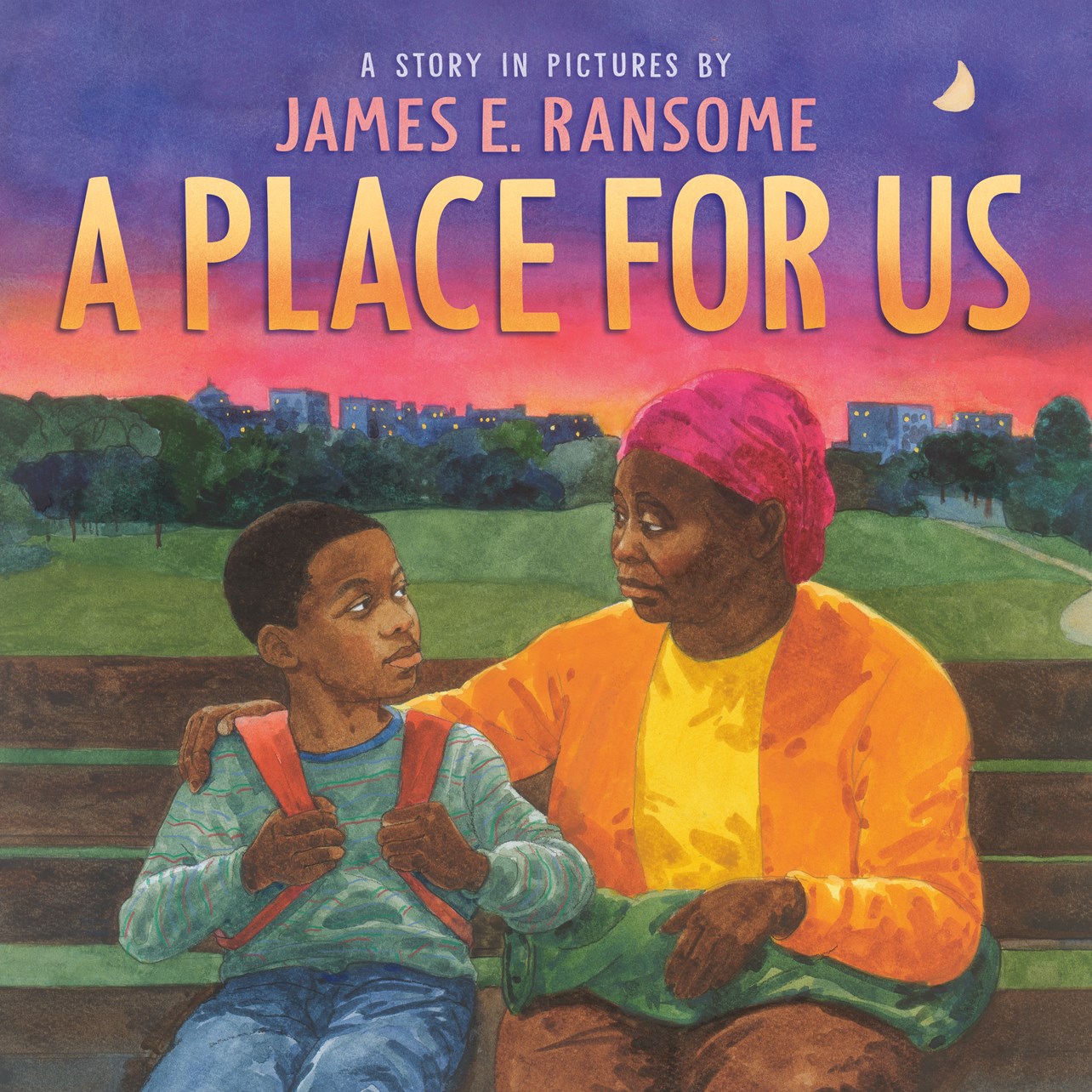
A Place for Us | Illustrations by James E. Ransome
“I want readers to [engage] with the book and have a discussion afterwards. I want them to think that there’s probably someone in their class who may not be going to a house that evening, and to bring that conversation up and consider solutions. But the premise behind the book was this idea that homeless people don’t only live on the street or in shelters, but sometimes they are our classmates, and they could be sleeping in their car that night or they could be sleeping at an uncle’s house. They could be sleeping in a train station, and their mother and father could be working hard every day. They just can’t afford to pay for housing.” —James E. Ransome
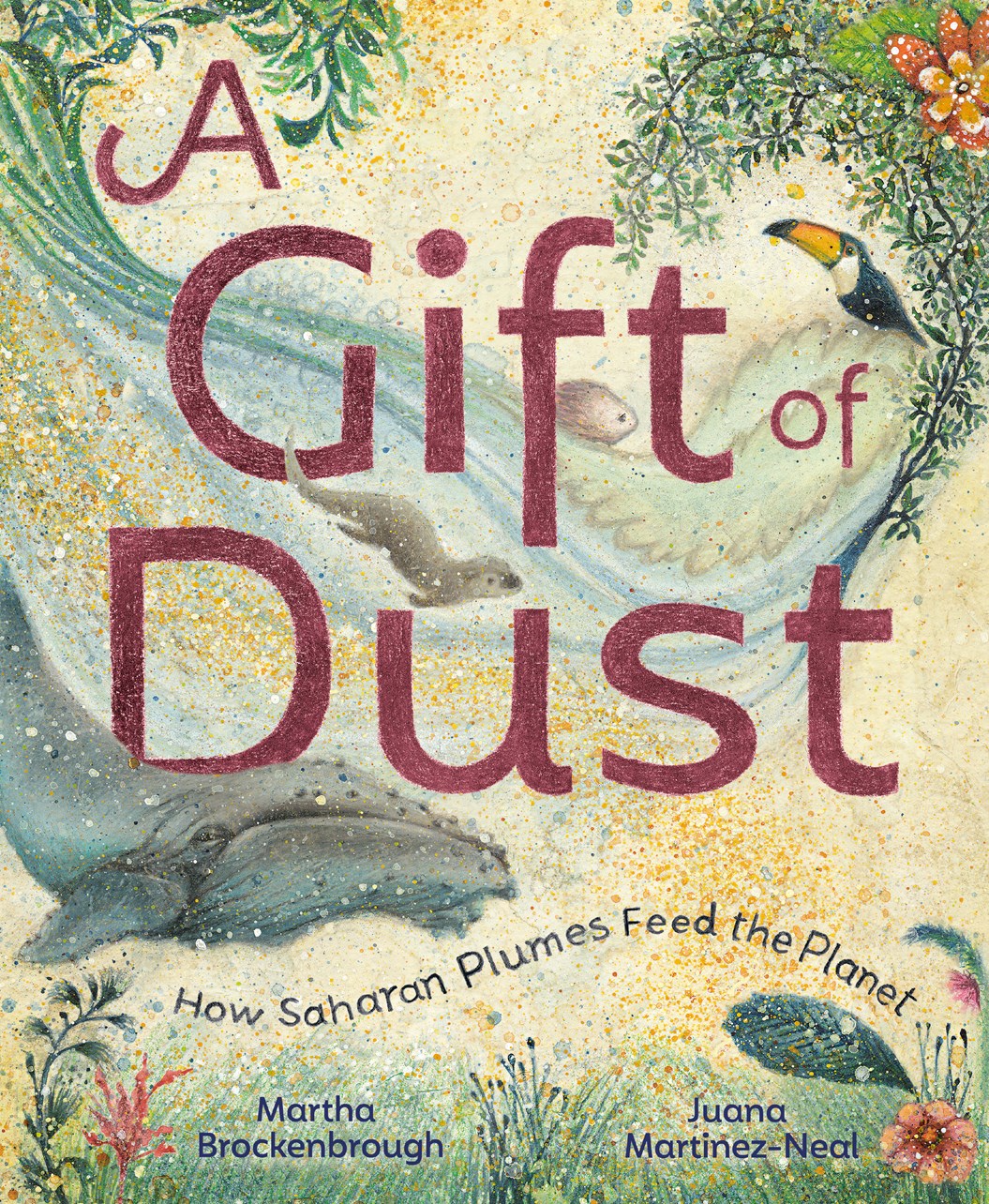
A Gift of Dust: How Saharan Plumes Feed the Planet | Illustrations by Juana Martinez-Neal | Words by Martha Brockenbrough
“This illuminating book brings an often-overlooked natural phenomenon to life….A beautiful blend of text and drawings shows the cycle of life through dust.” —School Library Journal, starred review
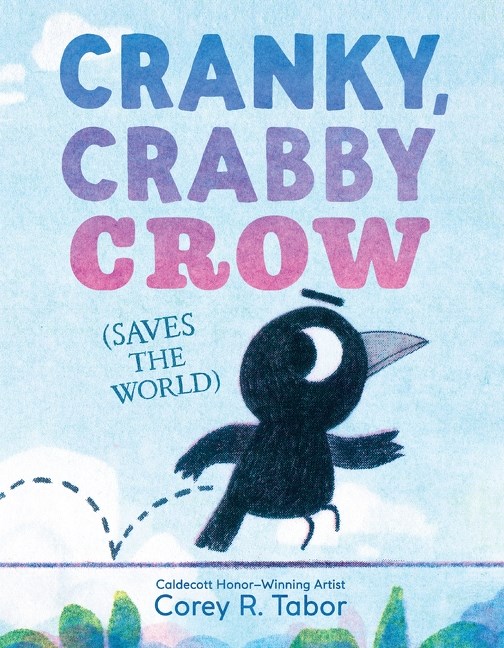
Cranky, Crabby Crow (Saves the World) | Illustrations and words by Corey R. Tabor
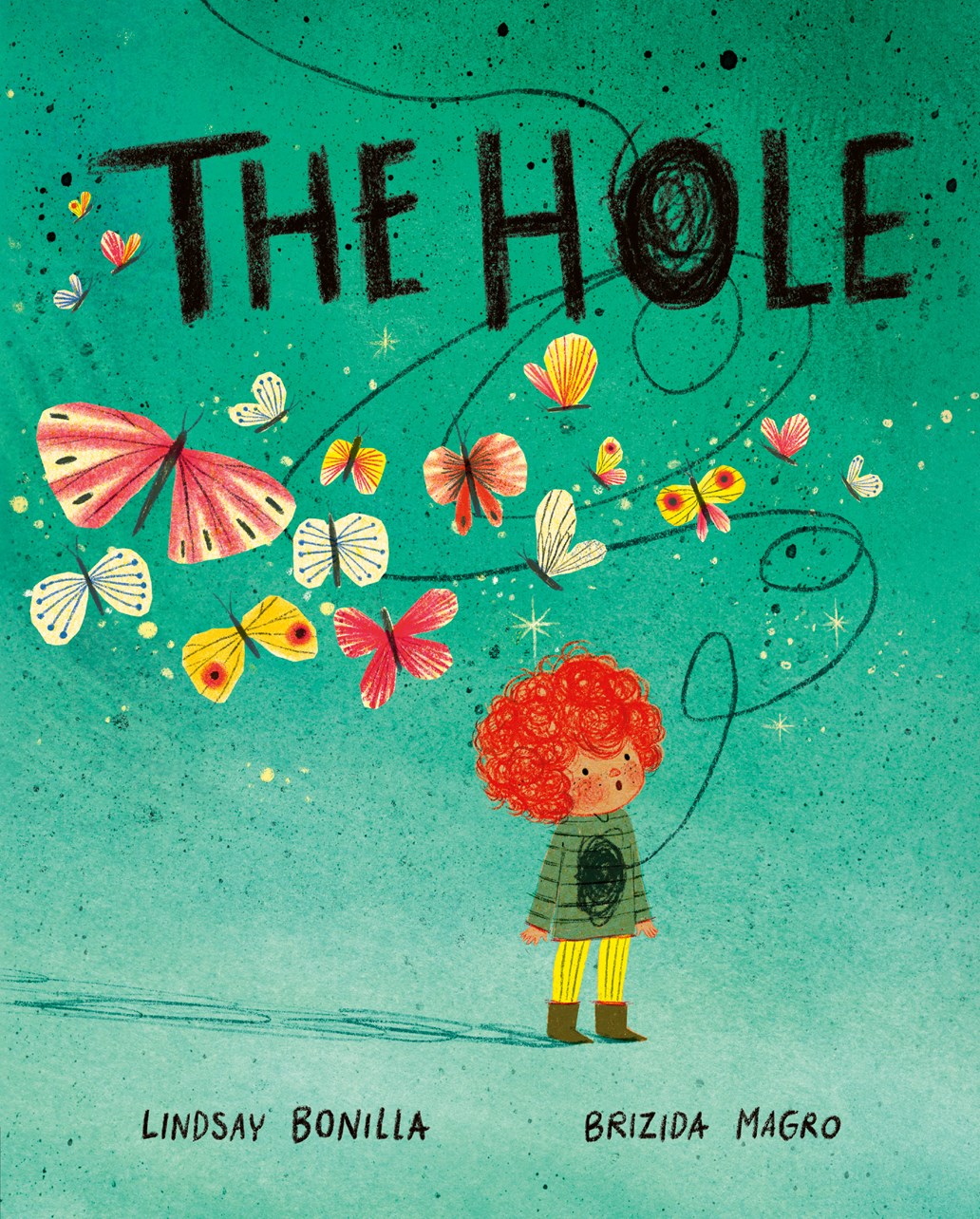
The Hole | Illustrations by Brizida Magro | Words by Lindsay Bonilla
“The hardest part of writing this book was striking the balance between finding hope while being realistic about the pain of grief. I wanted the book to land in a hopeful place without leaving the reader feeling like grief is something that can be ‘overcome’ in the span of a 32-page picture book. So I tried to walk this line of highlighting that there are things that can make you feel better while grieving, but that the hole never magically disappears.” —Lindsay Bonilla
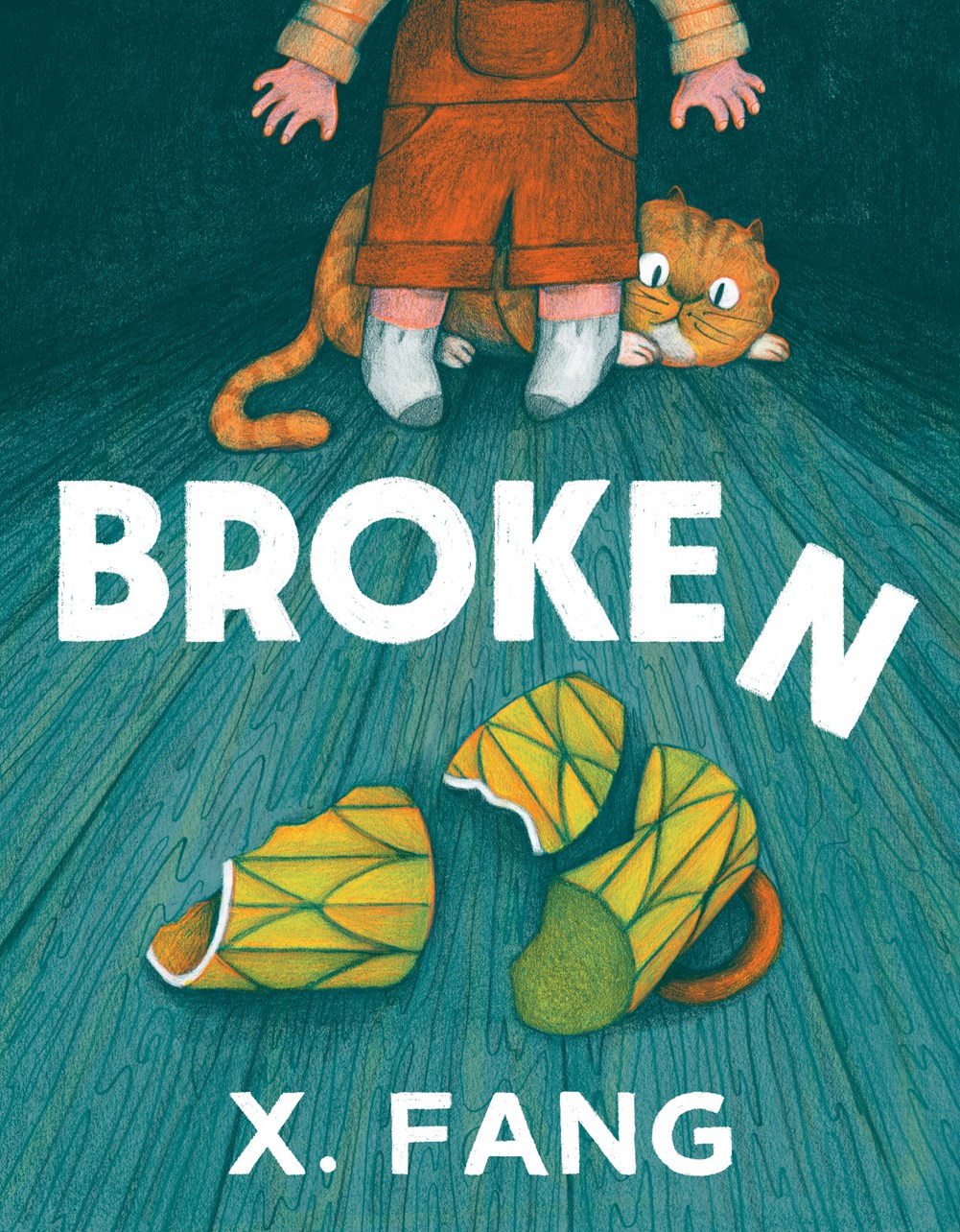
“I have broken many things but have only confessed to breaking a few things. There wasn’t a specific incident that inspired this book, but rather a strong memory of that feeling of guilt. That feeling of guilt is SO STRONG for a young kid because it’s such a new feeling and they must learn to work through it for the first time, too! I was very much drawn to that inner struggle.” —X. Fang