
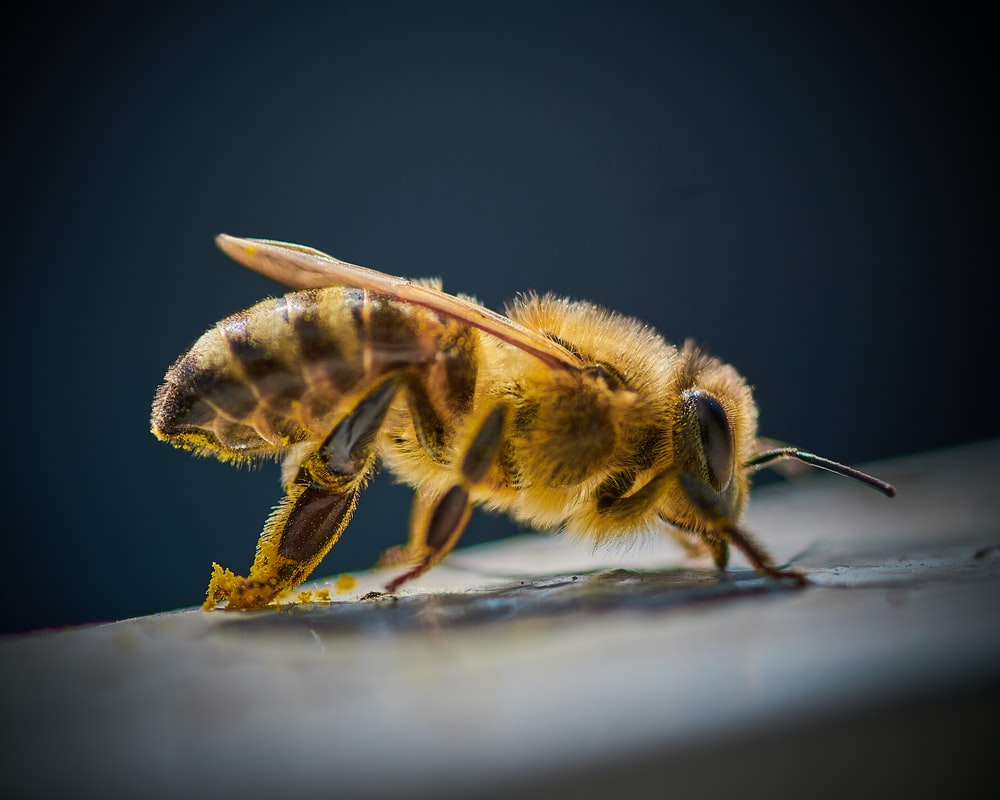
Bee stings inject venom under your skin. For most people, a single sting hurts, swells, and may itch for days. But Africanized queens can send dozens of worker bees to sting at once, making the pain much worse. If you’re stung many times, your body may go into shock, causing swelling, nausea, or breathing trouble.
People with allergies can have a life‑threatening reaction called anaphylaxis. Symptoms include hives, throat swelling, weak pulse, and low blood pressure. Even without allergy, hundreds of stings can overload your system. The venom attacks red blood cells and strains your kidneys, liver, and heart. In worst cases, it leads to organ failure and death.
In Scottsdale, officials believe the man who died suffered far too many stings to recover. Even though first responders arrived fast, it wasn’t enough. Doctors say that with Africanized bees, it only takes one sting to trigger an alarm. Soon the hive floods the area, and victims can’t escape quickly enough. Every minute counts.
Unlike their European cousins, Africanized bees are hyper-defensive. They guard their hive aggressively and chase threats up to a quarter mile. What makes them especially dangerous is how quickly they respond. If one bee stings you and releases its alarm pheromone, hundreds more can follow in seconds. Once the swarm mobilizes, they target your face, ears, and neck—areas where stings are more painful and more likely to cause swelling that blocks airways.
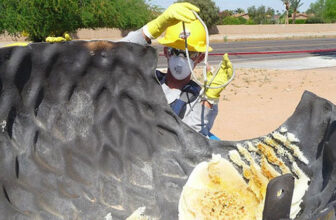
Another danger is that Africanized bees often nest in hidden places: irrigation boxes, tree branches, abandoned buildings, sheds, or inside walls. You might not know a hive is there until it’s too late. Yard work, loud noises, or even just walking nearby can disturb a hive and set off an attack. These bees don’t give warning. There’s no buzzing around your head. They come straight for you.
Victims who try to flee often trip, fall, or run into barriers. Once swarming begins, panic sets in. That’s why experts say the best defense is prevention. If you suspect a hive on your property, don’t investigate. Call a licensed pest control professional with experience in bee removal.
If you are attacked, cover your face and run in a straight line toward shelter—indoors or into a vehicle with the doors closed. Don’t jump in a pool; the bees will wait. And don’t stop running until you’re safe. Seconds matter.