

We analyzed how the doubling of jet fuel prices since January (Figure 1) has hit the profitability of short-to-medium-range flights operated by narrowbody aircraft last week. We found that a typical mainline airline will face halved operational margins, and a low-cost carrier will be in real trouble unless it raises ticket prices to offset higher fuel costs.
The severity of these challenges will depend on the mix of older and newer variants of the Airbus A320/A321 series and the Boeing 737.

Figure 1: The IATA average and regional jet fuel prices based on S&P Platts market data. Photo credit: IATA
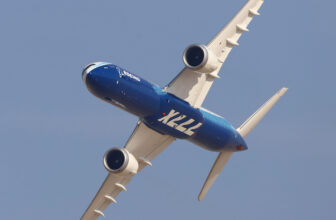
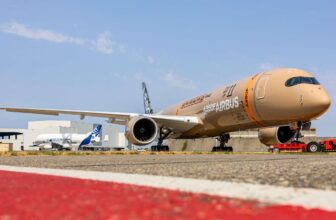
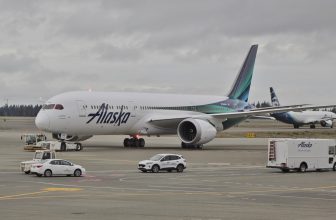
Now, we look at the effect a doubled fuel price will have on a long-range network in which airlines use older and newer variants of the Airbus A330/A350 and Boeing 787/777. Fuel costs play a larger role on a typical widebody flight. How large is the impact? We find this by using the Leeham Aircraft Performance and Cost Model (APCM) to develop the cost, revenue, and margin for a typical long-range network.