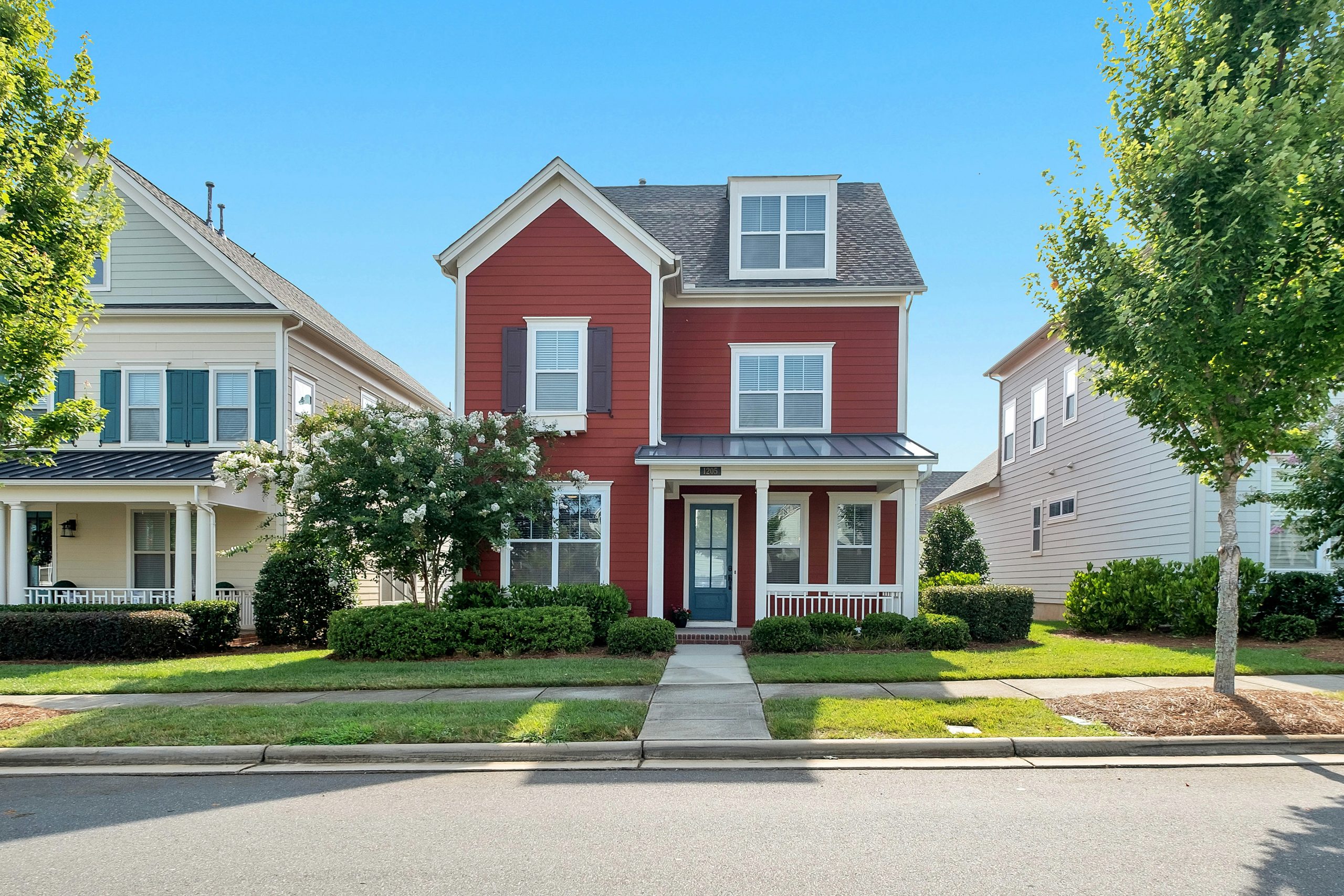
Creating your dream home can sound exciting. A new kitchen, a calmer living space, a better bathroom or a garden that finally works for family life can make a property feel completely different. But before spending heavily on renovations, it is worth understanding how much your house is worth and whether the work is likely to add genuine value, or simply improve the home for your own enjoyment.
There is nothing wrong with improving a home because you love it. In fact, that is often the best reason to renovate. The problem comes when homeowners assume every upgrade will automatically increase the sale price.
Some projects can boost value. Others may make the home more beautiful without giving you a strong return when you eventually sell.
Dream homes can become expensive quickly
Most renovations start with a simple idea. You might want more storage, better light, open-plan space or a more modern finish. But once work begins, costs can grow.
A kitchen refresh can turn into new flooring, lighting and plastering. A bathroom update may reveal plumbing issues. A garden project might need drainage, fencing or landscaping before the pretty details can happen.
Common costs include:
- Materials and fittings
- Labour and tradespeople
- Surveys or structural advice
- Planning or building control fees
- Waste removal
- Temporary accommodation or storage
- Unexpected repairs
- Time off work to manage the project
Even smaller improvements can add up when several rooms need attention.
Not every upgrade adds the same value
Some home improvements are more likely to support resale value than others. Practical upgrades often matter because they make the property easier to live in and easier for buyers to trust.
These can include:
- Fixing damp or leaks
- Improving insulation
- Updating old electrics or plumbing
- Replacing damaged flooring
- Repairing roofs, gutters or windows
- Improving kerb appeal
- Making rooms feel lighter and more usable
Purely personal design choices can be trickier. A bold colour scheme, expensive wallpaper, statement tiles or bespoke fittings may suit your taste perfectly, but not every buyer will value them in the same way.
That does not mean you should avoid personality. It simply means you should be clear whether you are renovating for lifestyle or resale.
The “ceiling price” matters
Every street and area has a rough price range. If similar homes nearby are selling for a certain amount, there may be a limit to how much buyers will pay, even if your home has a beautiful new interior.
This is sometimes called the ceiling price.
For example, spending tens of thousands on high-end finishes may not be fully reflected in the final sale price if buyers can purchase a similar property nearby for less. The home may sell faster or feel more attractive, but that does not always mean it will sell for enough extra to cover the renovation costs.
Before starting major work, look at:
- Recent sold prices nearby
- The condition of similar properties
- Local buyer demand
- The type of homes that sell quickly
- Whether buyers in your area expect modern finishes
- Whether the work solves a real problem or just changes the style
A renovation should be judged against the local market, not just your Pinterest board.
When renovation makes sense
Renovating can be a good decision when the work improves everyday life and supports the long-term value of the property.
It may make sense if:
- You plan to stay in the home for several years
- The work solves a practical issue
- The property is dated but structurally sound
- You have a realistic budget
- The improvements match local buyer expectations
- You are not relying on an immediate resale profit
In these cases, the value is not only financial. A better layout, warmer rooms, easier storage or a garden your family actually uses can improve your quality of life.
That matters too.
When moving may be the better option
Sometimes homeowners keep trying to turn a property into something it cannot easily become.
The house may be too small, too expensive to maintain, in the wrong location, or unsuitable for changing family needs. In that situation, renovation can become a way of delaying a bigger decision.
Moving may be worth considering if:
- The work needed is too expensive
- The layout cannot be changed easily
- You need a different location
- You are trying to fix a home that no longer suits your life
- Repairs are becoming constant
- The likely resale value does not justify the spend
- You would rather put the money towards a different property
A dream home is not always the home you already own. Sometimes it is the next one.
Think about disruption, not just budget
Renovation does not only cost money. It can also affect your routine, family life and stress levels.
Living through building work can mean dust, noise, delays, temporary kitchens, unusable bathrooms and constant decisions. For families, people working from home or anyone already under pressure, this can be a lot to manage.
Before committing, ask yourself:
- Can we realistically live through the disruption?
- How long could the work take if there are delays?
- Do we have a backup budget?
- Will this still feel worth it if costs rise?
- Are we improving the home for ourselves or for a future buyer?
Being honest at the start can prevent regret later.
Create a home that makes financial and emotional sense
The best home improvements balance beauty, practicality and value.
If a renovation will make your life better and you can afford it, it may be completely worthwhile even if it does not return every pound at sale. But if the main goal is to increase value before selling, it is important to be more careful.
Your dream home should not become a financial burden. Before investing heavily, understand the property’s current value, the likely ceiling price and the true cost of the work.
A beautiful home is not only about how it looks. It is about whether it supports the life you want without creating more stress than it solves.