Image Credit: Unsplash
Travel feels more rewarding when your plans reflect what you genuinely need from time away. A packed sightseeing schedule may sound exciting, yet a slower break with room for rest, local food and unhurried walks could leave you feeling far better.
Mindful travel brings attention and purpose to each part of a trip, from choosing a destination to settling back into daily life. It can also make holidays feel less rushed, more personal and easier to remember.
The Benefits of Intentional Journeys
Intentional travel starts with one clear thought: how would you like to feel during and after this trip? Your answer might be rested, energised, curious or more connected to someone you love. That feeling can guide practical choices, including where you stay and how much you arrange each day.
The principles of mindful travel encourage you to pay attention to your surroundings instead of racing through a checklist. You might spend a full morning exploring one neighbourhood, for example, then sit in a local café and observe daily life. This gives your mind time to process what you’re seeing and often creates richer memories.
Purposeful trips can also reduce decision fatigue. If rest is your priority, you can skip attractions that require long queues or early starts. If cultural connection matters most, you could book a locally led walking tour and learn a few useful phrases before arriving.
Try writing a one-sentence intention before you book anything. Keep it specific, such as: ‘I want four days with gentle movement, good sleep and plenty of time outdoors.’ Refer back to it when comparing destinations, transport options and accommodation. A useful filter makes it easier to say no to plans that would leave you tired or distracted.
Planning Restorative Getaways
A restorative holiday needs breathing space in the schedule. Start with your fixed commitments, such as travel times and booked appointments, then add no more than one main activity per day. You’ll still have room for spontaneous discoveries without turning every morning into a race against the clock.
The practical advice includes setting a purpose and thinking carefully about your pace. A simple three-day city break might include a gallery on day one, a park or garden on day two and a food tour on day three. Meals, café stops and short walks can fill the spaces naturally.
Some trips must fit around ongoing health needs or emotionally demanding life events. If you’re receiving fertility support, for instance, speak to your clinical team before booking and check how travel could fit around consultations, investigations, scans or treatment dates. People considering IVF treatment in Oxfordshire, Buckinghamshire or the Thames Valley may find that a local service makes it easier to coordinate care with work and short breaks.
Before paying for anything, check:
- How flexible the booking and cancellation terms are
- How long transfers take after your main flight or train
- Where you can find food that suits your needs
- Which days will remain free of advance bookings
- What medical documents or medication supplies you may need
These details protect the restful purpose of the trip. They also reduce the number of small problems you’ll need to solve once you arrive.
Connecting with Nature Abroad
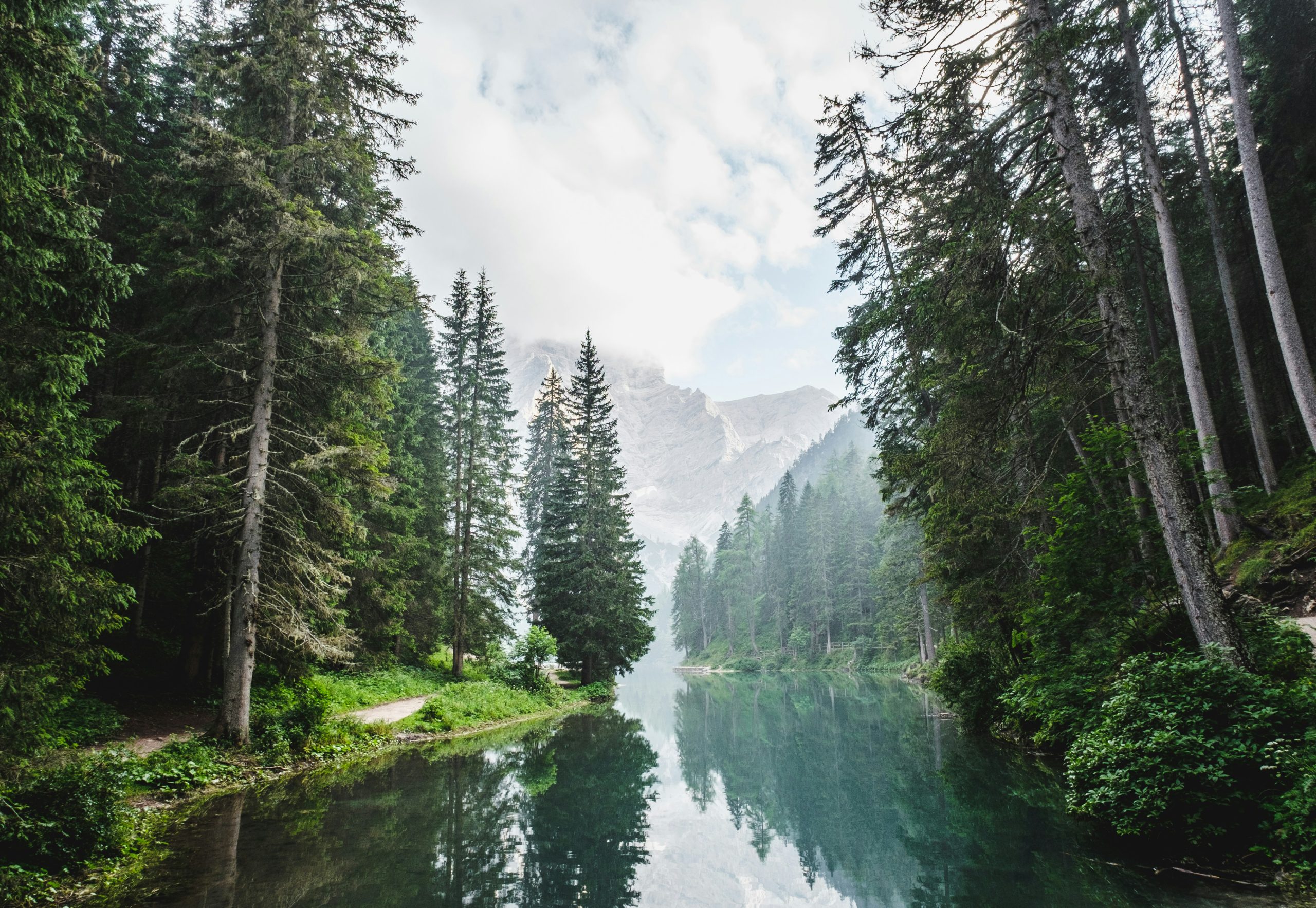
Time outdoors can provide a natural pause from notifications, schedules and crowded indoor spaces. You don’t need to travel to a remote wilderness to enjoy it. An urban botanical garden, a coastal footpath or a shady riverside route can offer the same chance to slow your pace and notice what’s around you.
Plan one accessible outdoor activity for the first full day of your holiday. A gentle walk can help you become familiar with the area while giving your body daylight and movement after travelling. Check the distance, terrain and weather forecast before setting out, then carry water, sun protection and an offline map.
Nature also offers an easy focus for mindfulness. During a ten-minute pause, notice five things you can see, four you can hear and three physical sensations, such as warm sunlight or cool air. This simple exercise brings your attention back to the place itself.
The overlap between mindfulness and travel also appears in activities such as outdoor yoga, guided forest walks and quiet wildlife observation. Choose experiences run by responsible local operators who explain how visitors should behave and who keep group sizes manageable.
Respect for the destination matters too. Stay on marked paths, take reusable bottles and bags where practical and follow local guidance around fragile habitats. If a popular viewpoint is crowded at midday, visit early or choose a lesser-known route recommended by the local visitor centre.
Support Systems While Away
Even a carefully arranged holiday can include delays, illness or an unexpected wave of homesickness. A few support measures will help you respond calmly without letting one difficult moment dominate the whole trip.
Share your itinerary and accommodation details with a trusted person at home. Keep digital copies of your passport, insurance documents and key booking details in secure storage that you can access from another device. It also helps to save local emergency numbers and the contact details for your insurer before departure.
If you take regular medication, carry enough for the whole trip plus a small allowance for delays. Keep it in its original packaging and check the destination’s rules well ahead of time. People with ongoing physical or mental health needs should ask their usual care provider what to prepare, particularly for long-distance travel or trips across several time zones.
Emotional support matters as well. Arrange a short call home if you know that travel can feel isolating, but leave enough space to engage with the destination. A familiar routine can help too, such as morning stretching, a few lines in a journal or the same bedtime playlist you use at home.
For group travel, agree on expectations early. Friends and relatives don’t need to spend every hour together. One person may want a long museum visit while another needs an afternoon resting at the hotel. Setting a time and place to meet later lets everyone care for their own energy without creating tension.

Image Credit: Unsplash
Bringing Holiday Calm Home
The benefits of a thoughtful trip can fade quickly if you return late on Sunday night and face a full diary on Monday morning. Where possible, leave a buffer day between arriving home and resuming work. Use it for laundry, food shopping and an early night, while keeping the pace gentle.
Look back at the parts of the holiday that made you feel most settled. Perhaps you walked after breakfast, read before bed or kept your phone in your bag during meals. Choose one of those habits and adapt it to ordinary life. A 20-minute walk through a nearby park is more realistic than trying to recreate a full day in the mountains.
Some forms of wellness tourism centre on activities that support physical and emotional wellbeing. Yet the most useful holiday habits are often free and easy to repeat at home:
- Keep one evening each week clear of commitments
- Eat one meal without a screen nearby
- Take a familiar walk and look for seasonal changes
- Create a short bedtime routine after busy days
- Print a favourite photograph instead of leaving every image on your phone
Give yourself ten minutes to record what worked before the details blur. Note which bookings felt worthwhile, when the schedule became too busy and what you’d change next time. Those observations turn one restorative holiday into practical knowledge for the next.
A meaningful trip doesn’t need to be long or luxurious. If your days include enough space to notice where you are and how you feel, you’re more likely to come home with memories that extend beyond a camera roll. Keep one small ritual from the trip in your weekly routine, and the calm of being away may last well beyond unpacking.