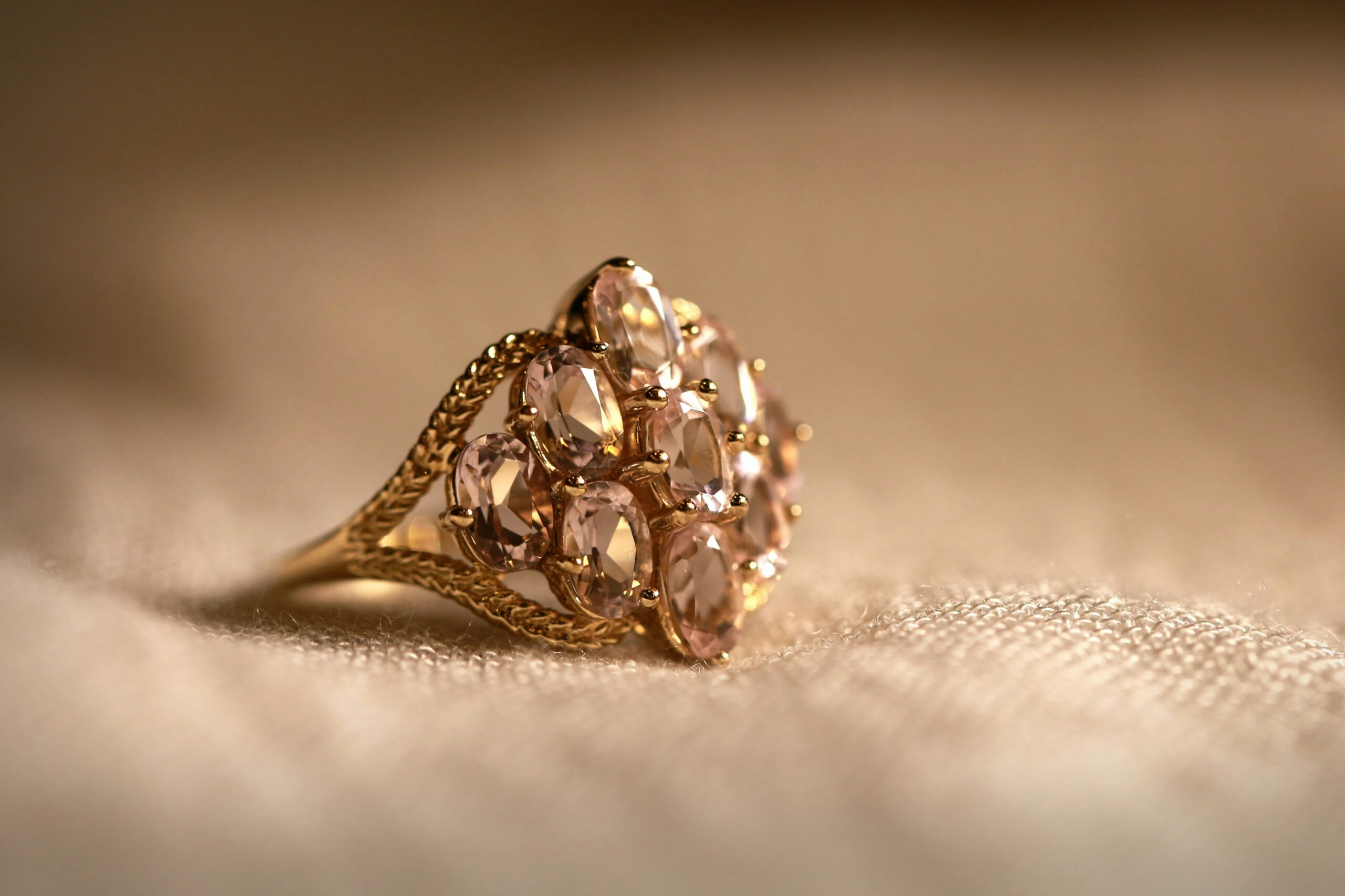
In an age where much of Australia is racing forward, the allure of the past remains steadfast, with vintage jewellery offering an unparalleled glimpse into the artistry and craftsmanship of bygone eras. These masterpieces, cherished for their history and exquisite design, often demand restoration, allowing them to shine once more. The process of reviving antique pieces is a testament to preserving heritage, where skilled hands meet raw beauty.
The Allure of Vintage Jewellery
Vintage jewellery embodies a distinct charm that mass-produced modern pieces cannot replicate. Each item tells a story, reflecting the cultural and artistic ethos of the period it was crafted in. Jewellery Design in Australia spans from ancient Indigenous body ornamentation to the booming colonial gold rush era and modern design. Each item elevates the wearer’s individuality and style.
Vintage jewellery is a presentation of style deeply embedded in history. Each piece connects its bearer to a bygone world, where jewellery was not only a statement of wealth but also a pronouncement of one’s essence and legacy. This connection fosters a sentimental value unmatched by contemporary designs, fostering a deeper appreciation for the tales held within each trinket.
The Intricacies of Restoration
Restoring vintage jewellery is not merely an exercise in aesthetics but an act of preservation. Each repair or refurbishment demands a deep understanding of historical contexts, materials, and techniques. Skilled restorers must first evaluate the piece by scrutinizing any previous repairs, wear, and the stability of materials. Whether it’s replacing missing stones or revitalizing tarnished metals, each task must honor the piece’s original craftsmanship.
As Australia’s vintage jewellery travels through time, it often becomes necessary to seek professional services that can preserve its integrity. Those in need of such expertise might consider jewellery repairs in Melbourne, where specialists ensure the blend of traditional techniques with modern technological advancements.
The process often requires a patient touch alongside technical expertise. Meticulous care is given to ensure that any modern intervention does not negate the vintage essence. Restorers often find themselves balancing between conservation and enhancement, resisting the impulse to modernize. This careful dance respects the authenticity of each piece, embracing any imperfections as beautiful markers of its journey through time.
Balancing Conservation and Restoration
The line between conservation and restoration is delicate. While conserving is about maintaining the item’s current state, restoration involves bringing it back to its former glory. This balance is vital; a well-restored piece should retain its age’s charm without appearing overly polished. Each decision should prioritize retaining originality, reflecting the piece’s historical significance.
Restorers often face dilemmas: should a missing part or stone be recreated using exact period materials, or should any restoration evoke a sympathetic nod to the piece’s narrative? It is a philosophical question as much as it is technical. Each decision taken impacts the story the jewellery will tell, ensuring that the integrity of its narrative remains intact, respected, and cherished for future generations.
The Role of Technology
Despite the traditional nature of the craft, technology does play a role in the restoration process. Specialists employ tools like microscopes for detailed inspections and lasers for precise metalwork. Such advancements ensure minimally invasive techniques, preserving the elegance of years past while employing modern precision.
While some purists may initially resist the marriage of modern technology with vintage pieces, its integration has undeniable benefits. Laser welding technology, for example, allows experts to repair delicate filigree without risking thermal distortion. This marriage between handcraftsmanship and scientific advancement aids in preserving the authenticity of these treasures, while simultaneously reducing any potential for an over-modernized appearance.
The Business Perspective
The restoration of vintage jewellery is not just an artistic endeavor; it is also a thriving segment of the luxury market. Collectors and buyers worldwide are willing to invest, recognizing both the intrinsic and sentimental value of refurbished pieces. Auction houses and private collectors seek well-preserved items that hold or appreciate in value over time. This niche market underscores the adage that true artistry transcends time.
The demand in this niche elevates the stakes for restorers and curators alike. Each piece stands as a testimony to timeless craftsmanship, validating the importance of the jeweller-restorer’s expertise. Moreover, as these restored items find their way into the modern luxury market, they continuously advocate for the viability and cultural relevance of genuine artistry in an increasingly globalized marketplace.
The Environmental Dimension
In today’s environmentally conscious world, restoring vintage jewellery also offers sustainability benefits. Instead of procuring new materials, restoration breathes new life into existing pieces. This approach supports ethical practices, reducing demand on Earth’s resources while preserving artistry.
Conclusion
Restoring vintage jewellery is an art form that harmonizes history, craftsmanship, and innovation. These pieces serve as a bridge to the past, narrating tales in precious metals and stones. As the appreciation for these treasures grows, so too does the responsibility to preserve them with care and respect. Ultimately, the allure of vintage jewellery lies in its unique ability to connect us, through time, with elegance and grace.