9 Grape Varieties to Try if You Love Chardonnay

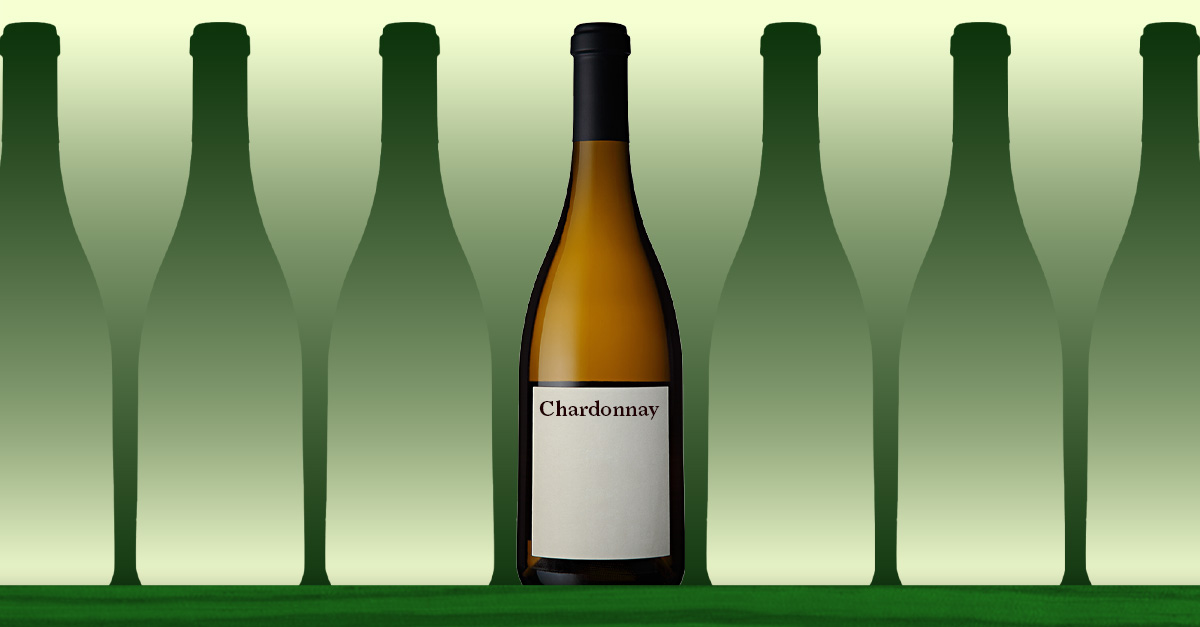
Describe a wine as buttery, and most picture Chardonnay. Some might even turn up their nose, having written off the variety entirely as rich, oaky, or creamy without realizing that those characteristics often come from winemaking decisions — not the grape itself — and represent just one example of the variety’s potential. In fact, Chardonnay is anything but one-dimensional.
“One of the things that makes Chardonnay such an exciting grape is its versatility and range of styles. You have everything from crisp, minerally Chablis to flinty oaked Meursault to stereotypical butter bombs,” says Greg Stokes, owner of Columbus, Ohio’s Cordial Cocktail Club and bottle shop. In Burgundy alone, the grape’s birthplace, Chardonnay can range from fresh, fruit-forward wines meant to be enjoyed young to fuller, more textured styles with riper fruit, including some of the world’s most prized, age-worthy examples.
Winemakers also love the grape for its adaptability and how well it responds to different winemaking techniques, like oak aging, malolactic fermentation, and time on the lees. Each yields different flavors and textures, offering plenty of room to experiment.
Once you identify what you like about Chardonnay, it’s worth seeing what else is out there. With over 10,000 known grape varieties, plenty showcase some of the same qualities that make Chardonnay one of the world’s most widely planted grape varieties — and many at a fraction of the cost. Here are nine to seek out on your next trip to the grocery store or wine bar.
Aligoté
Often playing second fiddle to Burgundy’s prized Chardonnay and Pinot Noir, the grape has grown in popularity the last few decades for its relative affordability. Some of the region’s most respected producers make Aligoté alongside their more prestigious — and often much pricier — wines. “Aligoté wines are bright and full of zesty citrus, smoke, and light herbal notes,” Derek Mizell, wine lead at Only the Wild Ones in Austin says. Mizell suggests trying producers like Sylvain Pataille or Alice et Olivier de Moor.
Don’t Miss A Drop
Get the latest in beer, wine, and cocktail culture sent straight to your inbox.
Chenin Blanc
Known for its high acidity and versatility, Chenin Blanc grows in cool, moderate, and warm climates and can take on a broad range of styles, from sparkling and dry to sweet and age-worthy. And while the grape hails from the Loire Valley, its popularity in South Africa — where it’s also known as Steen — has exploded, making the country one of the world’s largest producers. “If you love a rich, buttery Chardonnay, try a barrel-aged Chenin from South Africa, or if you prefer a crisp, unoaked version, look for Vouvray in the Loire Valley,” Aaron Walker, director of winemaking operations at California’s Pali Wine Co suggests.
Viognier
Like Chardonnay, Viognier is anything but shy. While both tend to have a luxurious texture, the Northern Rhône grape is often fuller-bodied and more aromatic than Chardonnay. “If you like Chardonnay for its fruitiness while having that round texture and fuller body, Viognier is a great alternative because it has all the same characteristics, just with slightly different fruit flavors,” says Wade Hill, sommelier at Lautrec in Pennsylvania. While beautiful examples exist in its native France, Viognier from Virginia and Southern Australia are also exciting places to seek out.
Sémillon
If you love a crisp Chardonnay but also appreciate what a little bottle age can do, Sémillon offers solid value in either style. Young examples are bright and zippy, with flavors of lemon and green apple, while bottle-aged wines develop richer, more complex flavors of honey, toast, and beeswax. Native to Bordeaux, where it plays a role in both dry and sweet wines, Australia (particularly the Hunter Valley) has found success with dry, single-variety Sémillon. Try Adega Vinho’s 2023 Sémillon Reserve, or look for an older Hunter Valley bottling.
Marsanne
Marsanne is best known for its role in the celebrated white wines from Hermitage, where it’s often blended with Roussanne. Bottled on its own, expect a full-bodied, deliciously textured wine, with notes of pear and stone fruit, or as it ages, almond and honey. For Braith Gill, beverage director at Brennan’s in New Orleans, those who love Chardonnay for its texture should try Marsanne. Outside the Rhône, some beautiful examples come from warmer climates like California, Texas, and Australia. Try Uplift Vineyard’s 2024 Marsanne from Texas Hill Country, which absolutely sings.
Grenache Blanc
A white-skinned mutation of Grenache Noir, Grenache Blanc is a full-bodied white grape with roots in Spain and a long history in France. The grape can show pear, white peach, and melon, along with floral or herbal notes and a plush palate. Look to Spain’s Terra Alta for fresher, mineral-driven styles, or Spain’s Priorat and France’s Southern Rhône for bolder expressions. “You get those green and golden apple notes, along with a broad, rounded mouthfeel that can remind you of a Chardonnay that has gone through malolactic fermentation,” says Fah Sathirapongsasuti, sommelier, winemaker, and co-owner at California’s Sunset Cellars.
Garganega
Say that 10 times fast. The indigenous grape behind most Soave wines in Italy’s Veneto region, Garganega can range from lean and crisp to richer, nuttier styles, often with notes of citrus, stone fruit, and almond. Its range is part of what makes it a solid alternative to Chardonnay, particularly for those who value punchy acidity and some texture but want something light on its feet. For a classic expression, try Pieropan Soave Classico 2023, or, to taste the grape’s more decadent side, grab a bottle of Pasqua Romeo and Juliet Passimento Bianco 2024.
Godello
For the Chard fan with a soft spot for Burgundy, look west to Spain. “The body and fruity profile of Godello is very similar to French Chardonnay,” Stokes says. “The younger styles like Emilio Moro ‘Polvorete’ or Alberto Orte ‘A Portelo’ are perfect for the Chablis drinker, while bottles with more oak aging like Emilio Moro’s ‘La Revelía’ or Alberto Orte’s ‘Escalada Do Sil’ readily scratch an itch for those who crave Côte d’Or Burgundies,” says Stokes. Also search for bottles from Valdeorras, the grape’s signature region in Galicia.
Xarel-lo
Just as Chardonnay is a key grape in making Champagne, Xarel-lo helps give Cava its signature style, bringing structure, acidity, and sea-salt minerality to Spain’s beloved sparkling wine. Bottled on its own as a still wine, the Catalan grape can yield lively, textured wines with notes of stone fruit, citrus, and spice. With time on the lees, it develops greater depth, creaminess, and aromatic complexity while retaining its Mediterranean quality. Check out bottles from Penedès-based producers like Anima Mundi or Enric Soler.