I have recently received emails about my work into the pace of life, and so I thought that it would be a good time to reflect on the topic.
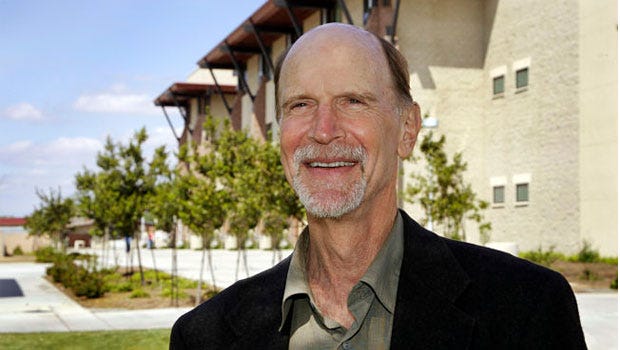
I’ve always been fascinated by the work of the late, great psychologist Robert Levine. In the early ‘90s, Robert pioneered a brilliant way to measure the pace of life in cities by secretly timing how fast pedestrians walked.
His findings were startling. People in Western Europe were sprinting through life, while those in Africa and Latin America took a more measured pace. Within the US, New Yorkers were the speed-demons, while Los Angeles leaned into a slower groove.
But this wasn’t just about getting to lunch on time. Levine discovered that a faster pace of life was a double-edged sword. Higher speeds were linked to higher income and increased happiness, but also more coronary heart disease and a decrease in helpfulness.

In 2006, I teamed up with British Council to measure walking speeds across the world. On August 22, our research teams went into city centres and found busy streets that were flat, free from obstacles, and uncrowded. Between 11.30am and 2.00pm local time, they secretly timed how long it took people to walk along a 60-foot stretch of the pavement. All the people had to be on their own, not holding a telephone conversation or struggling with shopping bags. The results are shown in the table below.
City (Country)
Fastest
1 Singapore (Singapore)
2 Copenhagen (Denmark)
3 Madrid (Spain)
4 Guangzhou (China)
5 Dublin (Ireland)
6 Curitiba (Brazil)
7 Berlin (Germany)
8 New York (USA)
9 Utrecht (Netherlands)
10 Vienna (Austria)
11 Warsaw (Poland)
12 London (UK)
13 Zagreb (Croatia)
14 Prague (Czech Republic)
15 Wellington (New Zealand)
16 Paris (France)
17 Stockholm (Sweden)
18 Ljubljana (Slovenia)
19 Tokyo (Japan)
20 Ottawa (Canada)
21 Harare (Zimbabwe)
22 Sofia (Bulgaria)
23 Taipei (Taiwan)
24 Cairo (Egypt)
25 Sana’a (Yemen)
26 Bucharest (Romania)
27 Dubai (UAE)
28 Damascus (Syria)
29 Amman (Jordan)
30 Bern (Switzerland)
31 Manama (Bahrain)
32 Blantyre (Malawi)
SLOWEST
We compared the 16 cities that were in Levine’s work and our own and determined that the pace of life had increased by 10%! The pace of life in Guangzhou (China) increased by over 20%, and Singapore showed a 30% increase, resulting in it becoming the fastest moving city in the study. Projected forward, the results suggest that by 2040, they will arrive at their destination several seconds before they have set-off.
A few years ago, I had the privilege of interviewing Robert Levine about this work. I believe it may have been his final interview. You can listen to him discussing the “Geography of Time” below.
Finally, what is your pace of life? Are you moving too fast? Here are four questions to help you to decide.
– When someone takes too long to get to the point, do you feel like hurrying them along?
– Are you often the first person to finish at mealtimes?
– When walking along a street, do you often feel frustrated because you are stuck behind others?
– Do you walk out of restaurants or shops if you encounter even a short queue?
Discover more from Richard Wiseman
Subscribe to get the latest posts sent to your email.