Real Estate Investing for Beginners: The Comprehensive Guide



Real estate investing for beginners? You may be wondering if this will be another formulaic guide that sounds good on paper but says little about what owning a rental is really like. And it’s easy to see why. You probably want straightforward advice with real-life examples that show what the process actually involves.
Honestly, buying your first rental property takes a lot of work. A home may look like a great place to live, but that doesn’t automatically make it a good investment. This is because, as a business, the numbers have to work, too.
And when you look at it more closely, there’s also the reality of owning a rental. You’ll find that some months are smooth, and you collect rent without dealing with any major problems. In others, you could be dealing with a vacancy or an expensive repair that takes a bite out of your income.
If you’re learning how to invest in rental property, this guide will walk you through the process. We’ll cover how to search for the right property, plan your finances, prepare the home for tenants, and manage it after move-in. Along the way, we’ll share some practical examples from our experience managing rental properties.
Main Takeaways
- A rental property can make money through monthly cash flow, property appreciation, and equity growth, but none of these returns is guaranteed.
- Before you buy your first rental, calculate the full cost of the purchase, including the down payment, closing costs, repairs, vacancies, and cash reserves.
- Compare several properties using realistic rent and expense estimates instead of choosing one simply because the price looks affordable.
- The location, property condition, financing terms, and local rental demand can all affect how well the investment performs.
- Rental income is not completely passive. You will still need to manage the property yourself or include professional property management in your budget.
Contents of This Article:
What Is Rental Property Investing, and How Does It Work?

Rental property investing is the process of purchasing real estate and renting it to tenants to generate income and potentially build long-term equity. Investors may earn returns through monthly cash flow, property appreciation, and mortgage principal paydown, although none of these returns is guaranteed.
But still, collecting rent is only part of rental investing. You also need to find tenants and carry out all rental management responsibilities. Some investors choose to do that themselves, while others hire experienced property managers in Baltimore to help with leasing, tenant communication, rent collection, maintenance, and more.
But how does the rental actually make you money? After all, that is the main reason you are investing, right? Let’s get into it.
How Can a Rental Property Make Money?
A rental property may benefit you in several ways:
- Monthly cash flow: As we said, this is the money left after the rental income covers operating expenses and loan payments.
- Property appreciation: Your property may become more valuable over time. For example, if property values in the area rise, the value of your rental may rise too.
- Loan principal paydown: When you make a mortgage payment, you are not only paying interest. Some of the money goes toward the amount you borrowed. As you owe less on the property, your equity grows.
- Possible tax benefits: On the tax side, some of the money you spend on the property may be deductible.
All that sounds promising, right? But you cannot tell if a rental is making money by looking at the income alone. You also have to consider some expenses such as:
- Mortgage
- Property taxes
- Insurance
- Maintenance
- Utilities
- HOA fees
- Management fees
- Licensing costs.
And as you continue on your investment journey, you’ll realize that not every return comes at the same time. Rent can bring in money each month, yes, but appreciation and equity usually take years to build. That’s why some investors hold on to their rentals for several years. This approach is called buy-and-hold real estate investing.
Is Real Estate Investing a Good Choice for Beginners?
Real estate investing can be suitable for beginners who have enough money to cover the purchase and ongoing expenses, understand the risks involved, and are prepared to manage the property or hire professional management. Rental properties can generate income and build equity, but investors must also prepare for vacancies, repairs, financing costs, legal responsibilities, and changes in property value.
That said, let’s use the next section to weigh what a rental could give you against the risks you may face.
What Are the Risks of Owning a Rental?
A rental may sit empty, need an expensive repair, or lose value. Here are some of the main risks you may face and how you can prepare for them.
| Risk | What It Could Mean for You | How You Can Prepare |
| Vacancy or unpaid rent | You may need to cover the bills without rental income. | Include vacancy in your calculations and keep cash in reserve. |
| Unexpected repairs | A roof, HVAC system, appliance, or water heater may fail. | Inspect the property and budget for repairs and replacements. |
| Market changes | Rent, demand, or property value may fall. | Use realistic figures and avoid relying on appreciation to rescue the deal. |
| Legal responsibilities | Mistakes involving screening, deposits, repairs, or notices may be costly. | Learn the federal, state, and local rules that apply. |
| Difficulty selling | Turning the property back into cash may take time. | Avoid investing money you may need soon. |
| Financing risk | Higher rates or changing payments may reduce cash flow. | Understand the loan and test the deal against higher costs. |
Are You Ready to Become a Landlord?

Another way to tell if real estate investing is a good choice for you is to decide if you are ready to become a landlord. What do you hope to achieve with the investment? Your goal may be monthly cash flow, long-term appreciation, retirement income, portfolio growth, a future home, or a combination of income and equity.
Then, you need to look at the work involved. You will have to advertise vacancies, arrange showings with potential tenants, screen applicants, collect rent, coordinate repairs, and more. If that’s what you want to do, be honest about how those responsibilities will fit around your work and family. But if you want to hire a property manager, include the cost in your calculations.
Also, when you have a bad month, could you cover the costs of a vacancy or an unexpected expense without immediately borrowing money?
Finally, are you prepared to follow rental laws? Owning a rental means following laws covering fair housing, licensing, habitability, security deposits, property entry, inspections, disclosures, rent increases, and evictions. You need to be careful about the requirements in your market because they differ from state to state. These are some of the most important things to understand before becoming a landlord.
Which Real Estate Investment Strategy Fits Your Goals?
Active investing means you take a direct role in choosing, buying, improving, or operating a property. Examples include long-term rentals, house hacking, short-term rentals, fixing and flipping, and BRRRR—buy, rehab, rent, refinance, and repeat.
Passive investing means putting money into a company, fund, or project without managing the properties yourself. Some options include publicly traded REITs, real estate funds, syndications, and crowdfunding investments.
| Factor | Active Investing | Passive Investing |
| Money needed | Often includes a down payment, closing costs, repairs, and reserves. | Public REITs may have a low entry cost; private deals may require much more. |
| Time | You need to research the property and continue checking on it after you buy. | Usually involves less daily work after investing. |
| Control | You make most decisions about the property. | A manager, company, or sponsor makes most decisions. |
| Access to your money | Selling a property may take weeks or months. | You can usually sell shares in a public REIT quickly. With private investments, you may not be able to withdraw your money for several years. |
| Main risks | You may deal with vacancies, repairs, loan payments, tenant issues, rental laws, and changes in the property’s value. | Market performance, fees, sponsor decisions, and limited access to funds. |
This guide focuses mainly on buying and owning a long-term rental. You can hire a property manager to take some of the work off your plate, but they cannot fix a bad deal. So, before you buy, make sure the rental income can cover the management fee along with the property’s other expenses.
If directly owning a rental still sounds like the right approach for you, the next decision is what kind of property to buy.
What Type of Rental Property Should You Buy?
Your first rental should fit your budget, experience, goals, and ability to manage it. One type is not automatically better than another.
| Property Type | Why It May Work | What to Watch |
| Single-family home | Often easier for beginners to understand and may appeal to more buyers when it’s time to sell. | One vacancy means no rent until another tenant moves in. |
| Duplex, triplex, or fourplex | Several sources of rent and a possible house-hacking opportunity. | More tenants, leases, systems, and shared spaces to manage. |
| Five or more units | Adds several units through one purchase. | Commercial financing, deeper due diligence, and greater management demands. |
| Condo or townhouse | May cost less than a detached home and include some exterior maintenance. | HOA fees, rental limits, special assessments, and unclear maintenance duties. |
| Turnkey rental | May be ready to lease and require less immediate work. | A higher price can reduce the return. Existing figures and leases still need checking. |
| Renovation property | A lower price may leave room to improve the home and its rent. | Delays, cost overruns, contractors, permits, and financing restrictions. |
If you are looking at a property with several units, start with the utilities. Does each unit have its own meter? And if it doesn’t, who pays the bills? Another question is: Do the units share heating, plumbing, or other systems? These details can affect your costs and the amount of work involved in managing the building.
If you’re considering a property with five or more units, keep in mind that lenders may finance and value it differently from a property with one to four units. So, take a closer look at the paperwork. What do the current leases say, and do the rent records match the income the seller reported? You should also check past expenses, tenant deposits, service contracts, and maintenance records. Our multifamily investing guide can help you understand what else to review before buying.
Condos and townhouses come with another set of questions. How much are the association fees, and what do they cover? Are there rental restrictions, owner-occupancy rules, insurance requirements, or upcoming special assessments? And don’t assume the association will pay for every exterior repair.
If the property needs work, get repair estimates before buying it. Think about how long the home could sit empty while those repairs are being completed, too. Once you know what type of property you want, you’ll probably have one big question: How much money will you need to buy it?
How Much Money Do You Need, and How Can You Finance Your First Rental?
We cannot say that one amount works for everyone because several things affect the cost, including the purchase price, type of loan, number of units, and even the condition of the property.
For example, let’s say you are buying a $250,000 single-family rental. You may need around $65,000 to $80,000 for the down payment, closing costs, initial repairs, and cash reserves.
How Much Is the Down Payment on a Rental Property?
Since the down payment will likely take the largest share of your upfront cash, let’s start there. Freddie Mac has financing guidelines that show how much of a property’s price a qualifying loan may cover. You pay the part that the loan does not cover as your down payment.
Under Freddie Mac’s current guidelines, certain eligible one-unit investment-property mortgages may have a loan-to-value (LTV) ratio of up to 85%, meaning the borrower would need to provide at least 15% toward the purchase price. Eligible two- to four-unit investment properties may have an LTV of up to 75%, which would require at least 25% toward the purchase price. Actual down payment requirements depend on the loan program, borrower qualifications, property, and lender requirements.
Here’s how much those down payments could be:
| Purchase Price | 15% Down | 20% Down | 25% Down |
|---|---|---|---|
| $200,000 | $30,000 | $40,000 | $50,000 |
| $250,000 | $37,500 | $50,000 | $62,500 |
| $300,000 | $45,000 | $60,000 | $75,000 |
| $400,000 | $60,000 | $80,000 | $100,000 |
These percentages don’t mean every borrower will qualify for the smallest down payment. Your lender will also check your credit, income, debts, cash reserves, and the property itself.
You may need a smaller down payment if you plan to live in the property. For example, different loan options may be available if you buy a duplex, triplex, or fourplex and live in one of the units.
Which Upfront Costs Should You Calculate?
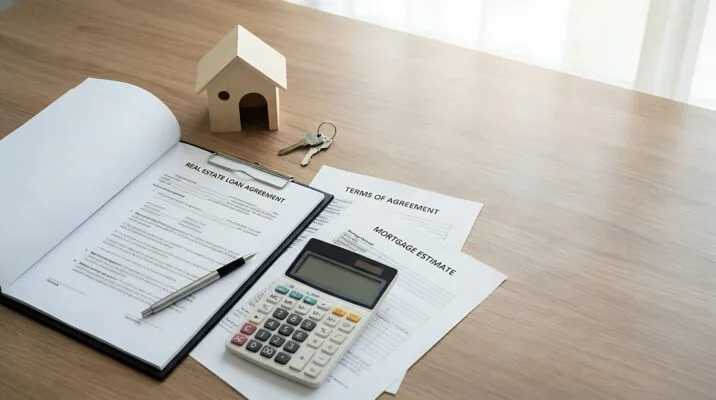
The down payment may be your highest upfront cost, but it will not be the only one. So before you buy, also prepare for:
- Closing costs: These may include lender fees, title services, taxes, prepaid interest, and insurance.
- Inspection and appraisal: An inspection helps you understand the property’s condition. Depending on the loan and property, your lender may also require an appraisal to determine the property’s value.
- Immediate repairs: You may need to fix safety problems or replace damaged items before a tenant moves in.
- Rental setup costs: Depending on where your property is located, you may need to set aside money for licensing, registration, insurance, utilities, marketing, and leasing.
For a rough idea, a standard inspection may cost around $300 to $500, while a standard single-family appraisal may cost around $300 to $450. Larger or more complicated properties may cost more.
Once you apply for a mortgage, your lender will give you a Loan Estimate, which shows your expected payments and closing costs. Check it carefully so you don’t count expenses such as the appraisal or prepaid insurance twice.
What Could a $250,000 First Rental Cost Upfront?
Let’s now look at a real example and see what a $250,000 rental could cost upfront. Keep in mind that the following figures are only an example. They are not national averages or a quote for a particular property.
| Expense | Example Amount |
| 15% down payment | $37,500 |
| Closing costs and prepaid items | $7,500 |
| Inspection | $500 |
| Repairs and cleaning | $6,000 |
| Licensing and registration | $250 |
| Marketing, leasing, and initial utilities | $1,500 |
| Money kept in reserve | $12,000 |
| Estimated cash needed | $65,250 |
If the lender wants 20% down, the total becomes $77,750. This is why someone with $40,000 saved may not be ready simply because $37,500 covers a 15% down payment.
Try to keep enough money to carry the property through a vacancy or unexpected repair. Fannie Mae’s current guidelines generally require six months of reserves for an investment-property transaction underwritten through Desktop Underwriter (DU). However, reserve requirements can vary depending on the transaction and borrower, and additional reserves may be required if you own other financed properties.
What Financing Options Can You Consider?
Once you decide to become a real estate investor, your first instinct may be to ask a lender about a conventional mortgage. But that option may not work in every situation. Perhaps the property needs too much work to qualify, or maybe you already own a property with equity you can use. If so, you may want to consider options such as:
- Home equity loan: If you already own a home, you may borrow against its equity and receive the money at once. Just remember that you are using that home to secure the loan.
-
HELOC: This lets you borrow against the equity in a property you own. You can take out money when you need it instead of borrowing the full amount at once.
- Cash-out refinance: Here, you replace your current mortgage with a larger one and receive part of your equity in cash. However, this also changes the loan on your existing property.
- Seller or private financing: Sometimes, the seller or a private lender may agree to finance the purchase. The terms can be more flexible, but you need to understand the interest, repayment period, and any balloon payment that comes later.
- Investment partner: You could buy the rental with someone else and combine your money or borrowing ability. Before you do, make sure you agree on who owns what, who handles the work, and how you will share the income and expenses.
-
Portfolio or commercial loan: A bank or another lender may offer this type of loan if the property doesn’t qualify for a standard mortgage.
- Hard-money loan: Investors sometimes use this short-term option for a property that needs major repairs. It can provide faster access to money, but the interest and fees are usually higher.
When you look at these options, they may seem attractive because they help you complete the purchase. But getting the money is only part of the decision. There is more involved when it comes to repayment. Make sure you understand how much you will pay every month and whether that payment could increase. Also, what happens if you cannot get another loan when the time comes? This comparison of investment property financing strategies explains the options further.
How Do You Choose a Market and Find a Rental Property?

The best rental market is not necessarily the city with the highest rent or the fastest-rising prices. It is a place where people want to rent, the rent can support your expenses, and suitable properties fit your budget.
Let’s start from where you are. Should you invest locally, or should you broaden your search? Let’s look at that next.
Should You Invest Locally or Out of State?
Buying close to home may feel like the obvious choice. You know the area, and you can visit the property when needed. But if homes are expensive and the rent is not high enough to cover your costs, you may need to look at other markets.
Buying out of state may give you access to lower-priced properties. However, managing a rental from far away can be harder. So, you may need to travel or rely on local agents, contractors, and property managers for help.
The main point is simple: Don’t buy locally just because you know the area. And don’t buy out of state just because the property looks cheap. Take a closer look at the market first. Here are some signs to watch for.
Which Market Indicators Should You Research?
So, what should you look for when comparing rental markets? One number will not give you the full answer. Instead, look at these indicators together:
| What to Check | Why It Matters | Where to Look |
|---|---|---|
| Population and employment | Population growth and stable jobs can increase the need for rental housing. | U.S. Census data and the Bureau of Labor Statistics |
| Rental demand and vacancy | This can show how easy or difficult it may be to find tenants and keep the property occupied. | Current listings, recently leased homes, and local property managers |
| Rent compared with price | A high rent may not mean much if the property and financing cost even more. | Comparable rentals and recent property sales |
| New housing supply | New apartments and homes give renters more choices, which can increase competition between landlords. | Check local development plans and Census building permit data to see how much new housing may be coming to the area. |
| Taxes and insurance | These costs come out of your rental income and can make a big difference in your numbers. | Local property-tax records and property-specific insurance quotes |
| Rental laws | Local laws determine the licenses, inspections, and other rules you must follow. | Official city, county, and state websites |
These numbers give you a starting point. For example, HUD Fair Market Rent data can give you a general idea of rents in an area. But it still cannot tell you exactly what one property will earn. For that, you need to compare the home with similar rentals based on its location, size, condition, and features.
Visit the area yourself and evaluate objective factors that could affect the rental, such as property conditions, transportation access, parking, nearby services, rental inventory, major employers, and planned development. Next, use the FEMA Flood Map Service Center to check the area’s flood risk. Then, ask an insurance agent if the location could affect the property’s coverage or cost.
You may have heard that the best time to buy a rental is during a buyer’s market. It makes sense because there may be more properties available and more room to negotiate. But a buyer’s market only tells you what the competition looks like; it does not tell you if a particular property can make money.
The same applies to a seller’s market. You may face more competition and have less negotiating room, but you could still find a property that fits your budget and earns enough rent. Instead of letting the market label make the decision, come back to the property’s price, expected rent, expenses, condition, and local demand.
Looking at these factors together can help you find a suitable place to buy a rental property.
How Do You Create a Buy Box?
A real estate buy box is a set of criteria investors use to identify properties that fit their budget, investment strategy, and financial goals. It may include target neighborhoods, property types, maximum purchase price, renovation limits, expected rent, and minimum return requirements.
- Target neighborhoods
- Maximum purchase price
- Property type and size
- Renovation limit
- Minimum expected rent
- Minimum cash flow or return
- Features local renters value
You can find properties through the Multiple Listing Service (MLS), public listing websites, investor groups, auctions, wholesalers, property owners, and local real estate professionals. If you’re a beginner, homes listed for sale publicly may be easier to buy. You’ll usually have more time to arrange an inspection and apply for a standard mortgage.
Use the same questions for every property. What is the achievable rent? What are the taxes and insurance? Which repairs are needed? How old are the major systems? Are there HOA fees or rental restrictions? How long will it take to lease?
Also, think about what would make the home practical for a tenant. Does it have a suitable layout and enough bedrooms? What about parking, storage, laundry, and systems that are in good condition? Of course, renters don’t look for the same things in every market. Compare several properties and note what each one offers in a spreadsheet. Over time, you’ll get better at spotting a good deal without rushing to buy the first affordable home you find.
Your buy box helps you find properties that fit your plan. But before you get attached to any of them, you still need to run the numbers.
How Do You Analyze a Rental Property Before Buying?
 Let’s look at how to analyze a rental property before buying it. To make the example more relatable, we’ll continue with the same $250,000 rental, which is expected to earn $2,500 per month.
How Do You Estimate Rent and Expenses?
Compare rentals with a similar location, size, condition, parking, utilities, and amenities. Current listings help, but recently leased homes are stronger evidence when available. A seller’s estimate or automated online figure should not decide the deal.
Then list the costs, including taxes, insurance, maintenance, larger replacements, vacancy, management, HOA fees, owner-paid utilities, services, licensing, and bookkeeping. Whenever possible, use real costs from the property tax bill, insurance quote, HOA documents, inspection report, and repair estimates.
An expense used to test a property may receive different treatment on a tax return. The rental property tax and finance guide explains rental income, deductions, repairs, improvements, and depreciation.
How Do You Calculate Cash Flow, NOI, Cap Rate, and Cash-on-Cash Return?
Now that you have an idea of the rent and expenses, what do you do with those figures? This is where cash flow, NOI, cap rate, and cash-on-cash return come in.
Investors commonly use cash flow, net operating income (NOI), cap rate, and cash-on-cash return to evaluate rental properties. Cash flow measures what remains after expenses and debt payments. NOI measures property income after operating expenses but before financing. Cap rate compares NOI with the property’s purchase price or value, while cash-on-cash return compares annual pre-tax cash flow with the cash invested.
Cash flow = rental income − operating expenses − debt payments
NOI = effective rental income − operating expenses
Cap rate = annual NOI ÷ purchase price
The following assumptions show how the calculations connect. They are not estimates for a particular market.
| Annual Income and Expenses | Example Amount |
| Possible rent: $2,500 × 12 | $30,000 |
| Less 5% for vacancy | −$1,500 |
| Effective rental income | $28,500 |
| Property taxes | −$3,000 |
| Insurance | −$1,800 |
| Routine maintenance | −$1,800 |
| Property management | −$2,400 |
| Owner-paid utilities and lawn care | −$900 |
| Licensing and accounting | −$500 |
| Net operating income | $18,100 |
| Mortgage principal and interest | −$16,536 |
| Reserve for major replacements | −$1,500 |
| Estimated annual cash flow | $64 |
The NOI is $18,100, and the cap rate is:
$18,100 ÷ $250,000 × 100 = 7.24%
NOI does not include mortgage principal and interest. Cap rate therefore helps compare properties without allowing each investor’s loan to change the result. A higher rate is not automatically better because it may come with an older property, weak demand, or more risk. Other real estate numbers used to compare investment properties can add context. Be careful not to count an expense twice. If your mortgage figure includes taxes and insurance, don’t subtract them again elsewhere.
The cap rate gives us one view of the property, but it leaves out the financing. To include the effect of the loan, we can look at the cash-on-cash return. Cash-on-cash return compares annual pre-tax cash flow with the cash you put into the deal.
Cash-on-cash return = annual pre-tax cash flow ÷ total cash invested
If you invest $65,250 and the property produces only $64 in annual cash flow:
$64 ÷ $65,250 × 100 = approximately 0.1%
The 7.24% cap rate appeared much stronger, but it did not include financing. This is why one attractive percentage should not make the decision for you.
Should You Use the 1% and 50% Rules?
You can use these rules for a quick first look, but don’t rely on them to make your final decision.
The 1% rule says a property’s monthly rent should be at least 1% of its purchase price. Our example meets that rule because 1% of $250,000 is $2,500. However, after paying the estimated expenses, the property has almost no cash flow.
The 50% rule assumes that about half of the rent may go toward operating expenses before you pay the mortgage. But your actual costs could be very different once you include property taxes, insurance, repairs, HOA fees, and utilities.
Use these rules to decide if a property is worth a closer look. Then, use the property’s real income and expenses before deciding to buy.
What Happens If Your Estimates Are Wrong?
Your numbers may look good on paper, but things may not go as planned. A stress test helps you see what could happen during a difficult year.
For this example, let’s see what happens if the monthly rent drops by $100, the property sits vacant for two months, and operating expenses increase by $2,000.
| Annual Result | Original Estimate | Stress Test |
| Monthly rent | $2,500 | $2,400 |
| Possible annual rent | $30,000 | $28,800 |
| Vacancy | −$1,500 | −$4,800 |
| Operating expenses | −$10,400 | −$12,400 |
| NOI | $18,100 | $11,600 |
| Mortgage principal and interest | −$16,536 | −$16,536 |
| Reserve for major replacements | −$1,500 | −$1,500 |
| Annual cash flow | $64 | −$6,436 |
The stress test loses about $536 per month. Before buying, lower the rent, increase vacancy, add a repair, and see what happens if taxes or insurance rise. You are not trying to imagine every disaster. You are checking if the property has enough room to survive a year that does not go as planned.
If the deal still makes sense after the stress test, take a closer look at the property to make sure it’s as promising as it seems. Let’s look at that next in more detail.
What Should You Check Before and After Making an Offer?

Before you make an offer, ask yourself: Can this property realistically work as a rental? You may not know everything yet, but you can check the basic numbers and look for obvious problems. You can also decide which protections to include in your offer.
If the seller accepts, you’ll have time to inspect the property more closely before your inspection or due diligence period ends.
What Does Rental Property Due Diligence Include?
Due diligence gives you a chance to check the physical property, the legal details, and the financial story behind it. The exact process depends on the property and location, but it may include:
- The property’s condition, including its structure, major systems, and signs of damage
- The ownership and title records, including any issues that could affect the purchase or rental use
- Required rental licenses, inspections, permits, and unresolved code violations
- HOA or condo fees and any rules that could affect your ability to rent the property
- Available insurance options, including the expected cost, deductible, and anything the policy won’t cover
- Which utilities and services the owner must pay
And if the property is already occupied, ask for every current lease, amendment, rent ledger, security-deposit record, and notice involving the tenants. From there, you compare the seller’s stated income with actual payments. You also need to understand how leases and deposits will transfer at closing, that is under local law.
Why Do You Need a Professional Inspection?
A simple walkthrough can show you a cracked tile or stained ceiling, but it cannot tell you everything happening out of sight. So, having a qualified inspector examine the structure, roof, electrical system, plumbing, HVAC, and visible safety concerns can save you a lot of time and money. The report may reveal deferred maintenance, help you negotiate, or show that the property is more work than you want.
An inspection is still limited. It is not a guarantee that nothing will fail later, and a general inspector may recommend a specialist for the sewer line, foundation, chimney, mold, pests, or another concern.
How Should You Estimate Repairs and Renovations?
Not every item on your repair list will have the same urgency. A leaking pipe or broken heating system needs attention before new countertops or other cosmetic upgrades. So, ask yourself: Does the property need this work to become safe and ready for tenants, or would I simply like to make the change?
Before deciding that the property is a bargain, ask contractors for written estimates. Leave some room in your budget for problems you may discover later, too. And remember, repairs can delay the day you start collecting rent. Once you add the cost of the work, the bills you’ll pay during the renovation, and several months without rent, that low purchase price may not look so low anymore.
How Do You Buy Your First Rental Property Step by Step?
By now, we’ve covered the biggest decisions you’ll make when buying a rental. So, how do you put everything together? Here’s what the process may look like from your first idea to finding a tenant.

- Know why you’re buying. Do you want extra income now, long-term growth, a future home, or a mix of all three?
- Be honest about what you can afford. Your budget should leave room for closing costs, repairs, and unexpected expenses after the purchase.
- Choose an approach that fits your life. Think about your experience, available cash, and how much time you can give the property.
- Talk to lenders early. Compare loan options and consider getting preapproved before you start making offers.
- Decide where you want to buy. Focus on a few neighborhoods where property prices fit your budget and people want to rent.
- Run the numbers on several properties. How much rent could each one earn? What would the expenses leave you with every month?
- Find the people who can help you. Depending on the property, you may need an agent, lender, inspector, contractor, insurance agent, accountant, attorney, or property manager.
- Make an offer. Work with the right professional to include conditions that protect you if you discover a problem.
- Check everything carefully. Review the inspection report, leases, rental restrictions, title records, insurance options, and repair estimates.
- Get ready to close. Finalize your loan, insurance, funds, and paperwork.
- Prepare the home for tenants. Complete the necessary repairs, clean the property, and record its condition.
- Find a tenant and manage the rental. Set the rent, advertise the home, screen applicants fairly and consistently, and keep up with maintenance and other responsibilities.
Buying your first rental involves several decisions along the way. If you discover something that changes the deal, you may be able to renegotiate or walk away, depending on the terms of your contract.
What Should You Do After Closing on a Rental Property?
Once you close, the property is officially yours. But it may not be ready for a tenant just yet. Before you advertise it, make sure it’s safe, clean, legal to rent, and ready for someone to move in.
How Do You Make the Property Rent-Ready?
Take care of safety problems and necessary repairs first. You should also complete any rental licensing, registration, or inspection required in your area.
Next, check that the heat, hot water, plumbing, electricity, smoke alarms, and other essential systems are working properly. You may also need to rekey the locks, transfer utilities, clean the home, and take photographs of its condition.
As you prepare the property, think about what local renters actually value. Fresh paint or durable flooring may make the home easier to rent. However, an expensive renovation may delay your first rent payment without bringing in enough additional rent to cover the cost.
Once the property is ready, your next job is finding a tenant.
How Do You Market the Rental and Screen Tenants?
Start by deciding how much rent to charge. Compare the property with nearby rentals that have a similar size, condition, bedroom count, parking, and amenities.
Also, check how long those rentals have been on the market. If a home has been advertised at the same price for several weeks, renters may be telling you that the rent is too high.
Once you have a price, prepare the listing. Use clear photographs, describe the home honestly, explain important costs, and advertise it on websites that renters in the area use.
Keep the listing focused on the property, not the type of tenant you want. The federal Fair Housing Act prohibits housing discrimination based on race, color, national origin, religion, sex, familial status, and disability. State and local laws may protect additional characteristics, so rental owners should check the requirements that apply where the property is located before advertising or screening applicants.
Before accepting applications, establish lawful, nondiscriminatory screening criteria and use the same process for each applicant. Your criteria and screening practices should comply with the federal Fair Housing Act as well as any additional state or local protections that apply where the property is located. If you use consumer reports, such as credit reports or certain tenant screening reports, you must also follow applicable requirements under the Fair Credit Reporting Act.
If information in a consumer report contributes to a decision to deny an application or take another adverse action, the Fair Credit Reporting Act requires you to provide an adverse-action notice. Adverse actions may include denying the application, requiring a co-signer, requiring a larger deposit, or imposing another unfavorable rental term based partly or completely on information in the consumer report.
After approving an applicant, prepare a lease that follows the laws in your area and clearly explains the rent, deposit, responsibilities, rules, and other important terms.
Should You Self-Manage or Hire a Property Manager?
As we said in the beginning, you can choose how involved you want to be in managing your rental. If you decide to do it yourself, be ready to advertise the property, arrange showings, prepare the lease, and handle all the other responsibilities that come with property management.
If you don’t want to manage everything yourself, you can hire a property manager. Depending on the company and your contract, professional property management may cover many of these responsibilities.
In the end, weigh both options and decide what works best for you. With one, you pay someone to manage the property. With the other, you handle the work yourself.
How Much Does Property Management Cost?
Property management does not have one standard price. The cost may depend on the property’s location, monthly rent, and the number of units you own.
To give you realistic numbers, let’s look at how much we charge at Bay Property Management Group. The monthly fee typically ranges from 5% to 8% of the rent collected. For the $2,500 rental in our example, that would come to about $125 to $200 per month. Over one fully occupied year, the total would be around $1,500 to $2,400.
Also, other fees may apply when the company finds a tenant, renews a lease, sets up a new account, or handles rental licensing. You can view the complete breakdown on our property management fees and rates page. That way, you have a clear picture of how much you can expect to pay.
That said, no matter who handles the daily work, you still need to know how the property is performing. Let’s get into that next.
Which Numbers Should You Track After Buying?
 Compare the property’s real performance with the projection you made before buying. Track rent collected, vacancy, operating expenses, major replacements, and debt payments each month. If the original plan expected $300 in monthly cash flow but the property is consistently losing money, you need to know why.
Cash flow and NOI can show you how the rental is doing from month to month. The vacancy rate, repair costs, and tenant turnover can help you see where you may be losing money. Cash-on-cash return shows what you are earning compared with the money you invested. You can also track the loan balance and equity to see how the investment is growing over time.
One repair or a short vacancy does not always mean you need to change your entire plan. Instead, look for problems that keep happening. You may need to review the rent, prevent repairs through regular maintenance, reduce expenses, change how the property is managed, refinance the loan, or consider selling.
FAQs About Real Estate Investing for Beginners

Buying your first rental property often brings up questions that do not fit neatly into the buying process. Should you form an LLC? Can one property make money? And how soon could it become profitable? Here are straightforward answers to a few questions beginners commonly ask.
Do I Need an LLC Before Buying My First Rental?
You don’t always need an LLC to own a rental property. It may offer some benefits, but you’ll still need the right insurance. An LLC can also affect your mortgage, taxes, expenses, and paperwork. Before using one, talk to your lender and qualified legal, tax, and insurance professionals.
Is One Rental Property Enough to Make Money?
Yes, one rental can make money, but it may not generate enough income to replace your salary. Its profitability depends on the rent, financing, expenses, vacancies, repairs, and amount of cash invested.
How Long Does It Take for a Rental Property to Become Profitable?
Some rentals produce positive cash flow in the first year. Others may need time to recover closing costs and initial repairs. Keep in mind that profitability also depends on what you’re measuring, such as monthly cash flow, equity growth, or the total return when the property is eventually sold.
Should I Pay Off Debt Before Buying a Rental Property?
Not necessarily. It depends on how much debt you have, the interest you’re paying, and how those monthly payments affect your budget and ability to qualify for a loan.
Are You Ready to Buy and Manage Your First Rental?

You do not need to know everything about real estate before buying your first rental. What you need are realistic numbers, enough cash to cover more than just the closing costs, careful local research, and a clear plan for managing the home after a tenant moves in.
Move slowly enough to verify the rent, expenses, condition, financing, and legal requirements. A property that still works after those checks gives you a stronger starting point than one built on the hope that every month will go perfectly.
If you are preparing to purchase your first rental or need help managing one you already own, Bay Property Management Group can assist with the process. This includes rental marketing, applicant screening, rent collection, maintenance coordination, inspections, and financial reporting. Check out our comprehensive property management services and see how we can help you with your first rental business.