How to Navigate the Four Stages of The Real Estate Cycle


Understanding each stage of the real estate cycle is a vital part of being an investor. Although the housing market cycle is closely connected to the general economy, you can’t assume that they always correlate. As such, it’s important to understand the four stages of the real estate cycle to help prepare for future investments. Read along as we go over the four stages and the factors that affect each cycle.
Main Takeaways
- The four stages are recovery, expansion, hyper-supply, and recession. They describe changes in property supply, demand, occupancy, and rents.
- Markets don’t all move together. Different locations and property types can be at different stages of the cycle.
- Watch local conditions. Vacancy rates, rent trends, new construction, and job growth can help you understand your market.
- The cycle can guide your research, but it can’t guarantee returns. Check each property’s rental income, expenses, condition, and financing before deciding to buy.
What Is the Real Estate Cycle?
The real estate cycle is commonly described using four stages that reflect changes in property supply, demand, occupancy, and rents. The four stages include recovery, expansion, hyper-supply, and recession. Understanding each phase and how it affects the housing market is crucial for investors looking to buy real estate.
The real estate cycle can help you understand conditions in the market where you plan to invest. Before buying, look at local rent trends, vacancy rates, and new construction. These can inform your decision to buy, sell, or hold, but they won’t tell you exactly when to act or how much a property will earn.
While investors must recognize each stage of the real estate cycle, it’s also helpful for other real estate professionals. So, whether you’re an investor, real estate agent, or property management company in Philadelphia, read along as we go over the four stages.
The Four Stages of the Real Estate Cycle
Each stage of the real estate cycle represents the status of commercial and residential real estate markets. As such, many investors use the cycle to make business decisions or predict the profitability of rental properties. If you want to learn more, read along as we go over each stage of the real estate cycle and what they mean for investors.
- Recovery
- Expansion
- Hyper Supply
- Recession
Recovery
Recovery begins as a market starts improving after a downturn. Vacancies may still be high and new construction limited, but demand begins catching up with available supply. Common signs include:
- Vacancy rates begin to fall
- More available properties find tenants
- Little new construction
- Rents begin to stabilize, though growth may remain weak
Recovery may offer opportunities to buy at lower prices, but a cheaper property isn’t automatically a good investment. Check repair costs, realistic rental income, and how long you could cover expenses if the property stays vacant. Base your decision to sell on the property’s finances and local conditions.
Expansion
During the expansion stage, the general economy is picking up with solid job growth and higher demand for real estate. In turn, investors, along with the general public, start feeling more confident about the future of the economy. So, with more people feeling secure in their investments, more investors are willing to buy real estate.
Some market characteristics of the expansion stage include:
- Properties sell quickly
- Job growth increases
- Existing properties get renovated
- Rental rates start to increase from low levels
- – New construction increases as demand grows
It’s important to take your time while researching properties and developing your investment plan. After all, you don’t want to put all your efforts into a property that won’t give you the returns you’re looking for.
Hyper Supply
Once investors and homebuyers make their moves during the expansion stage, the supply of real estate starts to exceed the demand. This is known as the hyper-supply stage, and it could be caused by too much inventory or a shift in the economy that reduces the demand for real estate.
Some of the main indicators of hyper-supply include:
- Available supply grows faster than demand
- Vacancy rates begin to rise
- New properties continue entering the market
- Rent growth slows
- Landlords may offer concessions to attract tenants
A buy-and-hold strategy may still work during hyper-supply if the property’s income can cover its expenses. However, rising vacancies and slower rent growth can reduce cash flow. Review your reserves, financing, and local competition rather than counting on appreciation.
Recession
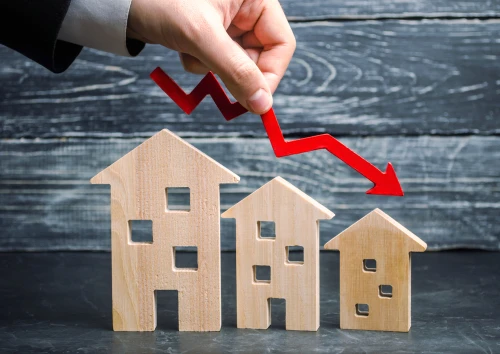
During the recession stage of the property cycle, excess supply can keep vacancies high and put downward pressure on rents. Conditions vary by location and property type, so rental demand won’t necessarily fall everywhere. Common signs include:
- Vacancy rates remain high or continue rising
- Rents weaken, and concessions become more common
- Previously started projects add more supply
- New construction starts slow as developers respond to weaker conditions
A downturn may create opportunities to buy distressed or foreclosed properties at lower prices. However, repair costs, unpaid obligations, and weak rental demand can outweigh the discount. Review the property’s condition, title, and expected expenses before buying.
How Long Do Real Estate Cycles Last?
Real estate cycles don’t follow a fixed timetable. Their length varies by location, property type, construction activity, financing conditions, and changes in demand.
You may come across references to an 18-year cycle, but that isn’t a reliable countdown for your local market. Track current conditions rather than assuming the next stage will begin in a particular year. Next, we’ll review some of the main factors affecting the real estate cycle.
Factors That Affect the Real Estate Cycle
Several factors may affect the housing market cycle. However, the main factors to pay attention to include the following:
- Economic Health
- Interest Rates
- Demographics
- Government Policies
 Economic Factors
Economic conditions can influence real estate through changes in employment, household income, and business activity. Stronger job growth may support housing demand, while job losses can weaken it. However, local supply, financing conditions, and property type also matter, so real estate markets don’t always move in step with the broader economy.
Interest Rates
Another major factor that affects real estate markets is interest rates. When rates are high, it can deter a lot of investors or homebuyers from buying real estate. However, when rates are low, the demand for real estate is generally higher, as total financing is cheaper.
Demographics
Population growth, migration, age, and household size can influence demand for different types of homes. Investors can use these trends to understand local housing needs and rental demand. Rental marketing and screening should follow applicable fair housing laws and avoid preferences or exclusions based on protected characteristics.
Government Policies
Finally, government policies can affect the real estate cycle by making changes that cater to buyers’ or sellers’ desires. For instance, policymakers can implement tax deductions, tax credits, or homebuyer programs to create incentives to buy real estate. As such, these factors can significantly influence the housing market cycle.
FAQs About the Real Estate Cycle
Understanding the stages is useful, but applying them to a rental investment can raise more questions. Here are some common ones.
What Are the Four Stages of the Real Estate Cycle?
The four stages are recovery, expansion, hyper-supply, and recession. During recovery, vacancy begins to fall. Expansion brings stronger demand and more construction. In hyper-supply, supply starts growing faster than demand. During recession, excess supply and weaker demand can put further pressure on occupancy and rents.
How Can You Tell Which Stage Your Local Market Is In?
Look at several indicators together, including vacancy rates, rent growth, construction activity, and demand for available properties. For example, rising vacancies and slower rent growth may suggest that supply is outpacing demand. One statistic alone won’t give you the full picture.
Do All Property Types Follow the Same Real Estate Cycle?
No. Apartments, offices, retail properties, and other property types can experience different conditions within the same city. Focus on the location and property type you plan to invest in.
What Is the Best Stage of the Real Estate Cycle to Buy Property?
There’s no single best stage for every investor. A lower purchase price during a downturn may come with weaker rental demand or higher vacancy. During expansion, demand may be stronger, but properties may cost more. Compare the deal’s expected income and expenses rather than relying on the stage alone.
Does a Real Estate Recession Mean Rental Demand Will Fall Everywhere?
No. Rental demand varies by location, property type, and local employment conditions. A slowdown in home sales doesn’t automatically mean fewer people need rental housing. Check local leasing activity and vacancy data before drawing conclusions.
Should You Sell When the Market Enters Hyper-Supply?
Not automatically. Review your property’s cash flow, upcoming repairs, loan obligations, and local competition. Holding may still make sense if the rental can cover its costs, but don’t assume rents or property values will keep rising.
Invest in Property Management for Your Rentals
Navigating the four stages of the real estate cycle is crucial for all current and future investors. Additionally, understanding real estate markets is beneficial for all real estate professionals. For instance, hiring business professionals well-versed in buying, selling, and managing real estate is important.
Need More Advice? contact us today!
Luckily, our property managers at Bay Property Management Group have the knowledge and expertise to help your rental business succeed. Whether you need help marketing properties, finding tenants, or handling accounting, we’ve got you covered. Contact BMG today if you need rental management in Baltimore, Philadelphia, Northern Virginia, or Washington, DC.