

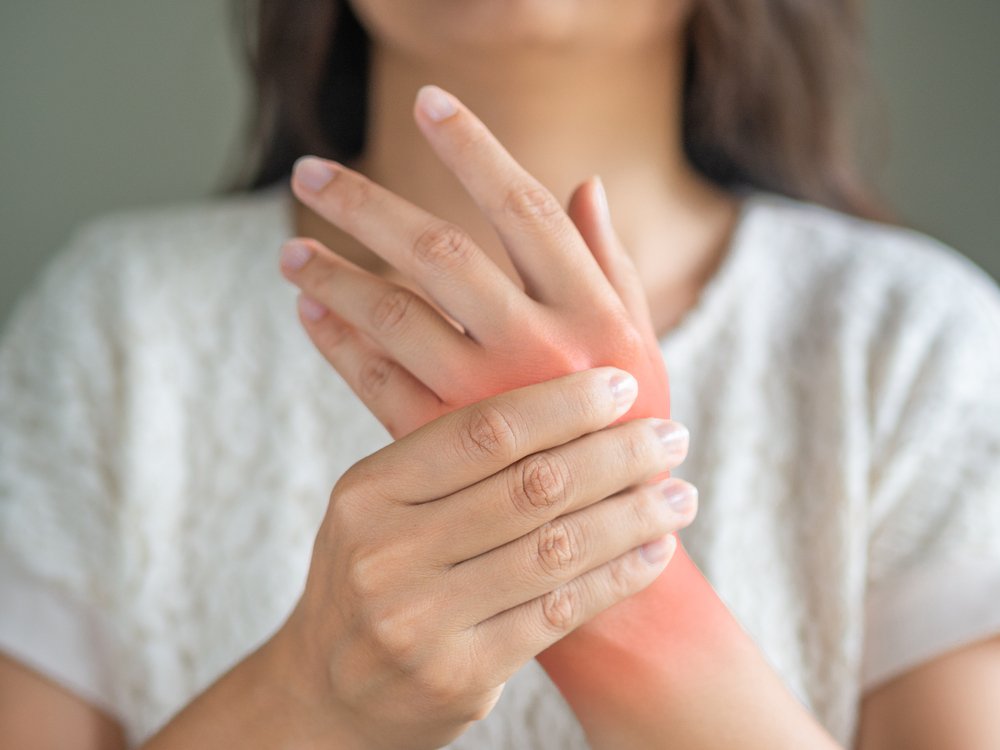


The autoimmune disease rheumatoid arthritis affects more than 1.3 million people in the United States. While the condition is far more common in women than men, it can affect anyone at any age. “It’s not actually a disease of old age — it’s a disease of immune dysfunction,” says rheumatologist Rochelle Rosian, MD. “There can be a genetic predisposition. But usually, we think there’s a trigger for the condition, something that overtakes your system and sets it off.”
1. What Natural Support for Rheumatoid Arthritis Can and Cannot Do
Natural support for rheumatoid arthritis works best as a partner to medical care, never a replacement. The World Health Organization estimates 18 million people worldwide were living with rheumatoid arthritis in 2019, about 70% of them women.
The CDC states plainly that rheumatoid arthritis has no cure. It is managed with medicines and lifestyle changes, and early treatment helps prevent joint damage.
Why Natural Approaches Sit Alongside Disease-Modifying Medication
Disease-modifying drugs slow the disease itself. Natural approaches ease the daily burden: stiffness, swelling, fatigue, and pain.
Think of it as two lanes. Medication controls joint inflammation at the source; diet, movement, and stress care help your body cope with what is left. Recent reviews discuss botanicals as possible adjuncts, not substitutes.
Watch Out
Never stop or reduce a prescribed disease-modifying drug to try a natural remedy. Uncontrolled inflammation can cause permanent joint damage within months. Talk to your rheumatologist before changing anything.
2. Supplements for Rheumatoid Arthritis: Evidence, Dosing, and Safety
Supplements for rheumatoid arthritis range from well-studied to barely tested. We sort them by the strength of human data, not by how often they trend online.
Turmeric, Omega-3s, and Other Options With Human Data
Curcumin, the active compound in turmeric, and omega-3 fatty acids from fish oil are the two most discussed options. A review indexed by PubMed Central’s natural medicines review names resveratrol, icariin, and epigallocatechin-3-gallate among the plant compounds studied for rheumatoid arthritis.
A double-blind, placebo-controlled study of glucosamine in people with rheumatoid arthritis used a daily dose of 1,500 milligrams, according to EBSCO Research Starters on natural treatments. The outcome was not reported, which is exactly the kind of gap you should notice.
| Supplement | Typical Studied Dose | Evidence Level | Watch For |
|---|---|---|---|
| Omega-3 (EPA/DHA) | 2-3 g daily | Moderate | Blood thinning |
| Curcumin | 500-1,000 mg daily | Early | Stomach upset |
| Glucosamine | 1,500 mg daily | Weak | Shellfish allergy |
| Vitamin D | Per blood test | Supportive | Toxicity at high doses |
Drug Interactions and Side Effects to Check First
Interactions matter more than most guides admit. Omega-3s and curcumin can thin the blood, raising bleeding risk with anticoagulants, and glucosamine may affect blood sugar. Tell your rheumatologist every supplement you take, including doses.
Pro Tip
Bring your supplement bottles to your next appointment. Labels list fillers and extracts your doctor needs to see, and it takes two minutes.
3. Anti-Inflammatory Foods for Rheumatoid Arthritis: What to Eat and Avoid
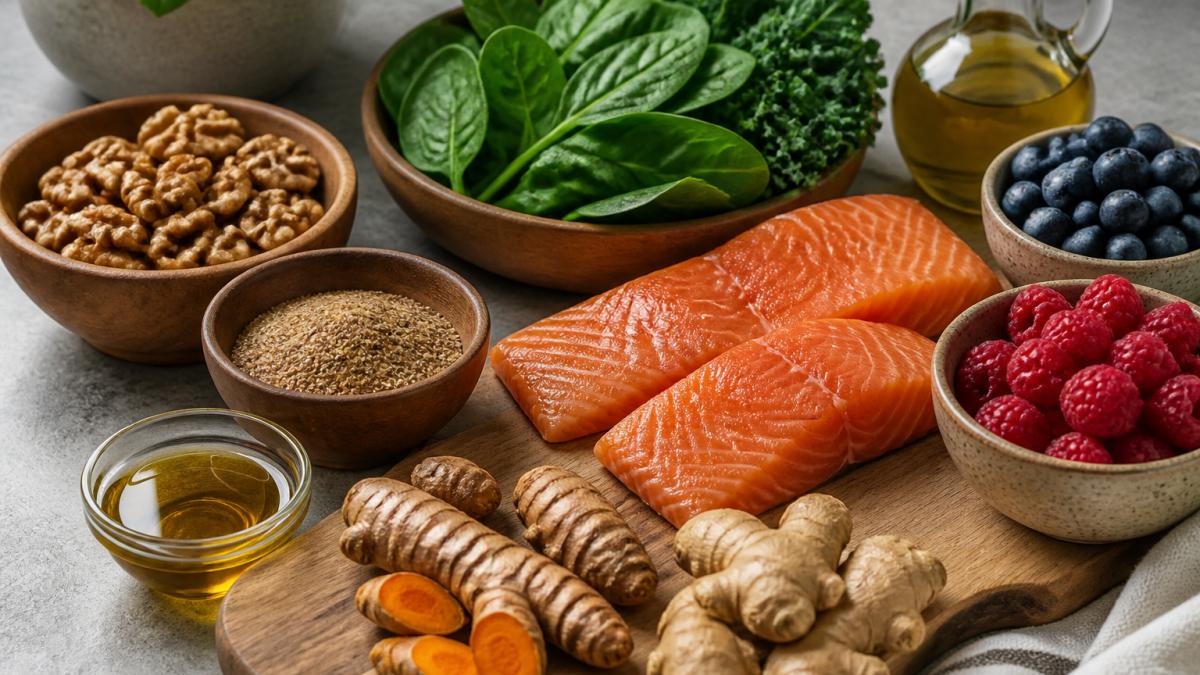
for rheumatoid arthritis follow a simple pattern: more plants, more oily fish, fewer processed foods. Cleveland Clinic lists an anti-inflammatory diet among natural approaches, and the CDC’s rheumatoid arthritis guidance groups lifestyle changes with medicine as core management.

(https://www.frontiersin.org/journals/natural-products) found promising effects for botanicals in preclinical research, including tripterygium and artemisinin derivatives. Preclinical means lab and animal work, not proof in people. Some of these compounds, tripterygium in particular, carry real toxicity risks and are not appropriate for self-treatment. Keep that distinction in mind with every headline you read.
Measuring Whether a Mind-Body Therapy Is Helping
Use the same log described in Section 7. Before starting, record two weeks of baseline for:
- Pain on a 1-10 scale
- Morning stiffness duration
- Sleep quality
Recheck at 4-8 weeks. If nothing has moved, the therapy is not earning its cost or your time. If something has, keep it and consider adding a second therapy, one change at a time is easier to evaluate.
7. Tracking Results Beyond Pain: How to Measure Whether Natural Support Works
Pain scores alone miss most of the story. Track function, sleep, stiffness, and mood alongside pain for the full picture.
Measure these weekly:
- Morning stiffness duration in minutes
- Grip strength, such as opening jars
- Stairs climbed without stopping
Log them in a notebook or app. Bring the log to appointments. Trends over four to eight weeks tell you far more than any single good or bad day.
Frequently Asked Questions
What natural remedies may help with rheumatoid arthritis symptoms?
Research has examined several options. A 2022 review indexed in PubMed Central describes studied natural medicines including flavonoids, polyphenols, alkaloids, glycosides, and terpenes, naming resveratrol, icariin, and epigallocatechin-3-gallate as examples. A 2025 review in Frontiers in Immunology reports promising preclinical effects for botanicals such as tripterygium and artemisinin derivatives. A double-blind, placebo-controlled study of glucosamine in people with rheumatoid arthritis used a daily dose of 1,500 milligrams, though the search result does not provide the outcome. The CDC states rheumatoid arthritis has no cure but is managed with medicines and lifestyle changes, so treat natural support as a complement, not a replacement.
Can natural therapies replace rheumatoid arthritis medication?
No. The CDC says rheumatoid arthritis has no cure and is managed with medicines and lifestyle changes, and it emphasizes early diagnosis and treatment to help avoid joint damage. Natural support for rheumatoid arthritis works best as an addition to prescribed care. The 2025 Frontiers in Immunology review describes promising effects in preclinical research, which does not establish effectiveness in people. Talk with your rheumatologist before changing anything, especially supplements that may interact with disease-modifying medication.
Which supplements for rheumatoid arthritis may help, and are they safe?
Some supplements have human data. A double-blind, placebo-controlled study of glucosamine in 51 people with rheumatoid arthritis used 1,500 milligrams daily, but the search result does not report the outcome. Reviews also discuss turmeric, omega-3 fatty acids, and plant compounds such as resveratrol and epigallocatechin-3-gallate. Safety matters: supplements can interact with medication and cause side effects. Check with your rheumatologist before starting any supplement, especially if you take blood thinners, immunosuppressants, or other prescriptions.
What should I do during a rheumatoid arthritis flare-up?
A flare-up means symptoms such as joint pain, stiffness, and swelling worsen. Rest the affected joints, use gentle range-of-motion movement if tolerable, and apply topical gels or cold packs as your clinician advises. Do not stop or change prescribed medication on your own. Contact your rheumatologist if the flare is severe, lasts longer than a few days, or comes with new symptoms. Keep a simple log of what you ate, how you slept, and your stress level, because patterns can help you and your care team adjust your plan.
Related