

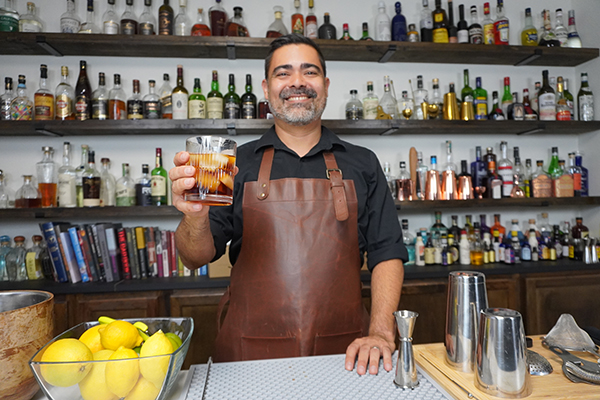

Photo by Helena Lopes via www.unsplash.com
Table of Contents
You don’t need a fancy title, a formal degree, or the ability to set an orange peel on fire to become a mixologist.
What you do need is a strong foundation in cocktails, plenty of hands-on practice, and a willingness to keep learning. Because while memorizing a few classic cocktail recipes is a good start, mixology goes much deeper than knowing how to make a Margarita.
If you’re hoping to work professionally, you’ll also need the practical skills required behind a real bar, from speed and organization to hospitality and responsible alcohol service.
So, where do you start? Let’s walk through it.
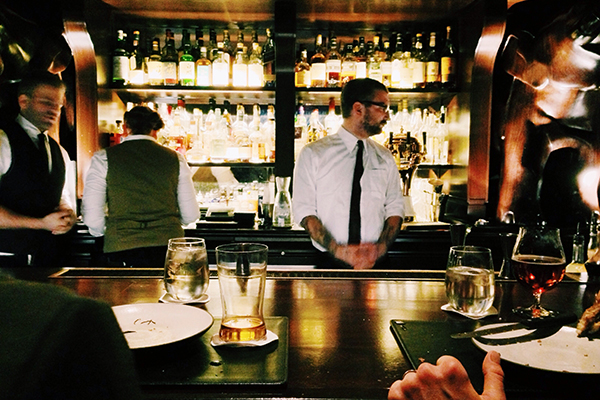
Photo by Taylor Davidson via www.unsplash.com
What Is a Mixologist?
A mixologist is someone with an in-depth understanding of cocktails, ingredients, spirits, techniques, and flavor development.
The term tends to emphasize the craft and study of cocktails rather than everything involved in working a bar shift. A mixologist might develop original recipes, create cocktail menus, experiment with ingredients and techniques, teach cocktail classes, consult for bars or brands, or, yes, work behind a bar.
But there’s an important distinction here.

Copyright A Bar Above
Mixologist vs. Bartender: What’s the Difference?
The terms bartender and mixologist overlap, but they aren’t necessarily interchangeable.
A bartender’s job is much broader than making cocktails. Bartenders take orders, serve guests, handle payments, keep their stations clean and organized, manage multiple orders at once, prep ingredients, restock, and provide hospitality throughout a shift.
Mixology focuses more specifically on the knowledge and craft behind making drinks: cocktail structure, flavor balance, spirits, ingredients, techniques, recipe development, and presentation.
And plenty of great bartenders are also excellent mixologists.
Personally, I don’t think the title matters nearly as much as actually knowing what you’re doing. Calling yourself a mixologist won’t magically fix an unbalanced Daiquiri.
Copyright A Bar Above
Do You Need a License to Become a Mixologist?
There isn’t one universal “mixologist license” that makes someone a professional mixologist.
If you’re planning to work as a bartender, however, alcohol-service requirements vary depending on where you live. Your state or local jurisdiction may require alcohol-server training, certification, or other steps before you’re allowed to serve alcoholic beverages professionally.
So before applying for bartending jobs, check the current requirements where you live.
Completing a mixology or bartending course can help you develop your cocktail knowledge, but a course certificate and a legally required alcohol-service certification are not necessarily the same thing.
Copyright A Bar Above
How to Become a Mixologist
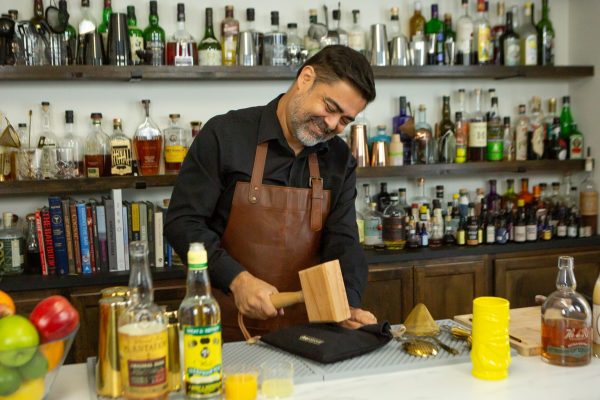
There isn’t one official path into mixology. Some people start behind a bar and learn through years of service. Others begin as enthusiastic home bartenders, take classes, read everything they can get their hands on, and eventually move into professional cocktail work.
Most people benefit from some combination of education, practice, and real-world experience.
Here’s where I’d start.

Copyright A Bar Above
Learn the Cocktail Fundamentals
Before worrying about clarified milk punch or whether your cocktail needs three different homemade tinctures, learn how the classics work.
Start with foundational cocktail families and drinks such as the Old Fashioned, Martini, Manhattan, Daiquiri, Margarita, Whiskey Sour, Negroni, and Highball.
Copyright A Bar Above
But don’t just memorize the recipes, either. Practice, taste, and pay attention to why they work.
Learn what happens when you increase the sweet component of a sour. Taste what additional dilution does to a Manhattan. Make the same Daiquiri with different rums. Compare fresh citrus to bottled juice.
Understanding the structure underneath a recipe is much more useful than memorizing 100 drinks without understanding any of them.
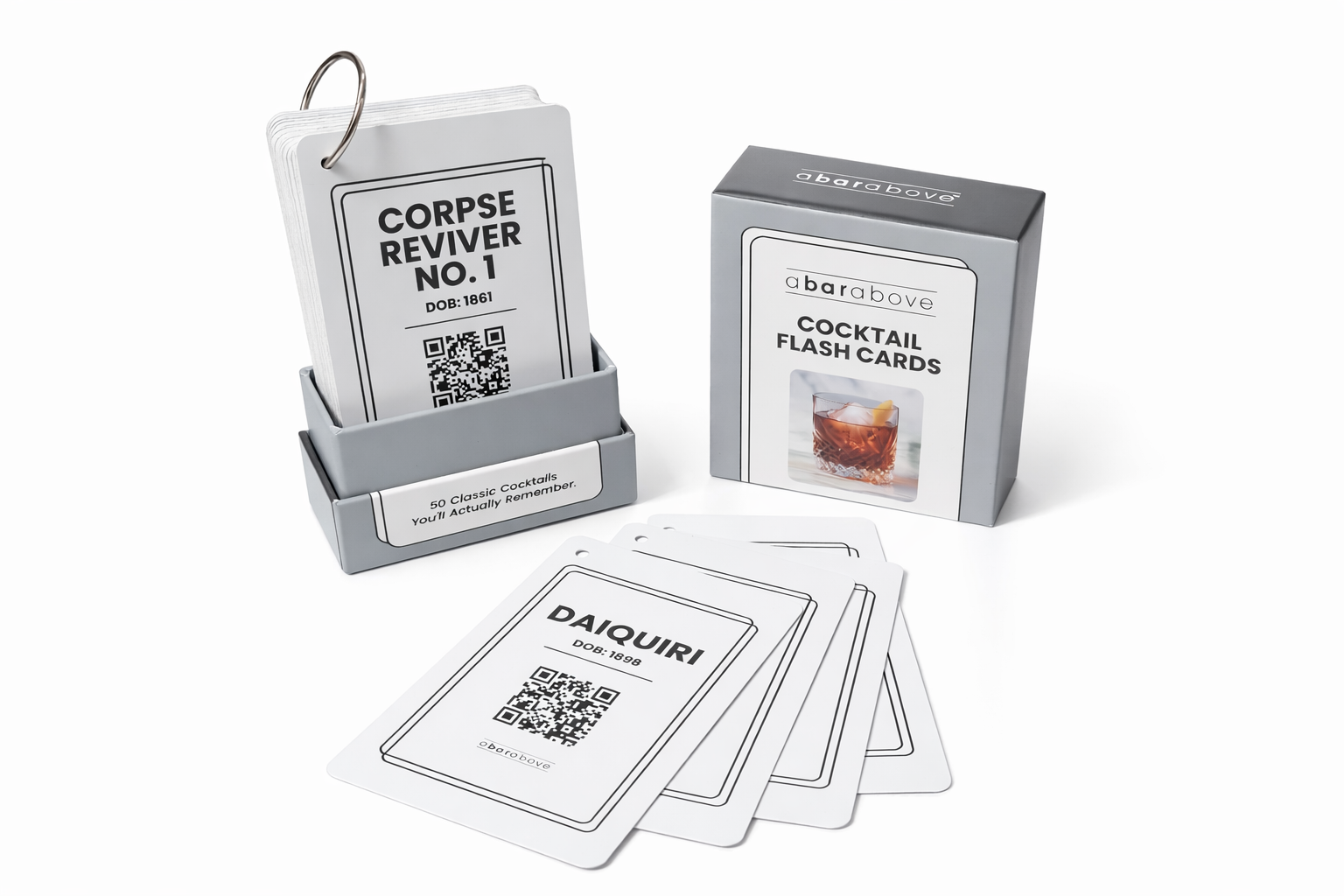
And when you get it and are ready to memorize them, we offer these great flash cards for studying.
Copyright A Bar Above
Get Hands-On Bartending Experience
If your goal is to work professionally, there’s no substitute for spending time in an actual hospitality environment.
You may begin as a server, host, or barback before moving into a bartending position. A good cocktail bar can expose you to techniques, ingredients, prep systems, service standards, and the realities of making drinks when several guests want your attention at the same time.
You’ll also develop skills that aren’t particularly glamorous but are essential behind a bar: organization, efficiency, cleanliness, communication, and customer service.
I mean, making a beautiful cocktail at home when nobody is waiting is one thing. Making several consistently while approximately 47 other things are happening is totally another.

Copyright A Bar Above
Study Spirits, Ingredients, & Flavor
Knowing recipes is useful. Knowing your ingredients is what gives you the ability to move beyond the recipe.
Spend time learning the major spirit categories, including whiskey, gin, rum, tequila and other agave spirits, brandy, and vodka. Then expand into vermouth, amari, liqueurs, bitters, fortified wines, syrups, citrus, herbs, and other common cocktail ingredients.
More importantly, taste things.
Compare two gins side by side. Try different styles of rum. Taste sweet vermouth on its own instead of treating it like the mysterious bottle that lives in your refrigerator door.
The more familiar you become with individual ingredients, the easier it becomes to understand why they work together.

Copyright A Bar Above
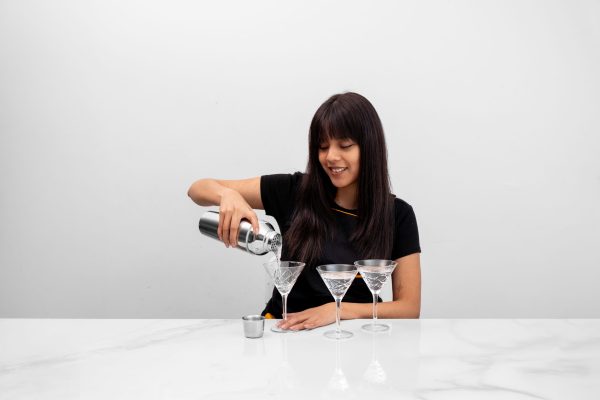
Practice Your Cocktail Techniques
Good mixology isn’t only about ingredients. Technique affects temperature, dilution, texture, aroma, and ultimately how the drink tastes.
Practice the core skills you’ll use again and again:
Once you’re comfortable with the fundamentals, you can explore more advanced techniques such as infusions, foams, clarification, fat-washing, carbonation, and batching.
But don’t rush into advanced techniques just because they look impressive. A beautifully clarified cocktail isn’t much of a victory if you still can’t make a decent Corpse Reviver 2.

Photo by Jia Jia Shum via www.unsplash.com
Learn How to Create Original Cocktails
This is where mixology gets especially fun.
Instead of throwing six ingredients into a shaker and hoping they’ve become friends by the time you’re done shaking, start with a structure you already understand.
Take a classic recipe and change one component. Swap the base spirit. Experiment with the sweetener. Introduce a complementary bitter or herbal flavor. Taste, adjust, and write down what you changed.
As you get more comfortable, start thinking about:
- Sweetness
- Acidity
- Bitterness
- Alcohol base & ABV
- Dilution
- Texture
- Aroma
- Temperature
Recipe development involves experimentation, and not every experiment is going to taste good. That’s part of learning.

Copyright A Bar Above
Bartending School vs. Online Mixology Courses
Formal bartending school isn’t required to become a bartender or mixologist, but structured education can help you build your knowledge much faster than piecing everything together yourself.
An in-person bartending program can be especially useful if you want hands-on instruction, immediate feedback, and practice working physically with bar tools.
Online education offers a different advantage: You can learn at your own pace, revisit lessons, and choose courses that focus on specific areas you want to improve.
At A Bar Above, we offer cocktail and bartending courses for a range of experience levels, from foundational cocktail knowledge to more advanced topics.
But remember: Courses shouldn’t replace practice. They do, however, give that practice some structure.

Stock photo courtesy of Ten Speed Press
Cocktail Books & Other Resources
Cocktail books are still one of my favorite ways to learn.
A good book can teach you cocktail history, technique, recipe structure, spirits, flavor theory, and the thinking behind some of the industry’s most influential drinks.
You don’t have to read everything at once, either. Pick a subject you’re interested in and go from there.
You can also learn an enormous amount through reputable cocktail websites, industry publications, podcasts, and educational videos. Chris demonstrates cocktails and techniques on our A Bar Above YouTube channel, so that’s another free place to learn and practice along with us.
The important part is putting what you learn into practice instead of endlessly collecting information about cocktails without actually making any.

Copyright A Bar Above
OK, we sell bar tools, yes. But I’ll be the first to tell you that you don’t need a 30-piece bartender kit to start learning mixology.
A very solid basic setup includes:
Add a muddler and a few other specialty tools as your cocktail repertoire expands.
Quality tools make practice easier and more consistent, but buying professional barware doesn’t automatically make someone a professional bartender. Unfortunately, there is no shortcut quite that convenient, but having reliable tools certainly makes things easier and less frustrating.

Photo courtesy of Cocktail Kit 2 Go
What About Cocktail Kits?
Cocktail kits where all or most of the ingredients are curated for you can be useful when you’re first experimenting with new recipes, particularly if they introduce you to ingredients you wouldn’t normally buy. (And you don’t have to buy a lot of something you’re not sure you’ll use again.)
They’re also fun for practicing at home alongside a book, video, or course.
Just don’t confuse completing a few cocktail kits with developing a complete mixology education. Eventually, you’ll want to choose your own ingredients, understand their role in the drink, and learn how to make adjustments yourself. But they’re a fun way to get comfortable mixing drinks and trying something new.

Photo by Artem Pochepetsky via www.unsplash.com
How Long Does It Take to Become a Mixologist?
There’s no specific number of months or years after which someone officially becomes a mixologist.
You can learn the fundamentals of cocktail making relatively quickly, but developing a deep understanding of spirits, ingredients, technique, hospitality, and recipe creation takes time and continued practice.
And if you want to become an excellent professional bartender, you’ll need experience that can’t really be recreated at your kitchen counter.
Honestly, I’d worry less about when you’ve earned the title and more about whether your knowledge and skills keep improving.

Copyright A Bar Above
Career Paths for Mixologists
Working behind a cocktail bar is an obvious path, but strong cocktail knowledge can lead in several directions. Depending on your experience and interests, you might eventually:
Those opportunities generally come after you’ve built real expertise, rather than simply completing a course and adding “master mixologist” to your bio.

Photo courtesy of DesignPickle/stock.adobe.com
Keep Learning, Keep Making Drinks
So, how do you become a mixologist?
Learn the classics. Understand your ingredients. Practice your technique. Taste thoughtfully. Get hospitality experience if you want to work professionally, and use books, courses, videos, and other bartenders to keep expanding what you know.
You don’t have to learn everything before you’re allowed to start. In fact, you couldn’t if you tried. The cocktail world is enormous, and there’s always another spirit, technique, ingredient, or very strong opinion about Martinis just waiting around the corner.
That’s part of what makes mixology interesting.
So start with the fundamentals, make a lot of drinks, pay attention to what works, and keep learning from there. Cheers!