Types of Brewing Equipment: A Complete Guide to Modern Brewing Equipment for Beer Production

Choosing the right brewing equipment can decide whether a brewery produces consistent, high-quality beer or struggles with unstable results. Many new brewers invest in machines without understanding their functions. A complete equipment plan helps reduce costs, improve efficiency, and support long-term growth.
The main types of brewing equipment include brewhouse equipment, fermentation equipment, and packaging equipment. Professional breweries use mash tanks, kettles, fermenters, storage tanks, cooling systems, and filling equipment to complete the brewing process from raw materials to finished beer.

Article Outline
- What Are the Different Types of Brewing Equipment Used in Beer Production?
- What Brewing Equipment Do You Need to Start Brewing Beer?
- What Are the Three Main Categories of Brewing Equipment?
- How Does Brewhouse Equipment Work During the Brewing Process?
- Why Is Fermentation Equipment Important for Beer Quality?
- What Equipment Is Used for Home Brewing and Small Batches?
- How Does Professional Brewery Equipment Improve Commercial Brewing?
- Why Is Stainless Steel the Preferred Material for Brewing Equipment?
- How Should Brewers Choose the Right Brewing Equipment?
- How Can a Brewery Equipment Manufacturer Support Your Brewing Project?
Brewing beer requires a combination of carefully designed machines and vessels. Each piece of equipment has a specific purpose, from preparing ingredients to controlling fermentation and packaging the final product.
The world of brewing includes many equipment categories, but most systems can be divided into several main groups:
| Equipment Category | Main Function | Common Equipment |
| Brewhouse Equipment | Produces wort | Mash tun, kettle, whirlpool tank |
| Fermentation Equipment | Converts wort into beer | Fermenter, fermentation vessel |
| Storage Equipment | Conditions finished beer | Bright tank, keg |
| Packaging Equipment | Prepares products for sale | Filling machine, kegging system |
For professional breweries, choosing the right brewing equipment is not simply about purchasing machines. It requires understanding production capacity, beer styles, available space, and future expansion plans.
As a professional brewery and beverage equipment manufacturing plant, we provide customized stainless steel brewing systems, fermentation tanks, brewhouse systems, and turnkey brewery solutions for global customers.
Our customers include:
Craft breweries
Brewpubs
Taprooms
Microbreweries
Commercial breweries
Beverage startups
Kombucha producers
Cideries
Wineries
Distilleries
A successful brewery begins with proper equipment selection.
Many new brewers ask: “What brewing equipment do I actually need?”
The answer depends on production goals. A small home brewery requires fewer machines, while a commercial brewery needs a complete production system.
The basic brewing setup usually includes:
1. Mash Equipment
A mash system combines malted grains and hot water to create wort.
The mash process extracts sugars from grains, which later become food for yeast during fermentation.
Common equipment includes:
Mash tun
Mash kettle
Temperature sensors
Mixing systems
The quality of the mash directly affects the flavor, alcohol content, and efficiency of the brew.
2. Brewing Kettle
A kettle is used to boil wort with hops.
During boiling:
- Unwanted compounds are removed
- Hop bitterness develops
- Flavors become more balanced
- Wort becomes ready for fermentation
Modern breweries often use a specialized boil kettle with heating systems and controls for accurate operation.
3. Fermentation Equipment
After wort preparation, fermentation begins.
Fermentation equipment provides a controlled environment where yeast converts sugar into alcohol and carbon dioxide.
A professional fermenter usually includes:
- Temperature control
- Pressure management
- Sanitary valves
- Cooling systems
The fermentation stage is one of the most important parts of the brewing process.
4. Packaging Equipment
After the beer reaches the desired quality, packaging equipment prepares it for customers.
Common options include:
- Keg filling systems
- Bottling machines
- Canning systems
Good packaging protects flavor and extends product quality.
When discussing the three types of brewing equipment, most professional brewers refer to:
- Brewhouse equipment
- Fermentation equipment
- Packaging equipment
These three main categories cover the complete beer production process.
Category 1: Brewhouse Equipment
Brewhouse equipment creates wort from raw ingredients.
The main steps include:
- Milling grains
- Mashing
- Filtering
- Boiling
- Cooling
The brewhouse is the heart of every brewery.
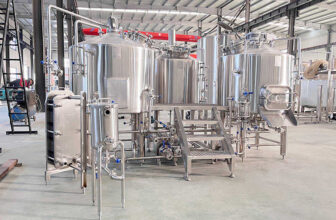
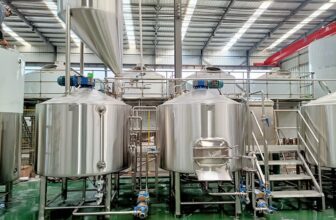
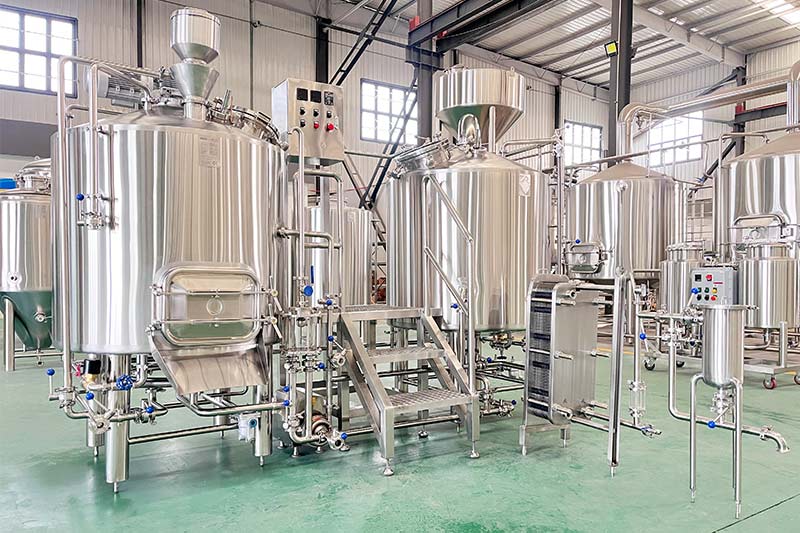
A complete brewhouse system may include:
- Mash tun
- Lauter tank
- Brew kettle
- Whirlpool vessel
- Heat exchanger
The goal is to create stable wort with the correct sugar concentration before fermentation.
Category 2: Fermentation Equipment
Fermentation equipment transforms wort into beer.
During fermentation, yeast consumes sugars and creates alcohol and carbon dioxide.
A typical fermentation system includes:
- Fermenters
- Cooling systems
- Temperature sensors
- Control panels
Professional fermenters allow brewers to manage fermentation temperature, pressure, and timing.
Different beer styles require different fermentation conditions, so flexible equipment design is important.
Category 3: Packaging Equipment
The final stage involves preparing beer for customers.
Packaging equipment helps breweries:
- Fill containers accurately
- Maintain carbonation
- Reduce contamination risks
- Improve production efficiency
Packaging solutions may include:
- Kegging systems
- Bottle fillers
- Can fillers
For commercial breweries, reliable packaging equipment helps maintain product quality from production to delivery.
The brewhouse controls the early stages of making beer. It transforms raw materials into wort before fermentation begins.
The basic brewing process includes:
Step 1: Mashing
During mashing, grains mix with hot water inside a mash tun.
This process activates enzymes that convert starch into sugar.
The result is a liquid called wort.
Step 2: Lautering
After mashing, the brewer separates liquid wort from grain materials.
A clear wort improves brewing efficiency and final flavor.
Step 3: Boiling
The wort enters the kettle.
Brewers add hops during boiling to create aroma and bitterness.
Step 4: Cooling
The hot wort must cool before yeast addition.
A heat exchanger quickly reduces temperature while protecting wort quality.
Professional brewing systems combine these stages into efficient workflows.
For breweries producing commercial beer, automated systems improve consistency and reduce manual operation.
Fermentation is the stage where wort becomes beer. Even with excellent ingredients and a well-designed brewhouse, poor fermentation control can reduce the quality of the final product.
During fermentation, yeast transforms sugar in wort into alcohol and carbon dioxide. This process creates the flavor, aroma, and character that define different beer styles.
Professional fermentation equipment provides a stable environment for yeast activity. A modern fermenter allows brewers to control:
Fermentation temperature
Pressure level
Fermentation time
Yeast management
Cleaning procedures
A high-quality fermentation vessel is usually designed with:
Food-grade materials
Sanitary welding
Cooling jackets
Pressure valves
Temperature sensors
These features help brewers achieve consistent results batch after batch.
For commercial breweries, fermentation equipment is one of the most important investments because it directly affects beer quality, production efficiency, and operating costs.
What Types of Fermentation Equipment Are Used in Breweries?
Different breweries use different fermentation solutions depending on their production goals.
Common fermentation equipment includes:
| Equipment | Function |
| Conical fermenter | Primary fermentation and yeast collection |
| Unitank fermenter | Fermentation and carbonation in one vessel |
| Bright tank | Beer conditioning and storage |
| Conditioning tank | Flavor improvement before packaging |
| Open fermenter | Traditional fermentation methods |
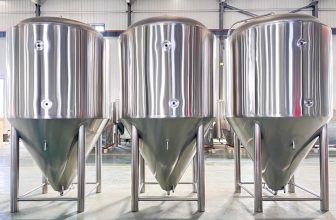
The conical fermenter is one of the most popular options in modern breweries because the cone-shaped bottom allows yeast collection and easy cleaning.
Many craft breweries choose stainless steel fermenters because they provide durability, hygiene, and long service life.
A properly designed fermentation system helps breweries produce different beer styles while maintaining stable quality.

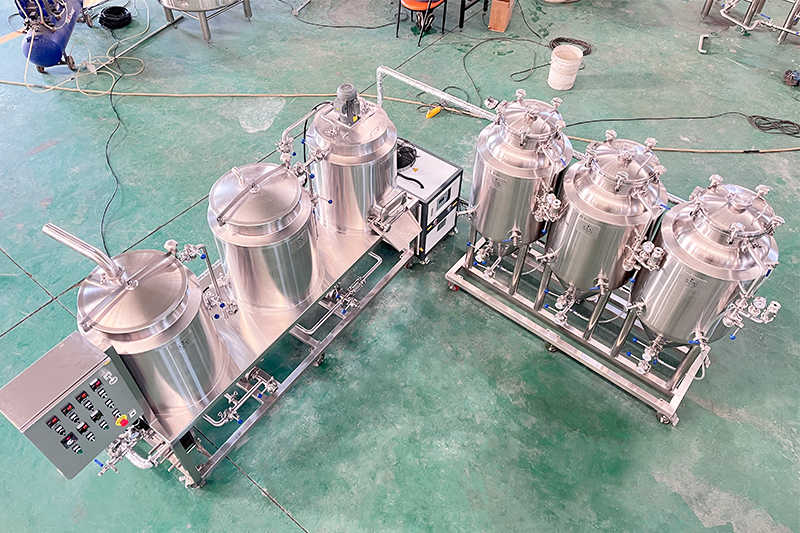
Home brewing allows beginners to explore beer making with simple tools. Compared with commercial production, home brewing equipment is smaller and designed for limited production.
A basic home brewing setup may include:
Brewing kettle
Fermentation bucket
Glass carboy
Airlock
Thermometer
Hydrometer
Bottling equipment
Many beginners start with extract brewing because it requires fewer steps. More experienced brewers often move to all-grain brewing, which provides greater control over ingredients and flavors.
A small home brewery usually focuses on producing small batches for personal enjoyment.
However, as demand grows, many successful brewers eventually upgrade to professional brewing equipment to increase capacity and improve consistency.
The transition from home brewing to commercial production requires careful planning, including:
Production volume
Equipment layout
Cleaning requirements
Fermentation capacity
Packaging needs
Commercial breweries require more advanced solutions than small-scale brewing operations.
Large production requires equipment that can handle:
Higher volume
Frequent brewing schedules
Strict sanitation standards
Consistent quality control
Modern brewery equipment includes:
Automated brewing systems
Large fermentation tanks
Temperature control systems
CIP cleaning systems
Packaging equipment
For commercial brewing, equipment reliability directly affects profitability.
A production delay caused by equipment failure can impact delivery schedules, customer relationships, and business growth.
As a professional brewing equipment manufacturer, we design customized systems based on each customer’s production goals.
Our solutions help customers optimize:
Factory space
Brewing workflow
Energy consumption
Labor efficiency
Whether a customer operates a small craft brewery or a large-scale commercial brewery, the right equipment creates a stronger foundation for growth.
Stainless steel has become the standard material for professional brewing systems because it meets the strict requirements of the beverage industry.
The main advantages include:
1. Excellent Hygiene Performance
Brewing equipment must prevent contamination during beer production.
Stainless steel surfaces are smooth, corrosion-resistant, and easy to clean.
This makes them ideal for:
Fermentation tanks
Brewing vessels
Storage tanks
Kegs
2. Long Service Life
Quality stainless steel equipment can operate for many years with proper maintenance.
For breweries, this means:
Lower replacement costs
More stable production
Better investment value
3. Easy Cleaning and Maintenance
Clean equipment is essential for successful brewing.
Stainless steel tanks support efficient cleaning processes and help reduce contamination risks.
Professional breweries often use automated cleaning systems to maintain sanitation standards.
4. Flexible Customization
Every brewery has different needs.
Stainless steel equipment can be customized with:
Different tank sizes
Special connections
Cooling systems
Control panels
Automated features
This flexibility makes stainless steel the preferred choice for modern brewing equipment.
Beyond the main equipment categories, breweries often require additional equipment to improve efficiency.
Common additional equipment includes:
| Equipment | Purpose |
| Cooling system | Controls wort and fermentation temperature |
| Heat exchanger | Quickly cools hot wort |
| CIP system | Cleans tanks and pipelines |
| Water treatment system | Improves brewing water quality |
| Keg system | Stores and transports finished beer |
These supporting systems are important because brewing is a complete production process.
For example, temperature control affects yeast performance. Cleaning systems influence product safety. Packaging systems protect the final beer.
A complete brewery project should consider the entire workflow rather than individual machines.
Choosing brewing equipment requires more than comparing prices.
The right equipment selection depends on several factors:
Production Capacity
A brewery producing 500 liters per batch has very different needs from a large industrial facility.
Consider:
Daily output
Future expansion
Number of beer styles
Brewing Method
Different brewing methods require different equipment.
Examples include:
Extract brewing
All-grain brewing
Automated brewing systems
Available Space
The factory layout affects equipment design.
A professional supplier can optimize:
Tank placement
Pipeline connection
Operating space
Maintenance access
Product Goals
Different types of beer require different production conditions.
A brewery producing IPA, lager, sour beer, or specialty beer may require different fermentation solutions.
Building a brewery involves many decisions. Working with an experienced supplier can reduce project risks and improve results.
A professional brewery equipment manufacturer provides more than machines.
The service may include:
Brewery design
Equipment selection
Manufacturing
Installation guidance
Technical training
After-sales support
Our company provides customized stainless steel brewing systems, fermentation tanks, brewhouse systems, and turnkey brewery solutions for global B2B customers.
We support:
Craft breweries
Brewpubs
Beverage startups
Commercial breweries
Engineering contractors
From the first design discussion to final production, professional support helps customers build efficient and reliable beer production facilities.
A successful brewery does not depend on one single machine. It requires a complete system where every piece of equipment works together smoothly.
A modern brewery workflow usually follows this order:
Raw Materials
↓
Milling System
↓
Mash Equipment
↓
Kettle & Whirlpool
↓
Heat Exchanger
↓
Fermentation Tanks
↓
Bright Tanks
↓
Packaging Equipment
↓
Finished Beer
Each stage influences the next one. Poor wort quality can affect fermentation. Poor temperature control can affect yeast performance. Poor packaging can reduce the shelf life of the final product.
That is why professional breweries invest in complete brewing systems instead of individual pieces of equipment.
A well-designed system provides:
Better production efficiency
Stable beer quality
Easier operation
Lower maintenance costs
Future expansion possibilities
As an experienced brewery equipment manufacturer, we help customers design complete production lines based on their target output, building conditions, and business plans.
The brewing industry continues to develop, and modern brewing equipment now focuses on automation, efficiency, and sustainability.
Compared with traditional systems, modern equipment provides better control over the brewing process.
Important features include:
Automated Temperature Control
Precise temperature management helps brewers maintain consistent fermentation conditions.
This is especially important because different yeast strains require different fermentation temperatures.
Improved Energy Efficiency
Modern systems reduce energy consumption through:
Heat recovery systems
Efficient heating methods
Better insulation
This helps breweries reduce operating costs.
Advanced Monitoring Systems
Many professional systems include:
Digital control panels
Sensors
Automated valves
Production monitoring
These technologies allow brewers to manage the brewing process more accurately.
Flexible Production Capability
Modern systems can support:
Small batches
Seasonal products
Multiple beer styles
Large-scale commercial production
For growing breweries, flexible equipment creates more opportunities for innovation.
Proper maintenance is essential for keeping brewing equipment operating efficiently.
Regular maintenance helps prevent:
Contamination
Production delays
Equipment damage
Quality problems
Important maintenance practices include:
Regular Cleaning
Brewing vessels should be cleaned after every production cycle.
Cleaning removes:
Yeast residue
Hop particles
Organic deposits
Inspection of Valves and Connections
Brewers should regularly check:
Valves
Pipes
Pumps
Seals
Small issues can become major production problems if ignored.
Monitoring Tank Conditions
Professional breweries should monitor:
Pressure
Temperature
Tank condition
Cleaning performance
Well-maintained equipment improves reliability and extends service life.
Many breweries start small and gradually expand production.
A typical growth challenge is:
Increasing output
Maintaining consistent flavor
Adding new beer styles
Improving production efficiency
For example, a craft brewery may begin with a small brewing system. As customer demand increases, it may require:
Additional fermentation tanks
Larger brewhouse capacity
More storage tanks
Automated control systems
A customized equipment solution allows the brewery to expand without replacing the entire production line.
The project process usually includes:
| Step | Service |
| 1 | Understand production goals |
| 2 | Analyze brewery layout |
| 3 | Design equipment configuration |
| 4 | Manufacture brewing equipment |
| 5 | Provide installation support |
| 6 | Offer after-sales service |
This approach helps reduce investment risks and supports sustainable business growth.
Frequently Asked Questions About Brewing Equipment
What are the different types of brewing equipment?
The main types of brewing equipment include brewhouse equipment, fermentation equipment, storage equipment, and packaging equipment. Together, they support the complete beer production process.
What brewing equipment do I need to start a brewery?
A basic brewery requires mash equipment, a kettle, fermentation tanks, cooling systems, storage tanks, and packaging equipment. The exact setup depends on production capacity and business goals.
What is the most important piece of brewing equipment?
Fermentation equipment is often considered one of the most important parts because fermentation directly affects flavor, aroma, and beer quality.
However, successful brewing requires the entire system to work together.
Why do breweries use stainless steel equipment?
Breweries choose stainless steel because it is durable, hygienic, corrosion-resistant, and easy to clean. It is suitable for long-term commercial beer production.
What is the difference between home brewing equipment and professional brewing equipment?
Home brewing equipment is designed for small batches and personal use, while professional brewing equipment is built for larger production volumes, automation, and commercial requirements.
How do I choose the right brewery equipment supplier?
A reliable supplier should provide engineering support, customized design, quality materials, installation guidance, and long-term service.
Choosing an experienced manufacturer helps ensure your brewery project succeeds.