
Dodge Durango Years to Avoid (and the Best Ones to Buy)

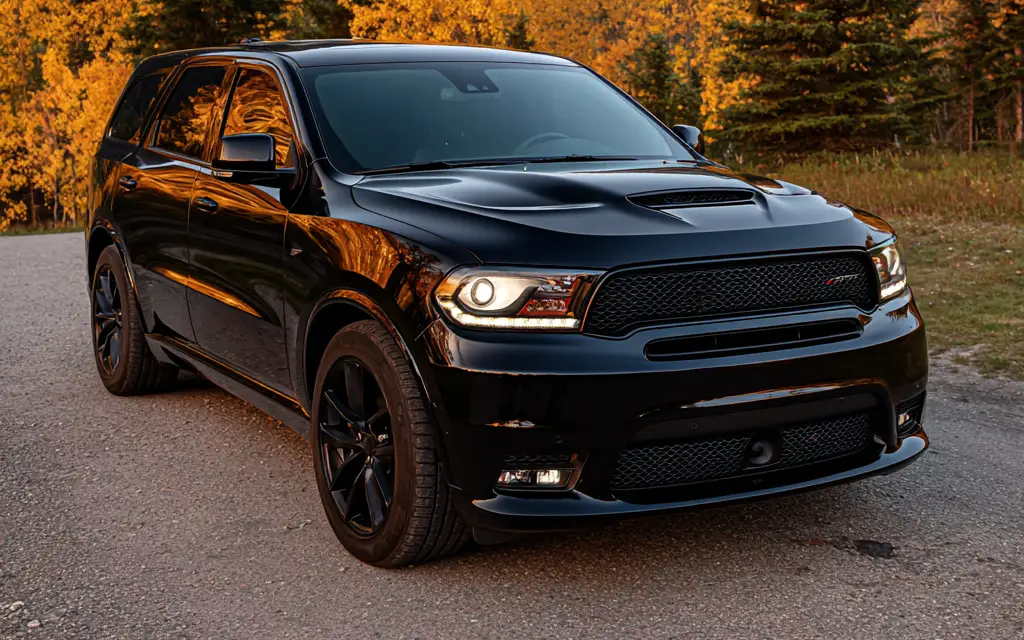
Two Dodge Durangos can sit on the same auction lot, three model years apart, and represent completely different purchases.
One has a clean vehicle-history report and almost no owner complaints. The other has eight recalls, a history of electrical failures, and a reliability score near the bottom of the nameplate. Same badge, same three rows, same V8 rumble.
That gap is what makes the Durango worth researching before you bid. This nameplate has 28 model years of history and three distinct generations, and the difference between a smart buy and an expensive lesson comes down to knowing which years earned their reputation and which ones hurt it.
Here is the breakdown.
Key Takeaways
- NHTSA has logged 4,464 complaints, 40 unique recall campaign IDs, and 149 fire reports across the third generation alone (2011–2025).
- Auto Reliability Index rates the 2018 Durango as the weakest year on record, with 5 recalls, 229 owner complaints, and 86 electrical system complaints.
- The same source shows the 2021 model carrying 8 recall campaign entries and 199 complaints, including 4 fire-related reports, with exterior lighting the leading problem area.
- CarComplaints documents dashboard electrical fires on 2004–2006 models, severe enough to trigger a Chrysler recall.
- The 2024 Durango has 0 recalls and just 13 owner complaints on file, giving it one of the cleanest recall and complaint records in the model’s history, according to Auto Reliability Index.
- RepairPal estimates annual repair costs at $675, which is $109 below the $784 average for full-size SUVs.
- Depending on trim and market conditions, the Durango retains roughly 65% of its value after five years, which helps offset depreciation when buying used.
Quick Summary: Best and Worst Durango Years
| Status | Model Years | Main Issue or Strength |
| Avoid | 1998–2000 | Early V8 issues, front suspension failures |
| Avoid | 2004–2006 | Dashboard electrical fires, recall issued |
| Caution | 2011–2015 | Early third-gen electrical and transmission complaints |
| Avoid | 2018 | 5 recalls, 229 complaints, worst reliability score (64/100) |
| Avoid | 2021 | 8 recalls, exterior lighting failures, 4 fire reports |
| Best | 2008–2009 | Cleanest second-generation recall and complaint record |
| Best | 2020 | 2 recalls, only 54 complaints, mature platform |
| Best | 2023–2025 | Near-zero complaints, refined 8-speed, modern safety tech |
The Durango Years to Avoid
1998–2000: Suspension and Engine Failures
The first generation launched with a 5.2-liter Magnum V8 that developed a reputation for stalling and outright failure. Chrysler eventually replaced it with a 4.7-liter version, though the damage to the model’s early reputation was already done.
The complaint volume tells the story. AGT Auto reports that as of 2025, NHTSA had recorded over 2,000 complaints against the 1999 Durango alone, with more than half concerning suspension problems.
Suspension is the bigger practical concern on these trucks today. Mark Regan Auto describes the 1999 and 2000 models as notorious for front suspension failure, driven by worn ball joints and failing tie rods. On a 25-year-old SUV, those components may be well beyond their expected service life.
What to listen for: clunking over bumps, uneven tire wear, and steering wheel vibration at speed.
Verdict: Skip these years unless you want a parts vehicle. The repair list is long, and the payoff is limited.
2004–2006: The Fire Problem
The second generation arrived in 2004 and immediately drew attention for the wrong reason. According to CarComplaints, electrical overloading in the driver’s side instrument panel led to repeated reports of interior fires, and the problem became common enough that Chrysler issued a recall.
AGT Auto reports the 2005 model accumulated 9 recall campaign entries and 1,567 complaints as of 2025. Beyond the fire risk, these years inherited airbag, engine, and fuel system issues. NHTSA records show a separate recall for certain 2005 Durangos (05V034000) involving a fuel-tank filler-tube check valve that could allow gasoline to escape during refueling.
There is also the Takata connection. NHTSA lists model years 2004–2009 among the vehicles covered by the large-scale airbag inflator recall affecting high-humidity states.
Verdict: Avoid unless all recalls are confirmed as completed. The fire history alone is reason enough to pass, and the recall list is unusually long.
2018: The Weakest Modern Year
Among third-generation Durangos, 2018 sits at the bottom. Auto Reliability Index scores it 64 out of 100, the lowest of any model year, against a nameplate average of 71.
The record includes 5 recall campaign entries and 229 owner complaints, with 9 flagged as crash-related. Electrical system failures dominate at 86 complaints, followed by exterior lighting at 55.
One recall detail deserves particular attention. The Weekly Driver reports that the ABS module recall for 2018–2019 Durangos began with a software remedy and was later expanded with an updated recall campaign. If you are looking at a 2018 or 2019, confirm that the latest recall remedy on file was completed, even if the vehicle was previously repaired under an earlier campaign.
Verdict: Elevated-risk/caution years. Verify every recall remedy before bidding.
2021: Recalls and Lighting Failures
The 2021 refresh brought updated styling and, according to Auto Reliability Index, 8 recall campaign entries.
Owner complaints total 199, with exterior lighting leading at 90 reports, followed by electrical at 34 and structural at 11. Severity data shows 7 crash-related complaints and 4 fire-related reports.
The Weekly Driver adds that certain 2021 Durangos with the 3.6-liter V6 were subject to EGR valve and steering rack binding recalls, so confirm that the applicable remedies were completed.
Verdict: Avoid. Better options exist within one model year in either direction.
2011–2015: Proceed Carefully
CarWhere, drawing on an analysis of 4,543 NHTSA complaints, flags the entire 2011–2015 range, along with 2018 and 2021, with body failures driving the severity-weighted complaint rate.
These are early third-generation trucks running the 5-speed automatic that Dodge replaced in 2014. They carry more risk than the years that followed.
Verdict: Not automatically disqualified, but only worth pursuing at a meaningful discount and with full recall documentation in hand.
The Most Reliable Durango Years
2008–2009 Dodge Durango: Top Budget Pick

By the end of the second generation, Chrysler had worked through the fire risk and most early defects. CarWhere identifies 2008 and 2009 as showing the cleanest recall and complaint records of that era.
These are simpler vehicles than anything built since: fewer electronics, straightforward mechanicals, and inexpensive parts. For a buyer who wants a capable V8 SUV without modern complexity, the value is here.
Verdict: The budget pick, provided the truck has been maintained and the Takata airbag recall was completed.
2020 Dodge Durango: The Sweet Spot

The 2020 Durango benefits from nine years of third-generation refinement. By this point, the ZF 8-speed transmission was well sorted, and the Uconnect infotainment system had matured considerably.
The data backs it up. Auto Reliability Index shows 2 standard-vehicle recall entries and only 54 owner complaints, roughly a quarter of what 2018 accumulated.
Verdict: A strong balance of modern features, safety technology, and proven reliability.
2023–2025 Dodge Durango: The Cleanest Records

Recent model years show a marked improvement. Auto Reliability Index scores 2023 at 75, and both 2024 and 2025 at 78, against the model average of 71.
The 2024 Durango is particularly notable at 0 recalls and 13 owner complaints on record. That is an exceptional record for any full-size SUV.
Verdict: A promising option for buyers looking for a nearly new vehicle with possible remaining warranty coverage.
Engines and Transmissions: What to Know
The Durango has offered a wide range of powertrains across three generations, and they are not equally durable.
| Engine | Years | Assessment |
| 5.2L Magnum V8 | 1998–1999 | Avoid. Stalling and failure history |
| 5.9L Magnum V8 | 1998–2003 | Better than the 5.2L, but aging |
| 4.7L PowerTech V8 | 2000–2009 | Adequate, watch for sludge buildup |
| 5.7L Hemi V8 | 2004–present | Strong, but see “Hemi tick” below |
| 3.6L Pentastar V6 | 2011–present | Generally reliable, best fuel economy |
| 6.4L Hemi V8 (SRT) | 2018–2024 | Powerful, high running costs |
The Hemi Tick
The 5.7-liter Hemi produces excellent torque and a genuinely satisfying exhaust note. It also develops a characteristic ticking noise, most audible at cold start. Mark Regan Auto attributes this to exhaust manifold bolts snapping under thermal expansion.
It can also indicate lifter or valvetrain wear, which is a considerably more expensive repair. Either way, a ticking Hemi warrants investigation before you commit.
Transmission History
Third-generation Durangos used a 5-speed automatic through 2013. From 2014, Dodge switched to the ZF 8HP 8-speed, which is a robust and widely respected unit.
That change is a meaningful dividing line. For buyers prioritizing the 8-speed, 2014 and newer Durangos are the better choice.
Most Common Durango Problems
Across model years, four issues recur most frequently:
- Electrical system faults. The most-reported problem area on the nameplate, spanning dashboard fires in 2004–2006 through the glitches that defined 2018.
- Exterior lighting failures. The single largest complaint category on the 2021 model, with 90 reports.
- Airbag issues. Multiple recalls across generations, including the Takata campaign affecting 2004–2009 models.
- Body-related failures. CarWhere identifies 777 body complaints clustered across 2012–2019, typically appearing between 99,300 and 168,122 miles.
NHTSA data shows that the third generation averages about 298 complaints per model year across 2011–2025. That context matters. The Durango offers more capability per dollar than most competitors, and the used-market discount reflects the recall history rather than the sticker price.
How to Evaluate a Durango at Auction
Auction listings give you more information than most buyers use. Here is what to prioritize.
Check for fire and electrical damage. Given the 2004–2006 fire history and the electrical complaints spanning multiple years, examine interior photos for scorching around the driver’s-side dashboard, melted trim, or evidence of aftermarket wiring repairs.
Look for flood indicators. Water damage compounds electrical problems on a platform already prone to them. Review undercarriage photos for unusual corrosion, and interior shots for staining on carpets, seat rails, and the cargo area.
Run the VIN for open recalls. This is the single highest-value step. Use NHTSA’s free VIN lookup or a ClearVin report to confirm which recall remedies were completed. Pay particular attention to:
- TIPM-related campaigns on 2014 and 2017 models covering the fuel pump relay
- The dual ABS module updates on 2018–2019 vehicles
- EGR valve and steering rack recalls on certain 2021 models
- Takata airbag inflators on 2004–2009 models
Listen for the Hemi tick. If you use an inspection service, ask specifically about ticking at cold start on any 5.7L-equipped truck.
Verify the transmission generation. Confirm whether you are looking at the 5-speed or the ZF 8-speed. The model year is a useful starting point, but engine and drivetrain codes can confirm the configuration.
Many Durangos at auction carry branded titles. If that applies to a vehicle you are considering, our guide — A Salvage Title: What Is It? — explains what the designation means for registration, insurance, and resale.
Frequently Asked Questions
What is the best year Dodge Durango to buy?
For a modern vehicle with strong reliability and current safety technology, the 2020 model offers the best balance, with 2 recall campaign entries and only 54 complaints according to Auto Reliability Index. For a nearly new purchase, the 2024 model has the cleanest record on file at 0 recalls and 13 complaints. On a tighter budget, 2008 or 2009 models provide second-generation capability without the early-year defects.
What Dodge Durango years should I avoid?
1998–2000 for engine and suspension problems, 2004–2006 for dashboard electrical fires, 2018 for its 64/100 reliability score and 86 electrical complaints, and 2021 for 8 recall campaign entries and widespread lighting failures. CarWhere also flags the 2011–2015 range for elevated complaint rates.
Is the 5.7L Hemi V8 a reliable engine?
Generally yes, with one well-documented caveat. The Hemi delivers strong torque and a long service life when maintained, but commonly develops a ticking noise from broken exhaust manifold bolts. That specific repair is manageable. If the tick comes from lifter or valvetrain wear instead, the cost rises substantially. Have any Hemi-equipped Durango inspected for this issue before purchase.
What are the common problems with the 2018 Durango?
Auto Reliability Index shows electrical system failures leading at 86 complaints, followed by exterior lighting at 55. The model year carries 5 recall campaign entries and 229 total complaints, with 9 flagged as crash-related. The ABS module recall was updated in 2024, replacing the earlier 2022 remedy, so verify that the 2024 remedy was completed, even if the vehicle was previously repaired under the 2022 recall.
What is the most reliable Durango engine?
The 3.6-liter Pentastar V6 used from 2011 onward offers the best combination of durability and running cost. It avoids the Hemi’s manifold bolt issue, returns better fuel economy, and has proven itself across millions of Chrysler products.
Should I buy a 2014 or later Durango?
The 2014 model year marks the switch to the ZF 8-speed automatic, which is a genuine improvement over the previous 5-speed. That said, CarWhere flags 2014 within its elevated-complaint range, and it carries TIPM-related recalls. A 2017 or 2020 offers the better transmission and a cleaner record.
Final Thoughts
The Durango rewards buyers who choose the right year and punishes those who do not. That is true of most vehicles, but the spread here is unusually wide.
Dodge Durango best years to target: 2008–2009, 2020, 2023–2025
Dodge Durango years to avoid: 1998–2000, 2004–2006, 2018, 2021
Before you bid, run the VIN through NHTSA’s recall database and confirm every remedy was completed. Check the engine and transmission combination as carefully as the model year. And on any Hemi-equipped truck, ask about that ticking noise.
Get those checks right, and a used Durango delivers three rows, serious towing capacity, and V8 power at a price that can undercut many competitors.
Browse salvage Durangos available in today’s auction at AutoBidMaster.
If you’re curious about other buyers’ experiences with the auction process, check out AutoBidMaster customer reviews from first-time bidders.
Sources (accessed September 2026):