
Mama always kept a jar of bacon fat on the counter right next to the cast iron ready to go at all times. We didn’t think anything of it. Every time we were done frying a little bacon, the drippings got added to the jar and we kept cooking with it. Somehow it never ran out, and we weren’t wasting money on basic cooking fat. Somehow, that stopped being standard in kitchens, and we’re here to fix that.
Dry rendering is what puts this a mile ahead of the shelf stable bricks at the grocery store. No water in the pot, no scorching, just low heat pulling clear fat out of the cubes for a few hours while you are off doing something else entirely. Leaf fat from around the kidneys gives you the mildest, whitest lard going, the kind pie people hoard and pay a premium for. Fatback gives you an all-purpose version that fries potatoes and makes a tortilla taste like somebody’s grandmother pressed them this morning.
That is three dollars of pork fat and five mostly unattended hours in a slow cooker, and it turns out the best biscuits and the best tortillas that will ever come off your own stove. Nowadays, we keep a jar of rendered lard in the fridge door right next to the butter.
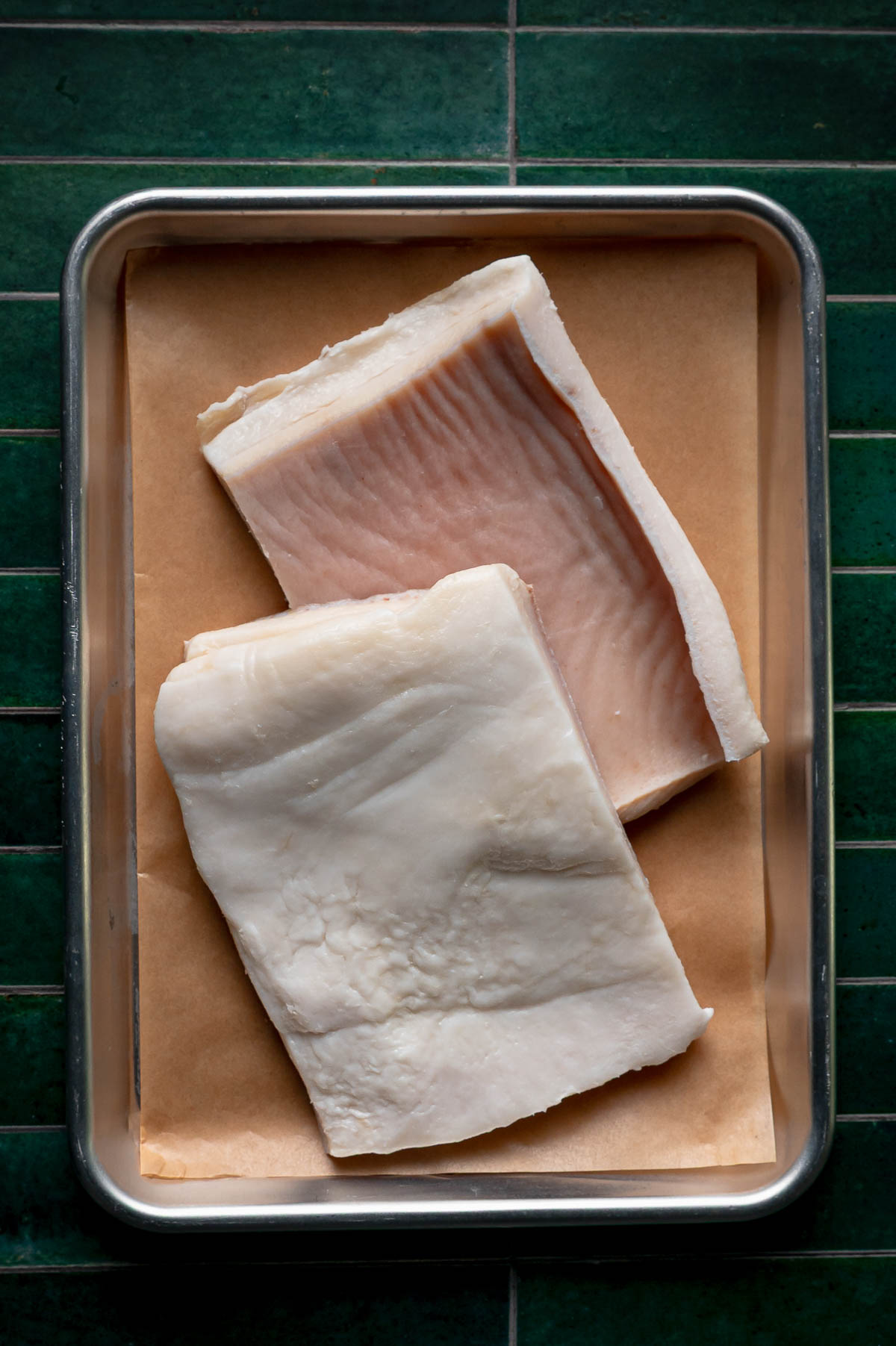
🔪 Ingredients for Slow Cooker Lard
One ingredient, and the only real decision is which fat. Ask for it by name at the counter. Most shops sell pork fat for a couple of dollars a pound, and some will hand over trimmings free if you call a day ahead, which is one more reason to know your butcher counter.
- Leaf fat: The fat from around the kidneys. Mildest and whitest of the three, and the one to buy if pie crust, biscuits, or pastry is the goal.
- Fat back: The slab that runs along the pig’s back. Slightly savorier, and the best all purpose choice for frying, tortillas, beans, and savory baking.
- Pork belly trimmings: Renders fine but carries more meat, so the finished lard tastes clearly of pork. Trim off the large pieces of lean before they go in.
Equipment
- Slow cooker: Any size works as long as the cubes sit in a layer instead of a heap.
- Fine mesh strainer and cheesecloth: The pair is what catches the fine browned particles that turn lard cloudy and gray.
- Glass jars with lids: Bone dry before the lard goes in.
📝 How to Make Slow Cooker Lard
- Cut the fat into rough half inch cubes. Trim away large pieces of meat, though small amounts still attached are fine. Keep the pieces close to the same size so they render at the same rate instead of some browning while others are still solid.
- Add the fat to the slow cooker in an even layer, cover, and cook on low for about 2 hours, until a shallow pool of liquid fat has collected around the pieces.
- Stir, scraping along the bottom and the edges. Keep cooking on low for another 2 to 4 hours, stirring about once an hour. The pieces shrink steadily as more liquid fat is released.
- Watch the final stage closely. Once the solids have noticeably shrunk, start checking more often. Stop when most of the liquid fat has released and what is left is small and lightly golden, never brown.
- Line a fine mesh strainer with cheesecloth, set it over a heat safe container, and pour the fat through. Let it drain on its own. Pressing hard on the solids pushes small browned particles into the lard.
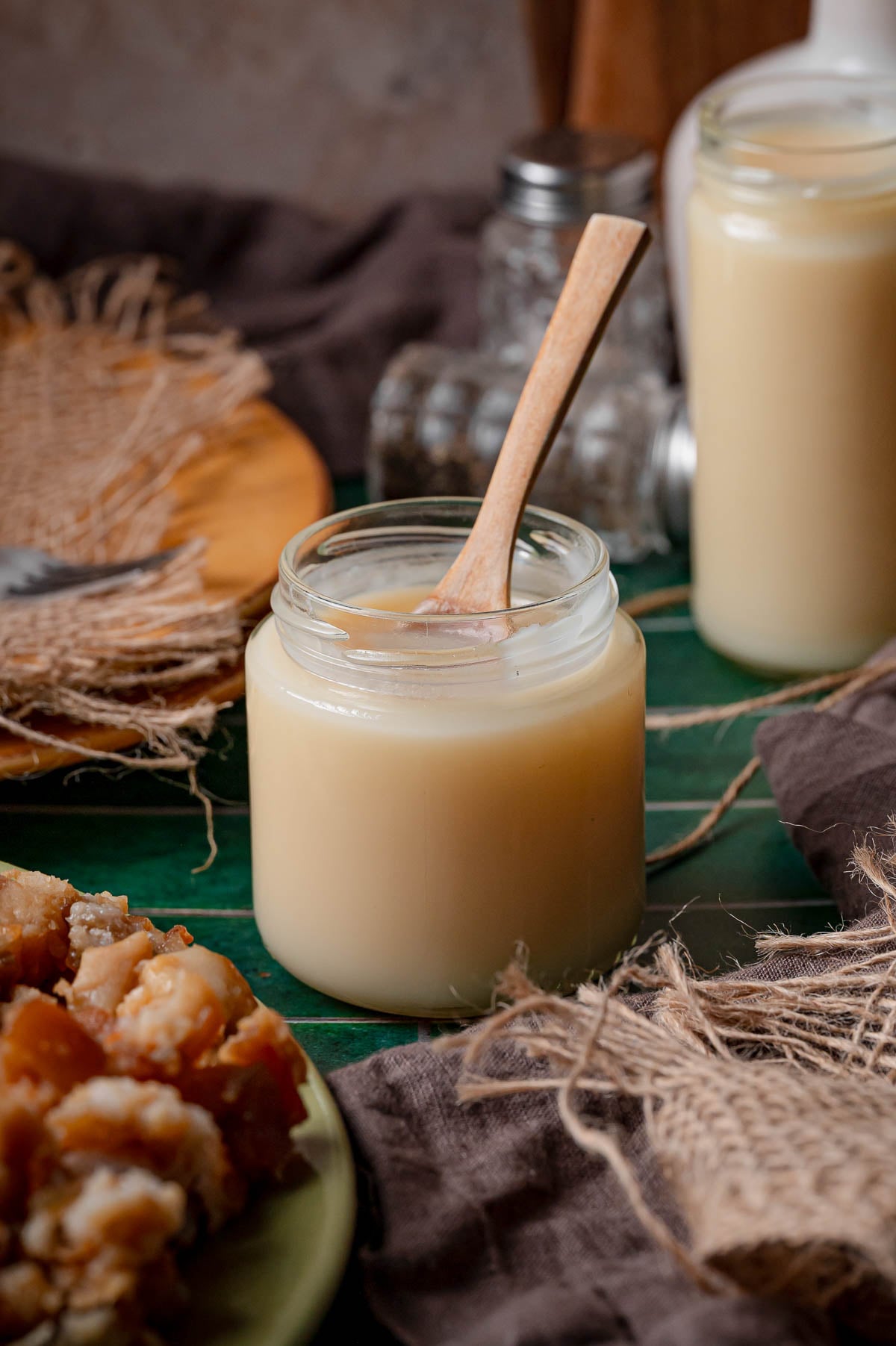
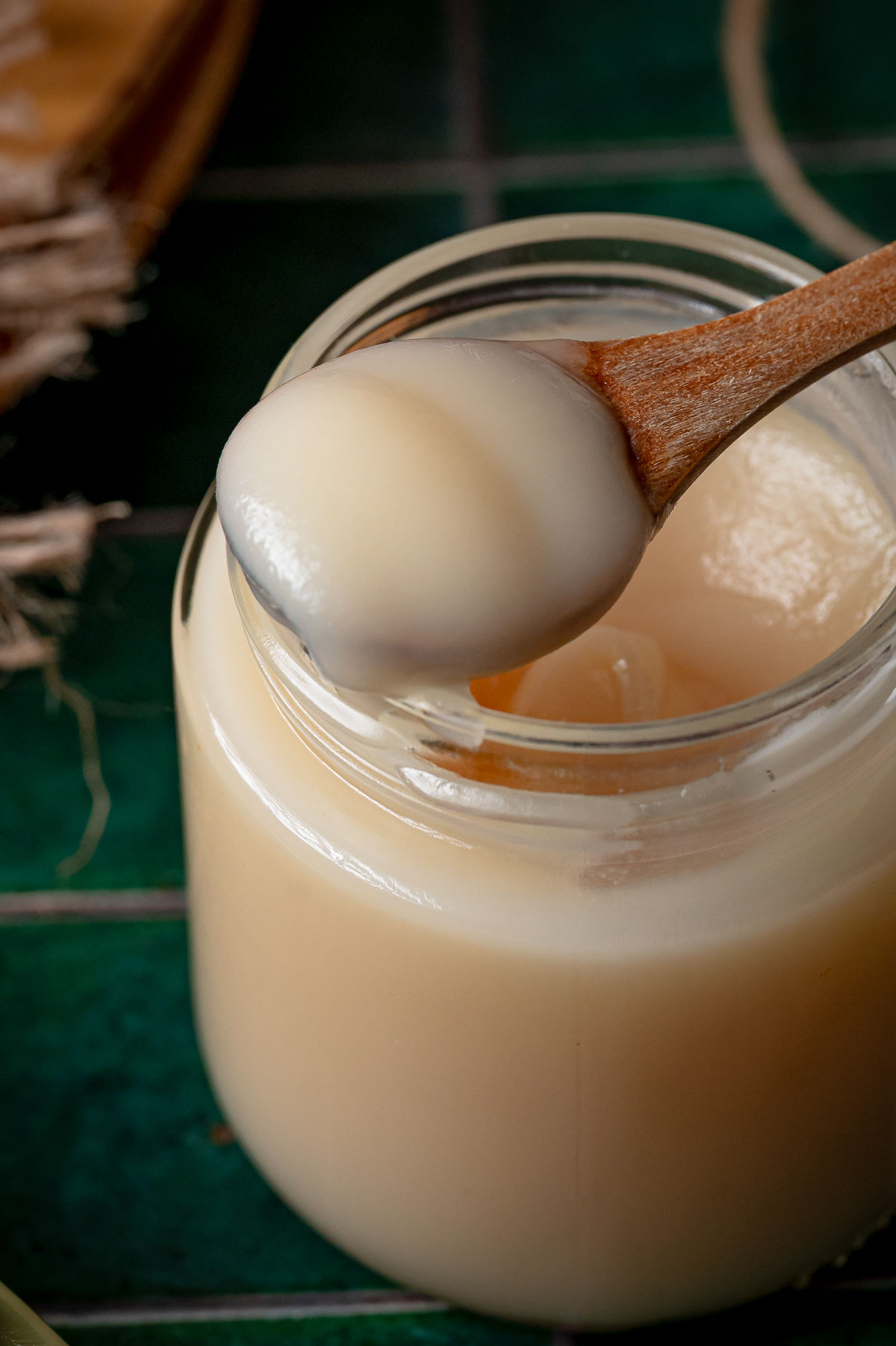
- Cool the fat at room temperature until it is no longer hot, then pour it into clean, dry glass jars. Refrigerate until completely chilled and solid, which is when it turns opaque and white.
🔄 Substitutions
- Fat back for leaf fat: Renders on the same timeline and comes out a shade less neutral. Fine everywhere except delicate pastry, where the faint pork note reads through the butter.
- Mixed pork trimmings for a single fat: The practical move when you are breaking down a whole side of pork. Belly and shoulder fat in the mix push the lard toward a clearly pork flavor, which is an asset in a pot of beans and a liability in pie dough.
- An Instant Pot on the slow cook setting: Same low dry heat, same timeline, same result. It is the same appliance logic behind our Instant Pot beef tallow.
💡 Meat Nerd Tips
- Pale golden is the finish line. The color of the solids is the color of your lard. Deeply browned solids give you dark lard that tastes like roast pork, which is an asset in beans and a problem in a pie crust.
- Never switch it to high. Higher heat browns the solids before all the fat has melted out, so you end up with darker lard and less of it.
- Cloudy while warm is not a failure. Tiny particles and residual moisture make fresh fat look hazy in the jar. Fine straining and a complete chill clear it up.
- Cook the leftover solids into cracklings. Move them to a skillet over medium-low heat, stirring often, until deeply golden and crisp, then drain and season while hot. Strain and save the extra fat that renders off for savory cooking.
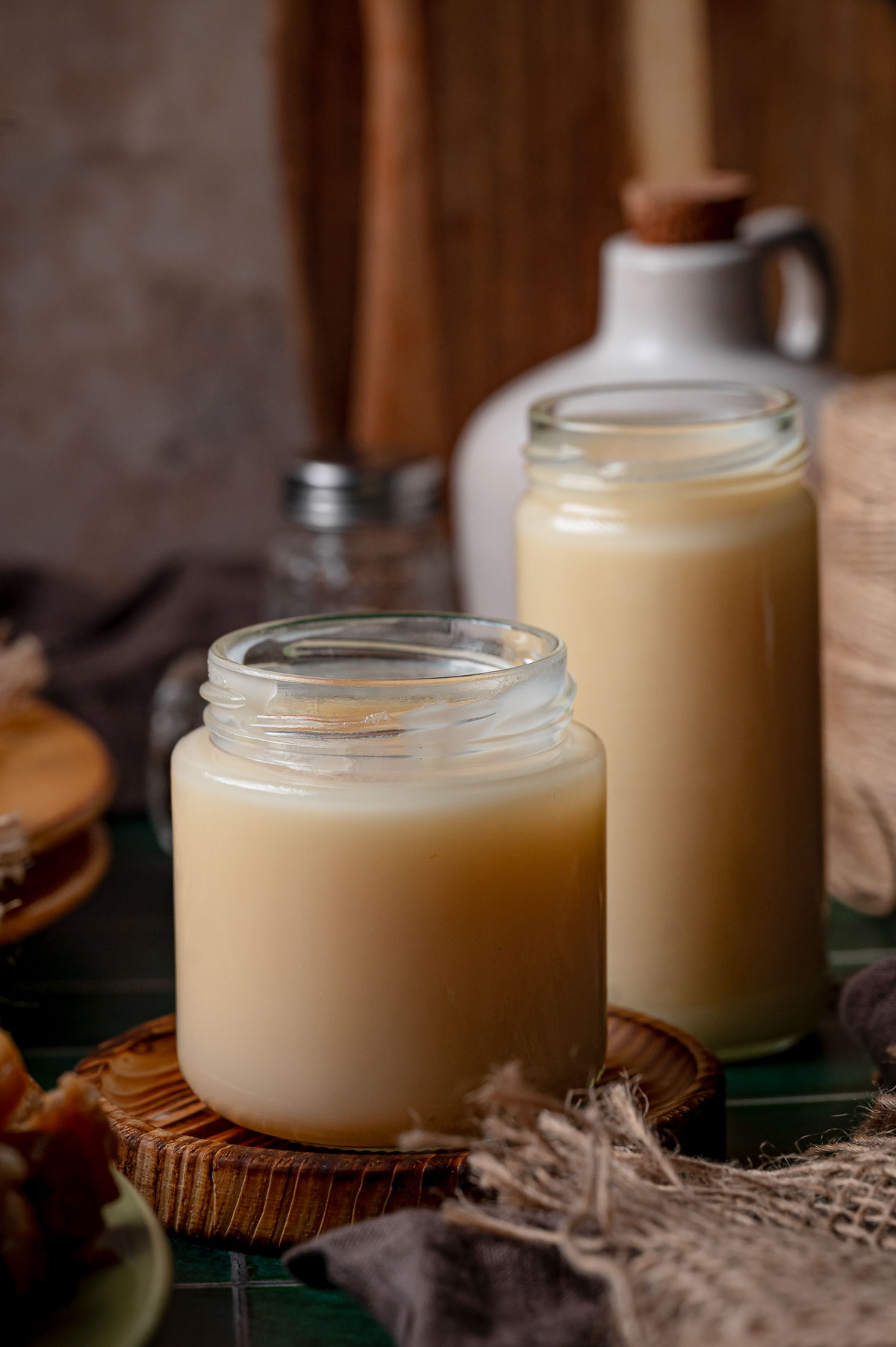
🍽️ What to Make with Slow Cooker Lard
- Flour tortillas: This is the use that converts people. Lard tortillas puff on the comal, stay soft on the counter for hours, and make the bagged ones taste like packing material.
- Biscuits and pie crust: Leaf lard stays solid longer in the oven than butter does, so the layers separate further before they set. It is the same reason we fry biscuits in bacon fat.
- Carnitas: Pork carnitas cooked down in your own lard is the loop closing on itself, and the fat comes back out of that pot richer than it went in.
- Fried potatoes: Lard runs hotter and cleaner than most oils and leaves a drier crust behind. If you have made duck fat fries, you already know the texture we are chasing.
- Beans: A spoonful going into Cuban black beans, or into a skillet of refried beans, does something no neutral oil can do to the pot liquor.
- Seasoning cast iron: Wipe a thin film on and bake it off the way you would any other fat when you season a cast iron pan.
🧊 Leftovers and Storage
- Refrigerator: Completely cooled lard in a clean, airtight container keeps up to a year.
- Every scoop: Use a clean, dry utensil so no moisture gets introduced. Moisture is what shortens the shelf life, not time on the shelf.
- Freezer: Portion into freezer safe containers and freeze for up to 2 years.
- The smell test: Properly rendered fresh lard smells clean and mild, with the exact aroma depending on which pork fat you used. Rancid, sour, or stale means throw it out.
You’re learning the kitchen skill your mama never had to look up, and it pays you back in a jar of lard with nothing in it but clean rendered pork fat. This animal fat carries less saturated fat than butter and more of the monounsaturated fat olive oil gets all the credit for, which is part of why cooks are bringing old world cooking back.
Prevent your screen from going to sleep
Cube the Fat
-
Cut the fat into roughly 1/2-inch cubes. Trim away any large pieces of meat, but small amounts of meat attached to the fat are fine. Keep the pieces fairly uniform so the fat renders at a similar rate.
Stir and Continue
-
Stir, scraping along the bottom and edges. Continue cooking on low for another 2 to 4 hours, stirring about once every hour. The pieces will gradually shrink as more liquid fat is released.
Strain
-
Line a fine mesh strainer with cheesecloth and set it over a heat safe container. Pour the fat through the strainer.
-
Let it drain naturally without pressing hard on the solids, which can push small browned particles into the lard.
Jar and Chill
-
Let the fat cool at room temperature until it’s no longer hot, then pour it into clean, dry glass jars. Refrigerate until completely chilled and solidified.
- Freeze the fat for 30 to 45 minutes before cubing. Cold fat cuts cleanly into half-inch cubes; at room temperature, it smears and turns a 20-minute prep into an hour.
- Types of pork fat you can use: leaf fat, fat back, pork belly fat trimmings. Leaf fat is the mildest and best for pastry; fat back is the all-purpose choice.
- Keep the lid cracked after the first stir. A fully sealed lid drips condensation back into the fat, and water is exactly what shortens lard’s shelf life.
- Slow cookers vary. If your solids are browning within the first 3 hours, your slow cooker runs hot. If your solids are browning inside the first 3 hours, yours runs hot. Drop to the warm setting if it has one, and stir more often.
- Do not switch the slow cooker to high to speed things up. Higher heat browns the solids before all the fat has melted, giving darker lard and a lower yield.
- Do not wait for every solid piece to become fully crisp. By that point, the lard is already darker and more strongly flavored than you want.
- Unevenly sized pieces render unevenly. Half-inch cubes keep the small pieces from browning before the large ones have given up their fat.
- Trim large sections of lean pork before rendering. Small bits still attached are fine; large pieces darken the lard.
- The fat is hot enough to burn you when you strain it. Set the lined strainer over a wide, stable, heat-safe container and pour slowly. Double the cheesecloth.
- Cloudy warm lard is normal. Tiny particles and residual moisture make fresh fat look hazy; fine straining and a complete chill clear it up.
- Store completely cooled lard in a clean, airtight container in the refrigerator for up to a year. Always use a clean, dry utensil to avoid introducing moisture, and keep water out of the jars.
- For longer storage, portion the lard into freezer-safe containers and freeze for up to 2 years.
- Discard lard that develops a rancid, sour, or stale odor. Properly rendered fresh lard smells clean and mild.
- Make cracklings from the leftover solids: skillet over medium-low heat, stirring frequently, until deeply golden and crisp. Drain and season while hot. Strain and save the extra fat separately.
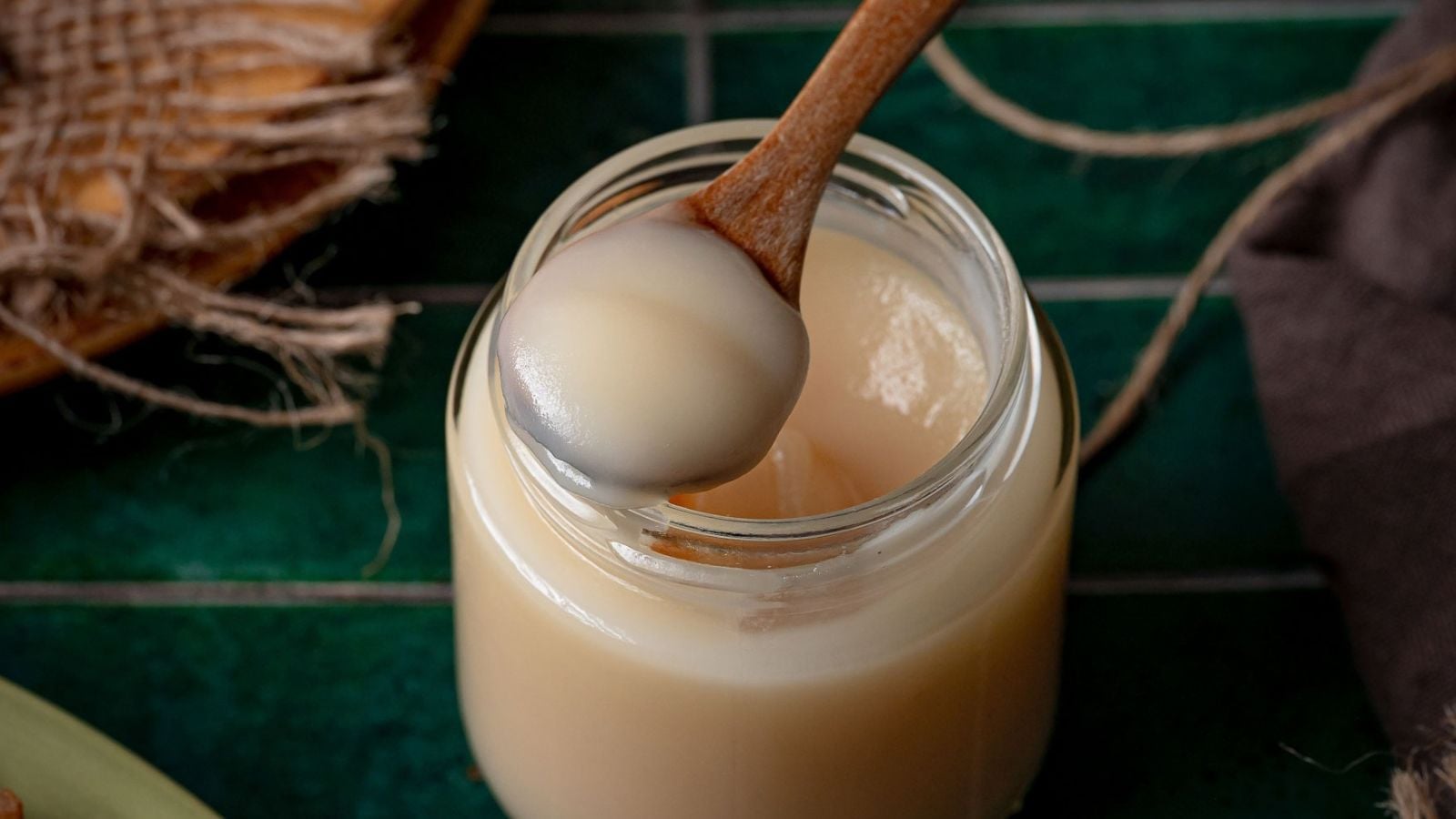
- Warm lard is amber and see-through. It turns opaque and pale as it chills, which takes about 4 hours in the fridge or overnight. The color change is the render finishing, not something going wrong.
- Ask the butcher for 3 pounds of fat and have two clean pint jars dry and ready. That is what this yields.
- The browned bits left in the cheesecloth are cracklings, not waste. Crisp them in a skillet and salt them while hot.
Serving: 1serving | Calories: 256kcal | Fat: 28g | Saturated Fat: 11g | Polyunsaturated Fat: 3g | Monounsaturated Fat: 13g | Cholesterol: 27mg
Quick Summary
Three pounds of cubed pork fat, a slow cooker on low, and about five hours gets you 3 to 4 cups of clean, snow white lard. Dry rendering means no water in the pot, so the only things you manage are the heat setting and the color of the solids. Pull it while those solids are still pale golden, strain it through cheesecloth without pressing, and chill it in dry glass jars.
❓ FAQs
This is a dry rendering method. The slow cooker’s low setting lets the fat melt gradually without needing water to protect it from scorching, and skipping the water means there is no moisture to cook off before the lard is ready to jar.
Yes. Mixed trimmings render well and are a practical option when you are breaking down larger cuts of pork. Just remember that belly or shoulder fat can give the finished lard a stronger pork flavor.
About 3 to 4 cups. The yield depends on how much lean meat was attached to the fat you started with and how far you take the render, since stopping while the solids are pale golden leaves a little fat behind on purpose.
The solids cooked too long. Deeply browned solids color the lard and give it a roasted pork flavor. Stop rendering while the remaining pieces are pale golden, and strain without pressing on them.
More technique work like this lives in the Girl Carnivore Meat Labs, and the rest of our pork recipes show off where this jar of lard is being used next.