
What’s your favorite sake? Ever been asked that before? Of course you have.
How do you answer? The one you drink all the time, the rare one that’ll make people say, “ohh, never heard of it”, something non-committal like, “depends on the weather/food/occasion/location etc.” or do you give a more philosophical answer like, “whatever’s in my hand at the time” or “the next one”?
Or, quite likely, you don’t have one. And that’s okay.
For some sake fans (or rather, maniacs) it would be almost impossible to have a favorite because they rarely seem to drink the same sake twice. Sake sometimes suffers from a certain issue of snobbery, often also seen in the craft beer world, where many drinkers are always looking for that next new or rare thing.
These drinkers rarely stop to smell the ginjō-ka and seem to be constantly scouring the internet, hole-in-the-wall sake bars and underground sake stores for those elusive phantom sake (maboroshi perhaps?) that few have heard of, or are discussed in hushed reverent tones; often more easily described as a sake with low distribution due to small production volume leading to scarcity of said brand.
We can all agree it is fun to discover new sake – or at least, new to us. One person’s “white whale” might be the local supermarket sake for someone else. It often depends on where you are. When traveling through Japan it’s highly advisable to check out the local offerings where you may discover new brands, however we should try not to fall into the trap of snubbing our noses at a given bar or restaurant’s sake menu because of over familiarity with the offerings.
There’s few things more disappointing than seeing a sake drinker opt for beer or a highball because the sake offerings aren’t interesting or niche enough. Although it would be nice if every restaurant stocked sake, not every restaurant needs to be a full-blown sake nerd fest.
So revisit those old faithful brands, even the ones you may think you’ve outgrown. If nothing else it’s important to send the message to restaurateurs that sake sells. And if you’re lucky, you might find that some of those sake you haven’t had for a while are well-worth revisiting.
And now for the news…
Note: Due to logistics, editor Julian Houseman is stepping in with comments and recording for John Gauntner for this issue.

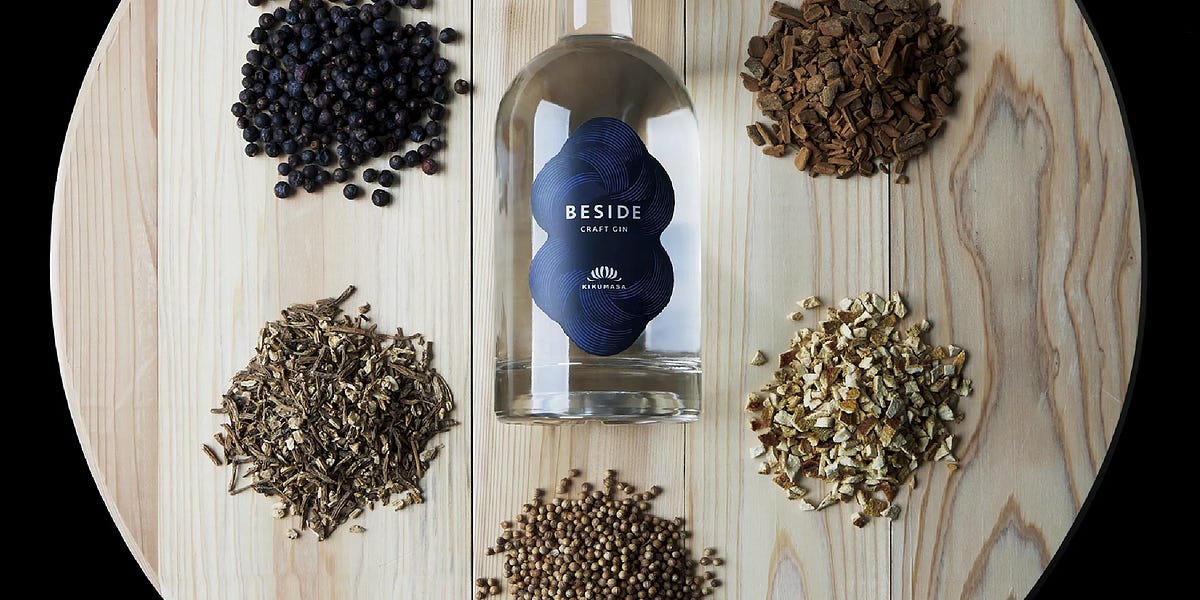
Hyogo- One of the industry’s biggest hitters, Kiku-Masamune, has entered the craft spirits market with the launch of its original gin, BESIDE. The project reflects a growing, yet still niche, trend in Japan of breweries creating regionally inspired craft gins using distinctive botanicals.

Kiku-Masamune marketing manager Tsubasa Tagami says the company saw gin as a potential gateway for younger drinkers who are increasingly distanced from sake culture. “Cocktails like gin and tonic have become popular entry points to alcohol. We hope people who discover BESIDE will eventually explore sake – and Kiku-Masamune itself,” he said.