A Wine That Expands the Conversation About Mental Health – Shall We Wine

July 24 marks International Self Care Day, an annual observance that promotes personal well being and recognizes self care as an essential foundation for lifelong health. It serves as a reminder that caring for both our physical and mental well being is not hitting up a five star spa, although there is certainly room for that blissful comfort. Waking up with enough left in the tank to fully show up for your own life and the people you love is part of that conversation. Just a little scroll through social media and self care can seem synonymous with plush robes, candlelit baths, and the coveted soft life. Maybe we’ve been sold the prettier version of self care. The reality is less photogenic, but infinitely more meaningful. It’s protecting your peace, catching burnout before it catches you, and giving your body the movement it deserves.
While parts of the wellness industry have understandably embraced the beauty of slowing down, the chat can sometimes stop at the surface. True self care demands more than surface-level rituals. It calls for honesty, consistency, and the courage to prioritize our mental and emotional health with the same commitment we give our physical health. That philosophy is exactly why we at Shall We Wine have embraced our Wellness Walks, celebrating the idea that caring for yourself can begin with an exchange, a walk beneath the open sky at the park, and the choice to show up for yourself while embracing the togetherness and sense of community that comes from showing up for others, too.
There are countless wines that promise a sense of place. We learn about volcanic soils, old vines, and the winemaker’s philosophy. Then there are some that leave us talking about something deeper than tasting notes long after the hangout ends. At first look, a wine connected to mental health advocacy may seem like an unlikely pairing. After all, talks surrounding emotional well being are not typically where the wine world begins. Yet wine has never been solely about what fills the glass. Its greatest vintage may very well be its ability to bring people together. Across cultures and generations, it has marked celebrations, softened formality, welcomed strangers, and transformed shared meals into something memorable. The bottle often becomes an extension of the discussion — making room for genuine connection in a world that seems absurdly more connected than ever, yet somehow leaves more people feeling utterly alone.
When I first heard about this wine, I was pretty geeked. As somebody whose interests already happily overlap between wine and basketball, I was immediately drawn to the story behind Resilience Pinot Noir. Not because it was unexpected, but because it challenged the idea that advocacy has to stay inside familiar lanes. So many worthwhile bonds arrive through unexpected doors, others could barge in over Pinot Noir.
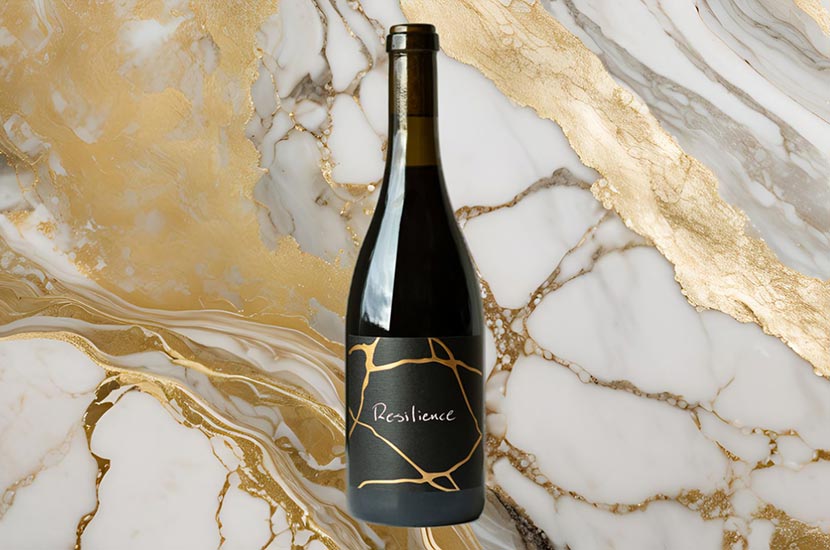
By Oregon winemaker Chase Renton, Resilience is a limited production Pinot Noir sourced from his family’s organically farmed vineyard in the Dundee Hills AVA of the Willamette Valley. On paper, it screams everything wine lovers generally gravitate toward. In reality, it’s something even more compelling. It’s a story of survival and the power of shared humanity. Just as L’Angolo Estate was beginning to make a name for itself with its modern approach to hospitality, life threw Renton a curveball. A cancer diagnosis, the surgery and chemotherapy that followed, and eventually hearing the words every patient hopes for: remission. Getting through cancer was only part of the journey. Renton has spoken candidly about how the anxiety and depression that followed proved even more challenging than the disease itself, forcing him to redefine what resilience really means. And instead of keeping that experience private, he poured it into his work and others.
The Resilience name feels like it carries far more meaning than branding alone ever could. It feels like the entire point. The name reflects Renton’s journey while encouraging discussions many of us have been taught to avoid. Its label is inspired by the Japanese art of Kintsugi, a centuries old practice of repairing broken pottery with gold rather than hiding its cracks. Instead of treating damage as something to conceal, Kintsugi celebrates it as part of an object’s history, suggesting that what has been broken and repaired can become even more beautiful and purposeful than before. What breaks us does not erase our value — it becomes part of who we are.