Pityriasis rosea is a common and harmless skin rash that mostly affects children and young adults. It is thought to be triggered by a viral infection and is more frequently seen in spring and autumn. The condition is not contagious and usually clears up without treatment within 6 to 8 weeks, although in some cases it can last for up to 3 months.
Symptoms
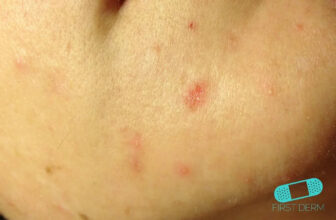
Pityriasis rosea often begins with a single large scaly patch known as a “herald patch,” which may appear pink, red, or slightly brown depending on skin tone. This patch usually measures between 2 to 6 cm and can have a paler centre with a slightly raised, scaly edge. It typically appears on the chest, back, upper arms or thighs.
Within 5 to 15 days, a more widespread rash of smaller oval or round patches develops—each usually 1 to 2 cm in size. These patches often align in a “Christmas tree” pattern across the trunk. The rash rarely appears on the face, especially in adults, though it may appear on the face or scalp in children.
The rash may be mildly itchy or cause some peeling, though many people remain otherwise well.
What can I do?
Most people do not require treatment for pityriasis rosea. If the skin is itchy, you can use an unperfumed moisturiser to soothe dryness and irritation. Avoid using soaps or body washes that may worsen dryness—opt for a soap substitute instead. Antihistamine tablets, available over the counter, may also help relieve itchiness.
Should I seek medical care?
It is not usually necessary to see a doctor, as pityriasis rosea often clears up on its own. However, if the rash does not improve after 3 months, becomes very itchy, or you are unsure about the diagnosis, you should contact your GP. If you’re pregnant and develop a new rash, especially in early pregnancy, speak to your midwife, GP or maternity unit urgently.
Treatment
Pityriasis rosea usually gets better on its own within a few months without any treatment. It might get worse before it goes away completely.
If the rash is uncomfortable or itchy, a pharmacist might advise:
- using an emollient (moisturising treatment for the skin) on the rash
- taking antihistamine tablets to help with the itching
- avoiding using soaps and body washes
A pharmacist will tell you how often to take or apply any treatments.
If these treatments do not work or if you have severe pityriasis rosea, your GP may recommend steroid cream or refer you to a skin specialist (dermatologist).