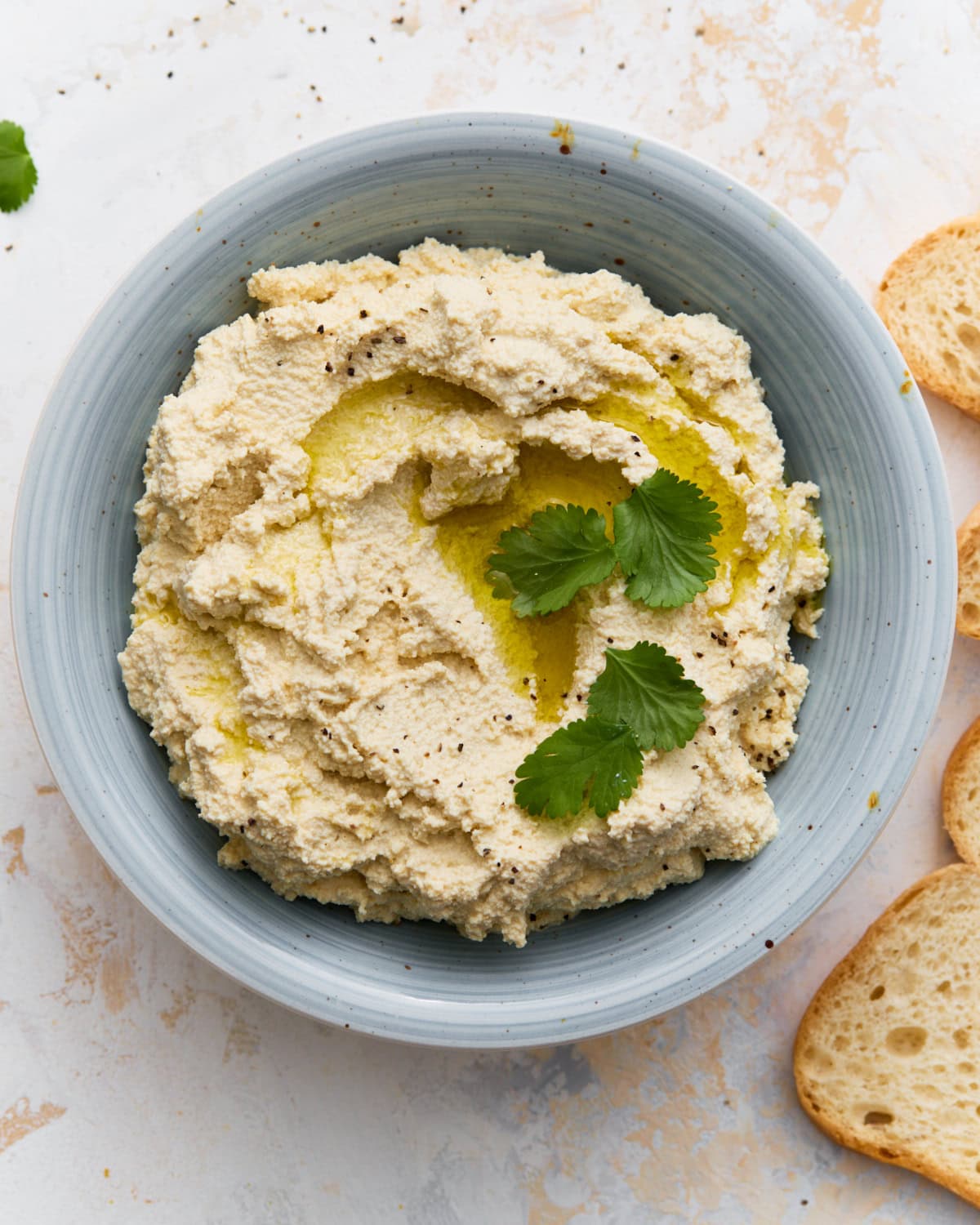
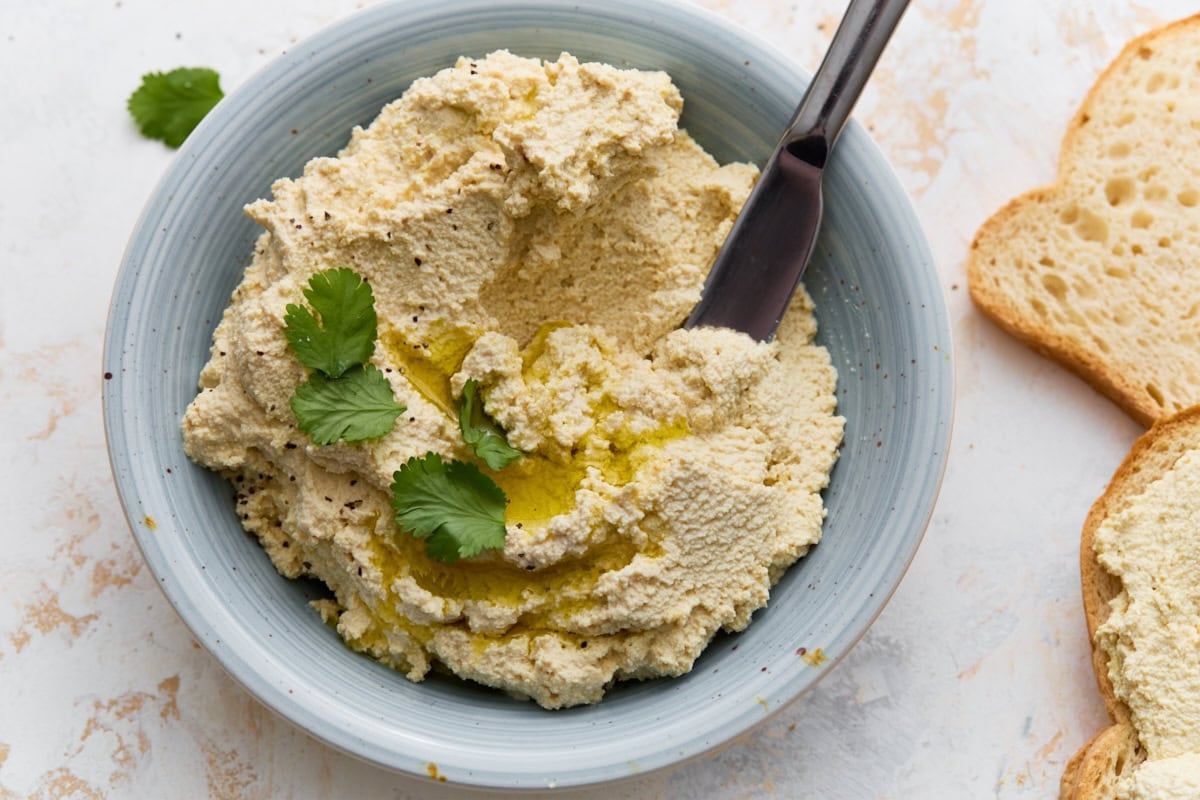
This dairy-free ricotta is creamy, lightly tangy, and ready in just 5 minutes. I make it by pulsing firm tofu with lemon juice, apple cider vinegar, nutritional yeast, olive oil, and salt until it forms soft little curds. It has the slightly grainy texture I want in ricotta, so I can layer it into lasagna, spoon it into stuffed shells, or spread it on toast. One batch makes about 2 cups, and the recipe is naturally gluten-free, vegan, and nut-free. It’s an easy staple to have in the fridge when I’m planning a dairy-free pasta night.
Tofu Makes the Best Ricotta Swap
Most dairy-free ricotta recipes use either soaked cashews or tofu. I’ve tried both methods. Cashews make a rich, smooth spread, but they need soaking time, and I wanted something a bit quicker and nut-free. So, tofu was the right way to go. It’s already soft, it’s budget-friendly, and it has a mild flavor that happily takes on whatever you season it with.
Tofu already has the perfect texture needed to mimic ricotta’s small, soft curds. It’s why it works so well in dairy-free cottage cheese as well. Giving it that fluffy, slightly grainy bite. Firm tofu breaks down into tiny curds on its own when you pulse it, so it looks and eats like the real thing. Silken tofu, on the other hand, is too soft and watery. It blends into something closer to a pudding, and it turns loose and runny once it’s baked in a lasagna.
The flavor comes from a simple balance. Lemon juice gives you fresh, bright tang, while apple cider vinegar adds a sharper note that mimics the slight sourness of cultured dairy. Nutritional yeast rounds it out with a savory, cheesy flavor, and a spoonful of olive oil makes it taste rich instead of flat. You’ll know it’s ready when it looks like soft, fluffy curds that hold their shape on a spoon.
Things I Learned While Testing
- Adjust the texture as you go. If you want a creamier, softer ricotta for spreading, add a splash of unsweetened dairy-free milk and pulse once or twice. If you want a firmer ricotta that holds its shape in layered dishes, pulse a little less and skip any extra liquid.
- Pulse, don’t blend. This is the one step that makes or breaks the texture. I tested this by letting the food processor run continuously, and within a minute it turned into a smooth, hummus-like paste that no longer read as ricotta. Short pulses keep those small curds intact. Stop and scrape down the sides every few pulses, and stop completely as soon as the mixture looks creamy but still slightly grainy.
- Drain the tofu well. You don’t need to press it for this recipe, but you do need to get rid of the extra water. Pour off the liquid from the package, then pat the block dry with a clean kitchen towel before crumbling it in. Extra water dilutes the flavor and makes the ricotta weep in the fridge.
- Season after you taste. Tofu brands vary a lot in flavor and moisture, so treat the salt and lemon as a starting point. Taste it once it’s pulsed. If it tastes flat, it needs salt. If it tastes heavy, it needs lemon. A little adjustment at the end makes it taste like real ricotta instead of plain tofu.
- Match the flavor to the dish. For lasagna, stuffed shells, or pizza, stir in a minced garlic clove, a pinch of dried oregano, or a handful of fresh chopped basil. For toast with fruit or a sweeter filling, leave out the garlic and herbs and add a teaspoon of maple syrup or a pinch of cinnamon instead. Mix the add-ins in at the very end with a few quick pulses so you don’t overwork the texture.
Serving suggestions
How I Like to Use It
The classic way is layered into lasagna, and that’s where this ricotta really shines. Gluten-free lasagna calls for regular ricotta, but I use this as a 1:1 swap when I want a dairy-free pan. Pair it with dairy-free mozzarella, and it bakes up creamy and set, so every slice holds its layers.
On busier nights, I spoon it over a bowl of pasta tossed in dairy-free Alfredo sauce, then sprinkle on some vegan Parmesan cheese. The cool, tangy ricotta against the warm, creamy sauce is a combination I keep coming back to. Just keep in mind the Parmesan is cashew-based if you’re cooking for anyone with a nut allergy.
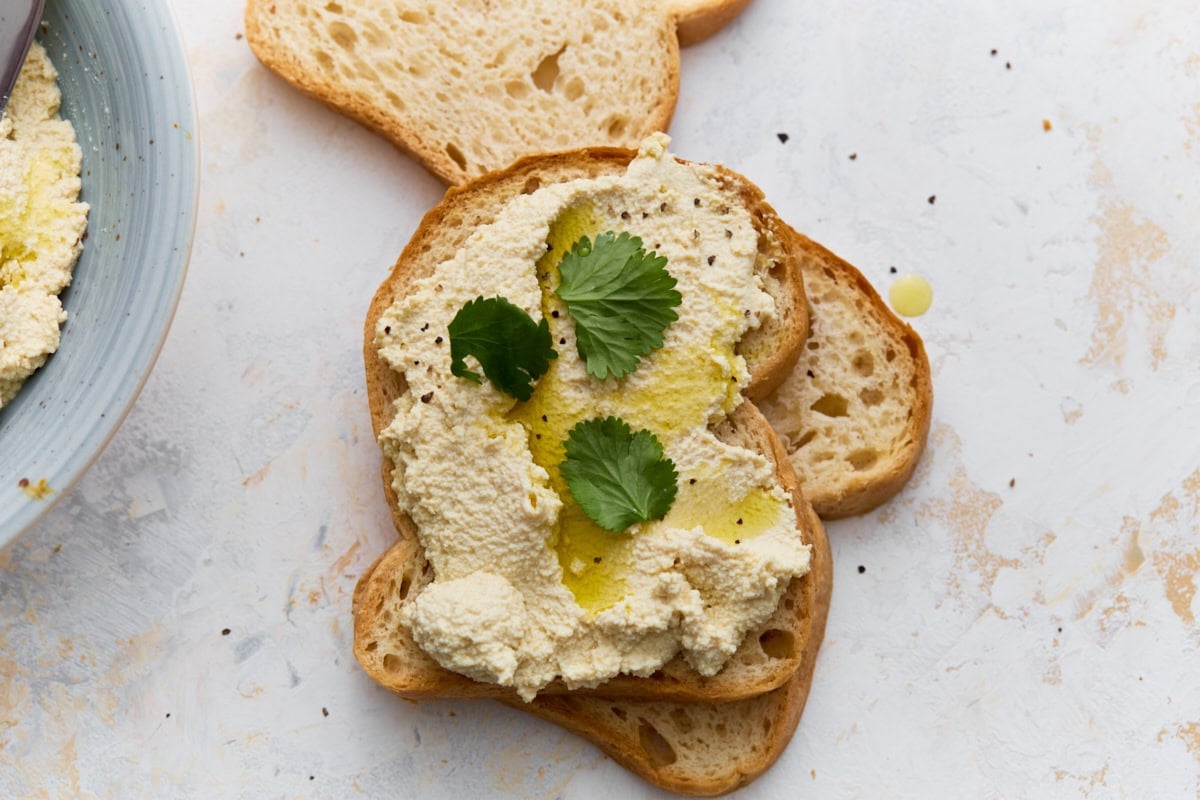
For snacking or entertaining, I spread it thick on a toasted slice of gluten-free focaccia and top it with sliced tomatoes, olive oil, and flaky salt. It also makes an easy dip for my crispy almond flour crackers, which are dairy-free too, so the whole board stays safe for dairy-free guests.


Print
Pin
#wprm-recipe-user-rating-21 .wprm-rating-star.wprm-rating-star-full svg * { fill: #d0021b; }#wprm-recipe-user-rating-21 .wprm-rating-star.wprm-rating-star-33 svg * { fill: url(#wprm-recipe-user-rating-21-33); }#wprm-recipe-user-rating-21 .wprm-rating-star.wprm-rating-star-50 svg * { fill: url(#wprm-recipe-user-rating-21-50); }#wprm-recipe-user-rating-21 .wprm-rating-star.wprm-rating-star-66 svg * { fill: url(#wprm-recipe-user-rating-21-66); }linearGradient#wprm-recipe-user-rating-21-33 stop { stop-color: #d0021b; }linearGradient#wprm-recipe-user-rating-21-50 stop { stop-color: #d0021b; }linearGradient#wprm-recipe-user-rating-21-66 stop { stop-color: #d0021b; }#wprm-recipe-user-rating-21.wprm-user-rating-allowed.wprm-user-rating-not-voted:not(.wprm-user-rating-voting) svg * { fill-opacity: 0.3; }
Dairy-Free Ricotta
Equipment
-
1 blender or food processor
Ingredients
- 14 oz. block firm tofu drained
- 2 tbsp lemon juice fresh lemon gives the brightest flavor, though bottled works in a pinch
- 1 tbsp apple cider vinegar white wine vinegar is a good swap
- 1 tbsp nutritional yeast
- 1 tbsp olive oil
- 1 tsp salt or to taste
Instructions
-
Crumble tofu into a food processor or blender.
-
Add lemon juice, apple cider vinegar, nutritional yeast, olive oil, and salt.
-
Pulse until the mixture is creamy but slightly grainy, like traditional ricotta. Scrape down sides as needed.
-
Taste and adjust flavor by adding more salt, lemon juice, or olive oil if desired.
-
Use in lasagna, stuffed shells, or as a spread for toast and crackers. Enjoy!
Notes
- Use firm or extra-firm tofu, never silken. Silken tofu is too soft and makes a watery ricotta that won’t hold up in baked dishes.
- Nutritional yeast adds the cheesy flavor, but you can leave it out. For a savory swap, use about 1 teaspoon of gluten-free white miso paste. Some miso is made with barley, so check that yours is labeled gluten-free.
- The salt adds up fast in layered dishes. If your pasta sauce or other fillings are already salty, start with 1/2 teaspoon and taste before adding more.
- For an oil-free version, simply leave out the olive oil. It will still be creamy, just a little less rich. Avoid coconut oil, since it firms up when it hits the cold tofu.
- For creamier ricotta, add a splash of unsweetened dairy-free milk. For firmer ricotta, pulse less and skip any extra liquid.
- Stir in garlic, oregano, or basil for Italian dishes. For sweet uses, skip the herbs and add maple syrup or cinnamon instead.
Nutrition
How to Make Dairy-Free Ricotta Step by Step

Gather your ingredients: Have the tofu, lemon juice, apple cider vinegar, nutritional yeast, olive oil, and salt ready to go. Since this recipe comes together in just a few minutes, having everything ready makes it easy to blend up a batch.
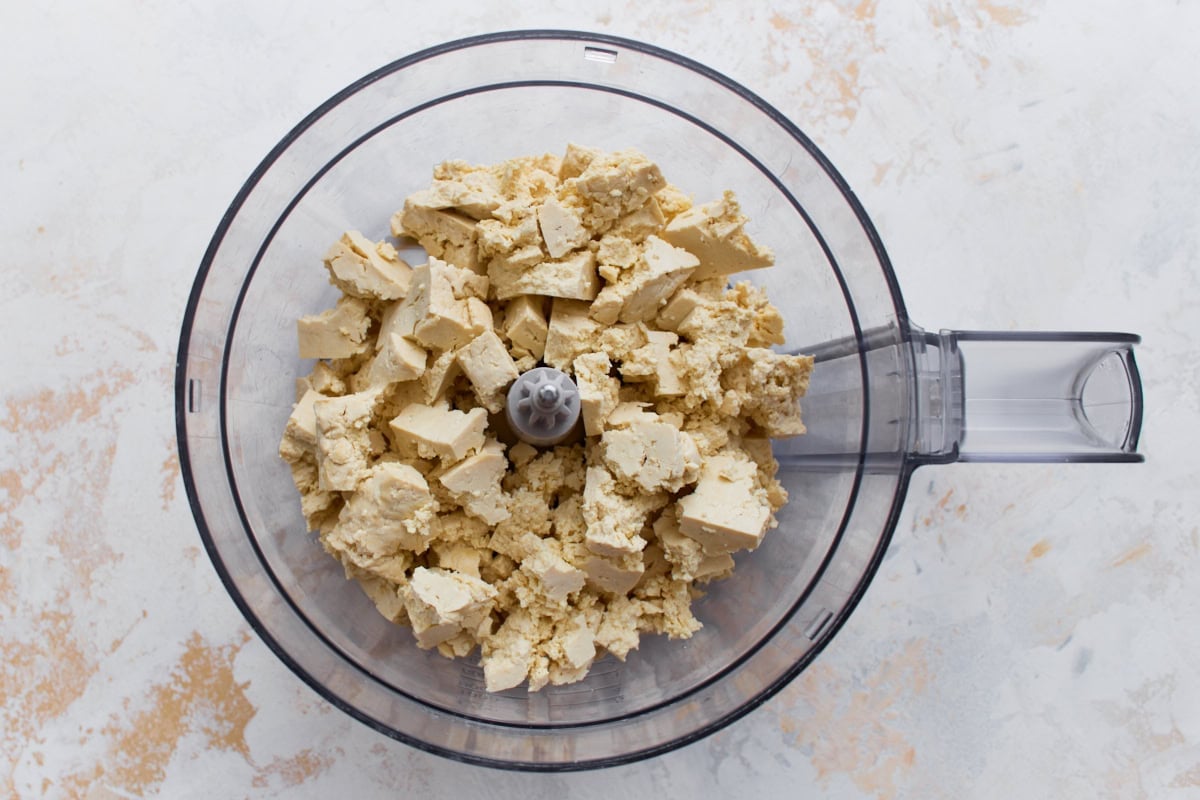
Drain and crumble the tofu: Pour the liquid off the 1 (14-oz) block of firm tofu (400g) and pat it dry with a clean towel. Crumble it with your hands straight into the bowl of a food processor or blender. The pieces don’t need to be even, since the machine does the rest.
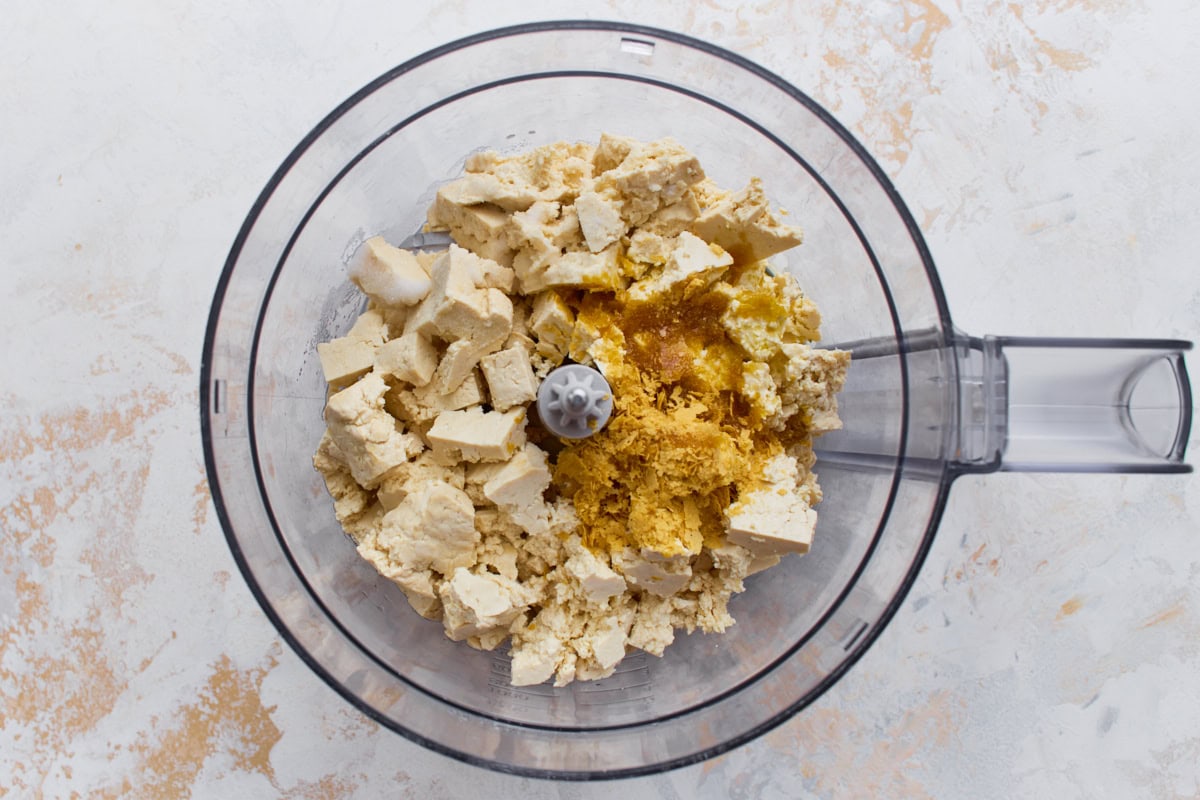
Add the flavorings: Add the 2 tbsp lemon juice (30ml), 1 tbsp apple cider vinegar (15ml), 1 tbsp nutritional yeast (5g), 1 tbsp olive oil (15ml), and 1 tsp salt (6g).
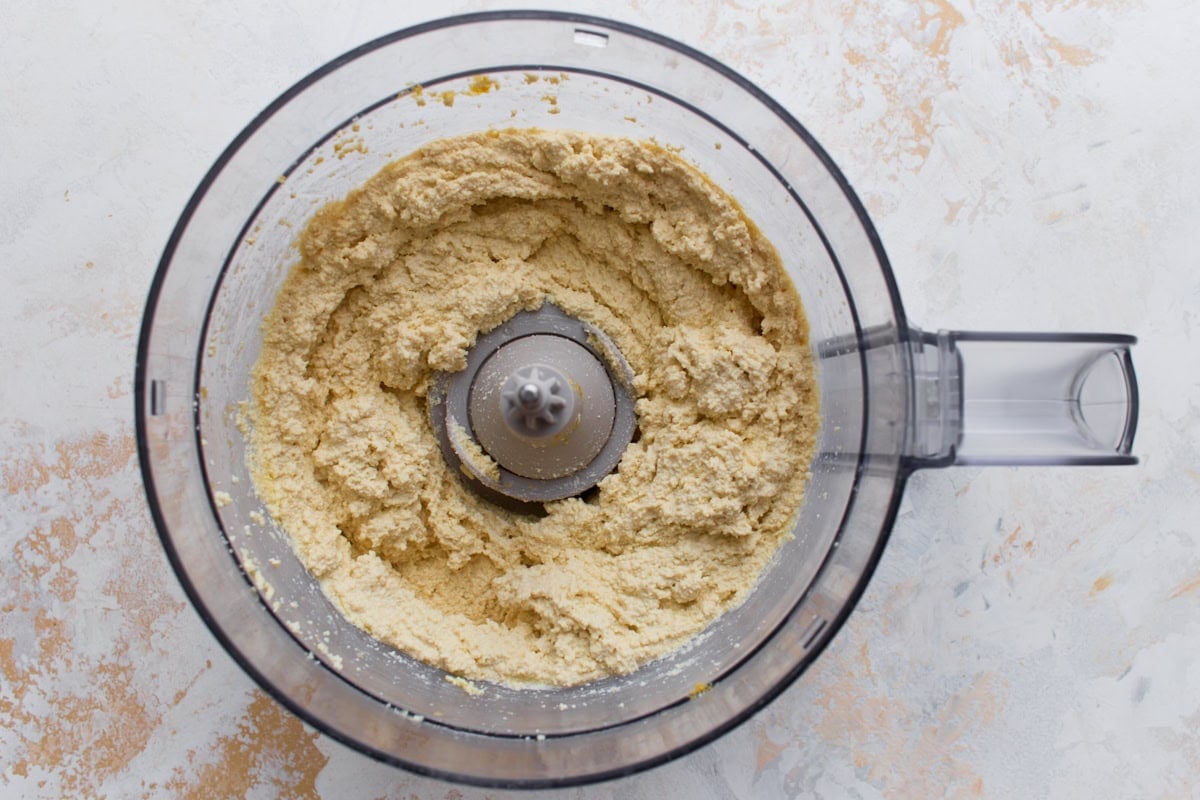
Pulse to the right texture: Pulse in short bursts, scraping down the sides every few pulses, until the mixture is creamy but still slightly grainy. It should look like soft, fluffy curds and hold its shape on a spoon, not run off it. If it starts looking smooth and shiny like hummus, stop right away.
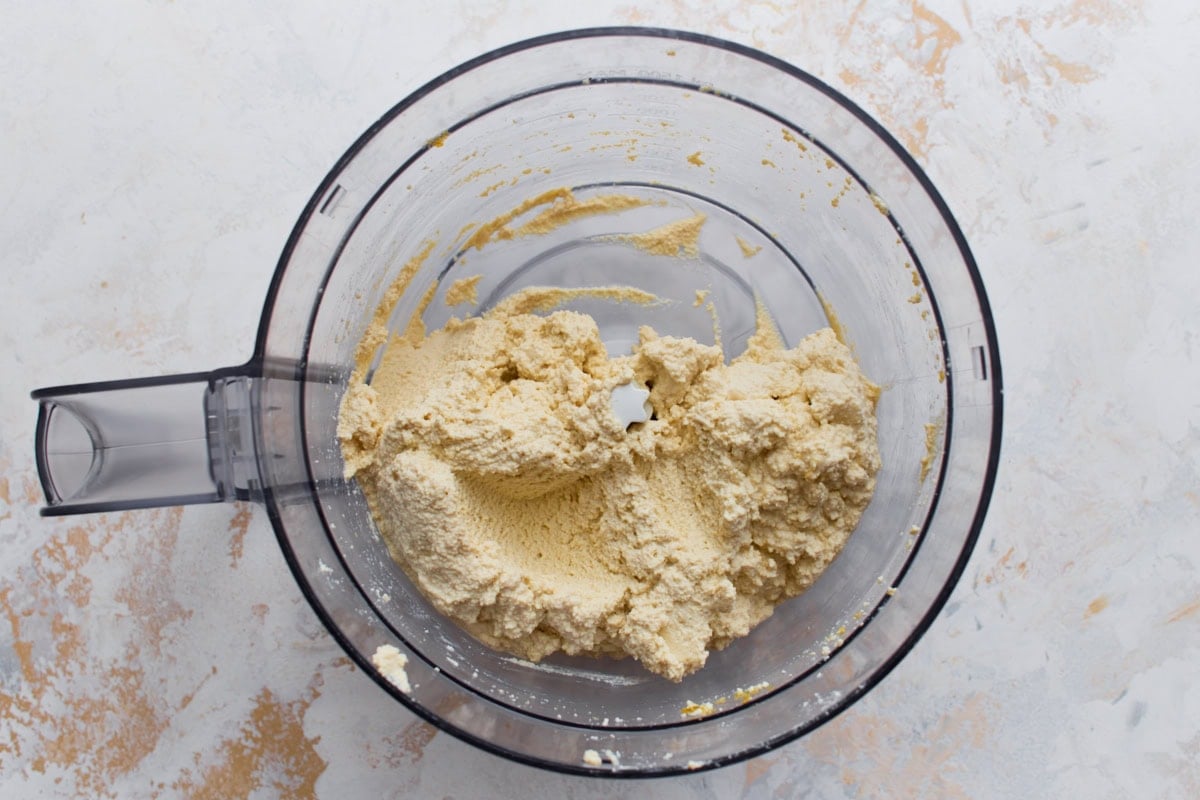
Taste and adjust: Give it a taste and add more salt, lemon juice, or olive oil if you’d like. It should taste fresh, a little tangy, and lightly savory. Stir in any herbs, garlic, or sweet add-ins now with a couple of quick pulses.
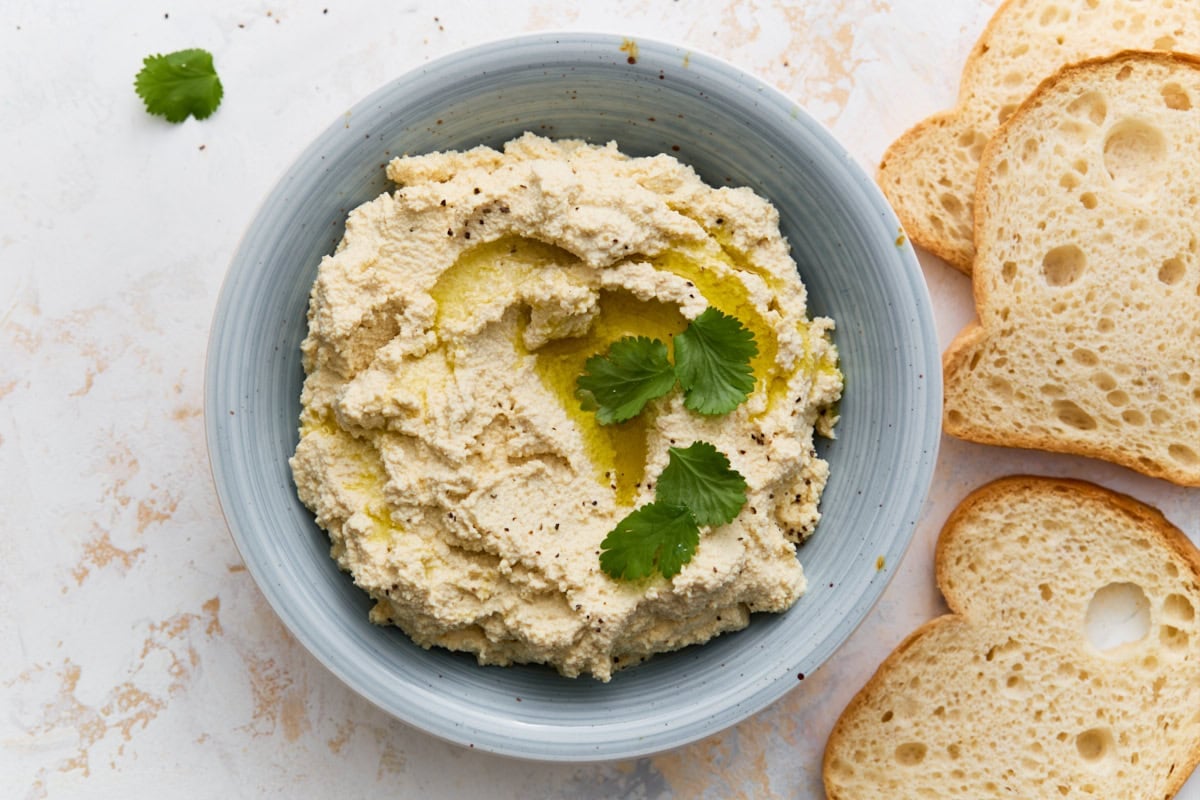
Use or store: Use it right away in lasagna, stuffed shells, or as a spread for toast and crackers, or transfer it to an airtight container and refrigerate.
Storage & Freezing Instructions
Store the ricotta in an airtight container in the fridge for up to 5 days. It may release a little liquid as it sits, which is completely normal. Just give it a good stir before using.
Freezer
You can freeze it, but I don’t recommend it for spreading. Freezing changes the texture of tofu and leaves it more crumbly and spongy once thawed. If you do freeze it, store it in a freezer-safe container for up to 2 months and thaw it overnight in the fridge. Thawed ricotta works best stirred into baked dishes like lasagna, where the texture change is harder to notice.
Reheating
There’s no need to reheat the ricotta on its own. It holds up well in baked dishes, and it actually gets even creamier as it heats through in the oven.
Make Ahead
This is a great make-ahead recipe. Make it up to 3 days before you plan to assemble a lasagna or stuffed shells, and it’ll be ready to spoon straight from the fridge into your pan. The flavor even settles and gets a little more balanced after a night in the fridge.
More Dairy-Free Pasta Night Recipes
- Vegan Parmesan Cheese: The natural partner to this ricotta. Keep both in the fridge, and you’ve got the two cheeses most Italian dishes rely on, ready to go.
- Gluten-Free Tortellini: The filling is ricotta-based, so this tofu ricotta is an easy way to adapt it for a dairy-free version. Just swap the Parmesan in the filling for vegan Parmesan too.
- Dairy-free Caesar Dressing: A crisp Caesar salad is the classic starter before a pan of lasagna, and this creamy, garlicky dressing keeps the whole meal dairy-free.
- Homemade Vegan Butter: Another simple dairy-free staple you can make at home, perfect for the garlic bread you’ll want alongside your lasagna.


The post Dairy-Free Ricotta appeared first on Mama Knows Gluten Free.