
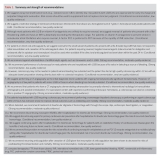
INTRODUCTION Acute lower gastrointestinal bleeding (LGIB) is one of the most common reasons for hospitalization in the United States due to a ...
 admin
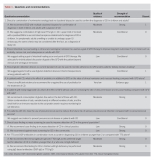
INTRODUCTION Guiding principles This document presents official recommendations from the American College of Gastroenterology (ACG) on the ...
INTRODUCTION A biliary stricture is an abnormal narrowing in the ductal drainage system of the liver. These often result in clinically and ...
INTRODUCTION Acute liver failure (ALF) is a life-threatening condition that occurs in patients with no preexisting liver disease and is characterized ...

EXECUTIVE SUMMARY Chronic idiopathic constipation (CIC) is a common clinical diagnosis that affects approximately 8%–12% of the US population (1). ...
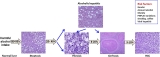
INTRODUCTION Alcohol-associated liver disease (ALD) is a leading cause of preventable liver-related morbidity and mortality worldwide, including the ...

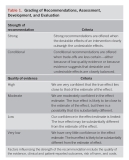
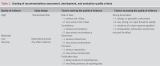
PREAMBLE The guideline is structured in the format of statements that were considered to be clinically important by the content authors. The ...

INTRODUCTION Helicobacter pylori is a Gram-negative, spiral-shaped bacterium that has adapted to survive in the harsh acidic environment of the ...

INTRODUCTION Eosinophilic esophagitis (EoE) is a chronic allergen-induced, type 2 immune-mediated disease of the esophagus characterized by ...

INTRODUCTION The liver is the largest organ in the body, and it is possibly the most complex organ in metabolism. It is comprised of multiple ...

INTRODUCTION Crohn's disease (CD) has been increasing in incidence and prevalence worldwide. At the same time, the number of therapeutic options ...
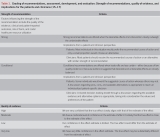
INTRODUCTION Ulcerative colitis (UC) is a chronic disease affecting the large intestine with an ongoing rising incidence worldwide and more ...