

Hyperpigmentation is darkened areas of the skin due to sun damage or inflammation. This is caused by excessive production of melanin (the pigment that ...
 admin

Impetigo is a contagious bacterial skin infection, most commonly affecting young children in the UK, especially those with eczema. It is caused by ...

Insect bites and stings can cause an immediate skin reaction. Most insect bites are minor and may cause the skin to swell and become red and itchy. Itchy, ...

Intertrigo is an inflammatory skin condition that develops in areas where skin folds rub together, such as the groin, armpits, under the breasts, and ...

A keloid is a scar caused by the overgrowth of tissue from skin injuries such as burns, scratches, insect bites, or body piercings. They are harmless, but ...
Keratosis pilaris is a genetic skin condition marked by rough, red bumps. These bumps are actually dead skin cells, caused by a buildup of keratin – a skin ...

Lentigo solaris, or liver spots, are brown pigmented spots on the skin caused by natural or artificial ultraviolet (UV) rays. They are differentiated from ...

Lichen planus is a relatively common skin disease. The Latin name, lichen planus, means red, flat rash. It is unknown what causes the disease, but it is ...
Lichen Sclerosus et Atrophicus (LSeA) is a common inflammatory disorder that can affect the anogenital region. Its exact cause remains unknown; however, it ...

Livedo Reticularis is a mottled blue discoloration of the skin, which is seen in a characteristic networked pattern. This is usually triggered by a cold ...
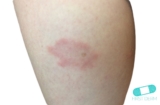
Lyme disease is a bacterial infection primarily spread to humans through the bite of an infected tick. In the UK, it is most often transmitted by the bite ...
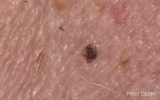
How To Check For Melanoma? The ABCDE rule can be used to self-check for cancerous moles: shape, border irregularity and color variability are often signs to ...