743. Behind the Scenes of Holiday Rom Coms with Katie Wilbert

[intro]
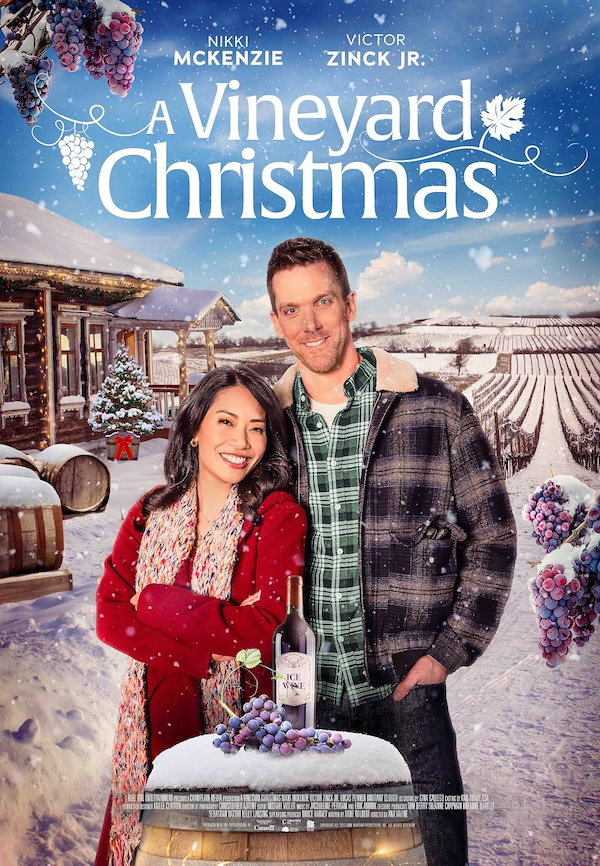
Sarah Wendell: Hello and welcome to episode number 743 of Smart Podcast, Trashy Books. I’m Sarah Wendell, and my guest today is Katie Wilbert! Katie is a writer and performer, and she writes television romantic comedies, including A Vineyard Christmas. So we are going behind the scenes to explore what makes a good Christmas rom-com and what her experience as a writer has been like. This is really a story about how, as Seneca allegedly said – although there’s some question as to where the source of this quote is? – Luck is what happens when preparation meets opportunity. I really enjoyed this conversation; I’m very excited to share it with you just before holiday movie season begins! Unless it’s already started and I wasn’t paying attention.
I will have links to all of the books and the movies that we discuss at smartbitchestrashybooks.com/podcast under episode 743!
I have a compliment this week!
To Eliza: Eliza, you should expect more requests for hugs from your loved ones as the weather changes, because they have figured out that your hugs are the greatest hugs on the planet. They are welcoming, they are perfectly timed, they are reassuring, and they are so, so warm.
If you would like a compliment of your very own or you would like to support this show, we would love to have you. The podcast continues because of our Patreon community. Look, even Wilbur agrees! The Patreon community is the reason –
Wilbur: Meow.
Sarah: I’m, I’m talking right now!
The Patreon community is the reason the show continues, it’s the reason we have a handcrafted transcript from garlicknitter, and it is the reason why we are going with seven hundred and forty-plus episodes! If you join the Patreon, you get to support this show, which is a major boost for everybody who enjoys listening to it. Plus you get bonus episodes, full PDF scans of Romantic Times magazine, and you get to be in our Holiday Wishes episodes, which I am recording now!
If you are in the Patreon or you would like to join the Patreon, there is a link at patreon.com and in the Discord where you can sign up to join me. Our Holiday Wishes episodes are some of the most popular every year, because my guests are all of y’all. And this year we have some special treats in store – I am very excited. So if you would like to sign up, you are in the Patreon –
Wilbur: Mrow.
Sarah: I’m getting to that!
If you would like to sign up for a Holiday Wishes episode, look in the Patreon post that should be pinned – unless I don’t know how to do that again – and in the Discord, there’s a special channel for Holiday Wishes.
And if you are not in the Patreon and you would like to join us, please join! We would love to have you! It is one of the nicest communities on the entire internet: patreon.com/SmartBitches.
Now, y’all are not going to believe the following. I’m so excited to say the following words:
Support for this episode comes from the Heated Rivalry DVD and Blu-ray release. (No, seriously, I’m so stoked about this.) The hit series Heated Rivalry, season one, is now available on Blu-ray and DVD. Do you need a reminder of what Heated Rivalry was about? Yeah? Okay, good, so here’s, here’s a recap:
Shane Hollander, played by Hudson Williams, and Ilya Rosanov, played by Connor Storrie, are two of the biggest stars in major league hockey, and they are bound by ambition, rivalry, and a magnetic pull that neither of them fully understands.
Wilbur: Meow!
Sarah: Yes, I know!
What begins as a secret fling between two teenagers evolves into a years-long journey of love, denial, and self-discovery.
Wilbur: Mow!
Sarah: I know! Yes, it’s true!
And Heated Rivalry is now available on DVD and Blu-ray, featuring all six original episodes and including bloopers and deleted scenes, which, like, honestly, are my favorite part of any DVD. Plus, there is also a limited edition collector’s edition box set including all six original episodes, exclusive cast and crew interviews, art cards, a mini-poster, and more.
Okay, y’all, listen: the collector’s edition was clearly designed by someone who knew how to tempt me personally? Because – [laughs] – the box looks like a VHS tape, like the kind you would find in the video rental store. There’s even a little sticker that reads Romance! And 18+! And a sticker that says, Be Kind, Rewind. Like, I cannot, this is so perfectly aimed at me. And I’m not a big acquirer of stuff. I, I might, I might need this. It’s so cute! There are art cards; there’s a double-sided poster. This is a tremendous gift for any Heated Rivalry fans you know. I know it’s really hard to find the Heated Rivalry fans; they’re very quiet –
Wilbur: Meooow!
Sarah: – like Wilbur – clearly a Heated Rivalry fan. So if you are listening and it is not yet November 10th, 2026, at 12 noon, Eastern, that is when comments will close. If it is before the 10th of November at noon Eastern, you can go to the link in the show notes, and you can enter our giveaway to win one of four copies of the DVD set and one limited edition set, so head on over there if you want to win one, and I hope you enjoyed this absolutely chaotic ad space. I want to thank the Heated Rivalry DVD and Blu-ray for supporting this episode, and thank you for supporting our advertisers.
Seriously, that was one of the most delightful ads I’ve ever had.
All right, you ready to start this podcast? Let’s do it. On with my conversation with Katie Wilbert.
[music]
Katie Wilbert: Hi, I’m Katie. I am a screenwriter and a comedian. I write predominantly comedy and romance for TV and film, largely made-for-TV romance movies and Christmas movies, which we love. And I do a lot of live performing. My husband and I kind of bop back and forth between LA and Vegas because we both do kind of comedy characters and things out in Vegas. Right now I’m, like, sort of moonlighting at night as a disco ball and, like, a giant rat that, like, sings jazz standards? It’s very strange. And my husband is sometimes the MC comedian in a show called Absinthe at Caesar’s Palace?
Sarah: The Cirque du Soleil Absinthe?
Katie: Yeah, so it’s, it’s run by a company called Spiegelworld, and that’s the same company that I work for doing these bizarre character installations at their bar and restaurant? But yeah, it’s that Absinthe that my husband is in. So we, we live kind of a very eccentric artist lifestyle. [Laughs]
Sarah: Ah, so Absinthe is not Cirque, it is a different company. I –
Katie: It is a different company, but…
[Crosstalk]
Sarah: …varying titles, I’m going to think it’s Cirque de Soleil. [Laughs]
Katie: They’re very similar. I call Absinthe basically, like, the sexy circus, because all of their acrobats and skills performers, there’s like a sexy, kind of naughty element that’s maybe not always present in a Cirque show?
Sarah: Yes.
Katie: And also, like, the comedy –
Sarah: Yes.
Katie: – is very R-rated, very inappropriate, breaking the fourth wall, picking on people – also not as common in a Cirque show.
Sarah: Yes.
Katie: But they do produce the same style of, like, circus –
Sarah: Spectacle!
Katie: – you know. Yeah, exactly.
Sarah: It’s a spectacle.
Katie: Yeah.
Sarah: Wow, okay. So I’m still stuck on I moonlight as a disco ball.
Katie: Yeah, so – [laughs]
Sarah: That, that’s – okay, first of all, I’ve never heard those words in that order, and I am delighted. Number two, how does one moonlight as a disco ball? Is this like an open thing? Can anyone moonlight as a disco ball? Like, I feel very inspired. Can you tell me more about this?
Katie: Oh my gosh!
Sarah: [Laughs]
Katie: Valid questions, yeah. So, basically I started doing this job for Spiegelworld as part of their show called the DiscoShow in The Linq. It’s since closed, but part of what we would do is me and my comedy partners, part of the – I, I, I wouldn’t even call what we do a show; I don’t know what to call it. It’s like guest activations? But we would dress up as these giant disco balls and, like, dance with the patrons coming out of the show, and we, like, perform “Dancing Queen” and stuff and do all this just, like, stupid stuff as these large, giant disco balls? [Laughs] It’s hard to explain, but I am technically, like, a disco ball at night, and I do –
Sarah: That’s amazing!
Katie: – my writing during the day. Yeah, it’s so fun! I feel very lucky to right now be paid as a performer, like a live performer, which is so rare.
Sarah: Ohhh! Wow!
Katie: Yeah, ‘cause even in LA it’s a lot of pay-to-play performing if you’re a comedian?
Sarah: Yes. Yes.
Katie: So you’re not even making money necessarily if you do a show. A lot of times you’re paying the theater to rent the space to do the show, and maybe if you sell enough tickets, you might meet even or make a little bit of money. But in Vegas, there are so many performers who are actually, like, properly getting paid to perform, and it’s –
Sarah: Mm-hmm.
Katie: – really, it feels very novel, and people are excited –
Sarah: People are giving me money for my, doing my work? What is this?
Katie: I mean, truly, I’m like, What the heck? Like, I, I’ve hoped this was possible, but knowing it’s possible is a totally different thing. So I feel very lucky right now that yeah, I have all this time during the day to do my writing, and then I go to the Vegas strip at night and I perform as a disco ball or this weird large rat, this New York rat costume? ‘Cause the space I’m in, it’s called Diner Ross Steakhouse and 99 Prince Bar, and they’re basically these cool immersive spaces that feel like underground New York? Like, the bar is an underground subway, and you can, like, hear a subway track coming through, and there’s, like, so many cool, weird things that make you feel like you’re in this, like – [laughs] – grimy subway station.
Sarah: [Laughs]
Katie: So I come through as, like, a giant rat and, like, ask people for cheese or, like, fall in love with the sanitation worker who’s trying to get me out of the bar.
[Laughs] It’s so stupid, but it’s really fun. I’m like a Universal Studios character, but, like, but I have the leeway to, like, create my own tracks and what I’m saying and, like –
Sarah: Right.
Katie: – be naughty or, you know, if someone’s, like, being weird, I can be like, Fuck you, or whatever. Yeah.
Sarah: So you have much more autonomy in your performance as the rat. Do you ever grab a massive slice of pizza and run off with it, like the pizza rat in New York?
Katie: We do actually have a pizza costume that we’re trying to –
Sarah: Oh!
Katie: – currently, like, make some bits where we have a rat and pizza set up where we, like, dance and fall in love, and maybe I eat out the pizza. I don’t know. We have – [laughs] – we, we haven’t sorted it out yet, but that’s what we’re brainstorming around at the moment. But we have the freedom to be able to create bits like that, which is pretty crazy.
Sarah: I love everything about this.
Katie: Yeah. [Laughs]
Sarah: Okay. So you, you, you moonlight as a disco ball, and you –
Katie: Yeah.
Sarah: – get to cosplay as a profane rat for money.
Katie: Mm-hmm, yeah. [Laughs]
Sarah: And you write romance for TV movies. Okay, so –
Katie: Yes.
Sarah: – obviously the next movie you need to pitch to all the executives is the TV, is the, is the, is the, the rat and the pizza romance.
Katie: Mm-hmm. Yeah, I think so. Wherever do –
Sarah: Just make a whole, like, self-insert or autobi-, an autobiographical tale of, of the rat performer –
Katie: Mm-hmm.
Sarah: – and the pizza performer. Like, this is –
Katie: I love it!
Sarah: – this is terrible, and they would never go for it, but I want it.
Katie: No, but look, there is a market for this within the, like, monster erotica segment of, like –
Sarah: And the furry community, I imagine.
Katie: Yeah, yeah. Like, I think that there’s – I mean, have you ever read All He Wants for Christmas Is a Fingerling?
Sarah: Yes.
Katie: Okay, so I think that this rat and pizza story lives somewhere around the book –
Together: – All He Wants for Christmas Is a Fingerling.
Katie: Yes. Yeah.
Sarah: Clearly you’re right.
Katie: Mm-hmm.
Sarah: So with TV movies, TV romantic movies –
Katie: Yeah.
Sarah: – rats and pizza notwithstanding –
Katie: Hm.
Sarah: – how did you get started doing that, and who do you write for?
Katie: Great question. So I originally started writing in general doing comedy, because I was, the dream at the time, in my early twenties, was that I wanted to be on SNL, of course. And so I was doing a lot of improv and a, a lot of sketch comedy. And so my first real, you know, screenwriting that I learned how to do was these short-form comedy sketches. And so my background is largely comedy, ‘cause that was the focus at the time.
And then from there, my comedy writing partner that I met at Groundlings, Amy Maestri, and I have been writing together for like fifteen years. And so we kind of took our short-form comedy writing into TV pilots and then writing screenplays and things. But even then, it was always kind of more like absurdist comedy, R-rated comedy.
And in my early twenties, I, with a different writing partner, I had this very unique opportunity. It was like Broad City was pretty hot at the time, and so was a show called Teachers that they had hired these incredible improvisers from an improv theater called iO West in LA. And so they were really, the, there was a market at the time in the entertainment industry for young women writers to not only write and sell their shows, but, like, be on the shows that they created. And so somehow or other, my best friend and I at the time created this show about life coaches, and we ended up in a shopping deal with WME and a company called Kicked to the Curb Productions, which is run by Mandy Teefey, who is Selena Gomez’s mom?
Sarah: Mm-hmm.
Katie: And so we shopped out this pilot for like a year and a half? And it really kind of paved the way for every experience I have now pitching, because we were pitching to quite big production companies and things. And so we, like, pitched to, like, Steve Carell’s company and Kristen Ritter, and it was a very exciting time. And that project ended up with a company called Universal Cable Productions, and they were trying to attach, like, Julie Klausner from Difficult People as the showrunner.
Sarah: Wow!
Katie: [Laughs] I know, it was very exciting. I was twenty-four and I was like, I, I don’t –
Sarah: It’s all happening right now, all at once!
Katie: Yeah, it really did feel like, oh my God, we’ve made it.
[Laughter]
Katie: It did. And then, as so often happens, that project died in the water. It just died; it just never went anywhere.
And so from that point I was like – and that friendship kind of dissolved, and it was just this weird, like, so many things coming to an end – [laughs] – part of my story that I was like, Oh my God, I’m, like, right back at the beginning again, is what it felt like.
Sarah: Yeah.
Katie: And so I was trying –
Sarah: I’m sorry, by the way. Having –
Katie: Oh!
Sarah: – professional dreams and then a friendship ending at the same time, that friggin’ blows. That’s terrible…
Katie: It was a crazy time. It – [laughs] – it did feel like one of those low, low points at the time that now I can look back on and be like, Wow, that was so critical for my personal development and my –
Sarah: Yeah.
Katie: – career development: that failure was so necessary.
Sarah: Mm-hmm.
Katie: One, at twenty-four, I would not have been able to, I think, rise up to the occasion of what we were actually stepping into, which would have been like millions of dollars on our shoulder to, like, make a show. And at the time, though I had been writing a lot on my own or with my other writing partner, it was like I hadn’t been given an opportunity like that yet. So I’m not sure if I was actually ready, but I learned a lot through the process. And it also gave me time to be like, What do I want to be writing after that? What do I want to be working on?
And around that same time I started reading romance novels for the first time – this is like my mid, you know, to late twenties now – and really fell in love with romance and joined Romance Writers of America because I was, like, just obsessed with the genre to the point where I’m like, I want to know, like, how people write these and what are they thinking as they write them? I was, like, nerding out so hard that I – [laughs] – joined Romance Writers of America.
Sarah: I can relate!
Katie: Yeah, you get it!
Sarah: …girlfriend, yes!
Katie: Yeah, I just needed, like –
Sarah: Your brain and my brain are the same! [Laughs]
Katie: Yeah, exactly! I just wanted to know everything about it. And I’d grown up on the best rom-coms, you know, from the late ‘80s to the early 2000s. And, and those don’t really happen as much anymore, but they really were the foundation of my sensibilities as a writer and as a comedian. And while I was going through these comedy theaters, all these boys would always reference these, you know, very male-dominated ‘80s movies and be like, It’s so crazy you haven’t seen that, or, like, honestly, like, neg the shit out of me because I hadn’t seen, like, this one Chevy Chase movie or whatever? And then I’d watch them, you know, I’d watch, like, Revenge of the Nerds or insert movie here, and I’d be like, This movie was not made for me.
Sarah: Yes.
Katie: And –
Sarah: And they don’t hold up. [Laughs]
Katie: They don’t hold up. And some of them –
Sarah: Sooo misogynist.
Katie: – I can appreciate and were good, but, like, mostly I’d watch them, doing my comedy homework to fit in with all these stupid improv boys –
[Laughter]
Katie: – and I’d be like, I hate this. Like, there would maybe be a couple of funny moments I could appreciate, but largely I was watching being like, Not made for me. And then you fast forward to something like – even The Wedding Singer, which was, you know, like, the main character in that movie is actually a man, not a woman. But, like, that was a well-made comedy that also was a beautiful romance –
Sarah: Mm-hmm.
Katie: – and I’m like, Yeah, I feel like I am represented in this movie or like it was, I was included in the conversation around this movie, you know?
Sarah: Yeah. ‘Cause Drew Barrymore’s character in that movie actually has, like, an arc. She has…
Katie: Yeah!
Sarah: She’s not a prop. She’s not a –
Katie: No!
Sarah: – you know, recipient for the comedy; she’s not, you know, just a reflection of how funny this guy is. She is her own deal.
Katie: Yes! She’s her own deal, and there’s, and they do a great job of showing women intergenerationally as well?
Sarah: Yeah.
Katie: Like, his one client who he’s teaching to sing, you know? Like, like, funny women are in that movie, and they’re showcased really well.
Sarah: Yeah!
Katie: And so, anyway.
Sarah: And they’re treated as legitimate. Like, this woman –
Katie: Yes!
Sarah: – wanting to learn to sing, was it completely legitimate? And he’s like, Absolutely, I will teach you to sing. Who cares if, outside of you and me, this looks silly? You’re doing this for great reasons! Like, they –
Katie: Yeah!
Sarah: All of the characters weren’t just props for his comedy.
Katie: Exactly!
Sarah: Yeah.
Katie: And, and there have been Adam Sandler movies where that’s not the case, but that was a movie that I always refer back to ’cause it’s got an incredibly funny comedic ensemble. And yet it has a really lovely romance that isn’t, like, enemies-to-lovers. It’s this very sweet friendship that builds into, like, a beautiful, companionable relationship that, like –
Sarah: Mm-hmm.
Katie: – is really lovely.
So, anyways – [laughs] – I’m getting myself off track now. But I, I wanted to get back to that, because that was what I liked watching growing up, were these romantic comedies that I felt included in.
Sarah: Yes.
Katie: And as I was looking at, like, what do I actually want? My, you know, wanting to be on SNL, that was no longer a goal of mine. Now I wanted to be writing movies. And once I found the romance genre, after I was devouring like truly hundreds of hours of audio seminars from Romance Writers of America, I was like, Why haven’t I ever considered writing romantic comedy? And I think it’s because I was spending all this time in these improv theaters with all these boys who were telling me that basically those weren’t real comedies. And so I’d sort of gone, Well, don’t do that! Which of course is like, now I, I feel so enraged by it, because, you know, as you know, romance as a genre for the publishing industry is one of the most, one of the most enduring and profitable genres. And women who read romance read it prolifically? Like, they’re –
Sarah: Oh…
Katie: – devouring it – [laughs] – in –
Sarah: …yes.
Katie: – absurd numbers. And so I think for so many years in my career, I just was getting this messaging that, like, that’s not real comedy. Those don’t have value. And so once I’d had a brain of my own, like my prefrontal cortex was developed after twenty-five, and I was able to get a little angry and be like, No, what do I want? What do I like? I really was like, I love romance and I always have!
Sarah: Yep!
Katie: And I wanted to, like, shout it off a mountain. And so instead of doing that, I started asking friends, like, Do we know anybody who works in the made-for-TV movie genre?
Sarah: Mm-hmm.
Katie: I knew I wanted ultimately to write more like big blockbuster romance movies that
get theatrical releases, but I was like, But you’ve got to start somewhere. [Laughs] So –
Sarah: Oh yeah!
Katie: – I knew that Hallmark made romances, and many of them, and so I was like, How do I do that? Like, I could do that. And not because it’s easy, but because I have an appreciation for those movies, both ironically and genuinely? And so I was very lucky in that a friend was like, Well, actually, I know someone who directs these type of movies for Passionflix and for Lifetime?
Sarah: Mm-hmm.
Katie: So she connected me to a woman called Louise, who is fabulous, like Australian woman, who was kind enough to have a coffee with me and talk to me about her experience in the made-for-TV movie genre.
Sarah: Right.
Katie: And she offered me some referral emails, which was crazy, ‘cause she didn’t know me at all! But it was so, like, throwing down the ladder in this way that I am now just aspiring to do the same for other people, because it really changed my life. After that point, I did email those people –
Sarah: Mm-hmm.
Katie: – and it kind of, it was like one of those things where you, you follow the joy, and just all the things kind of click into place immediately?
Sarah: Yep! It’s like Seneca’s quote that luck is when preparation and opportunity meet.
Katie: Yes!
Sarah: You would not –
Katie: I mean –
Sarah: – have had the opportunity had you not prepared by not only learning comedy chops, but then realizing that misogynist, sexist comedy was not your bag, and actually there was more and better out there, and loving romance and knowing the beats of it. Like, there are so many people who look at a romance novel or a romance movie and will be like, Oh, I bet I could do that. I’ll write one of those this weekend. Okay, it’s really hard.
Katie: Hard!
Sarah: It’s really, really hard. And even if you are deeply fluent in everything that goes into good comedy and good romance, it’s still hard!
Katie: Yeah! And –
Sarah: [Laughs]
Katie: – people spend years figuring out just the formula of romance –
Sarah: Oh yeah.
Katie: – or just the formula of comedy, and they’re both very specific.
Sarah: Yes.
Katie: Yeah, it’s, it feels, yeah, it feels cool now – [laughs] – talking to you about it. I’m like, Yeah, this is so fun! I get to do this! But certainly there were so many things involved to me getting to the point where I am now –
Sarah: Yes, absolutely!
Katie: – and it was all these foundational elements, even the failure of that one pilot not going. Like, it, all of that adds up to me being here writing the movies that I do today. And once I had sent those referral emails, basically, you know, someone responded and was like, Great, we’d love to meet with you. And so I had been accruing a list of loglines, which is just like elevator pitches –
Sarah: Mm-hmm.
Katie: – like one-sentence elevator pitches.
Sarah: Do you remember any of those pitches? Do you remember any of the loglines you had on file? It is okay if you don’t.
Katie: I mean, I can tell you the one that I commissioned, because it never got made and I, I don’t think it ever will, unless I buy it back. I could buy back the rights, but I don’t know if I like the story enough to, like, really do that?
Sarah: Mm-hmm.
Katie: Maybe if I make enough money one day I’ll, like, Taylor Swift it and I’ll, like, buy it back. But I’m not going to say it good, so just, you know. But it was called How to Marry Your Niece’s Nanny. And it was a story about a nanny who is tasked with caring for, you know, her charge, I guess –
Sarah: Mm-hmm.
Katie: – while the two parents, who are both doctors, go off on like a Doctors Without Borders kind of mission.
Sarah: Yeah.
Katie: And the uncle is there at the same time, ‘cause he’s, like, doing all these big eco housing projects, and so he’s, like, building his house as the model, and so he needs a place to stay, and so he’s –
Sarah: Right.
Katie: – already going to be staying at their house, and then they’re like, Uh-oh, we have to go to Haiti or whatever. And so the nanny and the uncle have to take care of the, the girl called Jasmine together. And so it was very enemies-to-lovers. She’s very playful; he’s very, like, just workaholic. Yeah.
Sarah: Very serious.
Katie: [Laughs] Very serious.
Sarah: …engineering. Build, build.
Katie: Yeah – [laughs] – exactly. Talking about sustainable materials on the phone –
Sarah: Yeah.
Katie: – while he should be playing Barbies or whatever. So that was the project that I pitched and I did like the most, because my money job for so many years while I’ve been pursuing all this was nannying, so of course –
Sarah: Of course.
Katie: – that’s why I wrote that project, ‘cause it, I was very close to it. And so –
Sarah: Probably helps to have good comedic timing as a nanny, too.
Katie: Honestly, so much improv with kids. It was like –
Sarah: That’s what, it’s exactly what I am thinking. Wow.
Katie: Yeah.
Sarah: Because I did a lot of comedy with my kids to try to, like –
Katie: Mm-hmm.
Sarah: – take the tension level down of, of, you know, weird situations.
Katie: Yeah, yeah, or, like, yeah, if you can turn anything into a funny moment, it really diffuses –
Sarah: Yeah.
Katie: – your own, like –
Sarah: Yeah.
Katie: – [laughs] – frustrations with a kid if you’re tired and they’re, like, not doing what you want them to do? And then also, like, it takes a little bit of their, like, control and trying to grip the situation a bit, ’cause then you’re both laughing and –
Sarah: Yep.
Katie: – you’re like, yeah, why are we frustrated about this anyways? So lots of things translated in, in that regard.
But that was the first project that I got commissioned by this company called Reel One Entertainment. And yeah, it was a really fun process. They essentially paid me for the commission of the project, which was like the logline and the one-pager, and then I was paid incrementally to write the scene-by-scene outline, and then the –
Sarah: Mm-hmm.
Katie: – rough draft, and then the subsequent rewrites after that. That project never went to production because I pitched a, what is now A Vineyard Christmas, but was called The Most Wine-derful Time of the Year originally.
Sarah: I’m sorry –
Katie: [Laughs]
Sarah: – The Most – time out here – The Most –
Katie: Yeah.
Sarah: – Wine-derful Time of the Year.
Katie: Yeah.
Sarah: How. How did they not use that title? I am personally insulted as a person –
Katie: I –
Sarah: – who loves puns. I’m taking this very personally, because that title is amazing. [Laughs]
Katie: Thank you so much. I was really proud of that title, and when they renamed it A Vineyard Christmas, I was like, Well, I’m going to put this phrase in this movie as many times as humanly possible.
Sarah: Yes!
Katie: And then I just leaned into, like, using an absurd amount of wine puns, almost as this weird, like, retribution for, like, not choosing my title –
Sarah: How dare they?
Katie: – which is really childish of me. But also –
Sarah: I applaud this!
Katie: – these movies – [laughs] – these movies are so cheesy, and so there were –
Sarah: Yes!
Katie: – elements of, like –
Sarah: There’s room!
Katie: There’s room for it, and I was like, Why not? Like, that – sorry, I mean Wine not?
Sarah: [Boom-tish!]
Katie: [Laughs] So stupid. Yeah, I don’t know. There’s room to play around in that genre because the, it’s so silly sometimes.
Sarah: Yes!
Katie: I was like, I just, like, leaned into it. But part of it was because I was like, How dare you not choose that title? How, how dare you? I will, I will show you!
Yeah, so that project was sort of streamlined really quickly because they were actively in the process of, like, building up their slate for the things they were going to film in the spring –
Sarah: Mm-hmm.
Katie: – and I happened to get the logline through for A Vineyard Christmas right at the right time. And –
Sarah: Nice!
Katie: Yeah, it was great. And that project was a different process because they basically went, Can you skip the outline and can you just go straight to script, and can you write it in three weeks? And I was like, Uhhh, yeah. [Laughs]
Sarah: Yikes!
Katie: Sure! It was a little intense. I think if I hadn’t already written the script for them previously, the nanny script, which took me probably five weeks to write – it was still a quick turnaround, but there was, like, a little more leeway –
Sarah: Mm-hmm.
Katie: – I probably wouldn’t have felt like, yes, I can write a script in three weeks. I also used to – [laughs] – ghostwrite these article and blogs prior to ChatGPT doing it for everybody. These companies would, like, outsource to writers to write their blogs on their websites, like, for, like, Mavericks Coffee or whatever. I’d, like –
Sarah: Yeah, yeah.
Katie: – write a, you know, I’d write blogs or articles or, like, weird things like how to clean your tarot cards or like the twenty-five best bird baths on Amazon. I would write these weird articles that were like thirty-five hundred words, and I’d have to write them in like,
you know, a couple hours for it to be worth my time based on the rate I was getting paid. And so I had years of kind of cramming writing – [laughs] – very quickly about something I didn’t care about or even know about that I had to quickly become an expert about and then send off and feel confident with, that I was like, You know what? I can write a script about ice wine, which I know nothing about yet, in three weeks. Absolutely.
So I did, and I infused a lot of my own stuff into it because of the pressure cooker that was that deadline.
Sarah: Yeah.
Katie: And so it was already, the logline was already about ice wine, and what I found was that ice wine was originally developed in Germany, and I, my grandparents were both German. And so I was like, Great, he’s German, and there’s going to be a lot of German cultural stuff in this movie. And then I remember from elementary school – [laughs] – we used to do Multicultural Day like once a year, and it was like my favorite day ‘cause I’d get to try all these different foods and stuff? So I –
Sarah: Oh, it was the best!
Katie: Best! I loved –
Sarah: Oh yeah.
Katie: – Multicultural Day. And so I was like, And we’re going to have like a multicultural festival, a food and wine fest. And that’s basically how I built it was, like – [laughs] – what do I know, and what can I take from my own life and, like, put into this movie quickly?
Sarah: Yes.
Katie: And so they pushed that into production. And that project was commissioned in October.
Sarah: Right.
Katie: I finished the final rewrite around January –
Sarah: Whoo!
Katie: – and then they were casting by February –
Sarah: Whoa!
Katie: – and they were filming by April. [Laughs]
Sarah: Holy cow!
Katie: I know. It was –
Sarah: That is so fast!
Katie: It was so fast. And I like to tell people that, because it does explain a lot about the genre as a whole?
Sarah: Yes.
Katie: Because made-for-TV movies are made very quickly. They’re made on a very low budget.
Sarah: Mm!
Katie: And they film between eight and twelve days.
Sarah: Mm-hmm!
Katie: A whole movie, which is crazy, actually.
Sarah: One haircut. You need just, the actors just need that one haircut? They’re going to, they’re going to film everything before it even grows noticeably. Yes.
Katie: Yeah. It’s –
Sarah: You’ve got one haircut.
Katie: – it’s wild! Yeah!
Sarah: Incredible.
Katie: It, it really is incredible. And these production companies are well-oiled machines, and that’s why they make so many. And, you know, the year that I started writing for them, Reel One was like, Yeah, Hallmark had commissioned like a hundred films or something that past year or the year before?
Sarah: Whoa! That’s a lot of films.
Katie: Unbelievable! Like, an insane amount of films.
Sarah: Having seen their holiday movie schedule – I mean, now it’s like a, a cottage industry. What are the movies?
Katie: Yeah.
Sarah: Who’s in them? What kind of new settings or cultures are we going to see? And then there’s, like, whole blogs that recap them and people who track them. Like, it’s a whole industry. The holiday movies on Hallmark and Lifetime and Netflix, like, it’s a whole thing now! It’s a whole thing.
Katie: It’s a hundred movies!
Sarah: Commissioning a hundred movies! Like, I understand that –
Katie: Can you believe that?
Sarah: – how many they are, but oh my God!
Katie: I know! I mean, that was then. I don’t think they’re doing as many now, and that’s –
Sarah: Mm-hmm.
Katie: – reflection of the industry? [Laughs]
Sarah: Yeah. Yes, it is a bit of a contraction, this industry.
Katie: Yeah, yeah, we, yeah, a bit – [laughs] – for sure.
Sarah: To put it mildly.
Katie: Yeah, to put it mildly, we’re – [laughs] – in quite a contraction. But they were, yeah, Hallmark and Lifetime were purchasing so many of these movies around the time that I was getting paid to write my first ones, which was like –
Sarah: Mm-hmm.
Katie: – 2022? And then of course by 2023 we went into the writers’ strike –
Sarah: Yeah.
Katie: – and we were still recovering from COVID.
Sarah: Yep.
Katie: Because what had happened with COVID is there was this backlog of productions that had already crossed the threshold of, like, purchasing, going into pre-production, and then production got halted. So all these companies, once everything opened up after COVID, had to film the things that were already, like, on the launching pad –
Sarah: Mm-hmm.
Katie: – and they weren’t able to acquire more projects.
Sarah: Right.
Katie: And so they started –
Sarah: So there’s this huge hole in new projects.
Katie: Oh –
Sarah: Yeah.
Katie: – absolutely. And then it felt like people’s backlog was finally getting a bit unclogged around 2022; like, they were acquiring projects again. And then 2023 happened. I’m so lucky that my movie got filmed and that it was all moving forward prior to the strike happening, ‘cause I think –
Sarah: Mm-hmm.
Katie: – the strike happened in May of 2023.
Sarah: Yeah.
Katie: And the company, Reel One, basically shuttered their romance division. So that nanny movie might have been filmed – like, they were planning to film it that summer – but because they just halted all of their romances, they basically were like, No, we’re, we’re not going to. And the writers’ strike had –
Sarah: …decision.
Katie: It had a little to do with the writers’ strike and a little bit more to do with their business model, which was that they didn’t always wait for a buyer to okay a project –
Sarah: Oh, interesting!
Katie: – knowing that that buyer would acquire it. They would make the project and then send it out to buyers. And I think that was because at the time, as we know now, Hallmark was acquiring hundreds of these movies a year, and they were one of their main production companies they had to deal with. And so it was like, yeah, of course Hallmark’s going to buy it.
But that only works if there’s not some weird thing going on in the industry or, like, we’re not going into a recession or something where then, you know, inflation makes loans bigger? And so then people can’t make movies for as, you know, inexpensive. It’s a whole thing, obviously.
And so that, I think that’s why. They had made too many movies without the guarantee of a buyer, and then we went into this writers’ strike and a recession. And that was that. It was like, Ope! No, these movies will not get made.
So – [laughs] – yeah, so it’s been an interesting time. I feel like the last two years has been a lot of waiting. Like, I, I send out emails pitching my projects, and some of them are full scripts that I’ve written, some are just loglines. And for about two years after the writers’ strike, it was like, Not yet. We’re, we’re still going through our old list, or they’re not buying yet.
Sarah: Mm-hmm.
Katie: We don’t know what’s going on. You know, the phrase was Stay Alive Till ‘25. They keep saying new iterations of that for – [laughs] – every year. But it does feel like things are actually opening back up again, which is –
Sarah: Woohoo!
Katie: – wonderful. Yeah, it’s great. And great for, you know, viewers as well, ‘cause then it’s like, great, there’s going to be more movies getting made, which also means hopefully more good movies being made. And even though they are buying less, I think the good thing about that is that they are probably being a little more particular?
Sarah: Oh! Always good.
Katie: Which also, you know, lends towards perhaps higher quality films.
Sarah: Well, I want to ask you about something you said when you emailed me initially that I cannot stop thinking about, in that the made-for-TV romance movie, Christmas or not, requires “a precise balance of romance, gentle humor, and the right level of cheese.”
Kate: [Laughs]
Sarah: Please tell me everything about these levels, especially the cheese.
Katie: Yes. So I know I mentioned this a little already, like me inserting a bunch of puns because in this genre I can. And I think part of the reason these movies are so cheesy is because of the low budgets. And the low budgets affect everything.
Sarah: Yeah!
Katie: And it’s a lot of why you’ll see these movies, and the main character only has one parent, kind of like all the Disney princesses? And that is largely because they can’t afford to have them have two parents? So they don’t want to have –
Sarah: I’m sorry, two, two parents are out of the budget.
Katie: Yeah, it’s out of the budget! So –
Sarah: It’s not, no, that’s just, that is too expensive. One more actor? Please be serious.
Katie: I mean, truly.
Sarah: That’s hilarious.
Katie: It, yeah, that is. Like, I had in my movie, you know, the main character Heather had two parents, and they were like, Kill one; one’s gotta go.
[Laughter]
Katie: And I was like, Okay?
Sarah: Sorry –
Katie: Gone!
Sarah: – this, this, this parent is out of budget and I need you to kill them.
Katie: Yes, truly! There – and my movie, too – [laughs] – there is a Mindy Kaling quote that’s basically like Romance is essentially science fiction, which is very true and, like, so true for this genre of filmmaking specifically? Because in my movie, the lead character Heather is a wine connoisseur, but also like the host of a wine TV show?
Sarah: Of course.
Katie: And, and her best friend is the camera lady. But there’s no lighting crew, no sound crew. It’s, it makes no sense? And originally there was a sound guy at least. That it was like we had a camera person and a sound guy, and the camera woman and the sound guy –
Sarah: …muscles were frozen in that position –
Katie: Yeah, yeah.
Sarah: …the boom.
Katie: Yeah, exactly.
Sarah: Yeah.
Katie: And they had a B love story in it, and they just were like, Nope, and the sound guy’s gotta go. Kill off the mom; sound guy’s gotta go; we don’t have time for it.
Sarah: You know, that works in your favor now, because I see so many videos on-, online of people talking to camera. And you know, when I started, I used some really archaic software to get my edits done, to edit video, and now you can buy a really high-quality lav mic that’s the size of a Tic Tac, and it has a little –
Katie: Yes!
Sarah: – furry kitten on top, and you see people holding their Tic Tacs to talk. The technology to do this on your own now actually meets your expectations and needs? But you still expect to have a sound guy and one of those people with the reflector things!
Katie: I mean, if you’re doing a TV show –
Together: Yeah!
Katie: But you’re right, and that’s something I hadn’t even thought about, that, like, technology has caught up to my movie in a way that maybe people would watch it and not even question it, because so many –
Sarah: Yeah! I wouldn’t!
Katie: – people are doing, like, vertical videos now, and TikTok obviously has launched so many platforms for people that it’s like we don’t really question video quality anymore and –
Sarah: No! Of course not! I mean, think of it!
Katie: Or, like –
Sarah: I, I do hosting; I do production; I do all the pre-production; I do all the interviewing; I do the editing; I do the mixing; I do the, like, I do the distribution; I do the marketing. It’s all me! And –
Katie: Whoo!
Sarah: – the technology has arisen to allow me to do that more efficiently, thank you! But, like, it’s still just me. I would totally buy this being like, Yes, I’m a wine connoisseur, and my side hustle is this TV show with my friend. Like, I would totally buy that, no question.
Katie: Bless you. Wow. First of all, job well done. You doing everything?
Sarah: Thank you.
Katie: One-man band. Love to see it.
Sarah: Well…unless the, unless the cats want to help me, which they don’t, but it’s, it’s me!
Katie: Of course. I wish your cat was your sound person.
Sarah: I say that he is, but mostly he just disrupts the soundtrack by adding to it loudly. Fortunately, he’s, he’s napping elsewhere right now, thank goodness.
Katie: Oh, that’s…
Sarah: Usually when I’m on a hot mic, he’s like, Wah, mow, mrow, mow, meow, meow.
Katie: Yeah, that’s when to come out, obviously.
Sarah: Mm-hmm.
Katie: Yeah, that’s the choice. Yeah, these movies are full of cheese, which I love. And I think it’s easy to, like, watch them and be like, Wow, this is a bad movie. [Laughs]
Sarah: Mm-hmm.
Katie: But I think instead I see it for what it is, is I’m like, Wow, look what they accomplished with this very small budget in this one location –
Sarah: Yep.
Katie: – with these three actors! [Laughs] And in eight days! Like, I really am like, Brava! Like, good job.
Sarah: Yeah!
Katie: Because these movies, like, I think my movie probably had a budget around like 600,000; I’m not sure?
Sarah: Wow.
Katie: But, like, that is not a lot of money –
Sarah: No!
Katie: – to make a movie with.
Sarah: No!
Katie: – and I think they did a great job, but there is going to be, like, cheesiness involved because of that fact alone?
Sarah: Mm-hmm.
Katie: Let alone that now I think it is very much baked into the genre. Like, I think we kind of love that they’re kitschy and cheesy? And if they weren’t, then they would just be, like, good rom-coms?
Sarah: Mm-hmm.
Katie: Which is great – [laughs] – but, like, also, there’s something like a special quality about them. And part of it is that sometimes there’s going to be something not good about it, which I love! Like, and I say that as somebody who writes them, and I say that with a lot of affection. It’s a balance, for sure, of also writing your best version of it and knowing that even if you wrote a version that’s not cheesy, it will be cheesy because of so many different elements that are out of your control. You don’t get to pick who is cast. Sometimes the director might ask, Are you okay applying these notes I gave you? Or they might just apply them themselves.
Sarah: Yeah.
Katie: And I was lucky enough to get to watch the dailies and, like, and my cast, too, I thought were fabulous, the nicest people to work with. And also, like, Nikki McKenzie is an improviser. She’s a really funny person in general, and so she would improvise stuff that – and I loved that?
Sarah: Yeah.
Katie: You know, some writers are, like, really precious, and, like, to me, I’m like, this genre is like, no. Like, there’s no preciousness. Like, I want you to bring whatever you’ve got; like, add your layers to it.
Sarah: Mm-hmm.
Katie: And as it was, Nikki and I already worked together to change her character to reflect her own heritage, ‘cause Nikki’s Filipina –
Sarah: Mm-hmm.
Katie: – and so we inserted a lot of her own personal background into Heather’s character. And so Nikki and I already had this nice relationship where I was like, Please improvise! Like, do, bring whatever! ‘Cause, like, a screenplay is just the blueprint, and then everybody puts their stamp on it after. And I think that’s what’s really special and singular about, you know, a film versus a book. And of course, you know, editors put their stamp on a book and stuff. But I think there’s so much afterlife –
Sarah: Yeah.
Katie: – that occurs after you finished a script, you pass it off. It becomes an entirely new thing that is out of your control in a really lovely and also sometimes frustrating way.
Sarah: Mm-hmm. And cheese comes out of earnestness.
Katie: Yes. Yes!
Sarah: Like, the cheese factor is partly because these are very earnest films that are being very forthright about the emotions, and they’re very open about what it is that the story is doing. And if there’s dialogue that people don’t say in real life, oh well, you’ve got ninety minutes –
Katie: Yeah!
Sarah: – to get this story done. And it makes me think, you know, when I was growing up, I grew up, I was a kid in the ‘80s and ‘90s. We had ninety-minute movies all over the place. I’ve been talking about this a lot on the podcast –
Katie: Yeah.
Sarah: – ‘cause I made my poor twenty-year-old child watch a ninety-minute Jean-Claude Van Damme movie with Dennis Rodman, and he’s still talking about it.
Katie: Oh my God.
Sarah: It was the worst thing he’s ever seen, and it was great.
Katie: I love watching those bad ‘80s movies!
Sarah: Right?
Katie: Yes!
Sarah: And they were cheesy.
Katie: Oh yeah.
Sarah: Like they – like, if the hero, if, you know, Jean-Claude Van Damme needs emotional motivation, they are going to take a trowel of cheese, and they are going to slather it on the plot. His beautiful woman is pregnant, and she’s been kidnapped, and the baby is in danger! They’re just going to make it super cheesy stakes. Okay, we are done with the emotional motivation scene; okay, we’re not going to see pregnant girlfriend for another forty-five minutes. It’s fine.
Katie: Yeah, yeah.
Sarah: You won’t forget about her, he won’t forget about her, but we’ve got to go. We got a plot, and Dennis Rodman has some hair.
Katie: [Laughs]
Sarah: There is an incredible efficiency, and with that efficiency and that earnestness comes cheese! Like, it’s just –
Katie: Yeah.
Sarah: – really baked into the project! It makes total sense.
Katie: Yeah.
Sarah: I think the reason why a lot of people are like, Oh my God, it’s so cheesy! is that they didn’t have that good diet of cheese like I did. You know, they didn’t have –
Katie: Yeah.
Sarah: – that good diet of, of – and I’m not saying good as in quality; like, I’m just saying that was what was available.
Katie: Yeah, yeah, yeah.
Sarah: We had a lot of cheesy-ass movies, and now –
Katie: Yes!
Sarah: – we don’t really have ninety-minute rom-coms; we don’t have ninety-minute mid-budget movies. We either have movies that are, you know, nine and a half hours long or –
Katie: Yeah.
Sarah: – are part of a massive IP project –
Katie: Yep.
Sarah: – with multiple angles and multiple arms, or it’s like, you know, super indie, weird –
Katie: Yeah, yeah.
Sarah: – not earnest, more towards the grotesque –
Katie: Yeah.
Sarah: – party projects that are meant for, you know, awards and recognition and, you know –
Katie: Yeah!
Sarah: – weighty performances.
Katie: Yes.
Sarah: You just, there needs to be more cheese, and it seems like –
Katie: Yeah.
Sarah: – that sort of earnest, ninety-minute, economic, let’s go tell this story as forthrightly as possible, that has moved to Hallmark and Netflix and all the other channels that are making these films. It makes sense –
Katie: Yeah.
Sarah: – in terms of the progression of how our entertainment works, but it’s like, the cheese is important, y’all. The cheese is –
Katie: It is important!
Sarah: – important! [Laughs]
Katie: I think what you said about the earnestness is –
Sarah: Yeah!
Katie: – really the key. And also I think in a world right now where we are sort of lacking sincerity, and there is –
Sarah: Yes!
Katie: – this trend of, like, you know, ironic comedy or, like, comedians who are, like, pretending to be vapid or whatever. Like, there’s a disingenuous thing happening –
Sarah: Yes.
Katie: – in our culture that is like –
Sarah: Sincerity is not to be believed.
Katie: Yeah, exactly! And, and that sincerity is cringe, and it’s like, Okay, that’s fine, and maybe that’s even true, but also we can’t connect with you if you’re not being sincere –
Sarah: Mm-hmm.
Katie: – because there is no vulnerability, and vulnerability is the only way that we can actually make genuine connections. And so I think that I would rather be writing for an overly sincere, overly earnest, very cheesy genre that is still making an actual effort, an attempt at vulnerability and promoting this idea that love does have the ability to change the world and people for the better than trying to write insincere comedy for the sake of what? Like, what is the point? Like –
Sarah: Mm-hmm.
Katie: And I think, too, because my husband is a clown – and, and I say clown lightly, like absurdist comedian, but his background is, like, a lot of clowning – and so much of that is, if the goal is to succeed, you’re going to fail, and as a clown, like, succeeding is finding failure. So, like, as soon as you do something earnestly, you really care, and it fails, people laugh, and you get a reward for it. But only if you do it earnestly, only if –
Sarah: Mm-hmm.
Katie: – you really try, if you have nothing guarding you from the audience? And I think these movies are a little similar, and, like, we do go like, Oh boy, eye roll at that moment. But, like, at least we’re getting to see that moment!
Sarah: Yeah.
Katie: We’re not, like, trying to bypass it with insincerity. Yes, they’re cheesy, but I, I think it has value and definitely, like, a place in our culture right now. Like, I, I kind of think we need at least these to be like, No, we can still, like, actually say to someone, like, You’ve changed my life since I met you. I love you. And if that’s cheesy, like, okay! At least it’s, like, saying your feelings. Like, a genre that encourages people to express their feelings?
Sarah: Yep!
Katie: Yes, please.
Sarah: I say all the time that romance traffics in empathy: it wants you to feel things.
Katie: Yeah!
Sarah: And that’s very –
Katie: A hundred percent.
Sarah: – that’s very threatening and vulnerable! And there are a lot of people who do not like it when the things that they consume make them feel things that they can’t control. They do not like not having control over their emotional responses.
Katie: Yeah.
Sarah: Whereas if you are signing up to watch or read a romance, you know what’s going to happen, and it is going to try to make you feel similar things as what is happening on the screen or reactions to things that are happening on the screen or in the book that are genuine! And romance –
Katie: Yeah.
Sarah: – is about being vulnerable! You can’t really have a good romance without any vulnerability, vulnerability being earnestness, and earnestness becoming sincerity and cheese. Like it’s all –
Katie: Yeah. [Laughs]
Sarah: – baked in there.
Katie: It’s baked in there.
Sarah: I’m just going to call this episode Cheese!
[Laughter]
Katie: Yeah, extra cheese, please! I mean –
Sarah: Yes, please!
Katie: – it’s so true. And I, yeah, I love the idea of romance being sort of this, like, workout room to practice empathy, because I think that while, no, like, romance probably isn’t going to save the world, I do think it’s a safe space for people to practice empathy, like you said. Because if you can fall in love with a character who –
Sarah: Mm-hmm.
Katie: – is from a different background than you –
Sarah: Yep!
Katie: – and be genuinely curious and interested in learning about somebody else? That is a really wonderful practice, especially in the world that we’re in right now, where I think –
Sarah: Yeah.
Katie: – everybody is tending towards instant judgment and wanting to, like, point fingers and be on a side and surrendering curiosity for judgment?
Sarah: Yeah.
Katie: And so I think it’s, like, a pretty good practice to, like, watch people learn about each other –
Sarah: Mm-hmm.
Katie: – and set their differences aside or layer their differences on top and see like, Wow, this actually makes us stronger together. And it’s like, isn’t that just what – [laughs] – life is? Is –
Sarah: Yeah!
Katie: – meeting people different than you and then realizing we’re not all that dissimilar, and actually we could just, like, love each other –
Sarah: Mm-hmm.
Katie: – and, like, build community around that idea? Yeah.
Sarah: And that relationships don’t have to be combative or insulting or –
Katie: Yeah!
Sarah: – like you were saying, you know, baked with all of this improv bro misogyny where, you know, women are always the punch line. There’s –
Katie: Mm-hmm.
Sarah: – a way to talk about relationships and people connecting that isn’t mean.
Katie: Yes! Yeah!
Sarah: We have a lot of mean right now…
Katie: We do have a lot of mean.
Sarah: I’m okay with not mean for a while.
Katie: Yeah, I agree.
Sarah: We are all starving for tenderness and compassion and acceptance.
Katie: Yeah.
Sarah: We are starving for that. And so it makes sense to me that, just as much, TV romantic comedies, especially at Christmas, which is a fraught and exhausting time for women; let’s be real. If the audience for these movies is women. Who do you think makes those holiday memories happen? Right?
Katie: Yeah, correct.
Sarah: These, these, these are watched and consumed by women who themselves are probably also starving for recognition and compassion for how hard they’re working at that holiday.
Katie: Yeah! Absolutely! And these stories are female-forward stories.
Sarah: Yeah!
Katie: Unless they’re LGBTQ and you have two male leads, but generally speaking, they are female-driven stories about women who have real wants and desires. And –
Sarah: Mm-hmm.
Katie: – while our culture has caught up a little in different genres of –
Sarah: Mm-hmm.
Katie: – television and film, this genre actually has been doing that for always.
Sarah: Yeah.
Katie: It’s not, it didn’t have to catch up in regards to, you know, female leads. It had to catch up definitely by being more inclusive and representing more people from different backgrounds.
Sarah: Yes.
Katie: It did have to catch up, and it still needs…
Sarah: It’s a bit homogenized in the back there, and all the –
Katie: Uh, yeah!
Sarah: – actresses looked exactly the same?
Katie: Yeah.
Sarah: They were all white ladies with a very specific brown haircut, and they were all from the same set of ‘90s family comedies? Like –
Katie: Yeah.
Sarah: – it was very strange to me how very similar all of the actresses looked to each other before –
Katie: Yeah.
Sarah: – before people started to realize, Oh wait, we need to better represent our viewership. Now there’s, like –
Katie: Yes.
Sarah: – whole lines of just holiday TV rom-coms that are, that are set in Black communities.
Katie: Yes!
Sarah: And they’re set – like, you wrote a character who has a Filipino background and a – like, there’s, there’s more inclusivity, which is great. There’s always –
Katie: Yeah.
Sarah: – needs to be more than what there is?
Katie: Of course.
Sarah: But that goes along with the aspect of honesty and earnestness and vuln-, vulnerability. You know, you are –
Katie: Yes.
Sarah: – influenced by where you’ve, you know, who, who your parents are and, and your culture! These are all influences that don’t disappear just because you’re suddenly in a romantic comedy.
Katie: Of course!
Sarah: Right?
Katie: No, absolutely! Yeah!
Sarah: So I don’t know if you can talk about this, and it’s totally okay if not, but one of the things that I’ve heard the most about these types of movies is, Oh, I love putting them on while I’m wrapping presents, or I love putting them on while I’m doing all the cooking. It is a background that, noise that they sort of tune in and out of. And I know that Netflix executives have gone on the record about how they expect some of their projects to be what I think they called second-screen viewing?
Katie: Yes.
Sarah: Where the TV is secondary to a viewer’s phone – that’s their primary screen. And so they expect these films to be very clear in exposition and that you should be able to hear the plot progressing if you’re not paying attention.
Katie: Right.
Sarah: Is this, is this an expectation that you’ve encountered? You’re nodding, so I know you know, you know, this is something I’ve talked about. Have you noticed this? Have you been met with any expectations that this is how the film should work? Is this something you incorporate into your screen-plays? Yes, that’s what they’re called.
Katie: [Laughs] Yeah, screenplays. Yeah, second screen is definitely a thing, and I’ve been talking mostly to other writers about it.
Sarah: Oh, fascinating!
Katie: But what I will say about the made-for-TV movie genre is that it already does that.
Sarah: Mm-hmm.
Katie: Like, we don’t have to bake in the second screen idea into the formula to be like, Oh, we better remind them that if we don’t do the Christmas festival, Christmas is ruined, because we have already been doing that? [Laughs] This genre is stellar at reminding you of the plot for that reason? And so I will say, like, I’m already used to doing that. I think what I try to challenge myself to do is to fold exposition into the script in as – [laughs] – clever a way or in visual ways. Not just saying, you know – sometimes you do have to be, like, super expository, but I try in my, my own way to do my best version, and I think that’s all you can do, because sometimes you will get a note like, No, we need to hear it. And if that’s the case, it’s like, Okay, fine. Then I will try and write that as least clunky as possible. But what I try and – ‘cause I teach students now how to write these types of movies, and what I always try to encourage them to do is remember that, like, filmmaking is a visual medium?
Sarah: Yes.
Katie: So you can tell us exposition without telling us exposition? Like, she, someone can open up a photo book and see old photos without giving us a flashback or without saying, I used to go to my uncle’s farm and I really miss my uncle’s farm. Like, we can see a photo of the uncle’s farm and her visual reaction to it, a nostalgia or longing, and that’s our exposition. We didn’t even have to say it.
Sarah: Mm-hmm.
Katie: Like, it’s a little harder with second screen theory because if someone’s not looking at the TV –
Sarah: Yes.
Katie: – they aren’t going to hear it.
Sarah: They miss stuff.
Katie: I think, I’m a little like, I’m not going to attempt to write my scripts with this in mind because, one, I find it very frustrating?
Sarah: Yeah, I can imagine!
Katie: And because it’s not going to be my best screenwriting, ‘cause then I’m completely eliminating this visual cinematic thing that we get with movies –
Sarah: Mm-hmm.
Katie: – that otherwise it’s like, you could just listen to an audiobook, or you could –
Sarah: Yeah.
Katie: – read a book or whatever. And so I’m always going to try and just write the best version, and then if somebody wants to tell me, We need to hear this, you know, every ten pages, then, like –
Sarah: Mm-hmm.
Katie: – Okay, my challenge is now to do that in the most covert way possible, where it’s going to be folded into a joke, or it’s going to be written on a sign that we see. I don’t know, like – [laughs] – just finding other ways to not have to be, like, telling you the plot every five seconds.
Sarah: Yeah.
Katie: I, I think it’s a part of our reality? But I also think, like, the goal, from a writer’s standpoint, should just be like, write your best version.
Sarah: Mm-hmm!
Katie: And they will, they will do whatever they want to it after –
Sarah: Yeah!
Katie: – but you have to at least try?
Sarah: Mm-hmm.
Katie: And I don’t know; like, my husband and I rewatch Lord of the Rings like once a year –
Sarah: Mm-hmm.
Katie: – and we do the extended cuts, and we watch, like, the behind-the-scenes footage, and we’re always just, like, truly gobsmacked by the amount of time and energy and care that went into making those movies, like the practical sets. And yeah, part of it is budget, largely budget, but also there were things they didn’t have to do that they did.
Sarah: Yeah.
Katie: They would film, and then they’d go back a year later and do these pickup shots. Like, I was watching it this time around this year being like, How did they know to write that flag close-up into the script? And they didn’t. It’s ‘cause they went into the editing room and then had enough time and money to, like, go back and do these pickups. And I think, like, not everyone can do that, but I think with whatever budget and limitations you have, the goal should be from every single person who’s a part of the production to put as much care and thought and love into it as possible, because if we don’t, then we just have this, like, you know, steady degrading of art –
Sarah: Yeah.
Katie: – and culture.
Sarah: Mm-hmm.
Katie: And I just, like, am not – [laughs] – there for it. Like, I, I want to always be feeling like I want to put as much care and love into it to encourage other people to do the same? And if –
Sarah: Yeah.
Katie: – an executive wants to fuck with it later, they can try. But, like –
Sarah: … can’t be precious. Once it’s…
Katie: Yeah, you know? Exactly! Like, they’re going to fuck with it no matter what. There were things they cut from my movie that were, like, making it more clear that the brother was gay, or, like, inclusive lines where, like, you know, Rudy asked, Why isn’t there a Mr. or Mrs. Marquez? And then she asked it back, and they cut the other, you know, Mr. or Mrs. because they didn’t want it to be – [laughs] – queer at all. You know, like these little tiny lines that, like, you know, otherwise seemingly mean nothing, but mean a lot to other people who feel for just one second included in the conversation? And so, like –
Sarah: That’s…frustrating.
Katie: It’s very frustrating! I can’t do anything about that. I have no control over editing, and, you know, the director filmed it, so I know she wanted it in there. But then, you know, because they sell to, like, these buyers whose market is, like, largely conservative or whatever…
Sarah: Yeah, there are channels that are very specific in what kind of movies that they want –
Katie: Yes!
Sarah: – and they want them to have a very specific set of “values.”
Katie: Yes, yeah. Like, if I were to write…
Sarah: …engineer.
[Laughter]
Katie: Yeah, yeah, yeah, exactly. Like, if you go to write something for Great American Family or, like –
Sarah: Yeah.
Katie: – Up channel or whatever it’s called, UPtv? Yeah, they’re not, there’s no way that they’re going to keep those lines in. Even if they’re, like, seemingly innocuous –
Sarah: Yep.
Katie: – you know, they’re, they’re, no. They’re going to cut it. So you can only do so much. Yeah, I think that the end goal is just always, like, do your best.
Sarah: Yeah. Do the, do the most quality that you can and hand it off –
Katie: Yeah!
Sarah: – to someone who you hope will also do the most to produce a quality film in the end. Yeah.
Katie: Yeah! Because I do think, like, if everybody threw away this second screen idea and we just made, like, the best fucking TV and movies ever –
Sarah: Mm-hmm.
Katie: – people would probably stop folding their laundry –
Sarah: Mm-hmm!
Katie: – and be tuning in more. So if we cater more to this idea of, like, Well, everyone’s distracted, it’s like, that’s not true! Sometimes if I sit down to watch a movie and I’m doing something else, but it’s really good, I’m not doing that thing anymore.
Sarah: No!
Katie: So, like, if the idea is we dumb everything down to accommodate people’s, you know, low attention spans, then we’re going to just create movies that don’t require attention spans.
Sarah: Yeah.
Katie: I don’t think that’s something to aspire to.
Sarah: I have a theory that is very half-baked, but my theory is that anything that is, is called prestige television is actually television that you have to pay attention to or you’re going to miss it, and –
Katie: Yes.
Sarah: – that is popular enough that if you miss it, you’re going to miss out on all of the conversation afterward.
Katie: Right. So prestige TV –
Sarah: So prestige comes with having to pay attention to it. That’s why it’s prestige, because it demands your full attention. And I mean, to go back to Heated Rivalry, Heated Rivalry was like that. You couldn’t look away! That’s, that show was going to –
Katie: Yeah.
Sarah: – go with that plot. They were – what was that, like ten years in six episodes? Like, damn, okay!
Katie: Yeah, right? Yeah.
Sarah: And when you look at things like, for example, Bridgerton, there are some scenes you cannot look away from because all of the dialogue is in gesture and in visual –
Katie: Yes!
Sarah: – or in the opulence of the, of the whole thing. And it’s meant to be eye candy, and I do not mean that in a pejorative way. It is meant to be –
Katie: No!
Sarah: – visually sumptuous.
Katie: Good way!
Sarah: It’s, but it’s meant to be a –
Katie: Yeah!
Sarah: – full meal for your eyeballs. So I think that anything that’s called prestige television is just actual code for No, you actually have to pay attention to this if you want to be part of all of the conversations that will come after.
Katie: Yeah! I mean, I feel, like, even a little resentful of the title Prestige TV! It’s just like –
Sarah: Oh yeah! You’re saying, trying to say that the rest of it is not prestige? ‘Cause I – listen, there are some episodes of Bob’s Burgers that are god tier. So –
Katie: [Laughs]
Sarah: – go to hell! [Laughs]
Katie: But it’s also just like, oh, like, that’s just TV! That means –
Sarah: Yeah!
Katie: – that, like, our expectations have gone way down –
Sarah: Way down.
Katie: – for what quality could be, that we then –
Sarah: Mm-hmm.
Katie: – have to call a show that’s good Prestige, when it’s like, No, that should be the bare minimum.
Sarah: Yeah!
Katie: We should have lots of Heated Rivalry shows and Bridgertons that require our attention because it’s so well made, that then when we see something else we have maybe a pejorative word for the bad TV instead of creating these, like, esteemed words for good television. It’s like, that should be what everything should be.
Sarah: That’s the bar!
Katie: Yeah –
Together: That should be the bar.
Sarah: Yeah, that –
Katie: Yeah.
Sarah: That should be the floor, not the ceiling.
Katie: Yes, exactly.
Sarah: Yeah.
So with A Vineyard Christmas, what parts of it did you like writing and doing the most? Did you, did you find the filming experience to be as much fun as the writing part? ‘Cause, you know, it happened in about the space of a week…
Katie: [Laughs]
Sarah: So Monday I wrote the script, and then Friday we were filming, yeah.
Katie: [Laughs] Right, right.
Sarah: [Laughs]
Katie: Well, as far as writing goes, I really fell in love with these two characters. I don’t always know where a story is going until I am writing dialogue –
Sarah: Hmm!
Katie: – because I find their voices in the dialogue? And then, you know, I can map out, like, a character’s likes and dislikes and their heroic flaw and their original wound and all this stuff that’s, like, you know, very important to build so that you have a place to go –
Sarah: Mm-hmm.
Katie: – ‘cause your character should start somewhere wanting something, and by the end be changed by the relationship, by their experience, and have achieved some kind of internal and external goal, right? Like, that’s –
Sarah: Yeah!
Katie: – the mapping? But, like, I don’t always know – [laughs] – who these people are until they’re talking to each other. And so I love writing dialogue. My favorite thing to write is side characters? I love an ensemble, and I love, like, you know, best friend banter and, like, I created, you know, this sort of intergenerational friendship between the best friend character and the lead character’s dad which, when they edited the clips together, made it look a little like they were, like, hot for each other, which was not the goal, but I find very, very funny? And that’s, like, what I mean by these movies, like, ending up being cheesy. Like, they kept some close-ups of him, like, looking over at Shannon, the best friend, like, like, Oh! You like my pancake? And it was like oh my God! Like, they look like they’re about to fuck. Like, what is this? But that’s not how I wrote it.
Sarah: It’s like the Folgers Incest commercial.
Katie: [Laughs] You know, yeah! It’s like, it’s kind of beautiful, actually, that they made that choice. I’m like, Yeah, strong choice! Sure, why not? Not how I wrote it, but that’s fine! Like –
Sarah: We’re still talking about it like twenty-odd years later, so it was worth something!
Katie: Yeah, you know? So when it comes to writing, I definitely really love side characters, unique friendships and relationships that aren’t just the main two romantic leads.
The filming I really didn’t get to be a part of in any way, aside from receiving the daily footage –
Sarah: Mm-hmm.
Katie: – which I really loved. Like, I also got to see our lead guy, Vic. He, I got to see his audition, and I literally, like, squealed when I watched it? It was so good –
Sarah: Oh, that’s so cool.
Katie: – and he was so smolder-y, and I was, like, falling off of my seat. I was like, couldn’t believe it? And I had so much fun, and I’m so grateful to my producer Kelly Lansing, who would send me these dailies, ‘cause she didn’t have to, and she knew I really wanted to be there – [laughs] – for like one day of filming just to be there –
Sarah: Yeah!
Katie: – but they didn’t want, they didn’t want me there. They didn’t want a writer on set ‘cause they don’t want you to be like, Ugh, they minced my words, or whatever, which I very much understand. But I was, like, so willing to fly my ass out to Kelowna to just, like, meet everyone and be on set, ‘cause I was like, This is my first big movie that’s getting made. But they wouldn’t have me, so Kelly sent me all the dailies, and I watched every single one she sent me, and I just loved that experience of watching it come to life. And –
Sarah: That must be so weird.
Katie: Oh! It’s just, it’s a strange thing because, you know, it’s, like, my words – [laughs] – and so it feels very self-indulgent to be, like, watching my words said aloud. But it wasn’t even about that; it was just, like, taking this thing and watching everybody else put their stamp on it was so cool. And they would keep things that I expected them to cut. Like, I said that the dad drove this minivan with, like, antlers on the side of the car. And that was just, like, my vision for it, but they could have just, like, he drove a normal car or whatever.
Sarah: Yeah!
Katie: But they put it in!
Sarah: Perfect!
Katie: And so it was, like –
Sarah: [Laughs]
Katie: – weird stuff like that that I was like, I can’t believe that! Or, like, you know, I think my favorite thing about the film is the Friends Christmas, which is kind of the start of this idea of celebrating, you know, many cultures. Because I got to incorporate a lot of things from my own personal heritage, we got to incorporate a lot of things from Nikki’s heritage, and then also, you know, I have a lot of Jewish friends. And so I was like, I really wanted to incorporate Hanukkah, and I talked to my Jewish friends like, How do I talk about this in a way that, you know, Jewish viewers aren’t going to roll their eyes and be like, Here we go, another, like, trite Hanukkah explanation.
Sarah: As you know, Bob – yeah.
Katie: Yeah, you know, and so I – and I originally had Shannon saying the blessings in Hebrew –
Sarah: Mm-hmm.
Katie: – because you don’t – like, if you’re Jewish, you’re saying them in Hebrew when you –
Sarah: Yeah!
Katie: – do the songs and stuff?
Sarah: Yeah.
Katie: But they wouldn’t let me because of the closed captioning? It, like, requires more energy for them to have to translate it on the back end? And so they made me –
Sarah: Oh wow!
Katie: – translate the prayers and stuff in English, which I think is so lame, but, like, whatever. That’s what they – [laughs] – made me do. So I, you know, had to talk to friends to be like, How do I put this into a language that, like, is conveying what the overall meaning of Hanukkah is? That it’s not even, like, you know, their most important celebration of the year, which is usually totally misunderstood, that it’s like Hanukkah’s the big one. It’s like –
Sarah: Nope!
Katie: – no, it’s actually not –
Sarah: It’s actually very minor –
Katie: – at all?
Sarah: – very minor.
Katie: Yeah, it’s very minor! But it is a lovely celebration of like, you know, miracles happen.
Sarah: Listen, I wrote a Hanukkah romance because I got tired of all the Christmas romances, and I self published it in 2014 because I was like, Look, we got candles, we got fried food, we got jelly donuts.
Katie: Yes!
Sarah: This is a very romantic holiday! [Laughs]
Katie: Yes! It’s a great holiday!
Sarah: Yeah!
Katie: And it yeah, I wanted, I wanted that to be in there. And, and also it’s like, I just wanted a Christmas movie that was about something more than just Christmas and romance?
Sarah: Mm-hmm.
Katie: And I was able to sneak so many things into it.
Sarah: That’s very satisfying.
Katie: It was very satisfying. It, it really – I think that’s the goal is, like, to put something in every movie that’s, like, makes the movie, like, actually about something or, like, a little transgressive in some way.
Sarah: Yeah.
Katie: Because otherwise, like, I don’t know. I think your POV is going to be sort of painted over anything you do anyway, so, like –
Sarah: Mm-hmm.
Katie: – I just would prefer to do it with intention and be very clear what my POV is –
Sarah: Yeah.
Katie: – when I’m writing and be like, Yeah, I want to stress that, like, it’s really cool to celebrate other people’s cultures –
Sarah: Yeah.
Katie: – in a world that would have us not doing that right now?
Sarah: Oh yes.
Katie: In a world that is, you know, like, very divisive; very much, like, encouraging us to hate our neighbors?
Sarah: Yeah.
Katie: I wanted a story that was like, Wow, community makes us better, and learning about each other is exciting, you know?
Sarah: Oh yes, oh yes.
Katie: Yeah.
Sarah: And you’re already writing in what is historically a very homogeneous genre –
Katie: Yes.
Sarah: – with a lot of very similar major points and beats in the story? So anything you do to differentiate from that homogeny is, is very subversive, and I’m very in favor.
Katie: Same.
Sarah: Right? It sounds great!
Katie: Yeah.
Sarah: I always ask this question: what books are you reading that you might want to tell people about?
Katie: So I’m currently reading a book called Introducing Mrs. Collins, and it is a published kind of fanfiction, really, from the Pride and Prejudice world –
Sarah: Mm-hmm.
Katie: – about Charlotte, Elizabeth Bennet’s best friend, and Mr. Collins, who I always found so funny? And it was a really lovely read. I literally finished it – [laughs] – in the middle of the night last night –
Sarah: Mm-hmm. Bad Decisions Book Club.
Katie: – and I really enjoyed it. And there’s a nice romance in it. I think it was like a really lovely nod to Jane Austen and the characters she built? So I would recommend that book.
I love all of Alyssa Cole’s catalog of romance? Her Civil War series was really cool, but so were her, like, modern princess runaway romances?
Sarah: Mm-hmm.
Katie: But then Alyssa Cole also wrote a couple, like, Jordan Peele-esque type thriller –
Sarah: Yes!
Katie: – like, psychological thrillers that were great? So I recommend Alyssa Cole. Like, anything – [laughs] – that she’s written has been so good.
And also, I read this book. I don’t remember how I found out about it, but it’s something I talk to everybody about ‘cause I haven’t talked to anybody who’s read it. It’s called The Cautious Traveller’s Guide to the Wastelands. And it was this really interesting, lovely, magical surrealism story that had multi vantage points about this, like, fictional train that ran between Russia and China –
Sarah: Mm-hmm.
Katie: – through this place called the Wasteland that appeared one day, and it’s this sort of, like, almost like annihilation world of this, like, mysterious plant matter and –
Sarah: Ooh!
Katie: – stuff that’s in it that is not of this world? And there’s this train that goes through it to get people from one side of the Wasteland to the other. And this is the story, basically, of, like, that last train ride that goes through it, because something happens? And it’s, like, so good! [Laughs] And I’ve not talked to anybody else who’s read it. And I think the ending is, like, really beautiful and powerful and sort of – I don’t know; like, I love a parable or, like, an allegory, and I feel like, you know, in high school I read Gabriel Garcia Marquez for the first time, One Hundred Years of Solitude?
Sarah: Mm-hmm.
Katie: And I’ve never forgotten that book, and I loved the magical realism in it. And I love, you know, the movie Big Fish for a similar reason. And this book, Cautious Traveller’s Guide to the Wastelands, hit all those things that I love about that, that kind of –
Sarah: That’s so cool!
Katie: – magical realism?
Sarah: Yes.
Katie: Yeah. So I recommend that book. It was really special.
Sarah: That’s very cool! Thank you! I don’t think –
Katie: Yeah!
Sarah: I mean, the cover looks kind of familiar, but it’s not ringing any bells for me, so thank you for telling me about it.
Katie: Yes! Absolutely!
Sarah: And now you’ve told everybody, so someone will…
Katie: [Laughs] Yeah!
Sarah: – read it, and I’ll let you know.
Katie: Yes!
Sarah: Where can people find you if you wish to be found?
Katie: Oh, you can find me all right. [Laughs] I am, I have a website, katiewilbert.com. I’m also on Instagram @katiewilbert and TikTok and Substack. I’m on there as @katewritesalot?
Sarah: Mm-hmm.
Katie: And I also teach classes now. So I teach people how to write made-for-TV romance, ‘cause I want to make it a little more accessible for people, ‘cause I feel like I kind of jumped into it and had to learn the hard way by making a lot of mistakes writing my first couple scripts? Especially when it comes to budget and things that you just, like, should probably not include in your script. So I teach classes about how to write made-for-TV, and it’s been really fun. But that info is, like, all on my website.
Sarah: Thank you! And thank you so much for doing this interview. It has been so great to talk to you!
Katie: Thank you! It’s been so fun. Thank you so much for having me. I love this podcast, so I’m really honored to be in the fold.
Sarah: Thank you!
[outro]
Sarah: And that brings us to the end of this week’s episode. I am so very grateful to Katie Wilbert. We recorded this a little while ago, and I am very excited to share it with you at holiday movie season, and I would love to know: what are your favorite holiday movies that you watch? Are there Hallmark movies you love? Are you a big fan of, like, the, the Netflix ones? Tell me, which, which holiday movies are you digging, in the past or in the present?
A reminder: if you are in the Patreon or you’d like to join the Patreon, it is time to sign up for Holiday Wishes episodes. You can find a link in the Discord or on patreon.com. There’s a whole calendar; just pick your time. And if the times do not work for you, please email me at [email protected]. I don’t want anyone getting up at four in the morning to talk to me. Nonononono. We will find a time that works. So please let me know if you would like to schedule a time that’s more convenient for your time zone? But I would love to talk to you. I would love to talk to as many, as many of you as possible! These are my favorite episodes of the year to put together. So if you would like to be part of them, you know where to find the link, right? Patreon or in the Discord.
As always, I end with a terrible joke, and this is really bad. This is from u/ilikesidehugs, which I guess that’s cool; side hugs are fine.
How do you make sure your homemade breads are aphrodisiacs?
Give up? How do you make sure that your homemade breads are aphrodisiacs?
You make sure they’ve got enough libi-dough.
[Laughs] So bad! Yes, that was terrible; I, I’m delighted.
On behalf of everyone here – including my cats, who are still having some showdown like I’m not trying to record right – I wish you the very best of reading. Have a wonderful weekend, and we’ll see you back here next week. And in the words of my favorite retired podcast Friendshipping, thank you for listening. You’re welcome for talking!
[end of music]