
The midterm elections went about as well as they possibly could have gone for Democrats.
Democrats not only won back control of the Senate—a feat that had seemed impossible when the cycle began—but won it by such a margin that Republicans will struggle to win it back for another six years.
In the House, Democrats won the largest majority in more than 30 years, with Democrats on track to possibly hold 100 more seats in Congress’ lower chamber than the GOP come January.
And Democrats unlocked multiple trifectas at the state level, and broke up GOP trifectas in several others, which will stop Republicans from using their power to rig the playing field.
There are multiple lessons to be learned about why this year turned into such a bloodbath for the GOP. And those lessons can help Democrats prevent themselves from suffering the same fate in the future.
Here are the 5 biggest lessons from the 2026 midterms, many of which go hand-in-hand:
1. It’s still the economy, stupid.
Poll after poll showed voters were angry about the state of the economy—and that they blamed Republicans for their financial woes.
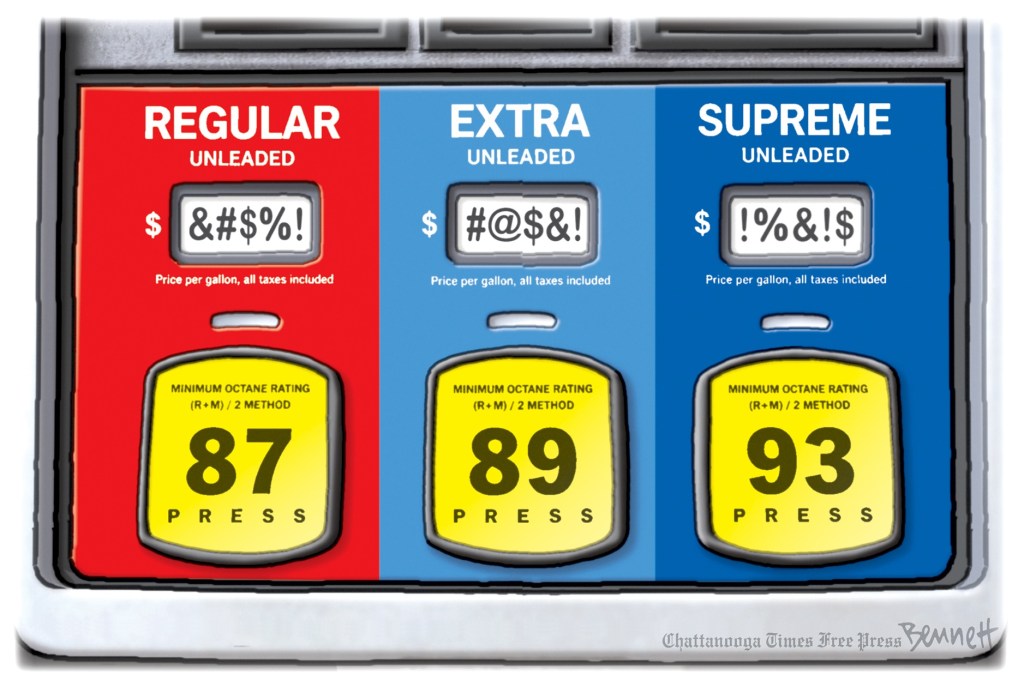
In 2024, voters elected Trump because they (wrongly) believed that he would lower costs and make life more affordable. Instead, he personally did two things that made costs rise: start a war in Iran and levy ridiculous tariffs on the country’s trading partners.
The tariffs hit agricultural states hard, as it started a trade war that caused major nations to stop buying the crops American farmers grow, decimating their businesses. What’s more, the tariffs raised prices on the things needed to grow the crops in the first place, from fertilizer to farming equipment. It made their already slim margins even slimmer, and caused farm bankruptcies to skyrocket.
Meanwhile, the war in Iran spiked the cost of fuel, which in turn caused prices for everything else to go up, too.
Voters knew Trump was to blame for their problems, and because Trump himself wasn’t on the ballot, they punished his party for his conduct instead—just as Trump had asked them to do starting at his midterm convention, and then later at his sad little rallies.
2. Coalitions are never permanent
Republicans crowed in 2024 that their gains among young and nonwhite voters would make them unstoppable moving forward.
But it didn’t even take two years for that coalition to fall apart.
Data shows Democrats gained support in every demographic group Trump had made inroads with in 2024. That includes men, who shifted 18 points left; white voters, who moved 12 points to the left and which Republicans barely won; Hispanic voters, who moved 29 points leftward; and young voters, who moved a whopping 33 points toward Democrats.

That’s what happens when you make promises to lower prices, not start new wars, and to release the Epstein files, only to break every single one.
Of course, Democrats need to put in the work to keep these voters in their coalition. They can do that by passing legislation that benefits the regular folks economically and avoiding the culture wars that Republicans relish on sucking them into.
3. Persuasion is still possible
In the same way that coalitions are never permanent, neither, we learned on Tuesday night, is partisanship.
Democrats won states and districts Trump carried in 2024 by double digits, peeling off Republicans voters who were mad at the members of their own party.
Indeed, Armin Thomas, founder of the political analysis site SplitTicket, wrote in a post on X that Republicans “had good turnout in [the early vote]. They just got absolutely *clocked* in persuasion.”
Polarization can be overcome in the right circumstances. Just as Trump swung working-class white voters to the GOP, Democrats can win those voters back by showing that Trump’s promises were all a lie.
4. Candidate quality matters
This is another big story of the midterms. Democrats won elections thanks both to backlash to Trump, but also because they faced horrible Republican candidates in red states that even GOP voters couldn’t bring themselves to cast ballots for.
In Kansas, Democrats picked up a U.S. Senate seat for the first time since the 1930s by facing Republican Sen. Roger Marshall—a lazy incumbent whose past of suing his former patients for unpaid medical bills came out during the campaign. Marshall’s defense for why he sued indigent patients for unpaid medical bills did not convince voters, and he lost—handily.
Also helping Democrats there was that Marshall faced off against an S-Tier opponent in Adam Hamilton. Hamilton is the senior pastor of a megachurch in Kansas. It made the traditional Republican attacks of painting him as some sort of dangerous radical fall flat, and helped him earn the trust of the state’s conservative electorate to pull off a stunning win.

The same goes for Texas, where Republican Ken Paxton’s cartoonish corruption and moral failings repelled even Republican voters, while Democratic Sen.-elect James Talarico’s seminarian background made Texas’ churchgoing electorate comfortable enough to cast ballots for a Democrat.
The list goes on: Clownishly unqualified Darline Graham lost Republicans a Senate seat in South Carolina. Despicable GOP nominee Brandon Herrera lost Republicans a House seat in Texas. Vile Colorado Republican Rep. Lauren Boebert is on track to lose reelection in Colorado to a moderate Democrat who fits the otherwise strongly Republican district. Stay tuned for a story about the best and worst nominees this cycle that will drive home this lesson even more.
5. Money isn’t the end-all-be-all
Lastly, a major lesson from this wild midterm is that all of the money in the world cannot save you if your message sucks.
Republicans spent a half a billion dollars to try to boost Republicans, but it focused on an anti-trans message that was not only gross but it was not something voters thought was most important this year.

Voters in 2026 were begging for economic reprieve, and all Republicans gave them in their ad messaging was the same hyperbolic culture war nonsense the right has run for decades.
Screaming that your opponents will trans your kids and force socialism upon them doesn’t work when both a) the candidates you’re running that message against are mild-mannered seminarians or relatable moms and b) when voters are telling you that they wanted a focus on affordability and your party pooh-pooed their plight.
This is just a short list of lessons learned. Share your takeaways from the midterms in the comments below.