In an era dominated by high-speed transit, packed flight corridors, and hyper-scheduled itineraries, modern travel often feels less like genuine discovery and more like an exercise in crowd management. True exploration requires slowing the pace, trading rigid tourist timetables for natural rhythms, and engaging deeply with coastlines rather than passing over them at thirty thousand feet. Cruising under sail is the ultimate antidote to frantic tourism. It is not simply a means of reaching a geographic point; it is a philosophy that reclaims travel as an active, deliberate craft.
Embracing the Velocity of the Wind
The defining characteristic of voyaging under sail is the surrender of arbitrary schedules. When you depend entirely on atmospheric pressure gradients and sea currents to move across the water, the calendar ceases to be the ultimate arbiter of your day.
Sailing at five to eight knots compels a radical shift in perspective:
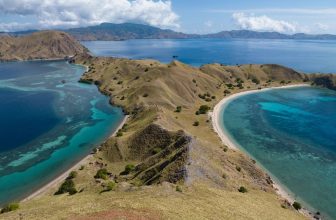
- Developing Intimacy with Topography: Rather than arriving abruptly at a destination, a sailor observes the land gradually take shape. Distant mountain peaks rise from haze, headlands reveal their jagged contours, and hidden breaks in limestone cliffs slowly open into protected anchorages.
- Understanding Coastal Weather: A slow traveler lives directly inside the elements. You become intimately attuned to the afternoon sea breeze kicking up as coastal landmasses heat, the evening catabatic winds draining from mountain ravines, and the subtle barometric shifts that forecast approaching systems.
- Cultivating True Self-Reliance: Moving with the wind demands mental presence. Every sail trim adjustment, course heading, and anchoring maneuver connects you directly to the physical environment.
To sustain this unhurried way of life without constant mechanical interruptions, maintaining your rig and deck systems with premium boat parts such as heavy-duty blocks, low-friction traveler cars, and high-tensile halyards is essential to keep your boat moving efficiently under canvas.
The Art of Finding Quiet Coastal Sanctuaries
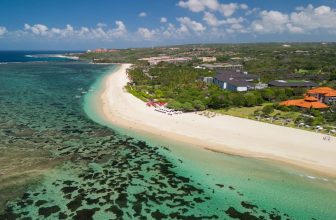
Mass tourism tends to concentrate along narrow strips of infrastructure, clustering near deep-water ferry piers, cruise docks, and coastal highways. A shallow-draft sailing vessel unlocks an entirely parallel world of inaccessible anchorages, uninhabited islets, and tiny fishing hamlets that land-based crowds cannot reach.
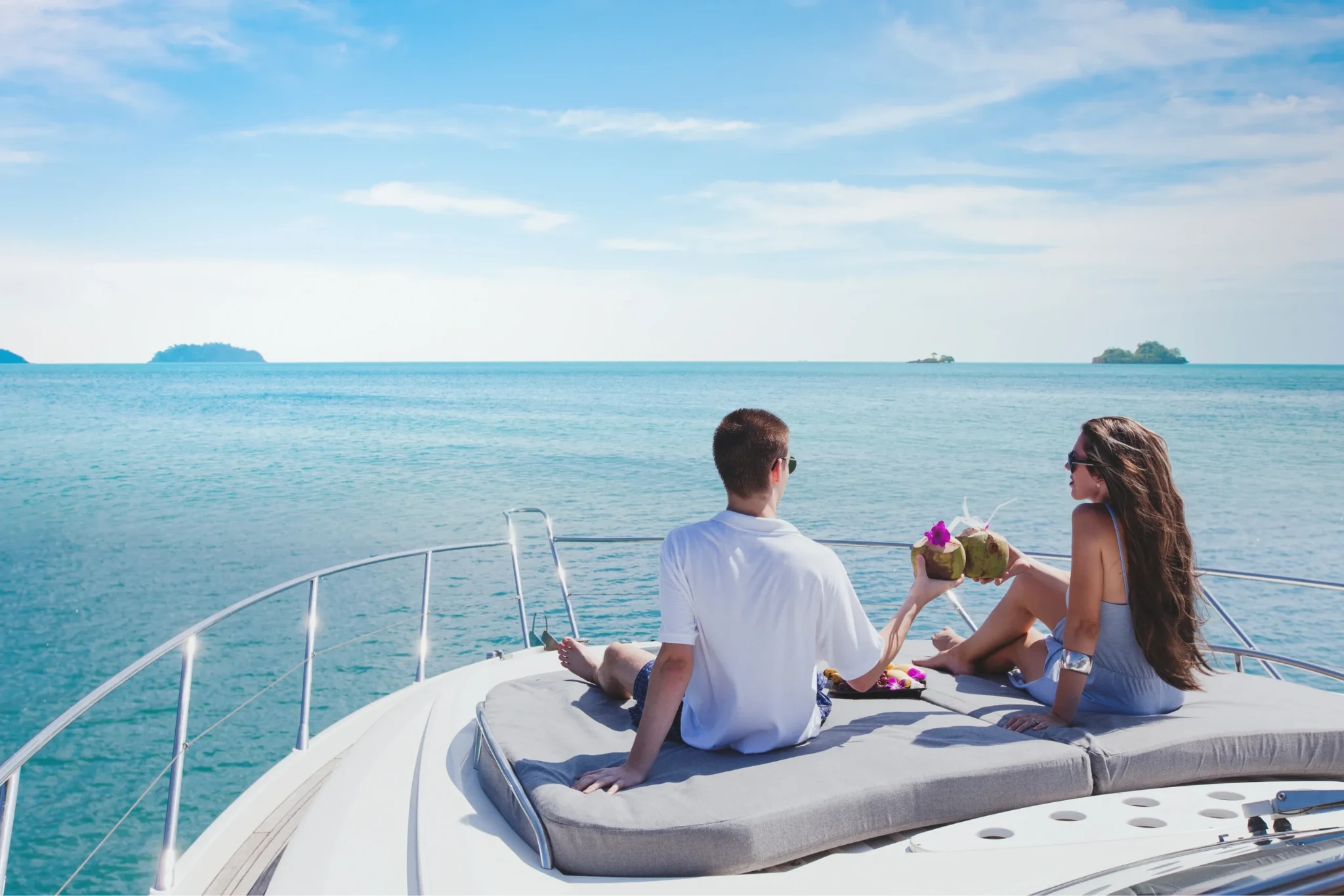
Dropping the hook in a quiet cove at sundown offers a degree of peace impossible to find in a hotel resort. You share the water with marine life rather than tour boats, fall asleep to the gentle lapping of swell against the hull, and step into crystalline waters directly from your transom at first light.
However, lingering in remote coves far from commercial ports requires absolute confidence in your mechanical and steering systems. If you are cruising the scenic Rías Baixas of Galicia or anchoring among the rugged cliffs of the Balearic Islands while journeying through Spain, having access to certified piezas para barcos from dedicated Spanish maritime chandlers ensures you can service steering linkages, raw-water pumps, and windlass solenoids without cutting your remote explorations short.
Sustainable Living on a Self-Contained Platform
Slow travel by boat is fundamentally an exercise in sustainable, low-impact living. When every liter of water comes from the sky or a desalinator, every watt of electricity is harvested from the sun or wind, and every scrap of food must be stored on board, conservation ceases to be an abstract concept and becomes a daily practice.
Cruisers quickly develop mindful domestic habits:
- Energy Autonomy: Solar arrays mounted on the stern arch and hydrogenerators trailing in the wake power navigation electronics, interior lighting, and refrigeration without the need to run fossil-fuel generators.
- Minimalist Provisioning: Cooking aboard focuses on simple, whole ingredients purchased from local dockside markets, cutting out redundant commercial packaging and supporting small coastal producers directly.
- Leaving Zero Trace: Responsible sailors leave anchorages cleaner than they found them, collecting drifting marine plastics from remote beaches and safeguarding delicate seabed flora like Posidonia oceanica by selecting bare sand for anchoring.
To support this self-contained lifestyle, outfitting your vessel with high-grade boat equipment including solar charge controllers, pure sine wave inverters, and heavy-duty freshwater filters guarantees you remain energy-independent and secure in secluded anchorages for weeks at a time.
Meaningful Cultural Connections at the Water’s Edge
Arriving in a small coastal town by boat establishes a fundamentally different relationship with local communities than arriving by tour bus or rental car. Stepping ashore at a modest working quay places you directly among local fishermen, boatbuilders, and artisans.
Because sailors stay longer in single harbors waiting for favorable wind windows, they have time to build authentic connections. You return to the same family-owned bakery, exchange stories with local fishermen over coffee at the harbor master’s office, and experience coastal traditions in an unhurried, respectful way.
Slow travel under sail is not an easy lifestyle, nor is it free of physical labor. It demands physical effort, constant weather vigilance, and regular mechanical maintenance. Yet, in exchange for giving up convenience, it offers an unmatched sense of autonomy, genuine engagement with coastal geography, and the profound peace of a voyage dictated only by the wind and the sea.