Common Skin Conditions Linked to Winter Rash
Eczema/ Atopic dermatitis
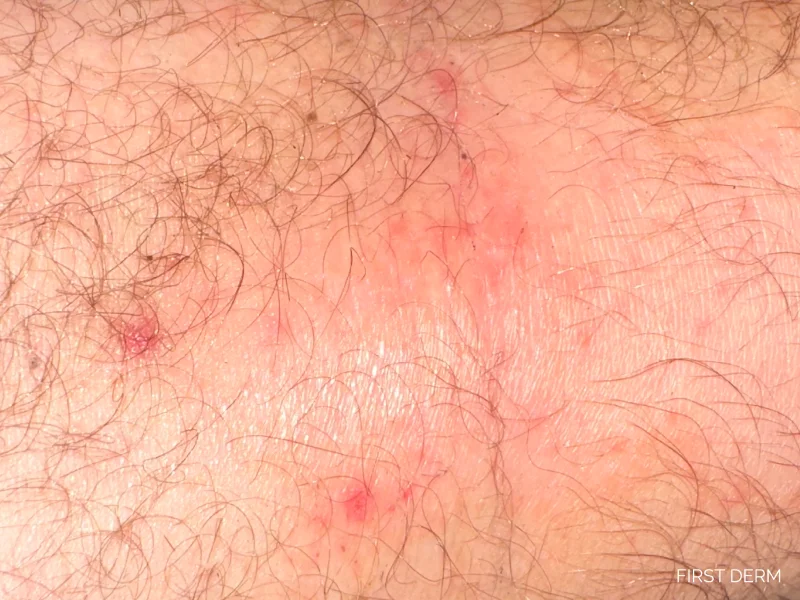
Atopic dermatitis behind the knee showing red, dry, and itchy patches, a common symptom of winter rash.
Cold and dry weather increase the overall risk of flares inpatients with AD and further increase its incidence and prevalence.[2] Winter weather can significantly exacerbate pre-existing skin conditions, particularly atopic dermatitis (eczema). Cold temperatures and low humidity contribute to skin dryness, further disrupting the skin barrier and triggering eczema flares. Studies have shown a correlation between colder seasons and increased incidence and prevalence of atopic dermatitis. Climate change is recognized as a significant environmental factor influencing the development and exacerbation of allergic diseases, including atopic dermatitis. Research has demonstrated that cold temperatures can induce the production of proinflammatory cytokines and lipid mediators in the skin, leading to itch, skin barrier dysfunction, and ultimately, worsening eczema symptoms.[2]
Atopic dermatitis is one of the main types of eczema. Learn more about eczema subtypes and management in our eczema overview.
Asteatotic eczema
Asteatotic eczema, also known as xerosis eczema, is a common winter skin condition marked by severe dryness, cracking, and scaling of the skin. It occurs when the skin’s natural moisture barrier is compromised, leading to excessive water loss. The cold, dry air and low humidity during winter significantly contribute to its development, making it a frequent concern during this season.
This condition typically presents as red, itchy, and cracked skin, often resembling a “crazy paving” pattern. It most commonly affects areas like the lower legs, arms, and hands. Individuals with a history of eczema or older adults are particularly prone due to naturally drier skin.
The primary goal of treatment is to restore and maintain skin hydration:
- Moisturizing: Regular use of thick, oil-based moisturizers, especially after bathing, helps seal in moisture.
- Gentle Cleansing: Use mild, soap-free cleansers with lukewarm water to avoid further stripping the skin’s oils.
- Topical Medications: In cases of significant inflammation, topical corticosteroids may be prescribed alongside emollients to reduce redness and itching.
- Advanced Treatments: Moisturizers containing alpha-hydroxy acids can help gently exfoliate and hydrate. Emerging treatments, like N-palmitoylethanolamine (PEA), show promise for reducing inflammation and discomfort in severe cases.[4]
Rosacea
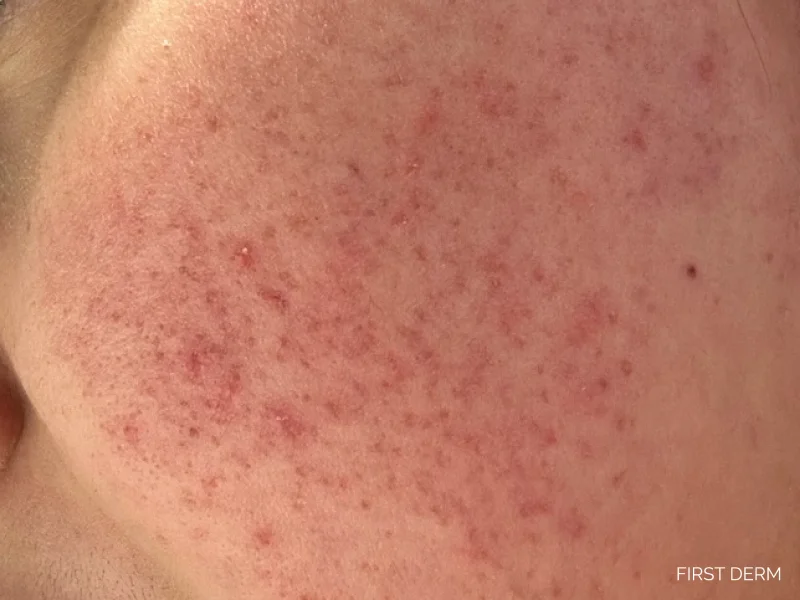
Winter rash showing rosacea-like redness and dryness on the cheek, worsened by cold weather and temperature fluctuations.
Rosacea is a chronic skin condition that primarily affects the face, causing redness, flushing, and often, the appearance of small, red bumps or pimples. While the exact cause is unknown, it’s believed to be triggered by factors like sun exposure, cold weather, stress, hot beverages, alcohol, and certain foods. The severity of rosacea can vary, and it may progress over time. Treatment typically involves avoiding triggers, using topical medications (like antibiotics and retinoids), and in some cases, oral medications or laser therapy.[5]
Psoriasis
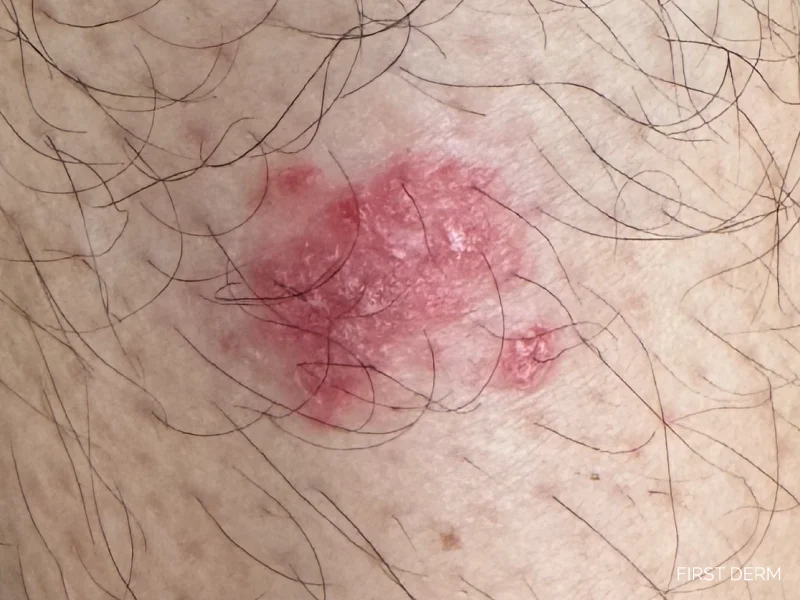
Psoriasis vulgaris on the lower leg, presenting as a persistent winter rash with red, scaly plaques and silvery scales, exacerbated by scratching and warm water.
Psoriasis is a chronic skin condition where the body’s immune system mistakenly attacks healthy skin cells, leading to an overproduction of skin cells. This results in thick, scaly patches on the skin. It’s a complex condition influenced by various factors, including genetics, immune system dysfunction, and environmental triggers such as smoking, alcohol use, stress, infections, and certain medications. While seasonal influences may play a role, the overall impact of these factors on psoriasis activity is significant.[6]
Cold Urticaria
Cold urticaria is a rare condition where exposure to cold temperatures triggers the development of itchy hives (urticaria) or swelling (angioedema) on the skin. Symptoms typically appear within minutes of cold exposure and can range from mild discomfort to severe, life-threatening reactions. If you suspect you may have cold urticaria, it’s essential to consult a dermatologist for proper diagnosis and management.[7]