Published by:


Ask a clinical question and tap into Healio AI’s knowledge base.
- PubMed, enrolling/recruiting trials, guidelines
- Clinical Guidance, Healio CME, FDA news
- Healio’s exclusive daily news coverage of clinical data
September 25, 2026
2 min read
Attendees at a wedding in Pennsylvania last year were sickened with a bacterial illness that investigators linked to untreated water from a spring contaminated with animal feces.
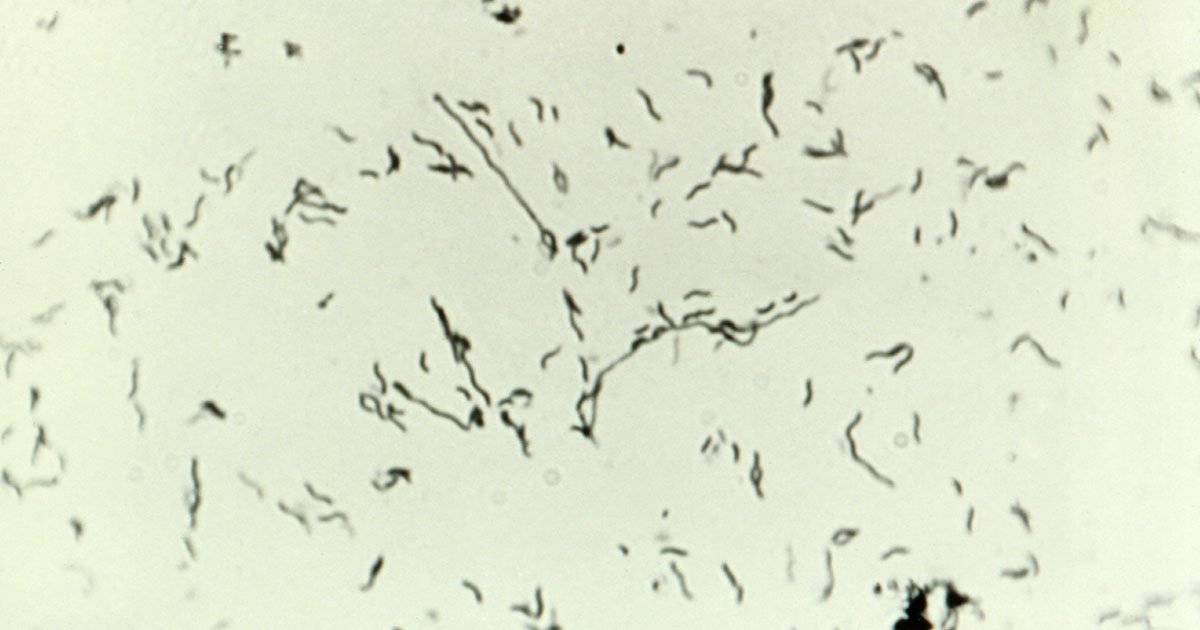
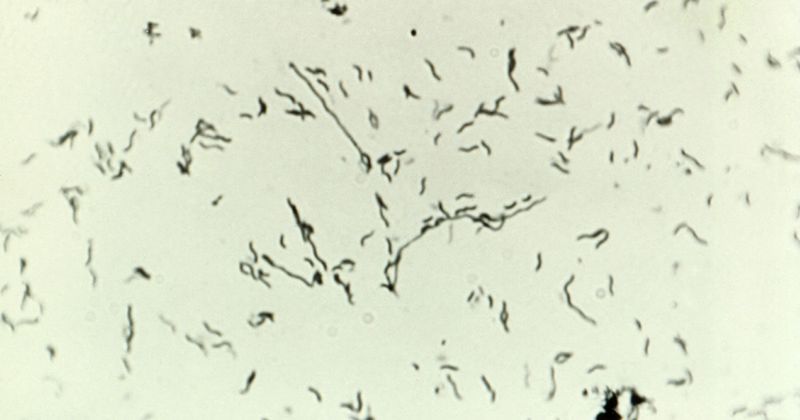
At least one guest tested positive for campylobacteriosis — a gastrointestinal illness caused by Campylobacter jejuni — and more than 20 additional attendees experienced similar symptoms, according to a summary of the investigation published in the CDC’s Morbidity and Mortality Weekly Report.
Investigators linked the outbreak to an on-site springhouse with a broken roof and a kitchen UV treatment unit that had not been working for at least 2 months prior to the June 2025 ceremony in York County, which was attended by around 80 people.
Campylobacter is the most common cause of bacterial diarrheal illness in the United States, leading to around 1.9 million infections per year, according to the CDC. Undercooked poultry is the most common source, but outbreaks have been linked to consumption of raw milk, untreated water, seafood and produce.
The bacterium packs an unusually strong punch. According to the CDC, “a single drop of juice from raw chicken can contain enough Campylobacter to cause an infection.”
Campylobacter infection causes symptoms consistent with other gastrointestinal illnesses — diarrhea, fever, cramps — but can also cause bloody diarrhea and more lasting conditions, such as irritable bowel syndrome, arthritis and nerve damage, according to the CDC. Young children, older adults and people with weakened immune systems are at higher risk for infection and serious disease, the CDC notes.
Health officials in Pennsylvania contacted the CDC for help with the investigation after one attendee tested positive for Campylobacter and others reported symptoms.
Investigators found that wedding guests were served untreated spring water from a tap after the venue ran out of bottled water, and that the same water was used for food preparation. The venue had replaced a broken UV water treatment system since the wedding ceremony, so investigators were unable to culture Campylobacter from any of the water samples they took. But testing did detect Campylobacter DNA from tap and spring water, and there was other evidence of fecal contamination at the spring.
The springhouse’s broken roof allowed “entry of debris and animal feces,” the investigators wrote. The spring was located near a chicken coop and an area where horses were kept, but investigators were unable to determine where the fecal contamination originated.
According to the report, the wedding venue took several steps to prevent future outbreaks, including fixing the roof of the springhouse and installing water filters.
“Private springs are largely unregulated in the United States, and, in the absence of visible contamination, users might assume such water is safe,” the investigators wrote.
“These findings suggest that timely environmental testing paired with epidemiologic investigation could improve source attribution and guide the development and implementation of remediation efforts at venues serving the public,” they wrote. “Routine inspection and maintenance of untreated private water sources might reduce the risk for waterborne outbreaks.”
Ask a clinical question and tap into Healio AI’s knowledge base.