Scientists fed people the same chickpeas in different forms and their bodies reacted very differently

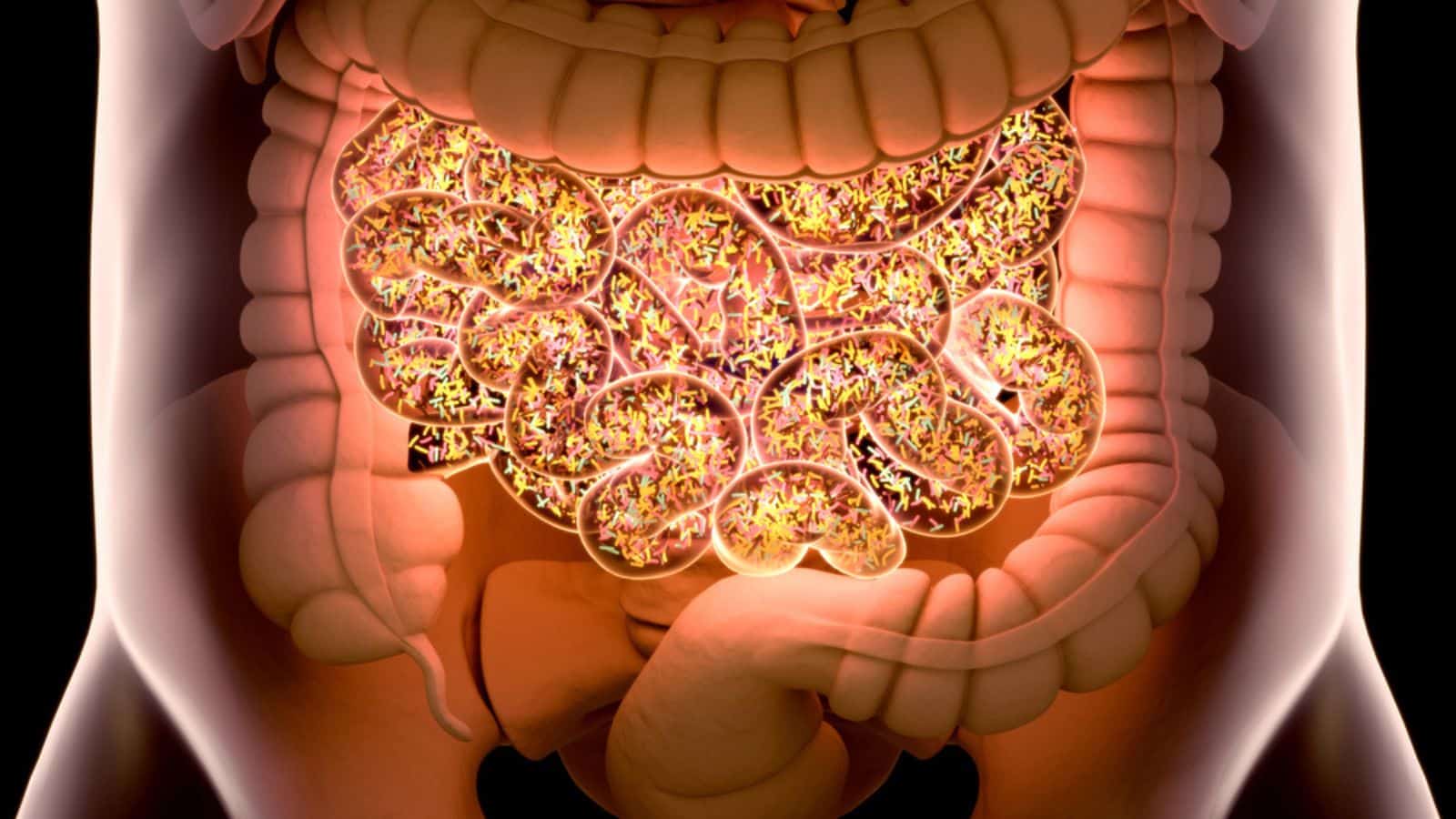
Two meals can contain the same ingredients and the same nutrients yet behave very differently once you eat them. Researchers demonstrated this by giving people chickpea-based meals that were nutritionally matched but differed in one important way: the physical structure of the chickpeas.
In some meals, the chickpea cells remained relatively intact. In another, processing had broken those cells open before the food was eaten.
What happened next suggests that nutrition may depend on more than the amount of carbohydrate, protein, fat and fiber listed on a label. The physical structure of food can influence where and how quickly its nutrients become available during digestion.
Researchers changed the structure, not the nutrients
The randomized crossover trial involved 10 healthy adults who ate chickpea meals containing the same ingredients and macronutrient composition but with different cellular structures. Researchers then tracked what happened at several points throughout their digestive systems.
In the Nature Communications study, researchers sampled fluids from the stomach, duodenum and ileum while also measuring blood levels of gut hormones involved in nutrient sensing and appetite.
One meal contained chickpea cells that had been broken apart through processing. The other versions preserved the cellular structure to different degrees.
That distinction may sound small, but plant cells act as physical barriers. When they remain intact, starch and other nutrients can stay enclosed inside the cells instead of becoming immediately accessible to digestive enzymes.
Breaking those walls changes how easily the digestive system can reach what is inside.
Takeaway: The meals were nutritionally similar on paper, but changing the chickpeas’ cellular structure changed how accessible their nutrients became during digestion.
Broken chickpea cells released sugars earlier
When the chickpea cells were broken down, digestion moved differently through the upper gastrointestinal tract. Researchers observed earlier peaks in glucose and maltose, sugars produced as starch is digested.
The broken-cell meal was associated with rapid nutrient availability earlier in digestion and a faster response from glucose-dependent insulinotropic peptide, or GIP.
GIP is a hormone released largely in the upper small intestine after nutrients arrive. Among its roles is helping the body coordinate its response to food. The researchers saw a much earlier GIP rise after the broken-cell meal than after meals in which more of the cellular structure remained intact.
This helps illustrate what food processing can change even without adding sugar, removing fiber or altering the basic nutrient composition.
You can begin with essentially the same raw material and change the body’s immediate response simply by changing how physically disrupted that food becomes.
Related: Six Budget-Friendly Foods That Make Everyday Meals Healthier
Takeaway: Breaking open the chickpea cells made their starch more accessible, producing earlier digestive sugar peaks and a quicker hormonal response.
Intact cells pushed more nutrients farther through the gut
The intact-cell meals created a different pattern. Instead of releasing as much material early in digestion, more nutrients appeared farther along the small intestine.
Researchers detected higher concentrations of certain sugars, amino acids and other metabolites in later sections of the digestive tract after participants ate meals containing intact chickpea cells.
Those differences were accompanied by stronger or more prolonged responses involving GLP-1 and PYY.
Both hormones participate in the body’s response to a meal and are involved in appetite and nutrient regulation. They are released largely by cells located farther down the gastrointestinal tract than the cells responsible for most GIP release.
In other words, keeping more of the chickpeas’ cellular structure intact appeared to change not only how quickly nutrients became available but also where in the digestive tract those nutrients were encountered.
That location can influence which biological signals get activated.
Takeaway: Intact chickpea cells allowed more nutrients to travel farther through the digestive tract, where they were associated with different gut-hormone responses.
Even the gut microbes responded differently
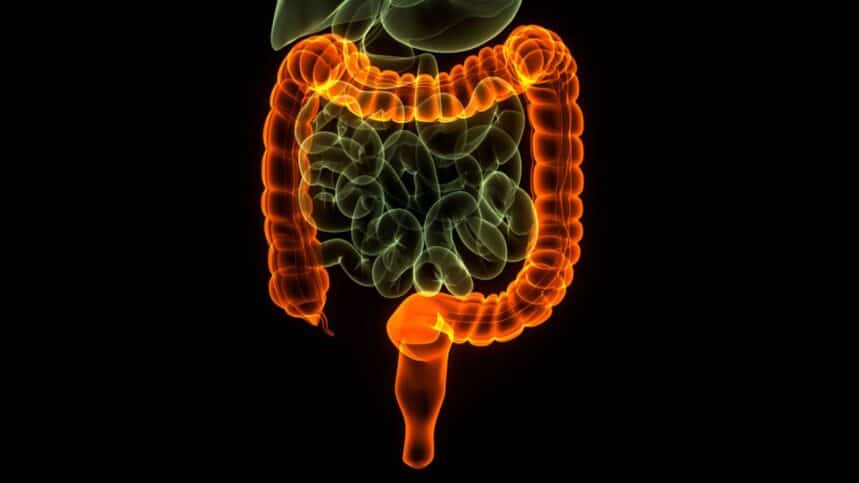
Food structure did not just affect digestion and hormones. Researchers also found rapid changes in microbial patterns as food moved through the gastrointestinal tract.
The study detected shifts in dominant microbes and found evidence that some bacterial strains originating in the mouth reached the ileum alongside the food. Their abundance was associated with local metabolites and PYY responses.
That adds another layer to the findings. A meal is not simply broken into nutrients that enter the bloodstream. Food interacts with digestive enzymes, intestinal cells, hormones and microbes at different points along its journey.
Changing the structure of that food can alter several of those interactions. The researchers described food structure as an important determinant of post-meal gastrointestinal metabolism and hormone responses.
Takeaway: The physical form of the chickpeas influenced a chain of events involving nutrients, hormones and even microbial activity.
The nutrition label may not tell the whole story
The study was small, involving only 10 participants, so it cannot tell us that one form of chickpeas will produce better long-term health outcomes than another. But it demonstrates an important idea researchers are increasingly exploring: foods with similar nutrient profiles may not necessarily behave identically inside the body.
Nutrition labels tell you how much carbohydrate, protein, fat and fiber a food contains. They cannot fully describe the microscopic structure holding those nutrients together.
Cooking, grinding, blending and other forms of processing can change that structure and potentially alter how quickly nutrients become available.
That does not mean blended or processed chickpeas are automatically unhealthy, nor does the research suggest people need to stop eating hummus or other chickpea-based foods.
The more interesting lesson is broader. What a food contains matters. But how that food is physically constructed—and what happens to that structure before you eat it—may matter too.
Question for you. Does knowing that food structure can change the body’s response make you think differently about whole foods versus heavily processed versions of the same ingredients?
More articles
- 8 Fast-Food Meals You Should Avoid At All Cost
- 12 Worst Foods to Eat First Thing in the Morning
- 12 Foods Boomers Love That Gen Z Refuses to Eat
The post Scientists fed people the same chickpeas in different forms and their bodies reacted very differently appeared first on FODMAP Everyday.