The Spiritual Significance of Trimbakeshwar: Finding the Right Pandit for Traditional Puja

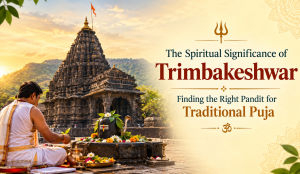
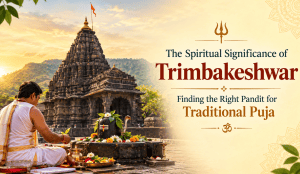 The Spiritual Significance of Trimbakeshwar: Finding the Right Pandit for Traditional Puja
Introduction
Trimbakeshwar is a major pilgrimage site dedicated to Lord Shiva and is the abode of the Trimbakeshwar Jyotirlinga. In addition to visiting the temple, devotees visit for traditional ceremonies that relate to their family, ancestry, astrological, or devotional matters.
Why Trimbakeshwar Holds Spiritual Importance
Trimbakeshwar has always been linked to Shiva worship and Hindu pilgrimage. The religious significance of this temple attracts pilgrims who come to pray, perform rituals, and spend time in a place that has established spiritual traditions associated with religious practices.
For many pilgrims, visiting the temple is not all that matters when they go to a sacred place. It can also be a time for introspection and reaffirmation of faith. Such a religious atmosphere is one of the reasons why devotees believe in visiting Trimbakeshwar for traditional pujas, which are important to their family or spiritual practice.
Choosing the Best Pandit in Trimbakeshwar
A pandit is an important person in explaining and performing a traditional ceremony. Hence, a devotee should find someone who knows the relevant puja vidhi or procedure and can clearly explain the puja process.
While looking for the best pandit in Trimbakeshwar, you should keep in mind how much the concerned pandit knows about the ceremony, how he communicates with you, how transparent he is about the arrangements, and how eager he is to answer any of your questions about the rituals.
You should also inquire about what the ritual services cover. This can include ritual items, accommodation, the location of the puja, and other arrangements as per the nature of the puja.
Understanding Kaal Sarp Dosh Puja Trimbakeshwar
Kaal Sarp Dosh Puja Trimbakeshwar is a traditional religious ceremony that is conducted by devotees who believe that Kaal Sarp Dosh in their birth chart demands a spiritual remedy. Vedic astrology and Hindu religious belief root its practice. Most of the people or devotees consult an experienced astrologer or pandit before taking any decision about this ceremony.
The religious significance of Trimbakeshwar is unique as it has a strong connection with Lord Shiva and traditional Hindu practices. The presence of the Trimbakeshwar Jyotirlinga adds significance to a pilgrimage undertaken for worshipping Lord Shiva. Hence, many devotees, during their visit to the temple, conduct puja, along with doing other customary religious activities.
Devotees should be aware that the ceremony may differ based on the pandit’s experience, family traditions, and the particular religious needs. A learned pandit can explain the sequence of rituals, mantras, offerings, samagri, duration, and requirements for participation in the puja.
Families can discuss these details and ensure they are ready for the day of conducting the ritual. The pandit’s advice and the availability of appropriate dates can also determine the date of the puja.
Devotees coming from other cities should check the timetable before arranging their travel and accommodation. They should also have enough money to cover all the costs of the puja, including the materials and items they need to purchase for conducting it.
Devotees can be religious but should be practical, and they should not believe that the ritual will ensure a particular outcome in life. The pandit conducting the puja should describe the traditional purpose and procedure of the puja or ritual but should not promise or guarantee things or situations which are unrealistic.
What Devotees Should Know Before Performing a Puja
Devotees should consult an experienced pandit in Trimbakeshwar if the ritual requires any prior consultation, registration, or documentation before arriving at Trimbakeshwar. Some ceremonies may include providing information regarding participants, lineage, customary names, and religious intent for conducting the puja.
Some pujas or rituals require devotees to attend in the early morning hours or complete the rituals in stages. The devotees or their families by knowing about the logistical details of these pujas would help them in planning about their food requirements, transport, accommodation, and other activities.
Devotees should enquire about what they need to bring to the ritual or puja. It can be in the form of appropriate clothing, identification documents, past puja records, photographs, or specific offerings, depending on the tradition.
The pandit can provide a clear list of required items so that families do not buy things they do not need or purchase unnecessary items. Devotees should not take valuables to the temple or ritual site, except when these valuables form part of the ritual.
Once the pandit completes the puja, he might offer devotees advice on how to conclude the rituals, make offerings, practise charity, or follow traditions associated with the ceremony. The devotees should listen carefully to the instructions provided by the pandit, and they can ask questions when they are unable to understand instructions of the pandit.
In case you are planning to visit the temple again, you need to check the opening hours and travel arrangements and need to reserve your time for other activities you plan for after completing your puja or ritual.
A pilgrimage is a religious act and inspires you to remain disciplined during the entire process of the puja or ritual. Having an understanding of what to expect before, during, and after the ceremony will help you to ensure that your visit runs smoothly while also respecting customs and traditions.
A Spiritual Approach to Visiting Trimbakeshwar
A pilgrimage can serve a purpose other than to perform a ritual. Devotees might be able to concentrate on prayer, contemplation, and personal devotion during their time at the temple and while visiting other holy places.
Some may visit to conduct a particular ritual with their family, and others may do temple darshan or visit for meditation. Respecting local practices and the religious nature of the place visited can enhance the value of your pilgrimage.
The value of your pilgrimage rests on your faith, intention, and approach to the tradition. Therefore, it is important to book a traditional puja in Trimbakeshwar. You must choose a ritual or puja that fits your religious belief and then discuss your requirements with a knowledgeable pandit in Trimbakeshwar.
At the time of booking, you must check the category of puja, date, muhurat, procedure, duration, samagri/items, location of the ritual, and other costs you will incur for conducting the puja.
If the ritual involves a step-by-step process and takes longer to complete, you can ask a learned pandit to explain the entire schedule in simple language so that you can understand the gist of the ritual.
You should avoid making last-minute arrangements for puja. Therefore, you must contact an experienced pandit to confirm the date and ceremony details, and book your puja before making your travel plans for Trimbakeshwar.
For information and assistance with traditional puja arrangements, you can visit the Trimbakeshwar Puja Pandit website to know about the ceremony you wish to perform.
Conclusion
A visit to Trimbakeshwar is a blend of pilgrimage that involves worship at the temple and participation in various traditional Hindu rituals. The temple is also a place of religious significance and is a popular destination for devotees who want to follow traditional ceremonies in a holy environment.
The various forms of pujas conducted at this temple include Kaal Sarp Puja, Pitra Dosh Puja, Narayan Nagbali, Rudra Abhishek, Maha Mrityunjay Jaap, and Tripindi Dosh Puja, each having its own traditional context.
Selecting the right pandit involves considering his expertise in ritual knowledge, communication, and clarity of arrangements. This way, the devotees can be more focused on their visit to Trimbakeshwar and be able to conduct the puja or rituals without any hassles and with peace of mind.