Introduction to Cosmetic and Reconstructive Skin Care
Achieving healthy, resilient skin often requires more than basic daily care. Many of us seek advanced solutions, whether to enhance our appearance or to restore skin function after injury or disease. This crucial area is known as cosmetic and reconstructive skin care, and it represents a vital part of what we consider modern medical and surgical dermatology.
In this comprehensive guide, we will explore the distinct goals and complementary nature of cosmetic and reconstructive approaches. We’ll delve into the science behind advanced ingredients like exosomes, copper peptides, and microbiome-inspired technologies that support skin repair and recovery. We will also examine effective protocols for minimizing downtime, reducing redness, and enhancing results after various procedures. Our aim is to provide clarity and empower you to make informed decisions on your unique skincare journey.
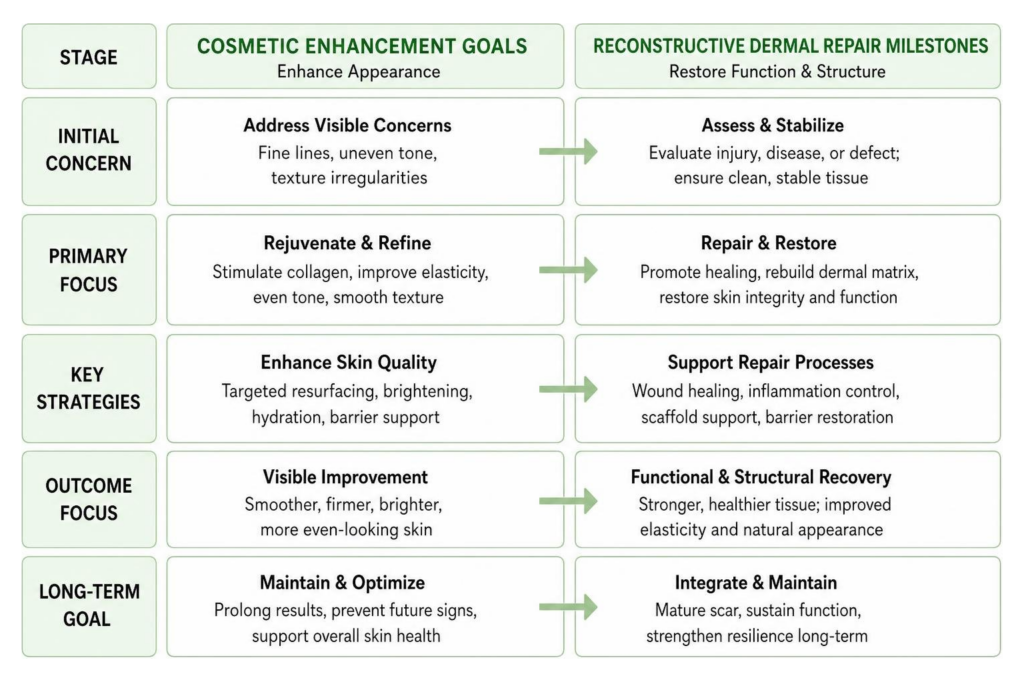
The landscape of skin health is continuously evolving, with innovations blurring the lines between aesthetic enhancement and essential dermal repair. Cosmetic and reconstructive skin care, while distinct in their primary objectives, frequently intersect to offer comprehensive solutions for patients. Cosmetic care typically focuses on improving skin appearance, addressing concerns such as fine lines, hyperpigmentation, and texture irregularities. Its goal is often to rejuvenate and refine, enhancing natural beauty. Reconstructive care, on the other hand, is centered on restoring skin function and form after trauma, disease, or congenital conditions. This can involve addressing scars, burns, or significant tissue damage.
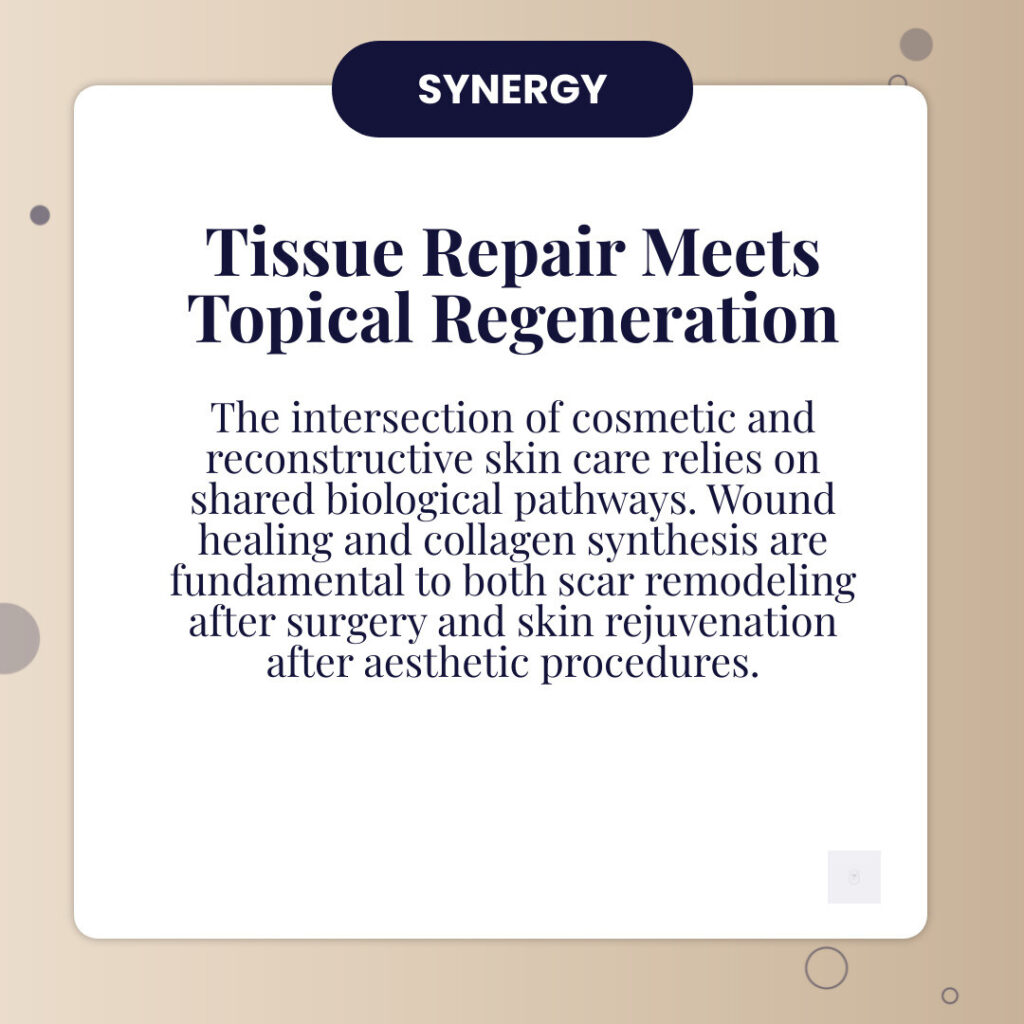
However, the methodologies and advanced ingredients used in both fields often overlap. For instance, treatments designed to accelerate wound healing in reconstructive contexts can also provide profound anti-aging benefits in cosmetic applications. Understanding the intricate balance of dermal physiology, barrier function, and cellular repair mechanisms is paramount. Regenerative medicine, a rapidly advancing field, plays a significant role in both areas, focusing on stimulating the body’s own healing processes. Post-procedural recovery, whether from a cosmetic laser treatment or a reconstructive surgery, relies heavily on these underlying biological principles. The synergy between tissue repair and topical regenerative pathways is a cornerstone of modern skin care, ensuring not only aesthetic outcomes but also long-term skin health and resilience.
The Continuum: Aesthetic Refinement vs. Structural Dermal Restoration
The journey to optimal skin health often involves navigating a spectrum of treatments, ranging from purely aesthetic refinements to crucial structural dermal restoration. While cosmetic procedures primarily aim to improve visual appeal—addressing concerns like wrinkles, sagging, or uneven tone—reconstructive interventions are designed to restore function, integrity, and a more natural appearance to skin damaged by injury, disease, or congenital defects. Despite their differing primary goals, these two facets of skin care are deeply interconnected, often utilizing similar scientific principles and advanced technologies to achieve their respective outcomes.
Consider the intricate process of wound healing and scar remodeling. In reconstructive surgery, meticulous attention is paid to tissue architecture and promoting optimal healing to minimize scar formation and restore functionality. Similarly, cosmetic procedures often involve controlled injury to the skin (e.g., laser resurfacing, microneedling) to stimulate collagen synthesis and improve skin texture, requiring careful management of the healing process to achieve desired aesthetic results. The clinical staging of skin conditions, from initial damage to long-term recovery, guides the choice of treatments and the development of comprehensive care plans. Whether the goal is to reduce the visibility of a surgical scar or to diminish fine lines, the underlying science of cellular regeneration and dermal repair remains critical. Many practitioners offer a broad range of services, effectively integrating both reconstructive and aesthetic treatments to meet diverse patient needs.
Core Foundations of Cosmetic and Reconstructive Skin Care
At the heart of both cosmetic and reconstructive skin care lies a shared understanding of fundamental biological processes. Key among these is collagen synthesis, the production of the primary structural protein that gives skin its firmness and elasticity. Both fields leverage strategies to enhance collagen production, whether to build dermal scaffolding for anti-aging effects or to facilitate robust tissue repair after injury. Erythema reduction, or minimizing redness, is another common objective. In cosmetic contexts, this might involve calming rosacea or post-inflammatory erythema. In reconstructive scenarios, it’s crucial for managing inflammation during wound healing and scar maturation.
Scar mitigation is a prime example of where the two fields converge. Reconstructive efforts focus on preventing hypertrophic or keloid scars and improving the texture and flexibility of existing scars. Cosmetic approaches often seek to diminish the appearance of acne scars, surgical scars, or stretch marks. The ultimate goal is to achieve the smoothest, most discreet scar possible.
To illustrate the distinct yet complementary goals, consider the following comparison:
Integrating In-Office Interventions with Daily Dermal Support
The success of both cosmetic and reconstructive treatments is significantly amplified when professional in-office interventions are seamlessly integrated with a robust daily dermal support regimen. Pre-procedural preparation is vital, optimizing the skin’s health and resilience to ensure better outcomes and reduce complications. For instance, preparing the skin with specific medical-grade products before laser resurfacing or a chemical peel can improve healing rates and enhance results.
Post-procedure care is equally, if not more, critical. After treatments like microneedling, laser therapies, or even surgical incision, the skin’s barrier resilience is compromised, making it vulnerable to environmental stressors and infection. A well-structured post-procedure protocol focuses on minimizing downtime, reducing redness, and accelerating recovery. This often involves using products designed to soothe, hydrate, and protect the healing skin, while actively supporting its regenerative processes. Daily dermal support then transitions into chronic maintenance, ensuring the longevity of results and ongoing skin health. This holistic approach, combining professional expertise with consistent home care, is the gold standard for achieving superior and lasting outcomes in both cosmetic and reconstructive skin care.
Cellular and Molecular Mechanisms in Post-Procedure Recovery
The remarkable capacity of our skin to heal and regenerate is driven by a complex interplay of cellular and molecular mechanisms. Following any procedure—be it a cosmetic treatment like a deep peel or a reconstructive surgery—the body initiates a cascade of events aimed at repairing the damaged tissue. This process involves intricate cellular signaling pathways, where cells communicate with each other to coordinate repair efforts. Key players in this communication network include growth factors, a diverse group of proteins that stimulate cell growth, proliferation, and differentiation.
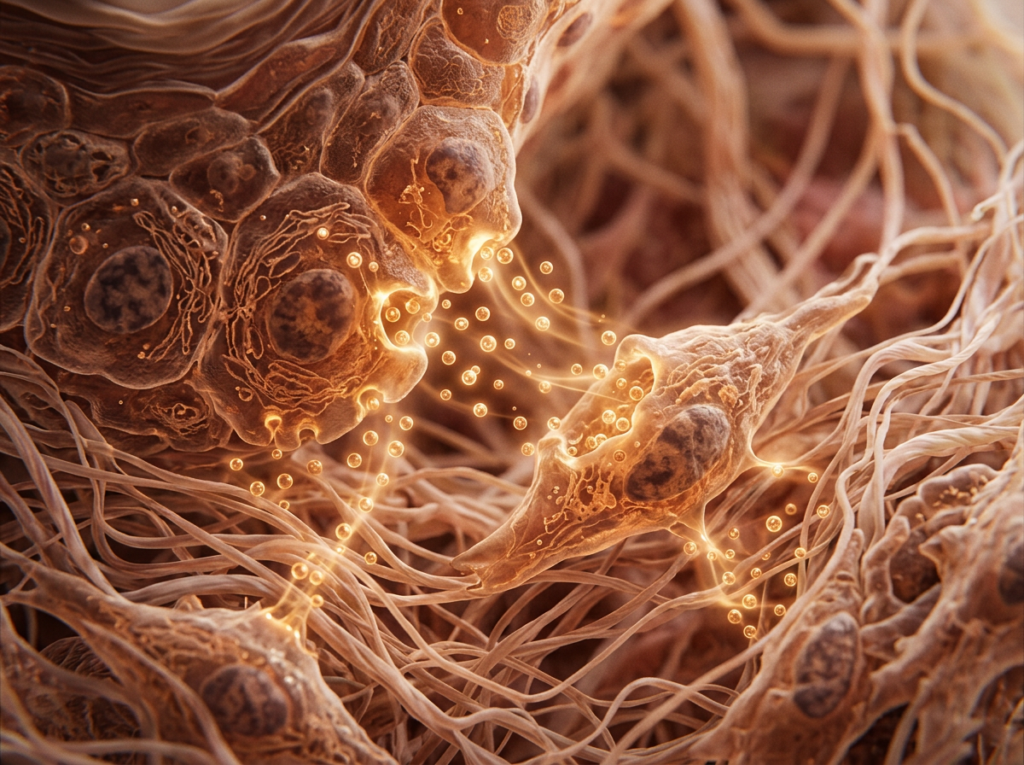
Stem cells, particularly those residing in the skin, are crucial for regeneration, acting as a reservoir for new cells that can replace damaged ones. Their activity is often modulated by their microenvironment and various signaling molecules. An increasingly recognized component of this cellular communication is the secretome, the collection of all factors secreted by cells, including proteins, peptides, and extracellular vesicles. Cytokines, a type of signaling protein, regulate inflammation and immune responses, both essential for wound healing. Extracellular vesicles, tiny membrane-bound sacs released by cells, act as messengers, transferring their contents (proteins, lipids, and nucleic acids) to recipient cells, influencing their behavior and promoting repair. Understanding and harnessing these mechanisms are central to developing advanced skincare formulations that truly support post-procedure recovery.
Exosomes, Stem Cell Secretomes, and Signal Transduction
Among the most exciting advancements in regenerative skin care are technologies leveraging exosomes and stem cell secretomes. Exosomes are nano-sized extracellular vesicles (typically 50–200nm) released by various cell types, including stem cells. They act as sophisticated messengers, carrying a cargo of growth factors, lipids, proteins, and genetic material to recipient cells. This paracrine communication allows them to signal for repair, reduce inflammation, and stimulate regeneration without introducing live cells. For instance, products utilizing exosome signaling are designed to accelerate barrier recovery, with some formulations demonstrating 100% barrier recovery in lab assays within just 48 hours. This rapid restoration of the skin’s protective barrier is critical for minimizing downtime and preventing complications post-procedure.
Stem cell-derived secretomes encompass a broader range of secreted factors, including exosomes, growth factors, cytokines, and peptides, all working in concert. These “complete secretomes” offer multi-pathway signaling, providing a more holistic approach to skin regeneration compared to isolated growth factors. Clinical evidence supports their use in professional skincare for aging, sensitive, or compromised skin. For example, studies on certain secretome-rich serums have shown significant improvements in skin firmness and smoothness appearance—up to 184% in some cases. They also support increased collagen synthesis, with reports indicating a 20% increase in collagen production, reinforcing dermal density and improving skin elasticity. This advanced technology aids in fibroblast activation and cellular turnover, leading to more resilient and youthful-looking skin.
Copper Tripeptides and DNA Repair Formulations
Beyond cellular signaling, specific ingredients play a direct role in enhancing the skin’s repair capabilities. Copper tripeptides, for instance, are renowned for their wound-healing properties. These small protein fragments, often complexed with copper ions, are naturally present in the body and are crucial for various biological processes, including collagen and elastin production, antioxidant defense, and anti-inflammatory responses. In post-procedure care, copper tripeptides help maintain a moist wound environment, reduce scabbing, and promote healthy wound contraction, leading to improved scar appearance. Products like Cu3 Tissue Repair, featuring copper tri-peptides, have shown visible recovery in as little as 17 days, supporting compromised or stressed skin with deep hydration and soothing benefits. They are generally well-tolerated, even on sensitive skin, making them valuable for post-laser resurfacing, chemical peels, and minor injuries.
Another frontier in skin repair involves formulations designed to support DNA repair. Our skin cells are constantly exposed to environmental aggressors like UV radiation and pollution, which can cause DNA damage. Over time, this damage accumulates, contributing to photoaging and an increased risk of skin conditions. Ingredients like lapachol, derived from bitter melon, are being explored for their ability to support the skin’s natural DNA repair mechanisms. Combined with antioxidants and peptides, these formulations aim to mitigate the effects of environmental damage and accelerate recovery. Clinical trials have demonstrated the efficacy of DNA Repair Complex products in reducing facial erythema by 44% and improving radiance by 37% after 8 weeks. They also show a 40% decrease in overall redness and significant improvements in scar texture, even for older scars when used consistently and sometimes in conjunction with skin-resurfacing procedures. This dual approach of boosting both cellular regeneration and DNA integrity provides a powerful strategy for comprehensive skin recovery and health.
The Skin Microbiome and Barrier Restoration Protocols
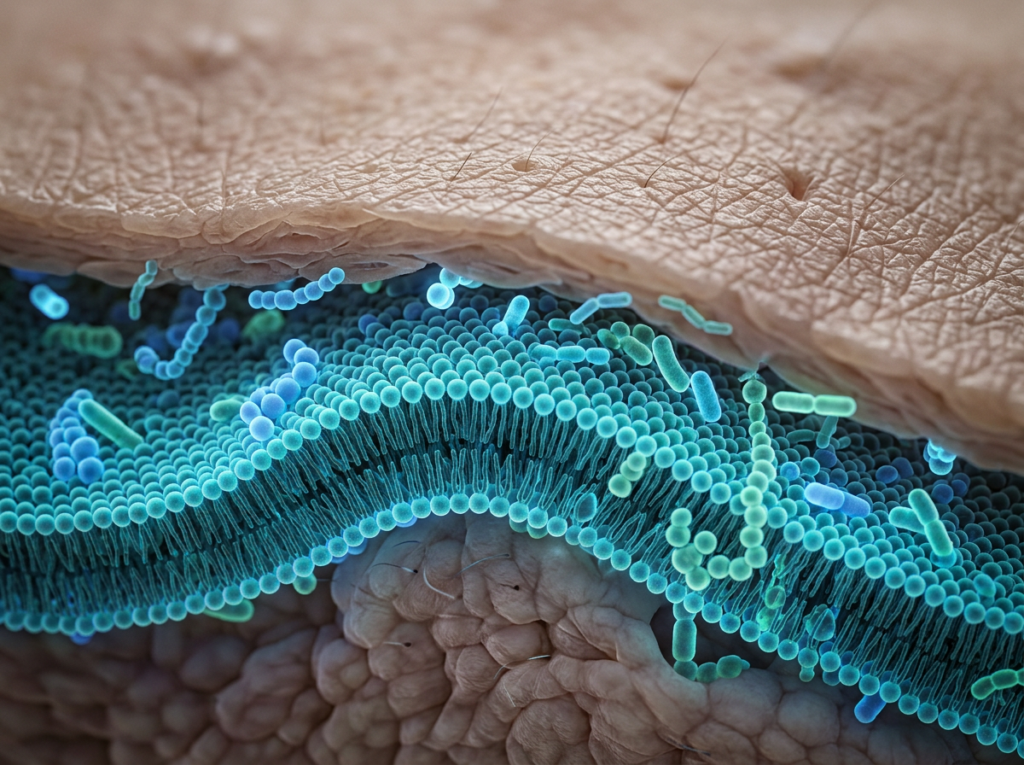
The skin, our largest organ, is home to trillions of microorganisms collectively known as the skin microbiome. This complex ecosystem plays a pivotal role in maintaining a healthy skin barrier, acting as the first line of defense against pathogens, environmental pollutants, and moisture loss. A balanced microbial community, characterized by a diverse array of beneficial bacteria, fungi, and viruses, contributes to the skin’s overall resilience.
When this microbial balance is disrupted—a state known as dysbiosis—the skin barrier can become compromised. This can manifest as increased dryness, irritation, sensitivity, and heightened susceptibility to inflammatory conditions like eczema, acne, or even post-procedure erythema. The acid mantle, a thin, protective film on the skin’s surface composed of sebum and sweat, works in tandem with the microbiome to maintain an optimal pH, which is crucial for enzyme function and bacterial defense. The stratum corneum, the outermost layer of the epidermis, acts as a physical barrier, with its unique structure of corneocytes embedded in a lipid matrix preventing trans-epidermal water loss. Skincare products designed to restore microbial balance often incorporate prebiotics (food for beneficial bacteria), probiotics (live beneficial bacteria, though less common in topical products due to stability issues), or postbiotics (metabolic byproducts of beneficial bacteria) to support this delicate ecosystem. These strategies are increasingly integrated into comprehensive skincare regimens, particularly for those undergoing procedures or experiencing compromised skin health.
Fermentation-Derived Nanovesicles and Microbial Balance
In the quest to support the skin microbiome without introducing live bacteria, innovations like fermentation-derived nanovesicles have emerged. These microscopic particles, often sourced from beneficial bacteria like Lactobacillus paracasei, are essentially “probiotic-inspired” extracellular vesicles. They deliver bioactive molecules that can support skin barrier function and renewal, mimicking the beneficial effects of probiotics without the stability challenges of live microorganisms.
These nanovesicles work by influencing the skin’s natural processes, helping to restore microbial balance and strengthen the skin barrier. Clinical studies have shown impressive results, with some microbiome-inspired treatments demonstrating superior improvements in skin firmness and barrier function compared to traditional retinoids, especially for sensitive skin. For instance, a 53% improvement in moisture barrier (transdermal water loss) has been observed, alongside significant cosmetic benefits such as an 184% improvement in skin firmness and smoothness appearance. This technology is particularly gentle for sensitive skin and can be integrated into post-procedure protocols, such as after RF microneedling or plasma treatments, to maintain moisture and soothe the skin. By supporting the skin’s natural lipid replenishment and promoting barrier closure, these fermentation-derived ingredients contribute to a more resilient and visibly renewed complexion.
Clinical Staging of Cosmetic and Reconstructive Skin Care
Effective skin care, whether cosmetic or reconstructive, follows a logical progression based on the skin’s healing and recovery stages. This clinical staging ensures that the right products and treatments are applied at the optimal time for maximum benefit and minimal risk.
- Acute Recovery Phase: Immediately following a procedure (e.g., surgery, laser ablation, deep chemical peel), the skin is in an acute state of inflammation and barrier disruption. The focus here is on soothing, protecting, and facilitating initial wound healing. Products for this phase often include gentle cleansers, occlusive balms, and anti-inflammatory ingredients. The goal is to minimize pain, prevent infection, and support initial re-epithelialization.
- Subacute Rebuilding Phase: As the initial inflammation subsides, the skin enters a rebuilding phase. This typically occurs days to weeks post-procedure. Here, the emphasis shifts to strengthening the skin barrier, promoting collagen synthesis, and managing any persistent redness or irritation. Active ingredients like growth factors, peptides, and humectants (e.g., hyaluronic acid) are introduced to aid in dermal repair and hydration. This is also when scar mitigation strategies become more prominent.
- Chronic Maintenance Phase: Once the skin has largely recovered, the focus moves to long-term maintenance, protecting the results, and addressing any residual concerns. This phase integrates products for ongoing skin health, such as antioxidants, retinoids (once appropriate), and broad-spectrum sunscreens. Home protocols become central, often involving a layered approach where products are applied from thinnest to thickest viscosity. Airless packaging is often preferred for active ingredients to preserve their potency over time. This continuous care ensures the longevity of both cosmetic enhancements and reconstructive outcomes.
Frequently Asked Questions About Dermal Repair Protocols
Navigating the complexities of dermal repair can raise many questions for patients. Understanding the science behind advanced skincare and post-treatment timelines is crucial for setting realistic expectations and achieving optimal results. Here, we address some common clinical considerations regarding active ingredients and their application.
How do cellular secretomes accelerate recovery compared to traditional growth factors?
Traditional growth factor serums often contain one or a few isolated growth factors. While effective, this approach can be limited. Cellular secretomes, particularly those derived from stem cells, offer a more comprehensive and biologically balanced approach. A complete secretome contains a vast array of naturally occurring signaling molecules—including multiple growth factors, peptides, cytokines, antioxidants, and extracellular vesicles—all working synergistically. This multi-pathway signaling mimics the body’s natural healing processes more closely, providing a holistic environment for cellular communication and regeneration.
This “orchestra” of bioactive compounds means that secretomes can address various aspects of skin repair simultaneously, from reducing inflammation and accelerating barrier function to stimulating collagen and elastin production. For instance, the S²RM® technology in some recovery serums delivers a full stem-cell secretome, supporting cellular communication, barrier function, and skin resilience. This comprehensive approach often leads to faster and more robust recovery compared to single-ingredient growth factor formulations, making them highly effective for aging, chronic, and post-procedure skin concerns.
What is the role of microbiome balance in preventing post-procedure erythema?
The skin microbiome plays a critical, yet often underestimated, role in modulating inflammation and preventing post-procedure erythema (redness). A healthy, balanced commensal microflora contributes to a robust skin barrier and produces anti-inflammatory metabolites that can calm the skin. When the skin barrier is disrupted by a procedure, the delicate balance of the microbiome can be disturbed, leading to dysbiosis. This imbalance can trigger or exacerbate inflammatory responses, prolonging redness and discomfort.
Skincare products that support microbiome balance, such as those containing prebiotics, postbiotics, or fermentation-derived nanovesicles, help to restore the skin’s natural defenses. By fostering a healthy microbial environment, these products can reduce the likelihood and severity of post-procedure inflammation, leading to faster resolution of erythema. They also contribute to improved moisture retention and overall barrier function, which are essential for a calm and resilient complexion during the healing process. For example, the use of microbiome-nourishing creams has been shown to repair the skin barrier within one hour of a single application, significantly aiding recovery.
When should active repair peptides be introduced after surgical or ablative treatments?
The timing of introducing active repair peptides, such as copper peptides or other signaling peptides, after surgical or ablative treatments is crucial for optimizing results and preventing irritation. Generally, these powerful ingredients should be introduced once the initial acute healing phase has passed, specifically after re-epithelialization has occurred and the skin’s barrier has begun to stabilize.
For surgical incisions, this typically means waiting until stitches are removed and any scabs have naturally fallen off, usually several days to a week or more post-procedure. For ablative treatments like deep lasers or chemical peels, it’s advised to wait until the crusting or peeling phase is complete and the new skin surface has emerged. Introducing peptides too early, while the skin is still an open wound or highly inflamed, could potentially cause irritation or interfere with the very early stages of wound closure.
Once introduced, peptides can significantly support the subacute rebuilding phase by promoting collagen synthesis, aiding in scar remodeling, and enhancing overall barrier maintenance. It’s always best to follow the specific post-procedure protocols provided by your treating physician or skincare professional, as they will tailor recommendations based on the type of procedure, individual healing capacity, and the specific peptide formulation being used.
Conclusion
The evolving field of cosmetic and reconstructive skin care underscores a profound understanding that true skin health encompasses both aesthetic appeal and functional integrity. From advanced cellular signaling with exosomes and stem cell secretomes to the targeted repair mechanisms of copper peptides and DNA repair complexes, modern science offers unprecedented tools for enhancing and restoring the skin. The critical role of the skin microbiome in maintaining barrier resilience and modulating inflammation further highlights the need for holistic protocols that nurture the skin’s natural ecosystem.
By integrating cutting-edge ingredients with meticulously planned post-procedure care, we can significantly minimize downtime, accelerate recovery, and achieve superior patient outcomes. The synergy between professional treatments and consistent home care is not merely beneficial; it is essential for procedural longevity and sustained dermal health. As we continue to unravel the complexities of skin biology, the future of cosmetic and reconstructive skin care promises even more personalized and effective solutions, empowering individuals to achieve their best skin, regardless of their starting point.