Booking a local UK travel clinic appointment six to eight weeks before you fly is the absolute most important step to take before your honeymoon. You also need to verify your specific immunisation requirements based on your itinerary, check regional malaria risks, organise your regular prescriptions with some extra buffer days, and confirm your travel insurance covers emergency medical evacuation. That is the core of it.
Planning a wedding takes up so much mental bandwidth. You spend months arguing over seating charts and choosing the perfect cake flavour. Then suddenly you realise you are flying to a remote tropical island in three days and you haven’t even thought about mosquito repellent or stomach bugs. I have been there myself.
It is incredibly easy to brush off health prep when you are focused on the romance of a big trip. But getting sick thousands of miles from home is a surefire way to ruin an expensive holiday.
Getting your timing right for appointments
You really need to schedule an appointment with a local travel clinic six to eight weeks before your departure date. This is not just an arbitrary timeline invented by doctors to annoy you. Some immunisation schedules actually require multiple doses spread out over an entire month to build up your immunity properly.
If you leave it until the week before you fly you might simply run out of time. Then you are left boarding a long-haul flight feeling anxious and unprotected.
I think people assume they can just walk into a pharmacy the day before they travel and get a quick jab. That is rarely how it works in practice. Clinics get fully booked up especially during peak summer and winter holiday seasons.

My wife & I almost missed our window before our own trip to Southeast Asia. We ended up driving two towns over just to find a nurse who could fit us in on short notice. It was stressful.
Getting this out of the way early gives you peace of mind. Plus it is one less stress hanging over your head during those frantic final weeks of wedding planning.
Figuring out your specific immunisation needs
Every destination has its own specific risks. A luxury resort in the Maldives presents very different challenges compared to a tented safari in Kenya or a backpacking route through Vietnam. Your exact itinerary dictates what you actually need to stay safe.
Depending on where you are going you might need specific Travel vaccines to protect against diseases like Typhoid, Hepatitis A or Yellow Fever. A quick consultation with a professional will clear up exactly what is recommended for your specific route.
This is also a brilliant opportunity to make sure your routine UK boosters are up to date. Tetanus is a classic example of something we all forget about. You do not want to scrape your leg on a coral reef or step on a rusty nail and suddenly panic because your last booster was fifteen years ago.
It is just basic common sense to check your NHS record.
Some people think they are immune to everything just because they had their childhood jabs. Viruses do not care about your assumptions. They just look for a host.
The reality of malaria prevention
Malaria is a serious issue in many tropical regions across Africa, Asia and South America. If your honeymoon includes any of these places you must ask a pharmacist if prophylaxis is required for your specific route.
The tablets are only half the battle though. Mosquito bite avoidance is arguably just as important. You want to pack a high percentage DEET repellent and maybe some lightweight long sleeved shirts for the evenings when the bugs are most active.
Sometimes hotels say they accommodate guests with high quality mosquito nets but you arrive and find holes big enough for a small bird to fly through. It pays to be prepared and maybe even bring your own repair tape.
Do you really want to spend your romantic getaway shivering with a fever in a strange bed? Probably not.
Take the tablets if they are recommended. The side effects are usually minimal compared to the absolute misery of catching a tropical disease on your honeymoon.
Sorting out prescriptions and travel medicines
Running out of your daily medication while stranded on a remote island is a miserable experience. You must make sure you have enough of your regular medicines to last the entire trip from start to finish.
Always pack a few extra days worth of pills just in case of travel delays. Flights get cancelled all the time. Weather causes havoc with ferry schedules. It is always better to have too much medication than too little.
A basic travel health kit is highly recommended for any long trip. Oral rehydration salts, basic painkillers and stomach remedies take up barely any room in your suitcase. I always throw in some strong antihistamines too just in case of weird bug bites or unexpected allergies.
The medication should be packed in your carry-on luggage whenever possible. Checked bags go missing entirely too often.
Keep all your pills in their original packaging. Border guards can get very suspicious about unlabeled plastic baggies full of random white pills. Having a printed copy of your prescription is also a very smart move.
Why documentation actually matters
We exist in a heavily bureaucratic society. Traveling across international borders means dealing with endless paperwork and rules that seem to change depending on the mood of the customs officer working that day.
Always carry a physical copy of your vaccination certificates. A digital photo on your phone might not cut it if your battery dies or your screen gets cracked on the flight over.
This is especially true if a yellow fever certificate is a strict condition of entry. Some countries will literally put you on the next flight home if you do not have that little ‘yellow card’ tucked safely inside your passport.
The certificates were checked at three separate desks during my last trip abroad. It is tedious.
You can’t argue with border control. They hold all the cards. Just print the documents and keep them in a waterproof folder with your travel insurance details.
Dealing with travel insurance fine print
Buying the absolute cheapest policy you can find online is a massive false economy. You need to confirm that your travel insurance actually covers medical emergencies and evacuation for your specific destination.
If you are planning to go scuba diving or rent a moped to explore an island you must check if those activities are included. Standard policies often exclude anything remotely fun or adventurous.
Medical evacuation from a remote location can cost tens of thousands of pounds. A helicopter ride to a decent hospital is not something you want to pay for out of pocket.
I highly recommend checking the official GOV.UK travel advice pages for your destination to see what the healthcare situation is like on the ground. Some places simply do not have the facilities to treat serious injuries.
Read the fine print carefully. The peace of mind is easily worth the extra twenty quid for a premium policy that actually protects you.
Final thoughts on honeymoon health
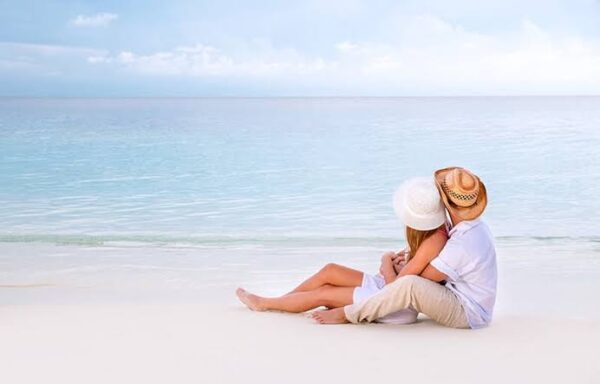
Planning a honeymoon should be exciting. It is the big reward at the end of a very stressful wedding planning process.
Taking a few hours out of your busy schedule to sort out your health checks is a very small price to pay for a smooth trip. You want to remember the beautiful sunsets and the incredible food.
You definitely do not want your main memory to be the peeling paint on the ceiling of a local hospital waiting room.
Be proactive about this stuff. Book that consultation early and get your jabs sorted. Pack your medications properly & print your documents.
Then you can actually relax and enjoy the amazing trip you spent so much time and money putting together.

Arthur Rowley is a freelance writer. He mainly specializes in technology and fitness. He likes everything to do with technology and video games. He looks into the future of technology and is very excited about its daily metamorphosis and hopes in the great future for what lies behind the curtain of technological development.