These Common Toothbrushing Mistakes Could Be Secretly Harming Your Teeth

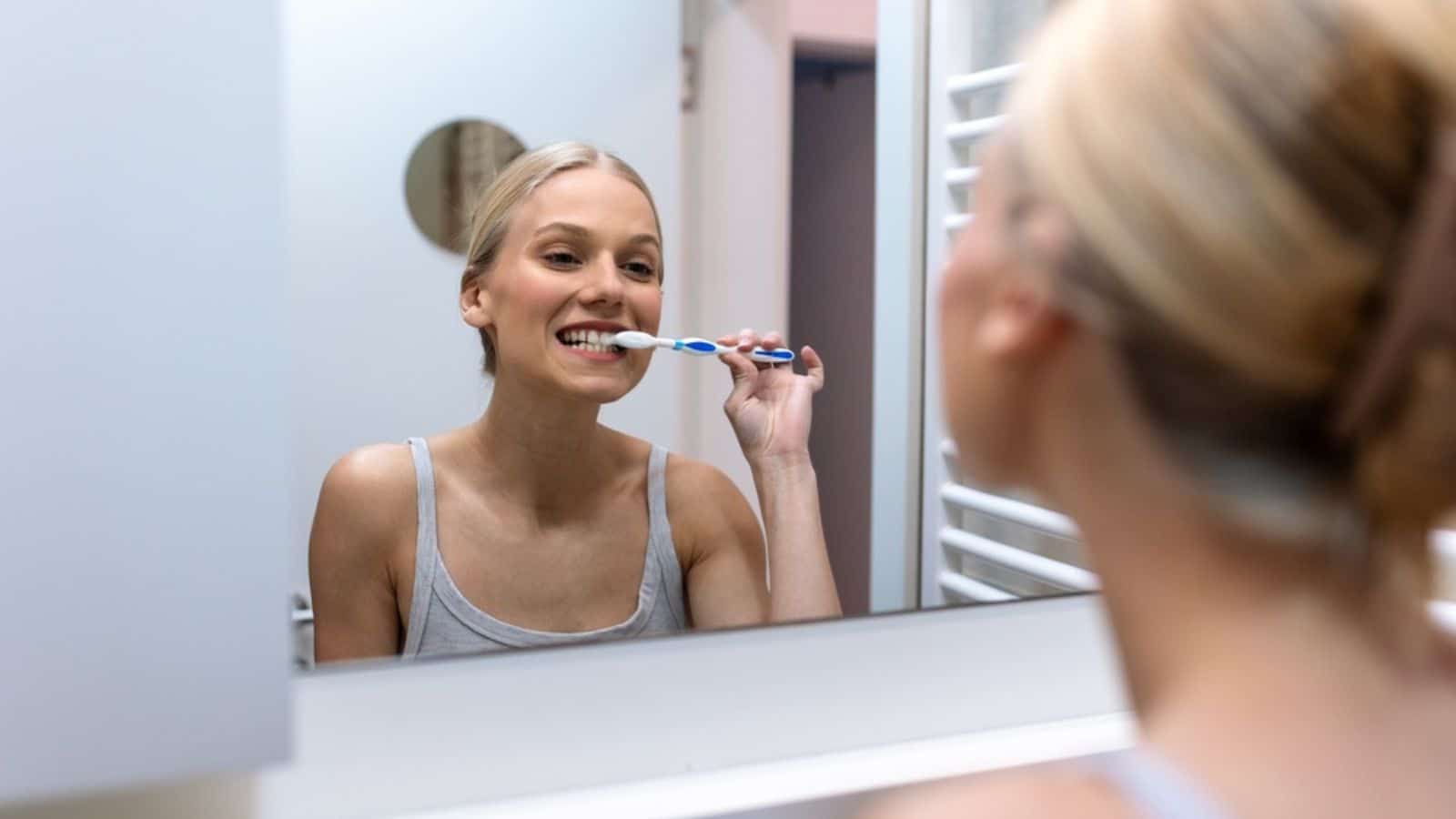
You do not need a complicated routine for healthier teeth. But how hard you brush, what you do right after your morning coffee, and whether you rinse too soon can matter more than you think.
You brush twice a day, cover your teeth with toothpaste, and finish by rinsing until your mouth feels completely clean. It sounds like the routine dentists recommend. Yet some of the habits you do most carefully can quietly work against your teeth and gums over time.
The tricky part is that many brushing mistakes do not announce themselves right away. They build slowly, through small choices people repeat for years without questioning them. By the time sensitivity, gum changes, or visible wear appear, the routine behind them may feel completely normal.
The good news is that improving your technique does not require a complicated overhaul. A few small changes to pressure, timing, and coverage can make a difference, starting with one of the most common mistakes: brushing harder does not necessarily mean brushing better.
You’re Brushing With Too Much Force
Pressure and effectiveness are not actually the same thing, according to dentists.
Arthur Glosman, DDS, notes that heavier pressure does not translate into a cleaner mouth. “People assume harder means cleaner and whiter, but over time it can contribute to gum recession, sensitivity and wear near the gumline,” he said.
Andrew Zucker also mentioned that he looks for a simple physical clue when judging brushing habits. “Your bristles should never be splayed out or bent over,” he said, adding, “If your toothbrush doesn’t look almost new, then you’re definitely brushing too hard.”
The warning sign is easy to overlook because many people associate effort with results. However, Dr. T Dental Studio, a Toronto-area practice, also notes that excessive force can wear enamel and irritate gums.
The adjustment is straightforward: use a soft-bristled brush and a lighter touch. If the bristles start spreading out within a few weeks, your routine may need less pressure, not more.
You’re Not Brushing Long Enough
A systematic review found the two-minute standard is a real target, not just something you were told as a kid.
A review in the International Journal of Dental Hygiene showed that manual toothbrush users average just under a minute and a half per session. In contrast, electric brush users average closer to two and a half minutes. About 64% of people still use a manual brush.
Jessica August, president of the American Dental Hygienists’ Association, told Yahoo Health that rushing through brushing can limit its benefits. “Two minutes of thoughtful brushing is much more effective than 30 seconds of aggressive scrubbing,” she said.
That difference comes down to coverage. A quick brush may hit the easiest-to-reach areas while missing others where plaque can remain. This shows that brushing for less than two minutes can leave buildup behind.
A timer, a favorite song, or an electric brush with a built-in counter can make the extra seconds easier to track without turning the routine into a chore.
Related: Six simple health checks that can reveal important warning signs early
You’re Neglecting Your Back Teeth
The teeth doing most of the chewing often get the least brushing time.
It’s easy to spend most of your brushing time on the teeth you actually see in the mirror, and rush through the ones further back. That matters because the National Library of Medicine notes that plaque commonly collects on back molars and around the edges of fillings.
Dentists recommend dividing your mouth into four sections and spending about 30 seconds on each, making sure to reach the outer, inner, and chewing surfaces.
The front teeth may be the first thing you see in the mirror, but the back teeth often need just as much attention. They are doing the heavier work every time you eat.
You’re Skipping the Gumline
The place where the tooth meets the gum needs a different technique, not more force.
Plaque often gathers along the gumline, and leaving it there can contribute to gum inflammation. The solution is not pressing harder into the area. It is changing the angle and motion.
Many dentists advise holding the brush at roughly a 45-degree angle toward the gumline and using gentle circular movements instead of aggressive back-and-forth scrubbing.
If you avoid the gumline because it feels uncomfortable, the answer may be technique rather than avoidance. A gentler approach can help clean the area without adding unnecessary irritation.
You’re Using Too Much Toothpaste
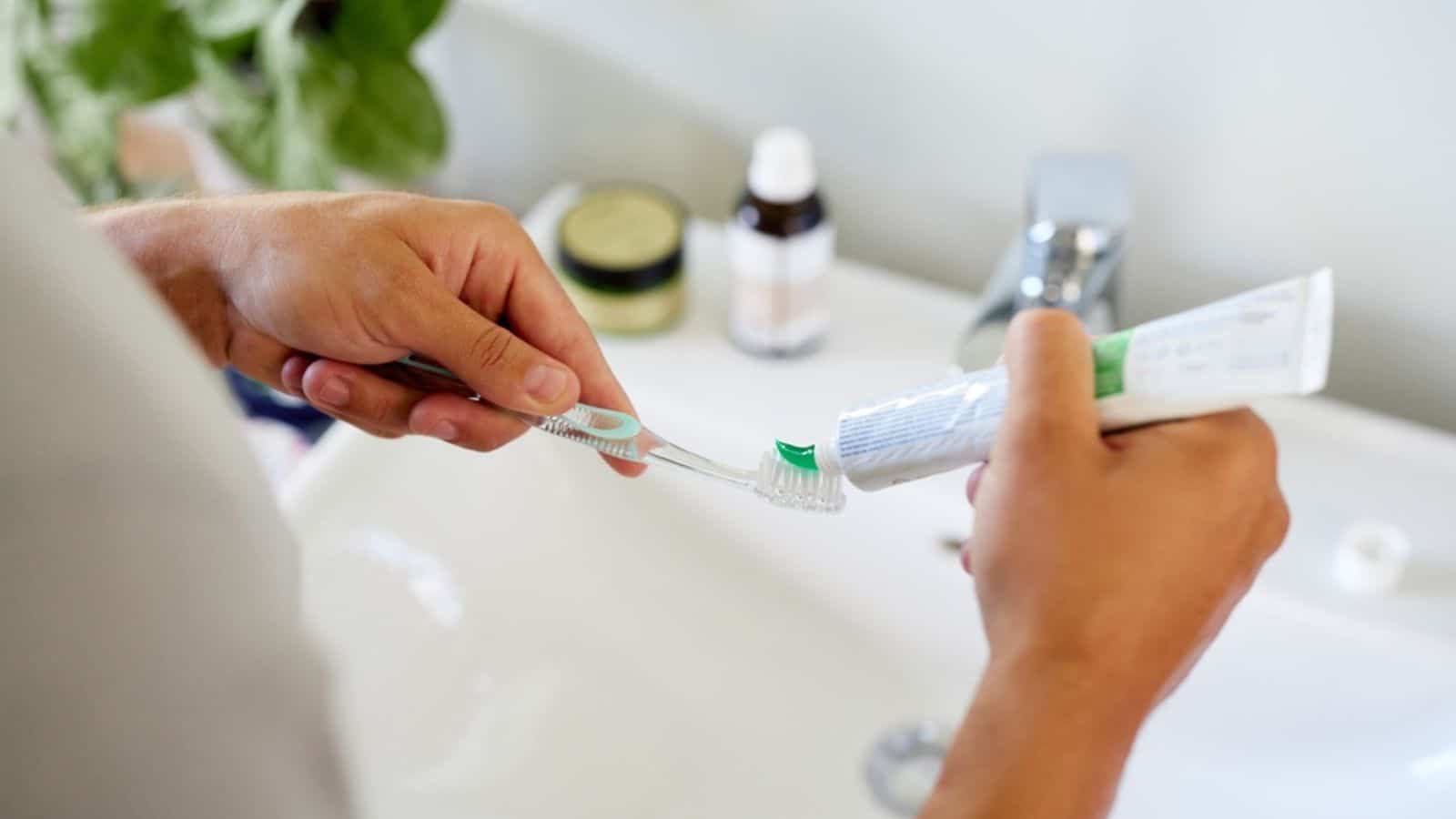
The size of the toothpaste blob on your brush matters more than most people realize.
Dr. T Dental Studio recommends using no more than a pea-sized amount of toothpaste, noting that a mouthful of foam can make it hard to tell whether you are actually covering every surface. More doesn’t mean a better clean. It usually just means more foam, and more temptation to spit and rinse before you have brushed for the full two minutes.
A small 2024 study in BMC Oral Health found that saliva fluoride levels remained elevated for up to 30 minutes in adults who spat rather than rinsed after brushing with fluoride toothpaste.
Advice can vary, though. One dental practice’s guidance recommends rinsing thoroughly after brushing. Still, more specific expert guidance favors spitting out excess toothpaste instead of immediately using water or waiting 15 to 20 minutes before using a non-fluoride mouthwash.
You’re Brushing Too Soon After Acidic Food or Drinks
Enamel needs a little recovery time after anything acidic, though experts do not fully agree on how much.
Acidic foods and drinks can temporarily soften enamel, so it’s worth waiting before you brush. A window of about 30 minutes gives softened enamel time to harden again before a toothbrush touches it.
Coffee, citrus, wine, soda, and anything carbonated fall into that category, which makes the timing easy to overlook on a typical morning.
Stavanger Dental sets that waiting period at least 30 minutes. However, newer research adds some complexity. A 2025 study on enamel specimens found no added benefit to delaying brushing after an acidic challenge when fluoride toothpaste or a remineralizing paste was used. However, the study did not examine long-term outcomes in real people.
For now, giving your mouth time to recover remains the cautious approach. Depending on which expert guidance you follow, that may mean waiting anywhere from 30 minutes to an hour after acidic foods or drinks before brushing.
If your toothbrush bristles flatten quickly, or you notice new sensitivity compared with previous years, those changes may be worth discussing with a dentist. Small details in a daily routine can be easy to miss, but they are also often the easiest ones to adjust.
What part of your own brushing routine are you rethinking after reading this?
More Articles You Might Be Interested in: