iHeartDogs is reader-supported. When you buy via links on our site, we may earn an affiliate commission at no extra cost to you.
If your dog is experiencing diarrhea, gas, an upset stomach, or vomiting, life can be hell for both you and your beloved pooch.
Dogs can experience gastrointestinal issues for a myriad of reasons, but fortunately, many of these issues can be alleviated at home with a few natural remedies or supplements. However, if your dog is consistently experiencing diarrhea or vomiting, make an appointment with your veterinarian right away.
Here are 5 remedies or supplements for your dog’s tummy trouble today:
1. Fast Your Dog for 12-24 Hours
Sometimes all a dog needs is time for their gastrointestinal tract to heal and reset. Withholding food for 12 – 24 hours allows the system to flush out whatever nastiness caused the issue and reboot to a healthy state. It’s important to keep your dog hydrated, even during a fast. However, do not let them drink too much at once, as this could cause vomiting or set off another bout of diarrhea.
2. Give Your Dog a Bland Diet for a Few Days
At the end of a fast it’s best to slowly introduce a diet of bland, easily digestible food. Try boiled, unseasoned, skinless white meat chicken shredded over plain white rice. For dogs on grain-free diets, substitute mashed over-ripe banana or canned pumpkin. Feed a few spoon-fulls every 2 – 3 hours and gradually increase the quantity over a 24 hour period.
Next, begin a slow re-introduction of their normal food by serving a 75% bland/25% regular diet mix for a few meals, followed by a 50/50 mix, followed by a 75% regular/25% bland, until your dog is eating exclusively dog food again.
RELATED: The Best Calming Supplements for Dogs
3. Use a Multi-Strain Probiotic for Your Dog’s Diarrhea or Gas
Diarrhea not only clears away the unhealthy bacteria in the gut, it also destroys the healthy flora. To reintroduce these living, beneficial cultures, opt for a canine probiotic. Plain yogurt may help, but does not pack nearly the same punch as a high-potency probiotic packed with the right cultures. Make sure you choose a product that contains multiple strains of good bacteria, not just one. The probiotic soft chew we use here at iHeartDogs has 3 strains of probiotics.
Using a probiotic is also helpful for reducing your dog’s gas, or transitioning them to a new food.
4. Give Your Dog a Prebiotic Supplement or Pumpkin
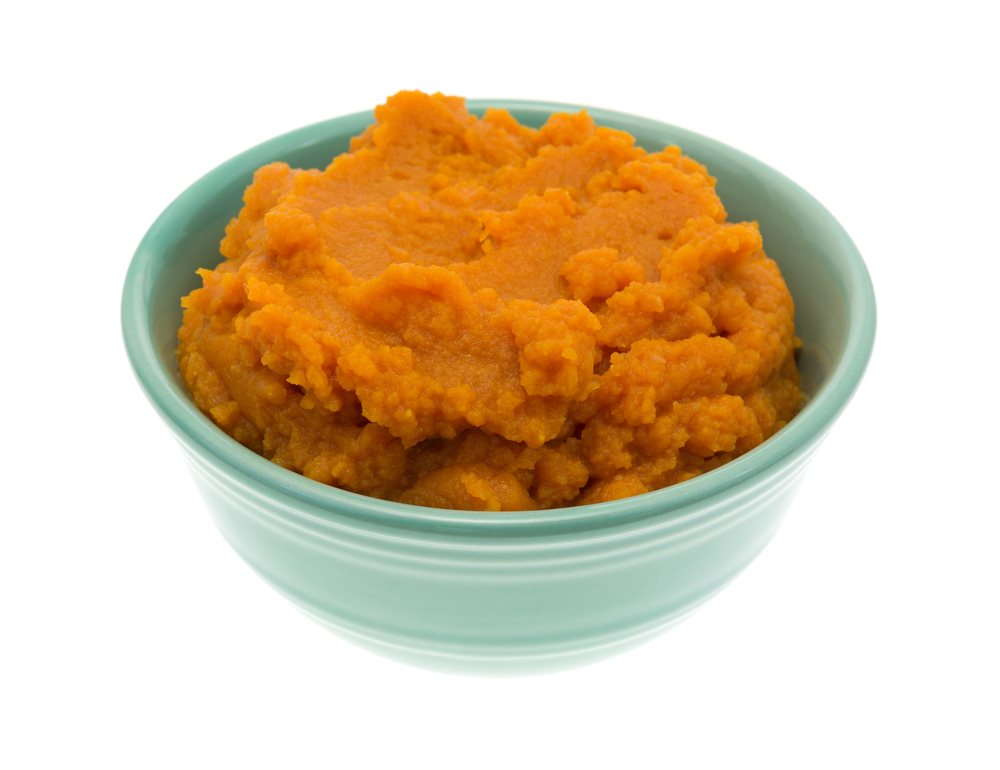
Canned pumpkin puree (NOT pumpkin pie filler!), slippery elm, chia seeds, and plantains are all forms of prebiotics which are reported to offer natural GI-healing benefits. Prebiotics are a non-digestible ingredient that promotes the growth of beneficial microorganisms in the intestines. In other words, PRE-biotics are basically the food that PRO-biotics needs to thrive.
Pureed pumpkin is packed with fiber which helps to bulk up the stool. Slippery elm is said to coat and sooth mucus membranes – including the GI tract. Chia seeds are packed with fiber and absorb excess water, and plantains have antimocrobial properties. As always, consult your vet before making changes to your dog’s diet. Some high quality supplements, like this dog prebiotic chew, already contain pumpkin in them.
RELATED: Best Dog Immunity Supplements
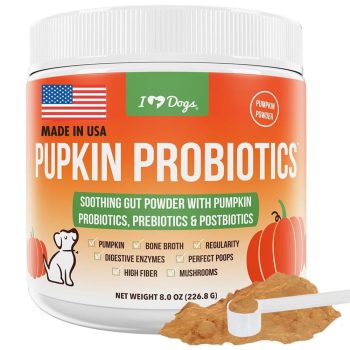
5. Try Giving Pupkin™ Probiotics, Prebiotics & Postbiotics for Dogs with Pumpkin, Gut-Soothing Bone Broth & Mushrooms
For dogs prone to occasional gas, loose stools, or digestive upset, Pupkin™ provides daily gut health support with probiotics, prebiotics, and postbiotics that help maintain a balanced digestive system. Pumpkin supplies fiber to support healthy digestion and normal stool quality, while gut-soothing bone broth adds another layer of digestive support.
Pupkin™ is easy to add to a dog’s regular food, making it a convenient option for ongoing digestive support. The formula also includes functional mushrooms to support healthy immune function, and every purchase helps feed shelter dogs. For pet parents looking for a dog probiotic supplement that supports digestion and gut health, check out Pupkin™ to see if its benefits align with your dog’s needs.
RELATED: Best Pill Pockets for Dogs
FAQs
1. Should I Use a Probiotic When Transitioning My Dog to a New Food?
Probiotics are also very useful in preventing diarrhea when transitioning your dog to a new food. First, give your dog a probiotic for a week or so before introducing the new food. Then slowly increase the amount of new food while continuing to feed some of the old. During this time, continue giving the probiotic until the transition to 100% of the new food is complete.
RELATED: The Best Heart Supplements for Dogs
2. My Dog Recently Was Given an Antibiotic. Should I Also Give a Probiotic?
Yes! Antibiotics destroy both good and bad bacteria in your dog’s body. Giving a probiotic while taking an antibiotic will help replenish the good strains of bacteria your dog needs in their gut.
3. Can a Probiotic Reduce My Dog’s Gas?
Can your dog’s gas clear a room? Even something as trivial as your dog’s smelly farts can be helped by a good-quality probiotic. It’s an easy way to improve the air quality in your home!
4. What Causes Diarrhea & Vomiting in My Dog?
There are many possible causes of your dog’s tummy troubles:
- Certain viruses can cause stomach upset, such as parvovirus for puppies.
- Eating a food not appropriate for dogs, especially fatty foods.
- A food allergy or intolerance.
- Swallowing a foreign non-food object.
- Sudden changes in food. Most dogs need to be transitioned slowly to a new food brand while taking a probiotic.
- Side effects of a medication, especially a new one. Antibiotics are notorious for causing diarrhea in dogs.
- Intestinal parasites.
- Poisons or toxins.
- Pancreatitis.
- Chronic disease such as IBD (inflammatory bowel disease).
- Stress due to boarding at a kennel, visiting a vet, or rehoming. Dogs in shelters are particularly prone to bouts of diarrhea.
Always note the color and consistency of your dog’s poop or vomit. As unpleasant as it might be, take a picture of it that you can show your veterinarian.
RELATED: Best Dog Breath Fresheners
These statements have not been evaluated by the Food and Drug Administration. No product is intended to diagnose, treat, cure, or prevent any disease. The information on this website is not intended to replace a one-on-one relationship with a qualified healthcare professional
The Road to a Happier, Healthier Tummy
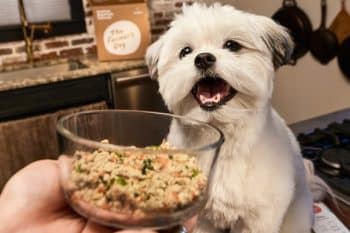
Digestive troubles such as occasional gas, loose stools, vomiting, and an upset stomach can make any dog miserable, but gentle dietary adjustments and digestive support may help in appropriate situations. A temporary bland diet, pumpkin, probiotics, prebiotics, and products designed to support gut health can all have a place depending on a dog’s individual needs. Keep a close eye on symptoms, hydration, appetite, and behavior, and contact a veterinarian when digestive problems are severe, persistent, recurring, or accompanied by other concerning signs. With thoughtful care and professional guidance when needed, pet parents can help support healthier digestion and get their pups back to feeling comfortable.
iHeartDogs is reader-supported. When you buy via links on our site, we may earn an affiliate commission at no extra cost to you.