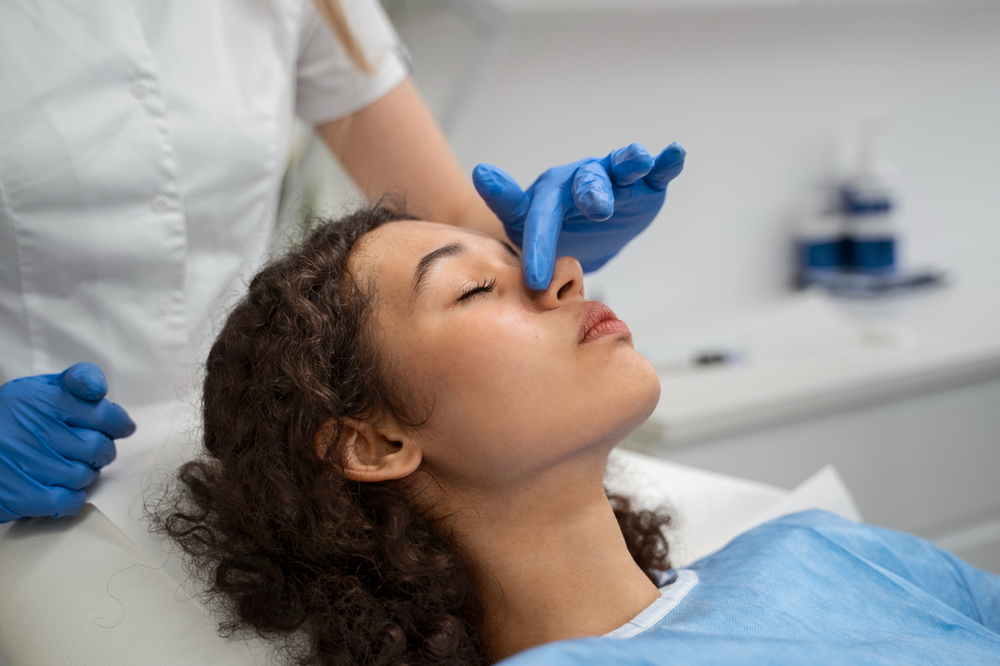
Choosing the Safest Basal Cell Removal for Your Skin
Basal cell carcinoma is usually very treatable, and most spots can be safely removed with procedures done in the office under local numbing. The safest option for you depends on the cancer’s size, location, and type, as well as your goals for scarring and recovery. This guide walks you through Mohs surgery, standard excision, and ED&C so you have a clear idea of what to expect before you meet with your dermatologist.
Key Takeaways
-
Basal cell carcinoma (BCC) is common and often curable when found and treated early.
-
Mohs surgery offers very high cure rates and saves as much healthy tissue as possible, which is especially helpful on the face and other delicate or high-risk areas.
-
Standard excision is a reliable option for many BCCs on the body and for some deeper tumors.
-
ED&C (electrodessication and curettage) is a quick, stitch-free choice for certain small, low-risk spots in less visible locations.
-
A board-certified dermatologist at Mid-County Dermatology in St. Louis can help you choose the safest, most effective treatment for your specific skin cancer.
Understanding Basal Cell Carcinoma and Why Treatment Matters
Basal cell carcinoma, or BCC, starts in the top layer of the skin. It is strongly linked to years of sun exposure and indoor tanning.
-
A shiny or pearly bump
-
A pink, scaly patch
-
A sore that does not heal
-
A scar-like, firm, flat area
Even though BCC rarely spreads to distant parts of the body, early treatment still matters. If it is left alone, it can grow down into deeper layers and affect nerves, cartilage, or bone. That can mean a larger scar, more complex repair, and a longer healing process.
Common risk factors include:
-
Fair or easily sunburned skin
-
A history of blistering sunburns
-
Frequent outdoor work or hobbies, especially in sunny months
-
Prior skin cancer
-
Weakened immune system
-
Older age
Basal cell carcinoma often appears on sun-exposed areas such as the face, nose, ears, scalp, neck, arms, and upper back. In a place like St. Louis, where people spend more time outside as the weather warms up, regular skin checks are especially helpful.
The good news is that most BCCs can be cured with proper treatment, and basal cell carcinoma removal in St. Louis is commonly done in the office under local numbing.
(For more background on BCC, see the American Academy of Dermatology and National Comprehensive Cancer Network guidelines.)
Mohs Surgery: When Precision Matters Most
Mohs micrographic surgery is a specialized technique where we remove the skin cancer in very thin layers and check each layer under the microscope in real time. We repeat that process until the edges, or margins, are clear of cancer.
This lets us take out all of the tumor while keeping as much healthy skin as possible.
Key benefits of Mohs surgery include:
-
Very high cure rates for many BCCs (often up to ~99% for many primary tumors, based on large studies and professional guidelines)
-
Maximum tissue saving, which helps with both function and cosmetic outcome
-
Immediate confirmation that the cancer is gone before we close the wound
Mohs is often the best choice for:
-
BCCs on the face, nose, eyelids, lips, ears, scalp, neck, hands, feet, or shins
-
Skin cancers that have come back after previous treatment
-
Aggressive or infiltrative subtypes, or tumors with edges that are hard to see
On the day of Mohs, the area is numbed with local anesthesia. You should plan to be in the office for a few hours, since there is some waiting time while the tissue is processed and checked.
Once we confirm that all cancer cells are removed, we close the area, which might involve simple stitches, a flap, or a skin graft depending on the size and location.
Mohs can be more complex than a simple excision, but it may reduce the chance of needing more surgery later since the margins are checked right away. Many insurance plans cover Mohs surgery when it is medically appropriate.
Standard Excision: Reliable Removal for Many BCCs
Standard surgical excision is a common and dependable treatment for many basal cell carcinomas. We numb the skin, remove the visible tumor with a planned rim of normal-looking skin, and then send that tissue to the lab so a pathologist can examine the margins.
Standard excision is often recommended for:
-
BCCs on the trunk, arms, legs, and some areas of the scalp or neck
-
Tumors with clear, well-defined borders
-
People who prefer a one-time procedure with a straightforward closure
Some advantages of standard excision are:
-
Widely available in dermatology offices
-
Strong cure rates when the tumor and site are appropriate
-
Procedure and healing process are usually predictable
-
Often completed in under an hour with local anesthesia
There are also some limitations. The margins are not checked while you are in the office, so for spots in very sensitive areas or for recurrent tumors, Mohs may be a better choice.
Occasionally, the lab report may show cancer cells right at the edge, meaning a second procedure is needed to clear the rest.
When we are planning basal cell carcinoma removal in St. Louis, we look at how a scar will line up with the natural lines of your skin, how much downtime you can accept, and your personal preferences. Then we discuss whether excision or Mohs makes more sense.
ED&C: When a Quick, Simple Option Is Enough
ED&C stands for electrodessication and curettage. With this method, we numb the area, gently scrape the tumor with a curette, then use a fine electric current to dry and destroy any remaining cancer cells. This is usually repeated in a few short cycles during the same visit.
-
Small, superficial, or low-risk BCCs
-
Non-cosmetic sites such as the trunk, back, or upper arms
-
People who want a quick procedure without stitches
Benefits include a shorter visit, no sutures to remove, and a simple aftercare plan. It is often less involved than cutting and stitching. For the right kind of lesion, it can be very effective.
There are trade-offs. The chance of the cancer coming back can be higher than with Mohs for some tumors. The healed area may be lighter, slightly indented, or have a different texture than the surrounding skin.
Because of these cosmetic and recurrence concerns, ED&C is not usually used on the face or other very visible spots.
At Mid-County Dermatology, we only recommend ED&C when we feel it offers a safe match between effectiveness, appearance, and convenience. Not every basal cell carcinoma is a good fit for this method.
Choosing the Right Treatment for Your Basal Cell Carcinoma
When we help you choose between Mohs, excision, and ED&C, we look at:
-
Tumor size, depth, and growth pattern
-
Location on your body and how visible it is
-
Whether the spot is new or has been treated before
-
Your general health and any medicines that affect healing
-
Your goals for scarring, time off work, and follow-up visits
Here are some simple examples:
-
A small superficial spot on the upper back might do well with ED&C or standard excision.
-
A BCC on the nose, eyelid, or lip usually calls for Mohs surgery to keep as much healthy tissue as possible.
-
A medium-sized BCC on the forearm is often treated with standard excision and stitches.
Being treated by a board-certified dermatologist who offers all three options matters, because the advice is not limited to one tool. We encourage patients to bring questions and even photos of healing concerns so we can go over what to expect with cure rates, scarring, and recovery for each choice.
Frequently Asked Questions About Basal Cell Carcinoma Treatment
Is Basal Cell Carcinoma Life-Threatening if Treatment Waits?
BCC rarely spreads to distant organs, but it can grow locally and cause real damage if ignored. Waiting can mean a larger surgery and a more noticeable scar.
How Do I Know If Mohs Surgery Is Really Necessary for My Spot?
Mohs is usually suggested for higher-risk areas, recurrent tumors, or aggressive types. Your dermatologist can explain why they recommend it and whether another option could be reasonable for your situation.
Will I Have a Scar After Basal Cell Removal, and How Noticeable Is It?
Any procedure that removes skin cancer will leave a scar. The goal is to place and shape that scar so it heals as smoothly as possible and blends with natural skin lines.
How Long Does it Take to Heal After Mohs, Excision, or ED&C?
Most people heal over a few weeks, though pinkness can last longer. Mohs and excision involve stitches, while ED&C forms a scab that slowly fills in and smooths out.
Can My Basal Cell Carcinoma Come Back After Treatment?
Yes, recurrence is possible with any method. The risk depends on the type of tumor, where it was, and which treatment was used, so follow-up skin checks are important.
Is There Anything I Can Do to Lower My Chances of Getting Another BCC?
Protecting your skin from the sun, avoiding tanning beds, wearing hats and sun-protective clothing, and using broad-spectrum sunscreen can all help. Regular professional skin exams are also important.
How Often Should I See a Dermatologist After Having Skin Cancer?
Many people with a history of BCC are seen at least once a year, sometimes more often based on their risk. Your dermatologist will suggest a schedule that fits your situation.
Does Insurance Usually Cover These Skin Cancer Treatments?
Most health insurance plans cover medically necessary skin cancer treatments, including Mohs, excision, and ED&C, although coverage details vary. Our team can help you understand your specific benefits before treatment.
How to Choose a Dermatologist for Basal Cell Removal in St. Louis
Look for a board-certified dermatologist with experience treating skin cancer who offers a full range of options and takes time to explain them. Feeling heard, informed, and comfortable asking questions is just as important as the procedure itself.
Ready to Discuss the Safest Option for Your Skin?
If you have a spot you are worried about or have been diagnosed with basal cell carcinoma, we welcome you to schedule an appointment at Mid-County Dermatology in St. Louis. Our board-certified dermatology team can examine your skin, review your biopsy results, and help you choose a treatment plan that fits your medical needs and your cosmetic goals.
Take Control Of Your Skin Health Today
If you have a spot that worries you or a diagnosis that needs treatment, we are here to help you move forward with confidence. At Mid-County Dermatology, our experienced dermatologists provide precise, patient-focused care for basal cell carcinoma removal in St. Louis. We will walk you through your options, answer your questions, and create a treatment plan tailored to your needs. Schedule a visit so we can evaluate your skin and help you protect your health.