
Ask a clinical question and tap into Healio AI’s knowledge base.
- PubMed, enrolling/recruiting trials, guidelines
- Clinical Guidance, Healio CME, FDA news
- Healio’s exclusive daily news coverage of clinical data
September 17, 2026
1 min read
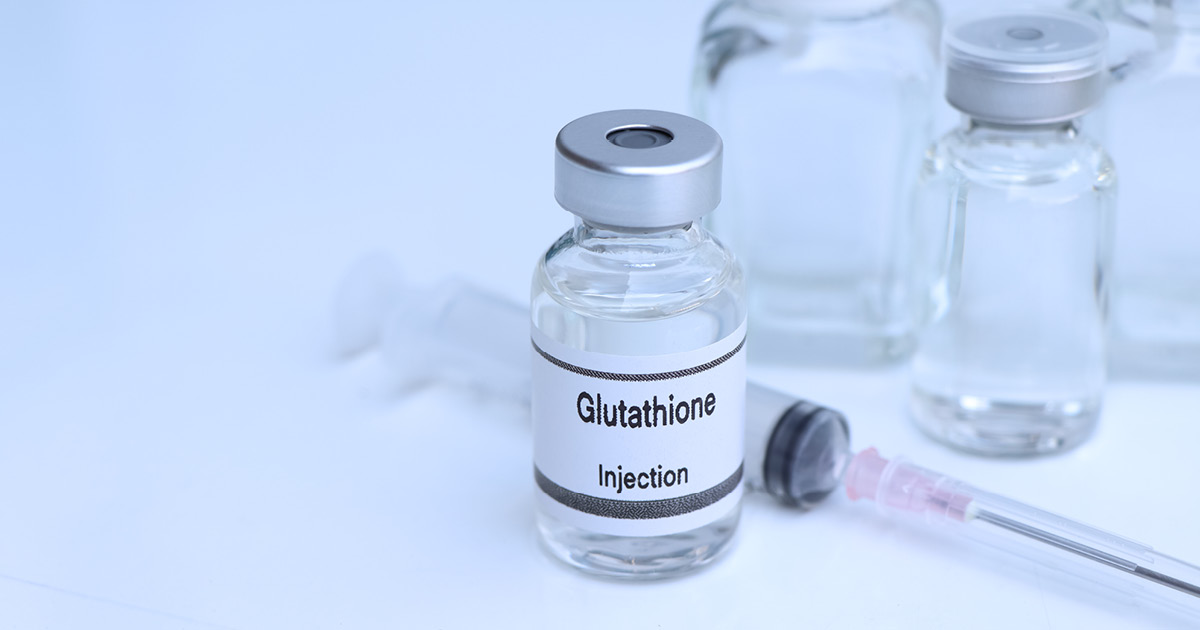
The CDC announced it is investigating reports of illnesses across four states associated with glutathione injections.
More than 25 illnesses have been identified. They are linked to injections containing dietary supplement grade glutathione, not pharmaceutical grade glutathione.
Dietary supplement grade glutathione “is not an appropriate ingredient to make injectable drugs,” according to the FDA.
Glutathione is a naturally produced antioxidant. There are no FDA-approved glutathione products, but compounded formulations have been used for skin care and wellness. It also has been evaluated for food digestion in people with AIDS and intestinal inflammation, pain and growth failure in people with cystic fibrosis, according to UCLA Health.
Among the cluster of illnesses, symptoms include fever, chills, pain, dizziness, signs of shock and sepsis-like symptoms, “with some resulting in hospitalizations,” following the injection of glutathione alone or combined with other ingredients, the FDA said in a press release. The symptoms “are consistent with exposure to excessive endotoxin levels,” the agency said.
“Endotoxin exposure also can cause myalgia (muscle pain), headache, nausea, vomiting, hypotension (low BP) and death,” the FDA said. “However, not all these symptoms have been reported in association with these glutathione adverse events.”
Two pharmacies in Texas have recalled glutathione injectables due to higher endotoxin levels, the FDA said.
The CDC and FDA encouraged clinicians to check with compounders about the source of the glutathione used to make injectable drugs, engage in discussions with patients who have concerns and report any further adverse events.
Ask a clinical question and tap into Healio AI’s knowledge base.