A keloid is a scar caused by the overgrowth of tissue from skin injuries such as burns, scratches, insect bites, or body piercings. They are harmless, but may cause cosmetic concerns.
When your skin is injured, scar tissue forms over the wound to heal and protect the injury. Keloid happens when the scar tissue grows excessively.
Skin injuries that can contribute to this disease include:
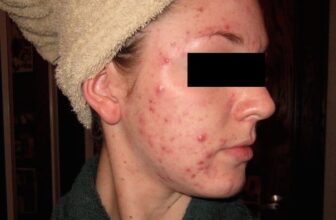
- Acne
- Burns
- Chickenpox
- Ear piercing
- Minor scratches
- Surgical incision sites
- Cuts from trauma
- Vaccination sites
All genders are equally likely to get these scars, but those with darkly pigmented skin are more susceptible. You are also prone to keloid formation if you’re younger than 30 or pregnant. Genes factor into the cause as well. People of African, Asian and Latino heritage tend to get this type of scarring more easily.
Symptoms
Keloids occur mostly on the chest, shoulders, earlobes and cheeks. The condition is localized and does not affect other body parts. This is defined by an elevated, ridged area of the skin. However, the affected area may continue to grow larger over time, taking weeks or months to develop fully.
The scars are rubbery and firm and can be itchy. They can grow much larger than the original wound and are usually flesh-colored, pink or red. You may also experience discomfort, tenderness or possible irritation from friction, such as rubbing on clothing.
If the scarring occurs over nearly your entire body, it may restrict your movements. Sun exposure can discolor the scar tissue and make it appear darker than the surrounding skin.
What can I do?
Keloid susceptibility is genetic, so the scars can be prevented by avoiding body piercings and unnecessary surgeries in patients with known predispositions.
Protecting scars from sun exposure can help reduce pigmentation changes. Covering the area with a dressing or silicone gel sheet may help during early scar development.
Should I seek medical care?
No medical attention is necessary usually. You may want to contact your doctor if the growth continues uncontrollably. This can be a sign of skin cancer. The same applies if you develop additional symptoms or if you want to have it surgically removed.
A healthcare provider can diagnose the condition by a visual exam or a biopsy.
Treatment
Radiotherapy is usually the best form of treatment. Other treatment methods include:
- Corticosteroid injections to reduce inflammation
- Moisturizing oils to keep the tissue soft
- Using pressure or silicone gel pads after injury
- Freezing the tissue to kill skin cells (cryotherapy)
- Laser treatments to reduce scar tissue
- Surgical removal
- Radiation to shrink keloids (Radiotherapy is used cautiously and only in select cases due to the small long-term risk of skin cancer)