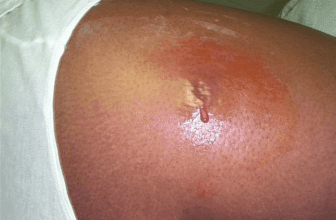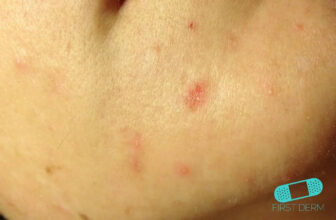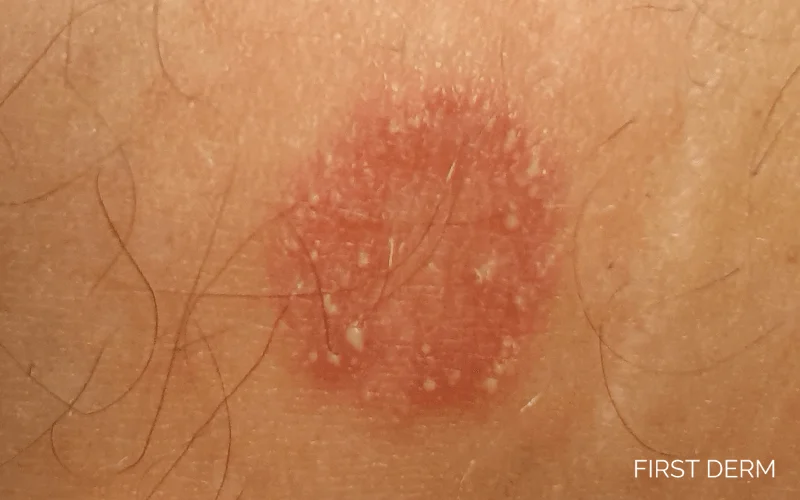
Tinea corporis is a fungal skin infection also known as ringworm of the body. The most common cause of ringworm is infection from person to person. The disease can also be transmitted from pets to humans, and then on to other people. Ringworm is a common and very contagious disease. Epidemics sometimes occur in kindergartens.
A group of fungi called dermatophytes cause ringworm. Dermatophytes live off a substance called keratin, a tissue found in many parts of a person’s body, including the nails, skin, and hair. In ringworm of the body, the fungus infects the skin. Ringworm of the body is also called tinea corporis (the specific dermatophyte is tinea). Other related ringworm fungal infections have similar names, including:
- tinea pedis, commonly called athlete’s foot
- tinea cruris, also known as jock itch
- tinea capitis, also known as ringworm of the scalp
Symptoms
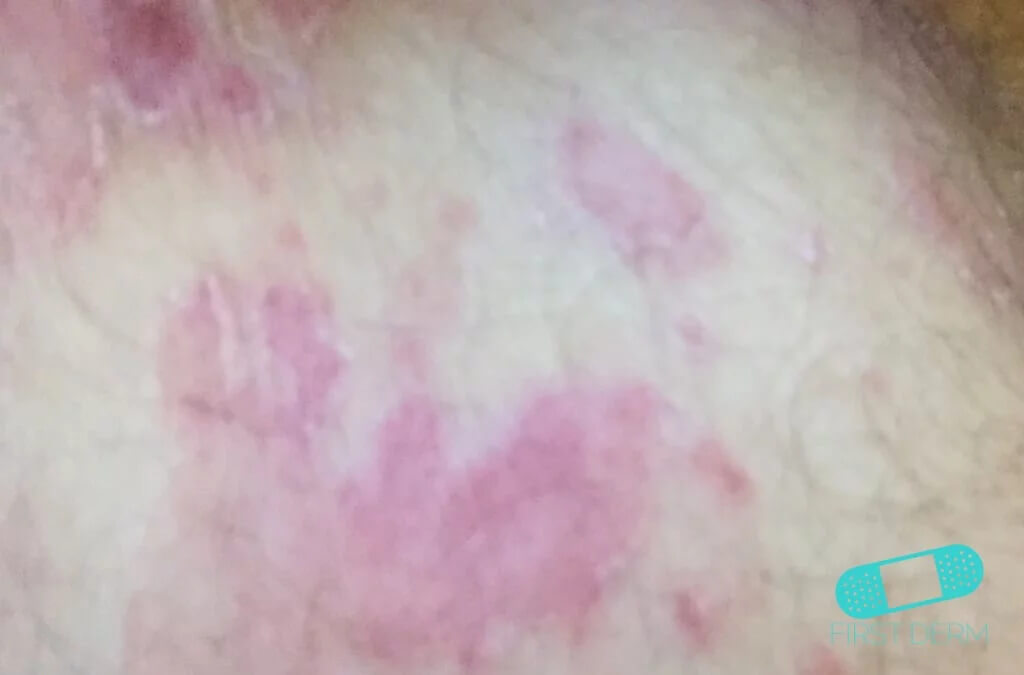
Tinea Corporis (Ringworm): Characterized by red, inflamed patches with a distinct ring-like appearance, these lesions can cause itching and discomfort.
The rash looks like a ring- or circled-shape of raised pimples and usually occurs on the face, arms, and legs. The surface is often scaly and the size can vary from a few millimeters to several centimeters. When the spots become larger, they begin to heal in the middle, and then get its characteristic ring shape. Symptoms of a more severe infection include rings that multiply and merge together. You may also develop blisters and pus-filled sores near the rings.
What can I do?
Applying topical fungicidal medications can relieve symptoms or treat the infection. There are over-the-counter brands you can use, including clotrimazole (Lotrimin AF), miconazole (Micatin), terbinafine (Lamisil), tolfaftate (Tinactin). Your pharmacist can help you choose which one is right for you. The following precautions should be taken to avoid ringworm infections:
- avoid sharing towels, hats, hairbrushes, and clothing with an infected person
- take your pet to see a vet if a ringworm infection is suspected
- if you are infected, be sure to maintain good personal hygiene around other people and avoid scratching the affected areas of your skin
- after a shower dry your skin well especially between the toes and where skin touches skin such as in the groin and armpits.
Should I seek medical care?
You should speak to a GP if the ringworm rash does not improve after using antifungal treatment recommended by a pharmacist, or if it appears on your scalp.
Ringworm of the scalp often requires prescription oral antifungal tablets and medicated shampoo. People with a weakened immune system or severe symptoms should also see their GP.
Treatment
Tinea corporis (ringworm of the body) is a contagious fungal infection, and people may be more susceptible if they have broken skin, poor hygiene, or sweat excessively. Mild cases can usually be treated with antifungal creams available from a pharmacist.
If the infection is widespread, severe, or does not improve with pharmacy treatments, your GP may prescribe a stronger topical antifungal or an oral antifungal medicine such as terbinafine or itraconazole.