How to Help Your Child Manage Eczema

How Do I Know if My Child Has Eczema?
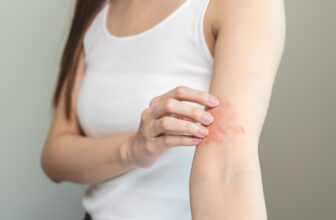
Eczema often appears during the first few years of life, although it can develop later in childhood as well. Symptoms may vary from mild dryness to more noticeable patches of irritated skin.
Common signs of eczema in children include:
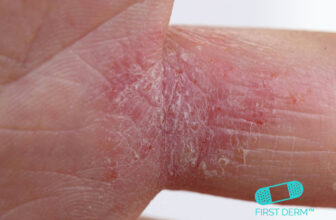
- Dry, rough, or scaly patches of skin
- Red or inflamed areas
- Persistent itching, sometimes severe
- Skin that becomes thickened from repeated scratching
- Small bumps that may ooze or crust during flare-ups
The location of eczema may change as children grow.
Areas commonly affected by eczema
Infants may develop eczema on:
- The cheeks
- The scalp
- The forehead
- The outer arms and legs
Older children often develop eczema on:
- The inside of the elbows
- Behind the knees
- The wrists and ankles
- The neck
Because itching can be intense, children may scratch frequently, which can irritate the skin further and sometimes lead to infection.
If eczema symptoms are persistent or worsening, evaluation by board-certified dermatologists can help confirm the diagnosis and guide appropriate treatment.
How to Help Your Child Manage Eczema
Managing eczema often involves a combination of consistent skincare and avoiding triggers that worsen symptoms. Many children benefit from simple daily habits that protect the skin barrier and reduce irritation.
Maintain a gentle skincare routine
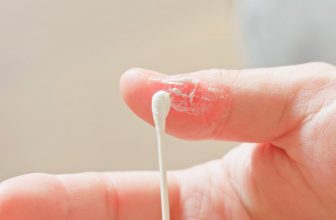
Daily moisturizing is one of the most important steps in eczema care. Thick, fragrance-free creams or ointments help seal moisture into the skin and reduce dryness.
Helpful skincare practices include:
- Applying moisturizer immediately after bathing
- Using fragrance-free and dye-free skincare products
- Choosing gentle cleansers rather than harsh soaps
- Avoiding excessive scrubbing or exfoliation
Adjust bathing habits
Bathing can help hydrate the skin, but certain habits may worsen dryness.
Parents may help reduce irritation by:
- Keeping baths or showers short
- Using lukewarm water instead of hot water
- Patting the skin dry instead of rubbing
- Applying moisturizer within a few minutes after bathing
- Use soothing, moisturizing cleansers made for sensitive skin
Reduce common triggers
Identifying triggers that worsen eczema can help prevent flare-ups.
Common strategies include:
- Dressing children in soft, breathable fabrics such as cotton
- Avoiding fragranced laundry detergents
- Keeping fingernails short to reduce skin damage from scratching
- Using a humidifier during dry winter months
Follow medical treatment plans
When eczema becomes more severe, dermatology professionals may recommend prescription treatments to reduce inflammation and itching.
These treatments may include:
- Topical corticosteroids to calm flare-ups
- Non-steroidal prescription creams for sensitive areas
- Medications that help regulate inflammation in more persistent cases
- Monitoring for infection developing in the dry, scratched skin from bacteria (such as staph and strep) and viruses (such as Herpes Simplex from cold sores) as these can be dangerous
Following a consistent treatment plan often helps control symptoms and prevent worsening of the condition.