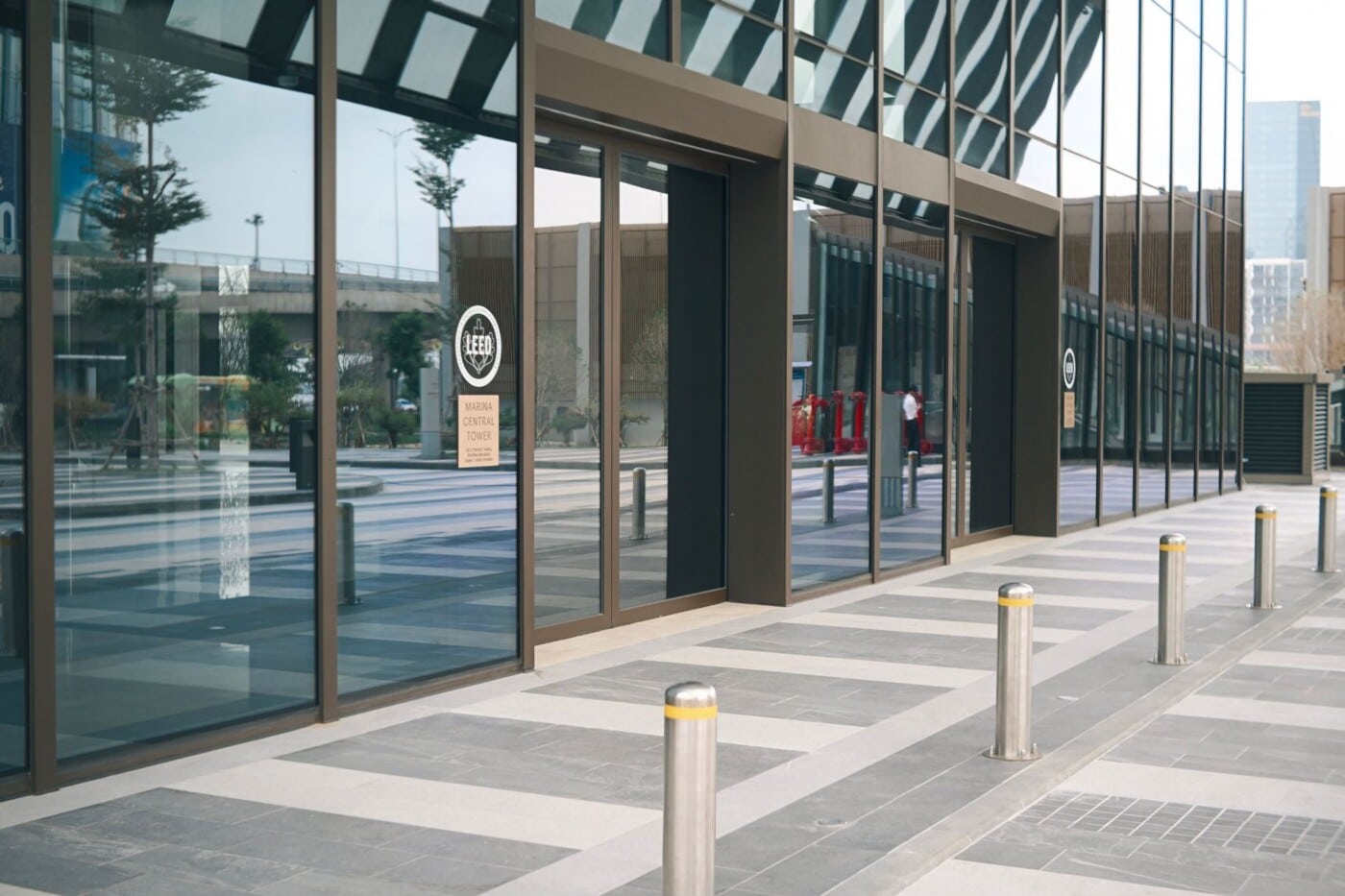
The entrance to any retail space does more work than most business owners appreciate. It is the first physical interaction a customer has with a brand, and the quality of that interaction sets a tone that influences everything that follows inside the store. Automatic door systems have evolved significantly from the simple sensor-operated sliding doors of earlier decades, and suppliers like Dasco Entrance Technology now provide retail clients with entrance solutions that combine smooth, reliable operation, energy efficiency, and a level of finish that actively contributes to the overall brand impression being made at the threshold.
First Impressions and the Role of the Entrance
Research in retail design consistently shows that shoppers form strong impressions of a business within the first few seconds of arrival, and the entrance plays a central role in shaping those impressions. A door that operates smoothly and silently, opens promptly as a customer approaches, and presents a clean, well-maintained face to the world communicates professionalism and attention to detail. Conversely, a door that sticks, operates erratically, or shows signs of wear and poor maintenance creates an immediate sense of doubt that the retailer must then overcome in every subsequent interaction inside the store.
Accessibility and Inclusive Design in Retail
The legal and ethical requirement to make retail spaces accessible to all customers is one of the clearest practical cases for automatic entrance door systems. Manual doors present significant challenges for wheelchair users, parents with pushchairs, customers carrying large purchases, and those with limited mobility or grip strength. An automatic sliding or swing door removes these barriers entirely, allowing all customers to enter and exit with the same ease regardless of their physical capability. Beyond compliance with accessibility legislation, genuinely inclusive entrance design signals a welcome that many customers notice and respond to positively in their overall assessment of the retail experience.
Energy Efficiency and Climate Control
Retail spaces invest considerable sums in heating and cooling to maintain comfortable shopping environments, and an entrance door that operates inefficiently can undermine this investment significantly. Automatic doors that open only when needed, close promptly after passage, and are correctly specified for the location’s footfall pattern minimise the exchange of conditioned air with the outside environment. High traffic retail entrances may also benefit from vestibule configurations or air curtain systems that provide an additional thermal barrier without impeding customer flow. The energy savings from a well-designed entrance system can be substantial when measured across a full year of operation.
Security Features in Modern Retail Entrance Systems
Automatic entrance systems for retail environments can incorporate a range of security features that are increasingly important for loss prevention and staff safety. Interlocking door systems, where a second door in a vestibule does not open until the first has closed, create a controlled entry zone that can be monitored and managed. Integration with access control systems allows retailers to restrict entry during non-trading hours without requiring additional manual locking procedures. Sensors and counters embedded in door systems provide valuable footfall data that feeds into retail analytics and staffing models, adding a business intelligence function to what might otherwise be considered purely infrastructure.
Maintenance and Reliability in High Traffic Environments
Retail entrance doors in busy locations may open and close thousands of times each day, and the cumulative mechanical demand this places on the system is considerable. Specifying a door system rated for the installation’s expected cycle count is essential for long-term reliability. Preventive maintenance programmes, where a qualified engineer inspects and services the system at regular intervals, identify developing faults before they become failures that leave customers unable to enter or staff unable to secure the premises. The cost of a maintenance contract is consistently lower than the cost of emergency call-outs and the reputational damage of a door system failure during trading hours.
Choosing the Right System for Your Retail Environment
The appropriate automatic entrance solution for a retail space depends on a combination of factors that should be assessed together rather than in isolation. The footfall volume and pattern, the width of the opening, the configuration of the entrance area, the brand’s aesthetic requirements, and any specific security or accessibility considerations all influence the specification. A sliding door system suits high-footfall environments where speed of passage is important, and space is limited. A swing door suits lower footfall locations and can be specified in formats that complement a wide range of architectural styles. A specialist entrance technology supplier will assess thesite’s specific requirements and recommend the system that best serves the needs of both the business and its customers.