Calm the Itch: How to Treat Sensitive, Itchy Skin

Could My Itchy Skin Be Eczema?
If the use of over-the-counter gentle cleansers and emollients doesn’t calm down your itchy skin, seeing a dermatologist is important to determine whether you have more than just “sensitive skin.”
Eczema is one of the most common causes of chronic itching and skin sensitivity. The most frequent type is atopic dermatitis, a condition that affects both children and adults.
Eczema occurs when the skin barrier becomes weakened, allowing moisture to escape while irritants and allergens enter more easily. This leads to inflammation, dryness, and persistent itching.
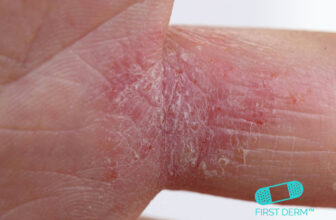
Common symptoms of eczema include:
- Dry, rough, or scaly patches of skin
- Red or inflamed areas
- Persistent itching that may worsen at night
- Cracked or thickened skin from repeated scratching
- Occasional fluid-filled bumps or oozing areas during flare-ups
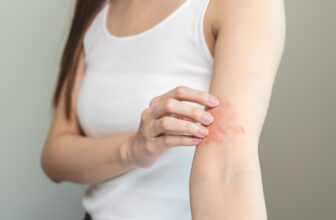
Eczema often appears on areas such as:
- The hands
- Inside the elbows
- Behind the knees
- The face or neck
- The wrists or ankles
Symptoms can vary widely between individuals. Some people experience occasional flare-ups, while others deal with more persistent irritation. Because eczema shares symptoms with other skin conditions, an accurate diagnosis from board-certified dermatologists is important before starting treatment.
If your rashes coincide with using particular products on the skin, your dermatologist may recommend a patch test to determine if an allergic reaction contributes to your condition.
How Does a Dermatologist Treat Eczema?
Treatment for eczema focuses on calming inflammation, repairing the skin barrier, and reducing flare-ups. Dermatology professionals tailor treatment plans based on the severity of the condition and the triggers involved.
Many treatment plans include a combination of skincare changes and prescription medications.
Common eczema treatments
Medical moisturizers and barrier repair creams
Hydrating the skin is a key part of managing eczema. Dermatology professionals often recommend fragrance-free moisturizers or prescription barrier creams that help restore the skin’s protective layer.
Topical corticosteroids
These medications reduce inflammation and itching during eczema flare-ups. They are typically applied directly to affected areas for short periods under medical guidance.
Non-steroidal topical medications
Certain prescription creams can calm inflammation without using steroids. These options are often used for sensitive areas such as the face or for longer-term maintenance.
Oral medications or biologic therapies
For moderate to severe eczema, systemic medications may help regulate the immune response that triggers inflammation.
Lifestyle and skincare guidance
Dermatology professionals may also recommend adjustments to daily routines, such as:
- Using gentle, fragrance-free cleansers
- Taking shorter, lukewarm showers
- Applying moisturizer immediately after bathing
- Identifying and avoiding known triggers
These steps can help reduce irritation and support healthier skin over time.