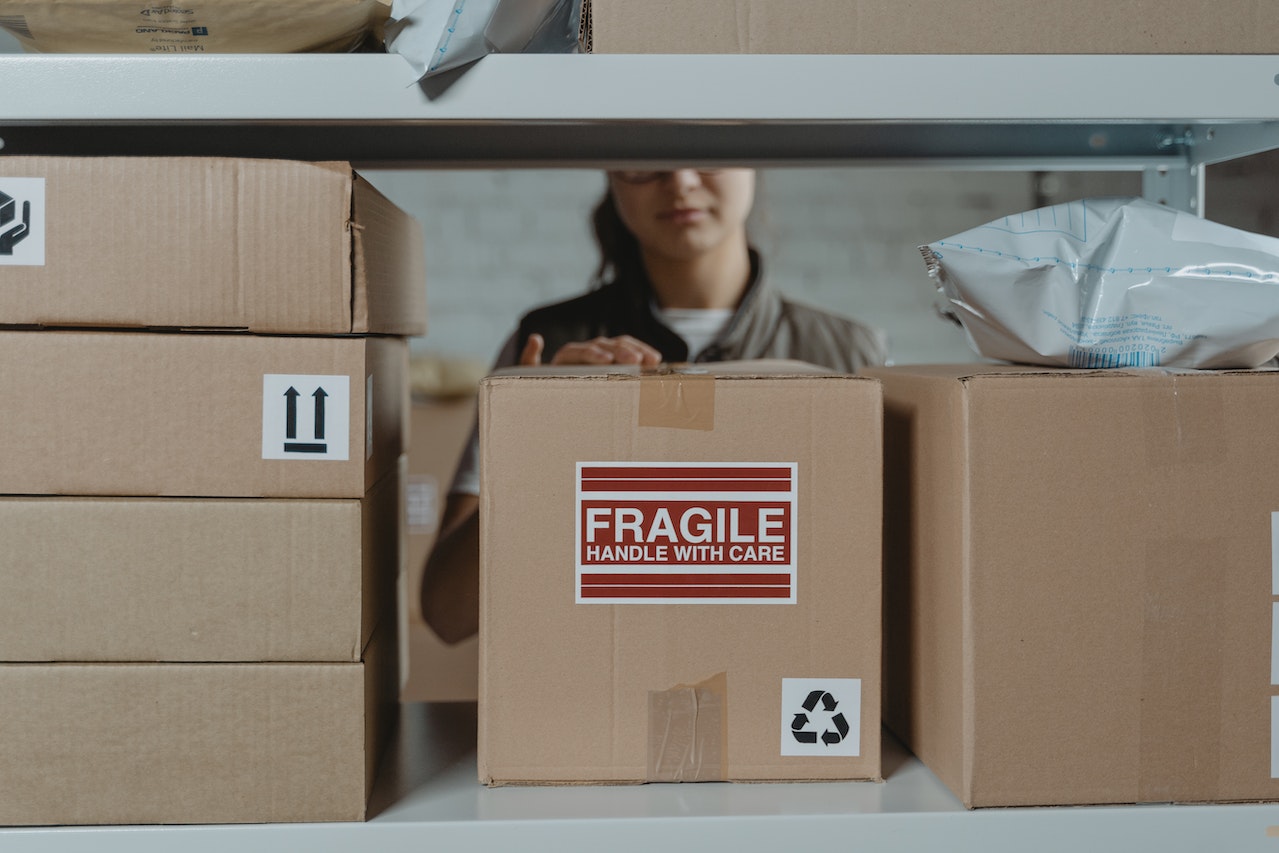
Fast and reliable delivery has become a competitive advantage for fashion and beauty retailers. Customers expect accurate order tracking, short delivery windows, and products that arrive in excellent condition. Delays, shipping errors, or damaged items can quickly affect customer loyalty and increase return rates.
Efficient delivery planning goes beyond selecting a shipping carrier. It requires organized inventory, optimized routing, standardized packing procedures, and clear communication throughout the fulfillment process.
Organize Orders Before Dispatch
The fulfillment process begins long before packages leave the warehouse or retail location. Orders should be verified for accuracy, grouped by delivery area, and prioritized according to shipping commitments.
Businesses managing local deliveries can improve efficiency by using a route maker to organize delivery stops and reduce unnecessary travel. Optimized routes help drivers complete more deliveries while lowering fuel consumption and transportation costs.
Grouping nearby deliveries also minimizes travel time and improves schedule reliability during busy sales periods.
Maintain Accurate Inventory
Fashion and beauty businesses often manage hundreds or thousands of product variations across different sizes, colors, and formulations. Inventory inaccuracies create fulfillment delays and increase the likelihood of canceled orders.
Synchronize inventory across physical stores, warehouses, and online sales channels. Real-time inventory visibility helps prevent overselling while allowing fulfillment teams to locate products more efficiently.
Improve Picking Accuracy
Order accuracy begins with organized storage.
Focus on:
- Clearly labeled storage locations
- Barcode verification
- Product grouping by category
- Standardized picking procedures
Reducing picking errors minimizes returns while improving customer satisfaction.
Standardize Packaging Procedures
Packaging protects products while reinforcing the customer experience. Cosmetics, fragrances, skincare products, and fashion accessories often require different packaging materials to prevent damage during transportation.
Develop standardized packing guidelines based on product type, size, and fragility. Protective inserts, moisture-resistant packaging, and secure sealing methods reduce shipping damage while maintaining presentation quality.
Including packing checklists also helps verify that every shipment contains the correct items before dispatch.
Improve Communication With Customers
Delivery transparency has become an essential part of online retail.
Provide automated notifications at key stages of the fulfillment process, including order confirmation, shipment preparation, dispatch, and delivery completion. Accurate tracking information reduces customer service inquiries while increasing confidence in the purchase.
Prepare for Delivery Exceptions
Unexpected situations should be planned for in advance.
Create procedures for:
- Incorrect delivery addresses
- Failed delivery attempts
- Weather-related delays
- Customer delivery changes
Having documented response procedures allows customer service teams to resolve issues quickly while maintaining a positive customer experience.
Monitor Delivery Performance
Delivery planning should be evaluated continuously using measurable performance indicators.
Track metrics such as on-time delivery rates, order accuracy, shipping costs, damaged shipments, and customer satisfaction. Reviewing these indicators regularly helps identify operational bottlenecks before they affect larger portions of the business.
Customer feedback also provides valuable insight into areas where delivery processes can be improved.
Integrate Technology Across Operations
Disconnected systems create delays throughout the fulfillment process.
Integrating inventory management, order processing, warehouse operations, and shipping platforms improves data accuracy while reducing manual work. Automated workflows also eliminate duplicate data entry and minimize processing errors.
Cloud-based systems allow staff to monitor orders, inventory, and delivery status from a centralized platform, improving coordination across departments.
Build Scalable Fulfillment Processes
As order volumes increase, fulfillment operations should expand without sacrificing quality or efficiency.
Document workflows for receiving orders, picking inventory, packaging shipments, dispatching deliveries, and handling returns. Standardized procedures simplify employee training while supporting consistent service during seasonal demand increases.
Regular process reviews help businesses identify opportunities for additional automation and operational improvements as they continue growing.
Conclusion
Successful delivery planning helps fashion and beauty retailers meet rising customer expectations while improving operational efficiency. Organized inventory, optimized routing, standardized packaging, and proactive communication all contribute to faster and more reliable deliveries.
By treating delivery planning as a core business function rather than a final step in the sales process, retailers can reduce costs, improve customer satisfaction, and build stronger long-term relationships with their audience.