Celiac.com 07/07/2026 – A new bill introduced in Congress could mark an important step forward for people with celiac disease and others who must avoid gluten for medical reasons. The Celiac Safety Act of 2026 was introduced by United States Representatives Emanuel Cleaver of Missouri and Betty McCollum of Minnesota during Celiac Disease Awareness Month. The bill would amend federal food labeling law so that gluten-containing grains are treated as major food allergens.
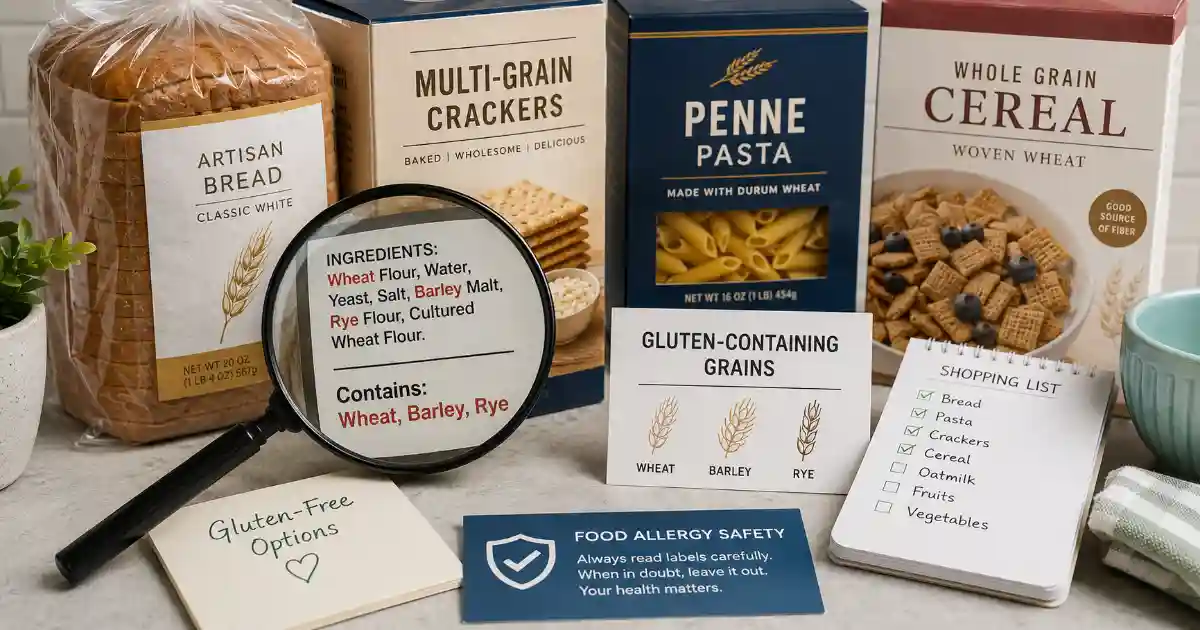
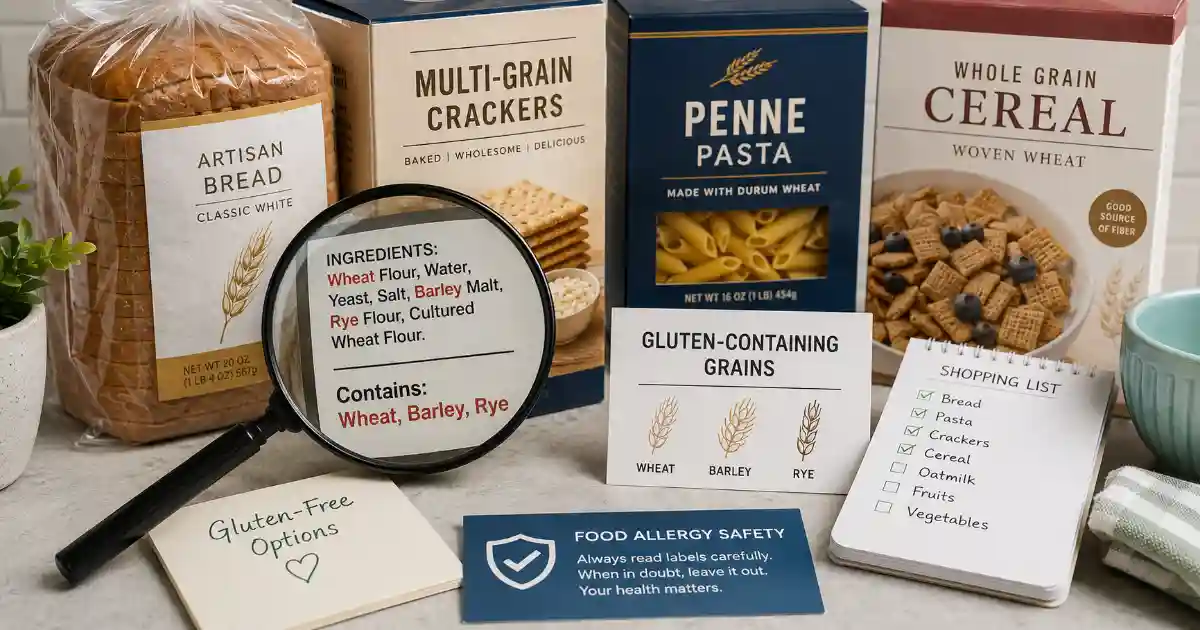
If passed, the law would require foods containing wheat, barley, rye, or their crossbred hybrids to identify “gluten-containing grains” as a major allergen. Supporters say the change would make packaged food labels clearer, safer, and more useful for people who need to avoid gluten exposure.
Why Current United States Labeling Rules Fall Short
Under current United States food labeling law, wheat is already recognized as a major food allergen. That means food manufacturers must clearly disclose wheat when it is present in packaged foods. However, celiac disease is not triggered only by wheat. Gluten is also found in barley and rye, and those grains are not currently treated the same way under major allergen labeling rules.
This creates a major gap for people with celiac disease. A food label may clearly identify wheat, but still be less obvious about ingredients derived from barley or rye. For someone who must avoid all gluten, that can make shopping more difficult and increase the risk of accidental gluten exposure.
The proposed law is designed to close that gap by requiring gluten-containing grains to be disclosed more clearly. Instead of forcing consumers to recognize every possible gluten-derived ingredient, the bill would create a more direct labeling requirement for wheat, barley, rye, and related hybrid grains.
What the Celiac Safety Act Would Do
The Celiac Safety Act would update the definition of a major food allergen under the Federal Food, Drug, and Cosmetic Act. Specifically, it would add gluten-containing grains to the list and define those grains as wheat, rye, barley, and their crossbred hybrids, such as triticale.
The bill would not take effect immediately. It includes an eighteen-month implementation period after enactment. That would give the Food and Drug Administration and food manufacturers time to adjust labeling requirements, update packaging, and prepare for compliance.
Supporters of the bill argue that this change is simple but meaningful. It would not create a cure for celiac disease or eliminate every risk of gluten exposure, but it could make food labels more transparent and help consumers make safer decisions more quickly.
Why Gluten Labeling Matters for Celiac Disease
Celiac disease is an autoimmune disease. When someone with celiac disease eats gluten, the immune system reacts by attacking the lining of the small intestine. Over time, that damage can interfere with nutrient absorption and may lead to anemia, bone problems, fatigue, digestive symptoms, neurological symptoms, infertility, and other complications.
There is currently no medication or cure that allows people with celiac disease to safely eat gluten. The only treatment is a strict gluten-free diet. That means food labels are not just helpful; they are a daily safety tool.
For people with celiac disease, even small mistakes can have consequences. Accidental gluten exposure may cause immediate symptoms for some people, while others may have little or no obvious reaction but still experience intestinal damage. Clear labeling helps reduce uncertainty and gives consumers a better chance of avoiding hidden gluten.
Why Barley and Rye Are a Problem Under Current Rules
Many people know that wheat contains gluten, but barley and rye can be more difficult to spot. Barley may appear in malt, malt flavoring, malt extract, beer, cereals, sauces, and other processed foods. Rye is less common in packaged foods than wheat, but it is still a gluten-containing grain and can appear in breads, crackers, cereals, and specialty products.
Because wheat is already a major allergen, it is usually easier to identify. Barley and rye, however, may require closer ingredient reading and more background knowledge. This places the burden on people with celiac disease to understand hidden gluten sources and interpret labels that may not be as clear as they should be.
The proposed Celiac Safety Act would help shift some of that burden away from consumers and onto a clearer labeling system. A plain disclosure of gluten-containing grains could make it easier for shoppers to recognize risk without needing to decode every ingredient.
How the United States Compares With Other Countries
The United States currently lags behind several other developed nations in gluten labeling. Countries and regions including Canada, the United Kingdom, Australia, New Zealand, and the European Union have stronger rules requiring gluten to be identified more clearly for consumers.
Supporters of the Celiac Safety Act argue that Americans with celiac disease deserve the same level of labeling clarity. Since roughly three million Americans are estimated to have celiac disease, and many remain undiagnosed, clearer labels could benefit a large number of people and families.
The difference matters because celiac disease requires constant food vigilance. Consumers must evaluate packaged foods, restaurant meals, sauces, seasonings, beverages, and processed ingredients. Stronger labeling rules would not remove every challenge, but they could make packaged food choices more straightforward.
What This Could Mean for People With Gluten Sensitivity
The bill is primarily aimed at protecting people with celiac disease, but clearer gluten labeling may also help people with non-celiac gluten sensitivity, wheat allergy, and other medical conditions that require avoiding gluten-containing grains. These groups are not identical, and they do not all face the same medical risks, but they often share the same practical problem: trying to identify whether a food contains gluten.
For people with gluten sensitivity, the consequences of exposure may include digestive discomfort, fatigue, headaches, brain fog, or other symptoms. While gluten sensitivity does not cause the same autoimmune intestinal damage seen in celiac disease, improved transparency can still help people make informed choices and avoid ingredients that trigger symptoms.
Support for the Bill
The Celiac Safety Act has been endorsed by major organizations involved in celiac disease, digestive health, and medical research. Supporters include the Celiac Disease Foundation, the American Gastroenterological Association, and the Society for the Study of Celiac Disease.
These endorsements reflect the growing recognition that current labeling rules do not fully meet the needs of people with celiac disease. The bill also arrives after the Food and Drug Administration requested public input on gluten labeling and cross-contact risks, showing that federal officials are already examining whether current standards provide enough clarity.
Why This Matters
For people without celiac disease, reading a food label may be a quick check for calories, sugar, or ingredients. For someone with celiac disease, reading a label can be a health necessity. A missed gluten ingredient can lead to illness, intestinal injury, and long-term health concerns.
The Celiac Safety Act would not solve every problem related to gluten exposure. It would not guarantee that every food is safe, and people with celiac disease would still need to watch for cross-contact, restaurant risks, and products that are not labeled gluten-free. However, it would make a meaningful change to allergen labeling by recognizing that gluten risk extends beyond wheat.
If passed, the law could make everyday shopping easier and safer for people with celiac disease. It could also bring United States labeling policy closer to standards already used in other countries. Most importantly, it would acknowledge that gluten-containing grains pose a serious medical risk for millions of Americans and should be labeled with the same seriousness as other major allergens.
For the celiac disease community, this bill represents more than a technical labeling update. It is a push for clearer information, safer food choices, and greater recognition of the daily challenges faced by people who must live gluten-free for life.
Read more at: cleaver.house.gov
Watch the video version of Congress Introduces Celiac Safety Act to Strengthen Gluten Labeling Rules: