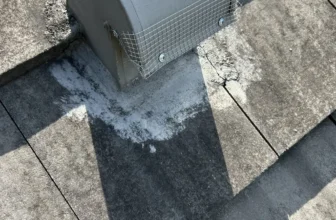

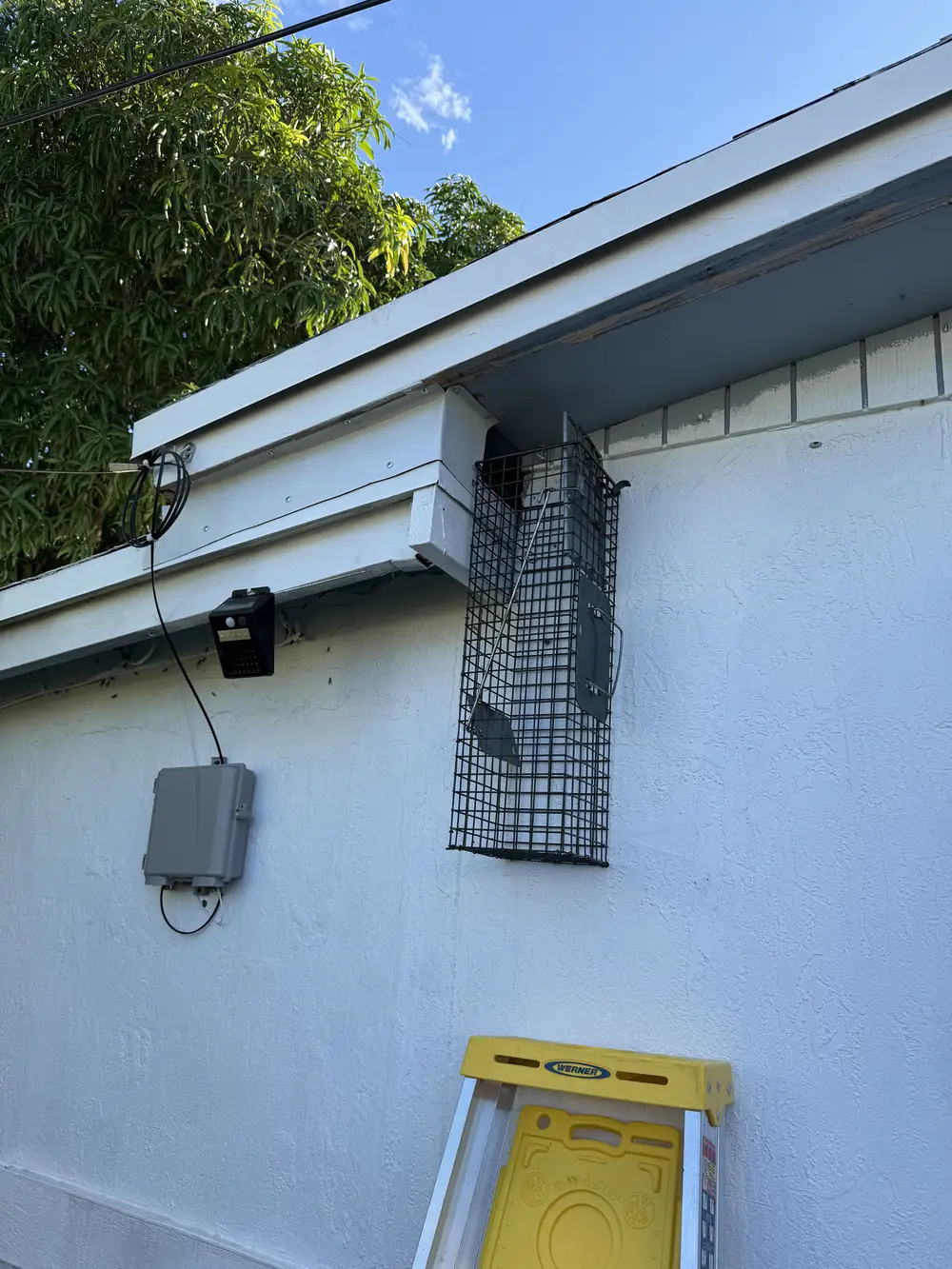
These steps apply only to a small, nonfunctional gap in a sound surface. They are not instructions for an electrical penetration, active vent, flue, drainage opening, or structural defect.
Clean and inspect the opening
First determine what passes through the gap and whether there are signs of active rodents. Do not scrape, sweep, or vacuum dry droppings or nesting material. The CDC recommends wet disinfection and gloves before removing rodent waste; heavy infestations need additional precautions. If contamination, wiring, or access makes the work unsafe, stop and arrange professional help.
Fit the material to the gap
Wear suitable gloves to handle sharp fibers. Follow the exclusion product’s instructions and fit it snugly against sound edges. Do not push material blindly into an unseen cavity or around a cable, hot pipe, or appliance connection.
Secure the repair
The CDC recommends filling small holes with steel wool and securing it with caulk or spray foam. Choose a sealant compatible with the surface and exposure, and follow its installation and curing instructions. Foam is a way to hold a metal filler in place—not a standalone rodent barrier. A deteriorated edge or larger hole needs a different repair rather than more filler.
Inspect after installation
Once cured, check for movement, remaining gaps, moisture problems, and new rodent activity. A tidy-looking surface does not establish that the whole entry route is closed.