

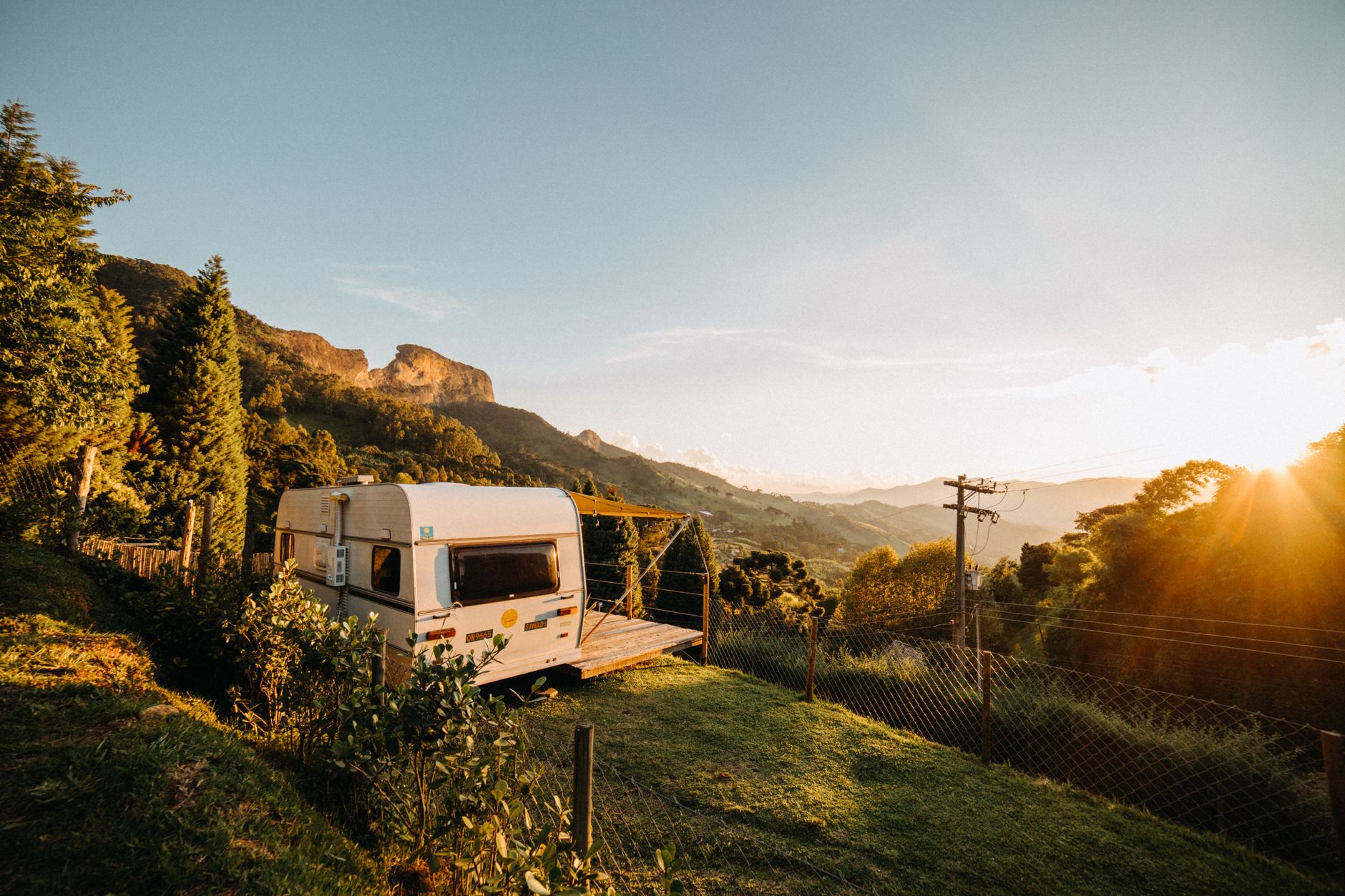
A touring caravan gives outdoor breaks a useful balance of freedom and familiarity. You can wake near a coastal path, woodland or national park while keeping your own cooking space and a comfortable place to sleep close at hand.
That flexibility makes caravanning suitable for long holidays, spontaneous weekends and slower trips through several regions. The experience improves when you choose suitable places to stay, pack for the activities you’ll actually do, and travel with respect for the environment.
Your Base for Nature Exploration
A caravan works best as a base, not the sole focus of your break. Look for pitches within easy reach of walking routes, cycle trails, beaches or nature reserves, then leave enough time in your plans to explore them. A site that’s five miles from a trail may be practical if there is safe parking nearby, while a site beside the route lets you start directly from your pitch.
Before booking, check the ground conditions, access road and available facilities. Smaller rural sites may offer wonderful views but limited electric hook-ups, mobile signal or fresh water points. Reading recent reviews can reveal details that a basic listing misses, such as road noise or steep access.
If regular nature breaks appeal and you’re considering buying your own touring caravan, think about its likely use before viewing models. You can contact us when you’re ready to discuss buying or selling a touring caravan. Be clear about your preferred berth, storage options and usual trip length so the conversation stays focused on practical needs.
Connecting with Outdoor Recreation
Plan one main activity for each full day and treat everything else as a bonus. A morning walk might lead to a picnic beside a lake, while a short cycle ride could end at a village café. This loose structure keeps the holiday interesting without turning it into a packed timetable.
Local visitor centres often provide the most useful information on path closures, seasonal conditions and accessible routes. Online outdoor resources can also help you think through basic preparation, including sun protection, weather awareness and caring for natural spaces. Although advice should always be checked against your destination, these principles travel well.
Keep a small day bag ready with water, a paper map, sun cream, a portable battery and an extra layer. Temperatures can change quickly near exposed coasts and upland areas, even when conditions around the caravan feel mild. If you’re travelling as a family, choose routes with obvious stopping points and allow more time than the distance alone suggests.
Quiet activities deserve space too. Birdwatching, sketching and outdoor photography can reveal details you’d miss on a hurried walk. The US Department of the Interior’s guide to the great outdoors offers further inspiration for enjoying public natural spaces.
Finding the Right Leisure Vehicle
Start with towing limits and storage space, then work towards the features you’d enjoy. A large lounge and fixed bed may feel inviting, but the extra length and weight can affect where you store the caravan and which pitches are practical. Smaller models tend to be easier to manoeuvre and may suit couples or solo travellers who spend most of the day outside.
Walk through a caravan as if you were already on holiday. Can one person prepare breakfast while another gets dressed? Is there enough room for wet coats and walking boots? Can you reach the washroom at night without rearranging bags? These everyday details matter more than decorative finishes.
Check the condition closely when considering a used model. Look for signs of damp around windows, rooflights, corners and storage lockers. Ask to see service records and confirm which fixtures are included in the sale. Tyre age matters even when the tread looks sound because touring caravans may remain parked for long periods.
Your budget should cover more than the purchase. Allow for insurance, secure storage, servicing, site fees and basic equipment such as a water carrier, hook-up cable and levelling aids. A guide to caravan accessories can also help when deciding which extras are worth adding. Creating a simple annual estimate gives you a more realistic picture of ownership costs.
Sustainable Travel Practices
Small changes can make caravan trips more sustainable. Stay several nights in one area and explore locally on foot, by bike or public transport where practical. Use campsite facilities responsibly, limit water and energy use, and bring reusable bottles, containers and bags.
Follow each site’s recycling rules and never leave food waste outdoors. In sensitive areas, stick to marked routes, keep your distance from wildlife and leave natural items where they are. Before leaving, check the pitch for rubbish and small items.
With the practical details handled, your caravan can provide a comfortable base for relaxed days outdoors.


