
100+ Cruise Tips I’ve Learned From Years of Cruising


I’ve learned quite a bit from cruising over the years, including things I wish I knew before my first one. Some of these cruise tips have saved us time, some have saved us money, and others have helped us avoid little headaches along the way.

Disclaimer: This post may contain affiliate links, meaning we earn a commission at no extra cost. Please refer to our full disclosure for details.
Think of this as the cruise cheat sheet I’d share with someone getting ready to sail. I’ll keep the tips quick, and when there’s more to say, I’ll point you to one of my more detailed cruise guides.
Cruise Planning Tips

- Set a budget. Start with what you’re comfortable spending on the entire trip, not just the cruise fare. I factor in airfare, hotels before or after the cruise, transportation, excursions, gratuities, dining, drinks, and anything else we may spend onboard.
- Decide how long you want to cruise. If it’s your first cruise, 4 to 7 nights is a good place to start. It gives you time to experience the ship and a few ports without committing to a much longer sailing.
- Choose a destination you actually want to visit. Think about the kind of trip you’re looking for, from warm-weather Caribbean ports to the scenery and cooler temperatures of an Alaska cruise.
- Choose the cruise line and ship carefully. Cruise lines can feel very different from one another, and even ships within the same cruise line can offer completely different experiences. I always look at the ship itself, not just the itinerary and price.
- Look closely at the itinerary. I check how much time the ship spends in each port, how many sea days there are, and how the port days are spaced out. Personally, I usually lean toward itineraries with more port days than sea days.
Booking Your Cruise: Key Tips
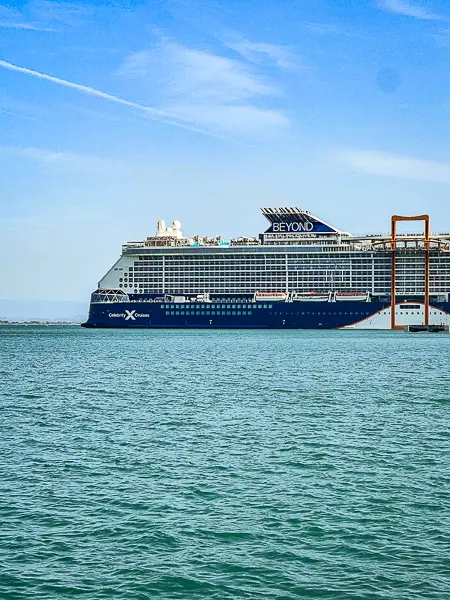
- Compare prices before you book. I usually start by checking the cruise line directly to get a baseline price. Then I compare that with what a travel agent or other booking option may offer in perks, onboard credit, or added value.
- Check what your cruise fare actually includes. Before booking, look at what’s included in the fare and what costs extra, such as gratuities, drinks, Wi-Fi, specialty dining, and activities. That gives you a better idea of the true cost of the cruise before comparing it with another option.
- Consider using a cruise travel agent. A good cruise travel agent can help with the booking and may have access to onboard credit or other perks you won’t get booking on your own.
- Check Costco Travel if you’re a member. Some cruise bookings include a Digital Costco Shop Card, and Executive Members can also earn a 2% reward on eligible Costco Travel purchases. Just remember that Costco becomes your travel agent, so if you need to make changes or cancel, you’ll usually need to go through Costco Travel rather than the cruise line directly.
- Check your credit card benefits before booking. Some travel cards include cruise perks. American Express, for example, offers its Cruise Privileges Program on eligible bookings made through Amex Travel.
- Use travel points where they make sense. I usually get more value from flexible travel rewards that can be used toward flights or hotels before and after the cruise than from cruise-line credit cards.
- Pay attention to when you book. Wave season can bring promotions, while shoulder-season or off-season sailings may have lower fares depending on the destination. I still compare the actual price instead of assuming a sale means it’s the lowest fare.
- Watch for promotions. Reduced deposits, onboard credit, free guests, and package offers can all affect a cruise’s total value. I look at the full price and what’s actually included, not just the headline offer.
- Check your local cruise port. Before locking in a sailing, take a look at which cruise lines and itineraries operate from your closest cruise port. You may find seasonal cruises or shorter sailings that also save you the cost of flights and a hotel.
- Look at cheaper cabin options. An inside cabin or guaranteed cabin category can lower the price, but I’d only book a guarantee if I’m comfortable letting the cruise line choose the location.
- Book early for popular sailings. For cruises with limited availability, holiday sailings, Alaska, Disney, or certain cabin categories, booking early usually gives you more choices. It also gives you more time to spread the cost out.
- Keep watching the price after you book. Cruise fares change, and depending on the cruise line and fare rules, you may be able to reprice before final payment. I still keep an eye on mine after booking.
- Join the cruise line’s loyalty program. If you cruise with the same line more than once, the perks can add up over time. Depending on the program, that may include discounts, drinks, internet, laundry, priority benefits, or onboard credit.
Tips to Get Ready for a Cruise
- Buy travel insurance. I don’t cruise without travel insurance. Beyond trip cancellations or delays, one of the biggest reasons I have it is for medical coverage while traveling. If you want more flexibility, look into a policy with Cancel For Any Reason coverage and read the terms carefully before buying.
- Book your flights and pre-cruise hotel early. If we’re flying to the cruise port, I always plan to arrive at least a day before the ship leaves. I also use tools like Google Flights to watch airfare before booking.
- Check your passport and required identification. Make sure you have the exact documents your cruise line requires for boarding, such as a passport or other accepted government-issued ID. I also check the entry requirements for every country on the itinerary since some destinations have specific passport validity or visa requirements.
- Know when dining and excursion reservations open. If there’s a specialty restaurant or shore excursion you really want, check when reservations open for your sailing so you can book as soon as you can. Popular options can fill up.
- Join your cruise roll call or Facebook group. I like checking cruise roll calls before we sail. They can help you meet other passengers, share excursion ideas, and sometimes find information specific to your sailing.
- Download the cruise line app before you leave. Most cruise lines use their apps for check-in, reservations, schedules, dining information, and other onboard features. I download it ahead of time and make sure I can log in before the trip.
- Complete online check-in as soon as you can. Check-in dates vary by cruise line, but I try to do it when it opens. On some cruise lines, checking in early can also give you a better selection of port arrival times.
Read more: What to Do Before a Cruise
Cruise Packing Tips
- Start packing before the last minute. I usually start pulling things together several days before a cruise so I have time to see what I’m missing instead of trying to do it all the night before.
- Pack an embarkation day bag. Your checked luggage may not arrive at your cabin until later in the day, so keep anything you’ll need right away in your cruise carry-on. That includes medications, travel documents, valuables, sunscreen, and a swimsuit or change of clothes if you plan to use the pool.
- Keep medications and important items with you. Never put prescription medication, passports, money, electronics, or anything you can’t afford to lose in the luggage you hand over at the port.
- Bring enough charging options. Cruise cabins can be limited on outlets, particularly on older ships. I bring USB chargers or a multi-port charging hub, but I always check the cruise line’s prohibited-items policy before packing anything with extra outlets.
- Check the prohibited-items list before you pack. Cruise lines restrict things you might normally travel with, including irons, steamers, certain electrical devices, and other items. I always check the cruise line’s current list before sailing. See what not to pack for a cruise.
- Check the cruise line’s beverage policy. Rules for bringing wine, bottled water, soda, and other drinks onboard vary by cruise line. Check the current policy before packing anything you plan to carry onto the ship.
- Pack a small bag for port days. I usually bring a lightweight bag with sunscreen, water, my phone, a portable charger, and anything else I’ll need while we’re off the ship. What goes in it depends on the excursion and destination.
- Use a cruise packing list. I still like having a checklist so I don’t forget something obvious. Start with a cruise packing list and adjust it for the destination, such as packing for an Alaska cruise.
Embarkation Day Tips

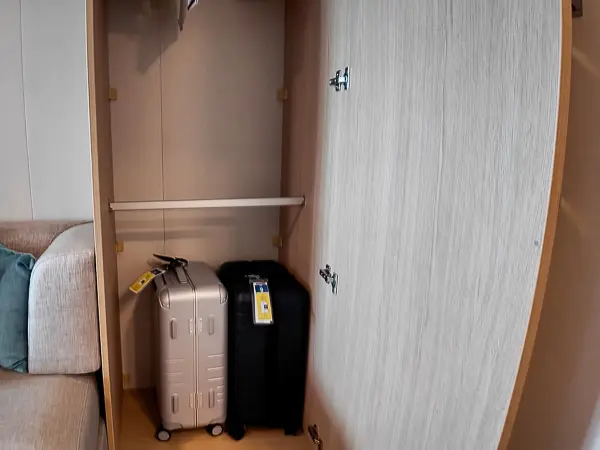
- Keep your travel documents easy to reach. Have your passport or ID, boarding documents, and any required cruise paperwork ready before you get to the terminal. I also make sure my cruise luggage tags are attached before I hand over my checked bags.
- Arrive during your assigned check-in window. Follow the arrival time provided by the cruise line rather than showing up hours early.
- Hand off larger bags to the porters. Keep your embarkation day bag with you and hand over your larger checked luggage. I also keep a few small bills handy for tipping.
- Keep your boarding documents easy to access. Once online check-in is complete, have your boarding pass and any required cruise documents ready on your phone when you arrive at the terminal. I also like having a screenshot in case the signal is bad.
- Know that check-in time and boarding time aren’t the same. You may check in at the terminal and still wait for your boarding group to be called.
- Keep your cruise card or wearable secure. Depending on the cruise line, you may use it to open your cabin, make purchases, and scan on and off the ship.
- Board earlier if you want photos before the ship fills up. Embarkation day is usually one of the better times to get photos of public spaces without as many people around.
Read more: Tips for Cruise Embarkation Day Pre- and Post-Boarding Advice
What to Do After You Board

- Complete your muster requirements. Every passenger has to complete the ship’s safety drill before sailing. Many cruise lines now have you watch a safety video and then check in at your assigned muster station, but follow your specific ship’s instructions.
- Grab a drink and enjoy being onboard. This is usually when it finally feels like the cruise has started. We’ll grab a drink, coffee, or something cold and take a minute before doing anything else.
- Make any reservation changes you need. Check the cruise line app first for dining or entertainment changes. Depending on the ship, you may also be able to make them at the restaurant, box office, or a designated reservation desk.
- Walk around and get familiar with the ship. Embarkation day is a good time to figure out where things are before the ship gets busier. I usually like to find the restaurants, outdoor decks, and other places I know we’ll use during the cruise.
- Skip the buffet if you want a quieter first lunch. Check which other restaurants are open for embarkation day lunch. We usually look for another option because the buffet can be one of the busiest places on the ship right after boarding.
- Wait until cabins are officially ready. Staterooms may not be available as soon as you board, so keep your embarkation-day bag with you until the cruise line announces that cabins are open.
- Put your phone in airplane mode before the ship sails. Once we’re getting ready to leave port, I switch my phone to airplane mode to avoid connecting to cellular service at sea. You can still turn Wi-Fi back on and use the cruise line app or your ship’s internet package.
Cruise Cabin Tips
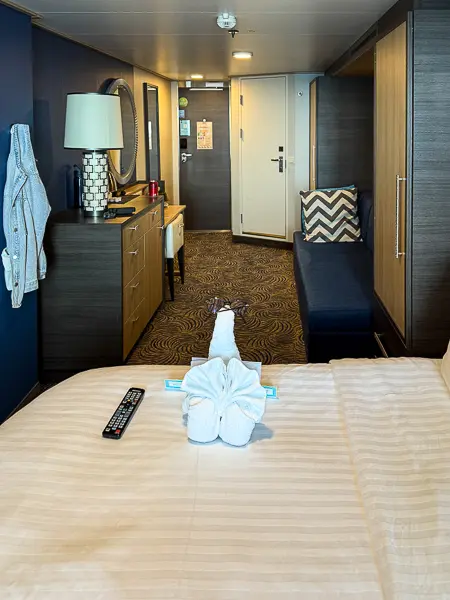
- Meet your cabin steward and ask for anything you need early. Once we’re settled in, I like to introduce myself and ask for anything that will make the cabin more comfortable, like extra pillows, a mattress topper, an extra blanket, or more towels. It’s better to ask early than wait until later in the cruise.
- Unpack once your luggage arrives. Cruise cabins aren’t huge, so I’d rather unpack and put everything away than live out of suitcases all week.
- Store your luggage under the bed. There’s usually enough room underneath for suitcases, which gets them out of the way and frees up cabin space.
- Bring a small night light. Cruise cabins can get very dark at night, particularly inside cabins. A small battery-operated or USB night light makes it easier to get around without turning on the main lights.
- Use the in-room safe. I keep passports, extra cash, and other valuables in the safe when we don’t need them.
- Check the rules before bringing an over-the-door organizer. They can be useful for toiletries and small items, but some cruise lines restrict organizers that hang over cabin doors.
- Pack magnetic hooks. Many cruise cabin walls are metal, so magnetic hooks give you extra places to hang hats, lanyards, lightweight clothing, or the daily schedule.
Read More: Smart Tips and Tricks for Your Cruise Cabin
Cruise Ship Tips

- Check the daily schedule. I check the cruise line app throughout the day for activities, entertainment, dining hours, and schedule changes. If the ship still provides a printed daily, I’ll sometimes take a photo of it so I have it with me.
- Use the cruise line app onboard. Beyond the daily schedule, the app may let you make reservations, check your onboard account, view deck maps, message other passengers, and see restaurant hours. What’s available varies by cruise line.
- Visit Guest Services when it’s quieter. Lines can get long during peak times, particularly on embarkation day. If it isn’t urgent, I try to go later in the evening or at another quieter time.
- Take the stairs when it makes sense. Elevators can get crowded around shows, dinner, and port arrival times. Sometimes the stairs really are faster for a deck or two.
- Check your laundry options. Some ships have self-service laundry rooms, while others offer laundry by the piece or occasional fill-a-bag specials. We sometimes send laundry out toward the end of the cruise so we come home with fewer dirty clothes.
- Take advantage of the ship’s photographers if you want photos together. There’s no obligation to buy them, but it can be an easy way to get a few photos where everyone is actually in the picture.
- Look for quieter spaces around the ship. Libraries, observation lounges, outdoor decks, and other less-busy areas can be a nice break from the pool deck.
- Check out the kids and teen clubs early if you’re cruising as a family. Registration and age requirements vary, so check the hours and sign-up process once you’re onboard.
- Keep some small bills for tipping. I like having cash available for porters, room service, tour guides, and anyone else we want to tip beyond the standard cruise gratuities.
- Pay attention to ship time. Your phone may automatically switch to local time while the ship continues operating on a different time. Follow the time announced by the ship, particularly on port days.
Cruise Dining Tips

- Check what’s included before paying extra for dining. Cruise ships can have a mix of included and specialty restaurants, so I like knowing what’s already covered before we start making reservations.
- Don’t be afraid to order more than one dish. In many main dining rooms, you can order an extra appetizer, entrée, or dessert if you want to try something else or share. Check the menu, though, since some cruise lines charge for additional entrées.
- Try the main dining room for breakfast or lunch. The buffet isn’t your only option. When it’s open, we sometimes prefer the main dining room for a quieter breakfast or lunch.
- Use the buffet when it makes sense. It’s convenient when you want something quick, want to try a little of everything, or don’t want to sit through a longer meal.
- Let the cruise line know about food allergies or dietary needs. Note them before the cruise and confirm them again once onboard. If you have a serious allergy, ask the dining staff how they’ll handle your meals.
- Order something else if you don’t like your meal. If a dish isn’t what you expected, ask your server if you can switch it out. There’s no reason to sit there eating something you don’t enjoy.
- Check the room service fees before ordering. What’s included varies by cruise line and even by cabin category. Some offer certain items or breakfast at no charge, while others add a delivery or service fee.
- Room service breakfast can be useful on early port days. If your cruise line offers it, ordering breakfast the night before can save time for an early excursion.
- Look for dining events outside the regular dinner schedule. Depending on the ship, that could include afternoon tea, brunch, tastings, or other special dining events. Check the daily schedule because some are only offered once or twice.
- Leave room for the little cruise food traditions. For me, that might be soft serve by the pool, a late-night snack, or something I only seem to eat when I’m on a ship.
Read more: What’s covered in your cruise vacation?
Cruise Entertainment and Activities

- Check whether shows need reservations. Some cruise lines let you reserve certain shows in advance, while others are first-come, first-served. If reservations aren’t required, I still like to arrive early for popular performances.
- Check for themed parties before you pack. Some cruise lines have specific party nights or dress themes, like Scarlet Night on Virgin Voyages. If you want to take part, it helps to know about them before the cruise.
- Expect some activities to cost extra. Bingo, tastings, arcade games, and other onboard activities may cost extra, so I check before signing up.
- Reserve popular onboard activities early. Things like go-karts, escape rooms, ropes courses, or other limited-capacity activities can fill up. If there’s something you really want to do, check when reservations open.
- Make time for live music. One of the many things I love about cruising is walking into a lounge and finding a live band or piano player performing.
- Check the schedule for classes and tastings. Dance classes, trivia, wine tastings, demonstrations, and other activities can be a good way to fill a sea day without spending the whole day by the pool.
- Use the pool deck at off-peak times. Early mornings and later afternoons are usually quieter. I also like looking for outdoor spaces away from the main pool deck when I want somewhere less crowded.
Shore Excursion Tips
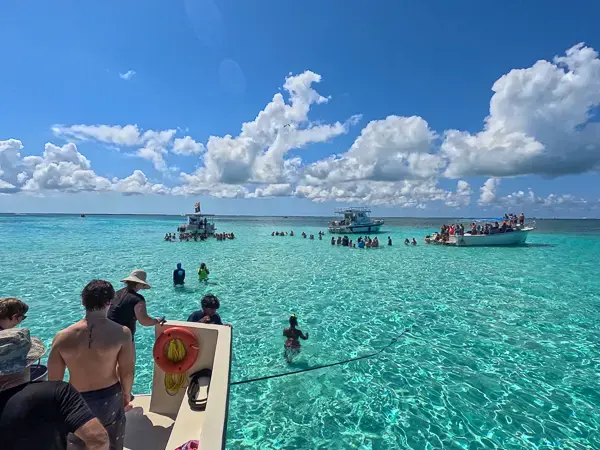
- Compare cruise line and independent excursions. I always look at both before booking. Independent tours can sometimes cost less, have smaller groups, or give you more flexibility. I often check Viator when I’m looking at independent options because it makes it easy to compare tours, reviews, and prices in one place.
- Know the advantage of booking through the cruise line. One of the biggest reasons to book a cruise-sponsored excursion is the added protection if the tour runs late. The ship knows where you are and will typically wait or help make arrangements if the delay is caused by that excursion.
- Consider exploring on your own. Not every port requires an organized tour. We’ve had some great port days using local transportation, renting a car, or simply walking around on our own.
- Leave yourself plenty of time to get back to the ship. If we’re exploring independently, I never plan to cut it close. I aim to be back onboard well before all-aboard time because the ship does not have to wait for passengers who are late on their own.
Read more: How to Plan Your Own Shore Excursions
Cruise Port Tips

- Research each port before you go. I like to know what I actually want to see before we arrive, along with how far everything is from the cruise terminal and the easiest way to get around.
- Check if any ports require tendering. Tender ports can take more time to get ashore, so I plan around that and try to get off early if we have a full day planned.
- Don’t assume the cruise terminal is the destination. Some ports are easy to explore right from the ship, while others require a taxi, shuttle, ferry, or longer ride to get to the main sights.
- Know your transportation options. Depending on the port, that might mean taxis, rideshares, public transportation, ferries, or a private driver. I like knowing the options before we arrive instead of figuring it out at the pier.
- Consider renting a car when it makes sense. We’ve rented cars in ports where having our own transportation gave us more freedom. I stick with reputable rental companies and research pickup locations ahead of time.
- Use credit cards when you can, but carry some cash. I prefer using a credit card for most purchases in port, but I bring cash for places that don’t accept cards. If a shore excursion requires cash, I make sure I have it before we even embark.
- Check your phone plan before the cruise. International data may already be included with your plan or available as an add-on. If not, Wi-Fi in port can be useful, but I wouldn’t count on finding free Wi-Fi everywhere.
- Know the all-aboard time before you leave the ship. Departure time and all-aboard time aren’t the same. I always check the ship’s schedule before heading into port so I know exactly when I need to be back onboard.
- Save the port agent information. The cruise line usually provides contact information for its local port agent. I keep a photo or screenshot of it on my phone in case something goes wrong while we’re ashore and we need to contact the ship.
- Download an offline map before you leave the ship. If we’re exploring on our own, I like saving the area in Google Maps while I still have Wi-Fi. That way, I can still navigate if cell service is spotty or I don’t want to use international data.
Cruise Disembarkation Tips
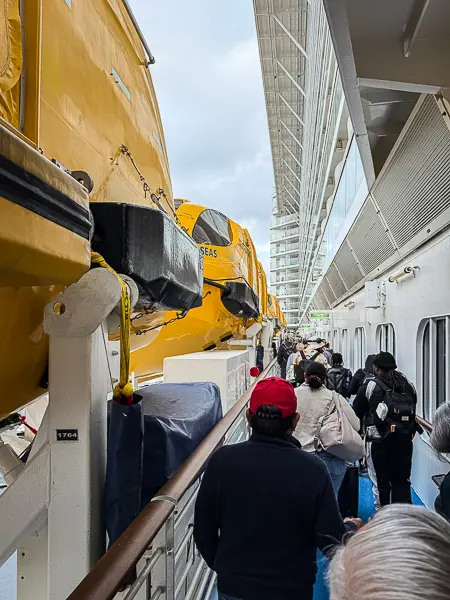
- Plan your transportation after the cruise. If we’re heading to the airport or a hotel, I like knowing how we’re getting there before disembarkation morning. Depending on the port, that might mean a taxi, rideshare, shuttle, private transfer, or rental car.
- Review your onboard account the night before. I check for unexpected charges while there’s still time to correct them. Most cruise lines automatically charge the final balance to the card on file.
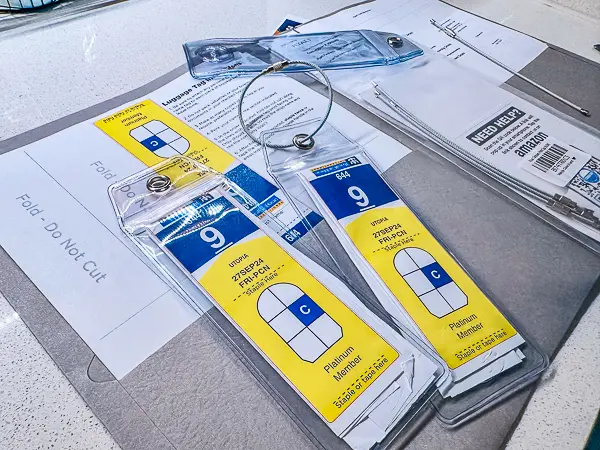
- Follow your cruise line’s luggage instructions. If you’re having the crew take your bags off the ship, you’ll usually need luggage tags for a specific disembarkation group. Depending on the cruise line, they may deliver them to your cabin, or you may need to pick them up from Guest Services before placing your bags outside your cabin the night before.
- Keep everything you’ll need for the morning with you. Once you check your luggage, you won’t see it again until you’re off the ship. Keep your clothes for the next day, medications, toiletries, travel documents, valuables, and anything else you’ll need in your carry-on.
- Use self-assist if you want to leave earlier. With self-assist disembarkation, you carry all of your own luggage off the ship. It can get you off sooner, but you need to manage your bags yourself, and there may still be a line.
- Don’t book a flight too early. Getting off the ship can take time, and delays happen. I leave enough time for disembarkation, getting through the terminal, transportation to the airport, and airport security.
- Enjoy breakfast, but don’t plan to linger all morning. If we’re not rushing off the ship, we’ll have breakfast before disembarking. Remember that cabins usually need to be vacated early, and the crew needs to prepare the ship for the next sailing.
Read more: How to Ensure an Easy Cruise Disembarkation Process
BEFORE YOU SET SAIL, HERE ARE SOME RELATED ARTICLES YOU DON’T WANT TO MISS:

Meet Kathy Ava, a food, travel, and cruise writer based in Los Angeles/Pasadena, and the owner and main writer of Tasty Itinerary. With over 20 years of experience planning trips and logistics at her full-time job and for herself, she’s become a pro at crafting unforgettable tasty itineraries. She’s always on the hunt for delicious, fun travel destinations and cruise itineraries. She firmly believes that life is short and we must make the most of it, so always say yes to dessert.