
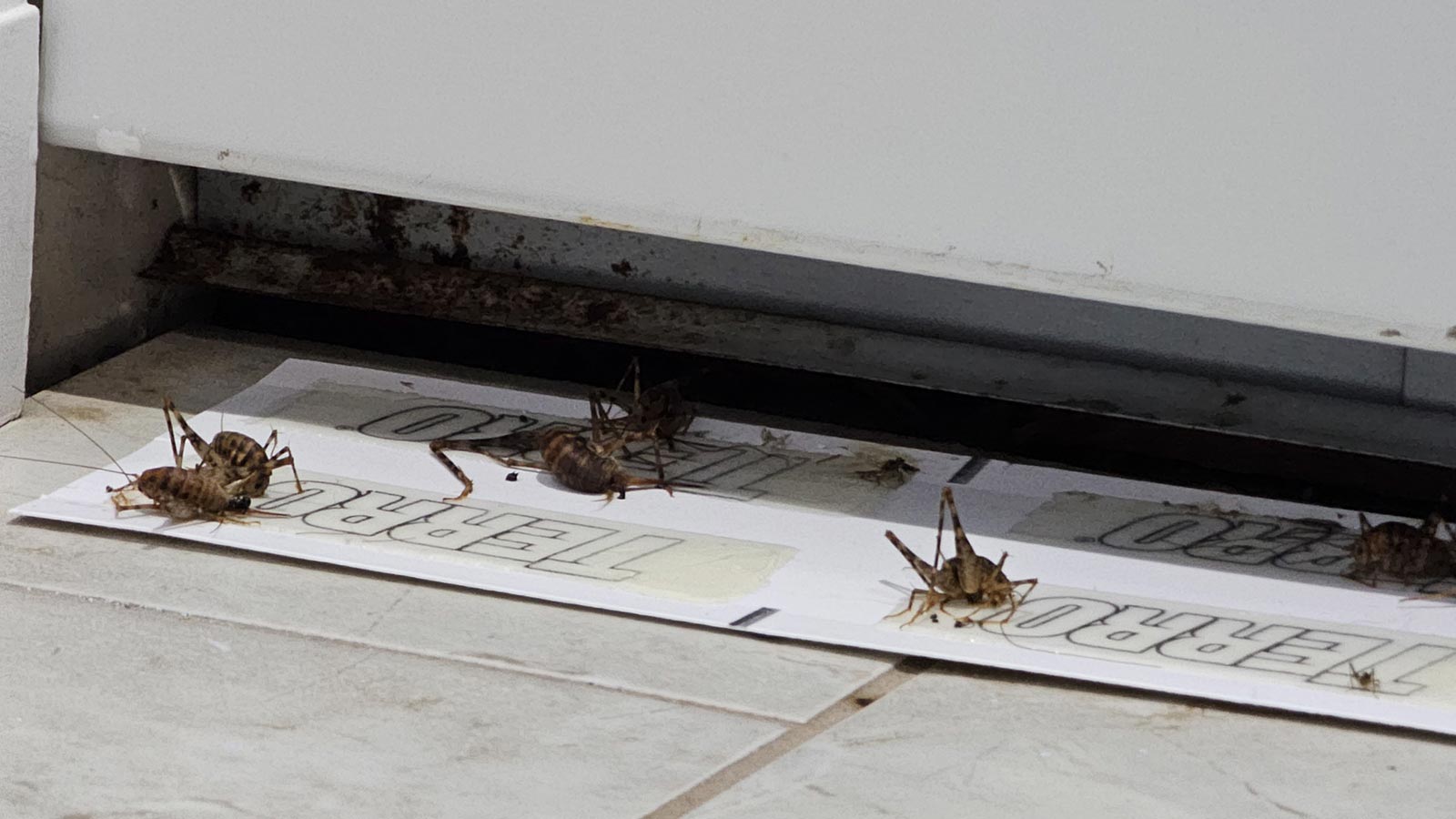
Garages and outdoor spaces are like paradise for pests. They’re usually quiet, undisturbed, and provide easy access to shelter, food, and water. In Arizona, garages can offer cool relief from the heat and protection from predators. Many people store pet food, old furniture, cardboard boxes, and tools in their garages—items that attract insects and rodents. These spaces often go uninspected for long periods, giving pests plenty of time to move in and multiply.
Outdoor areas like patios, sheds, and decks can also draw pests for the same reasons. Pools of water from sprinklers or monsoon rains become breeding grounds for mosquitoes. Piles of firewood or leaves can attract termites and spiders. Even your outdoor trash bins can become buffet tables for hungry rodents or cockroaches. Once these pests establish a presence outside, it’s only a short trip into the house through gaps in doors, vents, or tiny cracks.
Garages, in particular, are often the weakest link in your home’s pest defense. They’re connected to the main house, but they don’t get the same attention. Garage doors might not seal tightly. Vents may be uncovered. The space may be cluttered, creating the perfect environment for pests to hide. And unlike the main home, the garage often lacks climate control, making it more inviting to pests during extreme heat or cold.
Another key issue is lighting. Bright outdoor lights left on at night can attract flying insects, which then hover around windows and doors—looking for ways inside. Insects like moths, beetles, and flying ants are drawn to light, and once they gather, they can attract predators like spiders or bats, compounding the problem. Consider switching to yellow bug lights or motion-activated lighting to reduce insect activity near entry points.
Clutter also plays a major role in attracting pests. Cardboard boxes, in particular, are a favorite hiding place for silverfish, cockroaches, and rodents. Paper absorbs moisture and breaks down over time, creating a warm and sheltered environment. Switching to sealed plastic containers for storage can reduce pest activity dramatically. Regularly cleaning and organizing these spaces reduces the number of hiding spots and eliminates potential nesting materials.
Landscaping can influence pest activity as well. Overgrown shrubs, tree branches touching the roofline, or stacked debris near the house all serve as bridges and shelter for pests. Keeping vegetation trimmed and storing firewood at least 20 feet away from the house helps create a clear barrier between nature and your home’s structure.
Understanding what draws pests to these areas helps you better prepare to defend them. When you take control of your garage and outdoor spaces, you block one of the main ways pests find their way into your home. That’s a big step toward a pest-free property.